Assistant Professor of Medicine -University of Minnesota. We study the steroid receptor coactivator proteins PELP1 & SRC-3, and their role in breast cancer
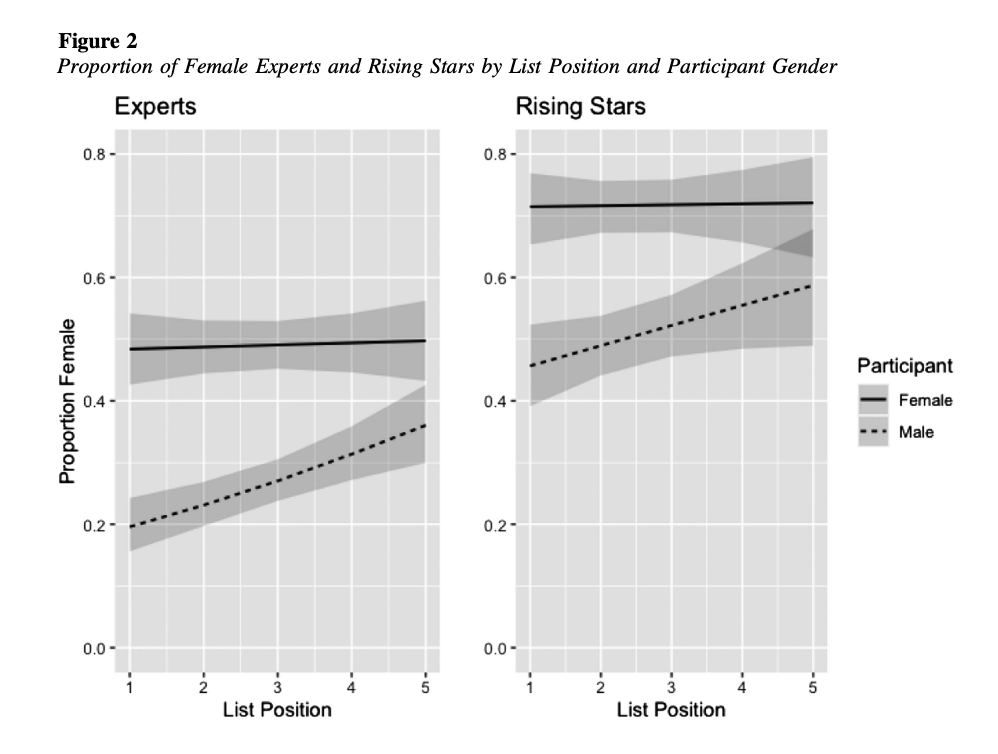
Study shows ♂️faculty are more likely to remember other ♂️ which may contribute to known academic advancement #GenderGap
Faculty asked to list 5 experts & 5 rising⭐️
♂️ listed ♀️as experts & rising⭐️at⬇️rates
♀️ listed ♀️as experts at % similar to faculty stats & ⬆️% as rising⭐️
1/ We are recruiting! Please apply if you are interested in how metabolic health influences cancer development and progression. Expertise in any of the following is a plus: cell metabolism, adipose tissue biology, exosomes, DNA damage response, mouse models of obesity and cancer.
The dos Santos lab is recruiting candidates interested on a postdoctoral fellow position, to investigate gene regulation control of normal and malignant mammary development. Check it out!
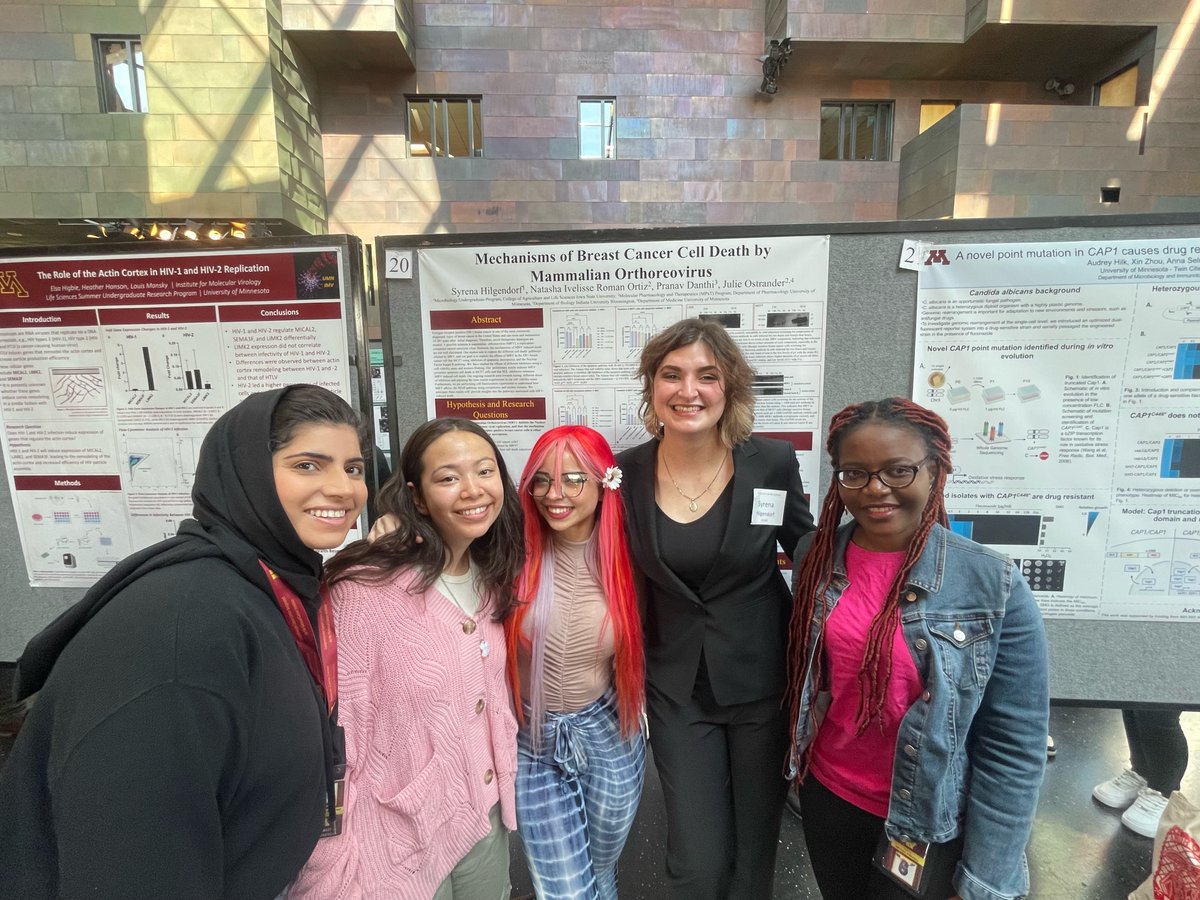
Congratulations to Syrena on her @UMNCancer poster presentation and completing her #LSSURP#CREATE summer research! I love to see the lab showing up to support each other! #ProudPI
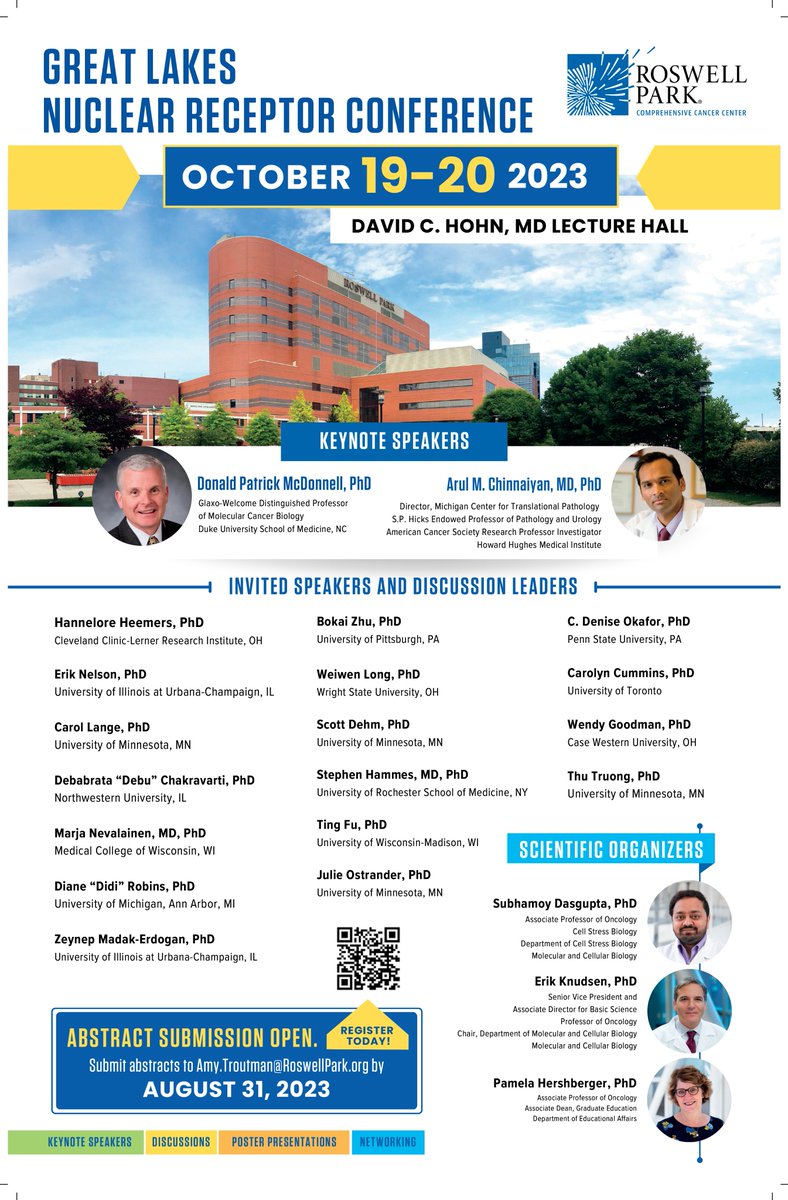
We're excited to announce the invited speakers for this year's Great Lakes Nuclear Receptor Conference! Abstracts now being accepted; for more information go to https://t.co/gdzoBLxtO0
@NaasaUfondu@mjsikora Lovely thread, Chinasa! I'm happy to hear you had such a great experience. In also interested to hear more about the riverboat cruise. Fun!
First up, Chinasa Ufondu in @OstranderLab and in collab with @mjsikora looks at drivers of E2-induced ILC in the mammary intraductal (MIND) model. Elegant genetic approaches that will help us understand how CDH1 loss contributes to ER biology in this unique subtype 2/
First up, Chinasa Ufondu in @OstranderLab and in collab with @mjsikora looks at drivers of E2-induced ILC in the mammary intraductal (MIND) model. Elegant genetic approaches that will help us understand how CDH1 loss contributes to ER biology in this unique subtype 2/