Among patients with immune checkpoint inhibitor–related cutaneous adverse events, dupilumab therapy was associated with lower 5-year mortality compared to no dupilumab or systemic corticosteroids.
https://t.co/7SaH03bhCb
Very excited by our results @Nature showing that IL4R signaling is strongly enriched in myeloid cells that infiltrate mice and lung cancer lesions https://t.co/Nnjc7ue96y
ChatGPT scored ~40-60% across the USMLEs. N is low (~100), so CIs are large (+/- 10%).
While promising, an LLM that underperforms 99% of med students under ideal conditions (answer choices given, complete info, and text only) has much room to grow.
https://t.co/wR6jLIEIKM
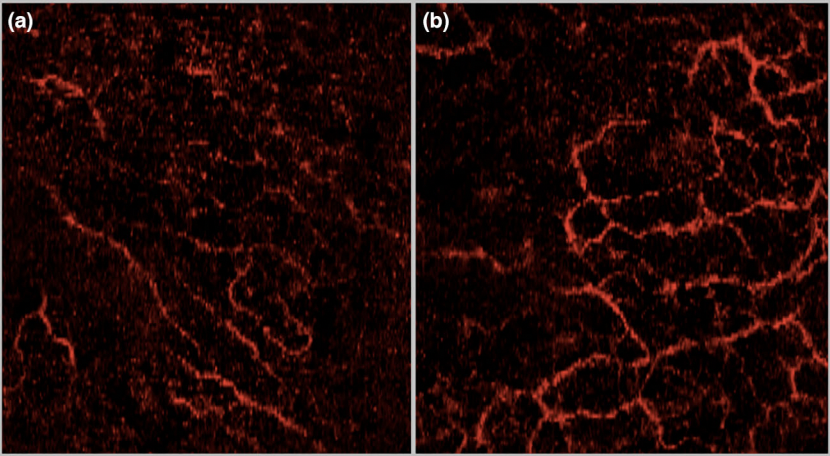
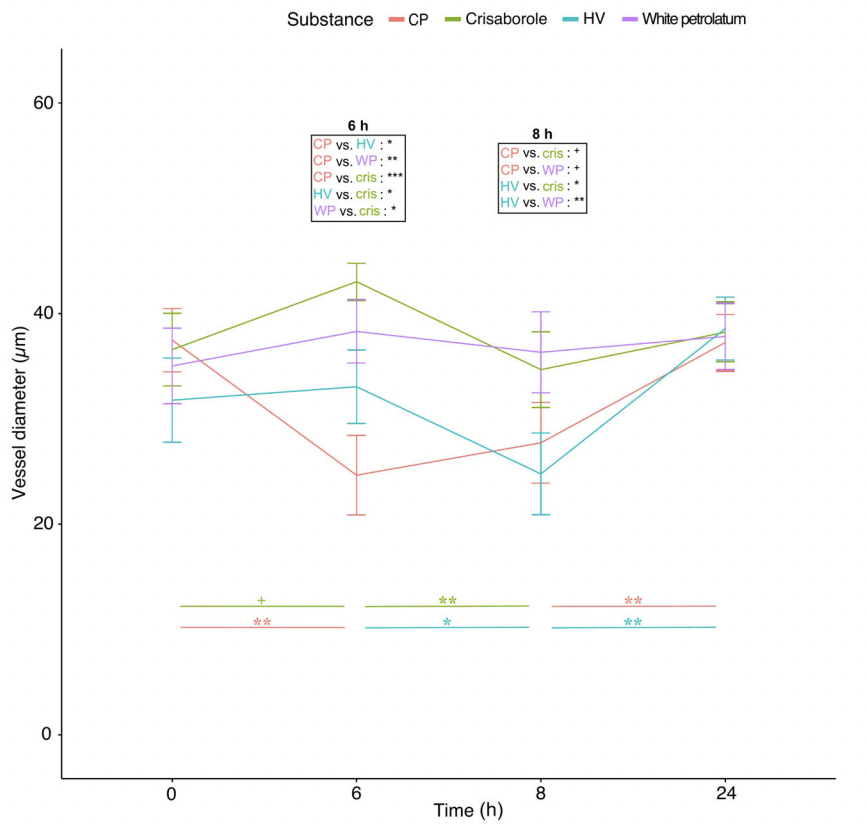
The vasoconstrictor assay is a useful technique for comparing potency/bioavailability of topical steroids. The catch? It depends on blanching & often excludes SOC. We explore using D-OCT to directly measure vasoconstriction in all skin types. #dermtwitter
https://t.co/wF0HZkITfI
Happy to share our recent work, a collab between @MSHSDerm & @TischCancer, examining #dupilumab’s role in treating rash from a key #myeloma drug and its impact on the malignancy itself. Always grateful for the mentorship of Dr. Nicholas Gulati #dermtwitter https://t.co/PUSa8OFUHt
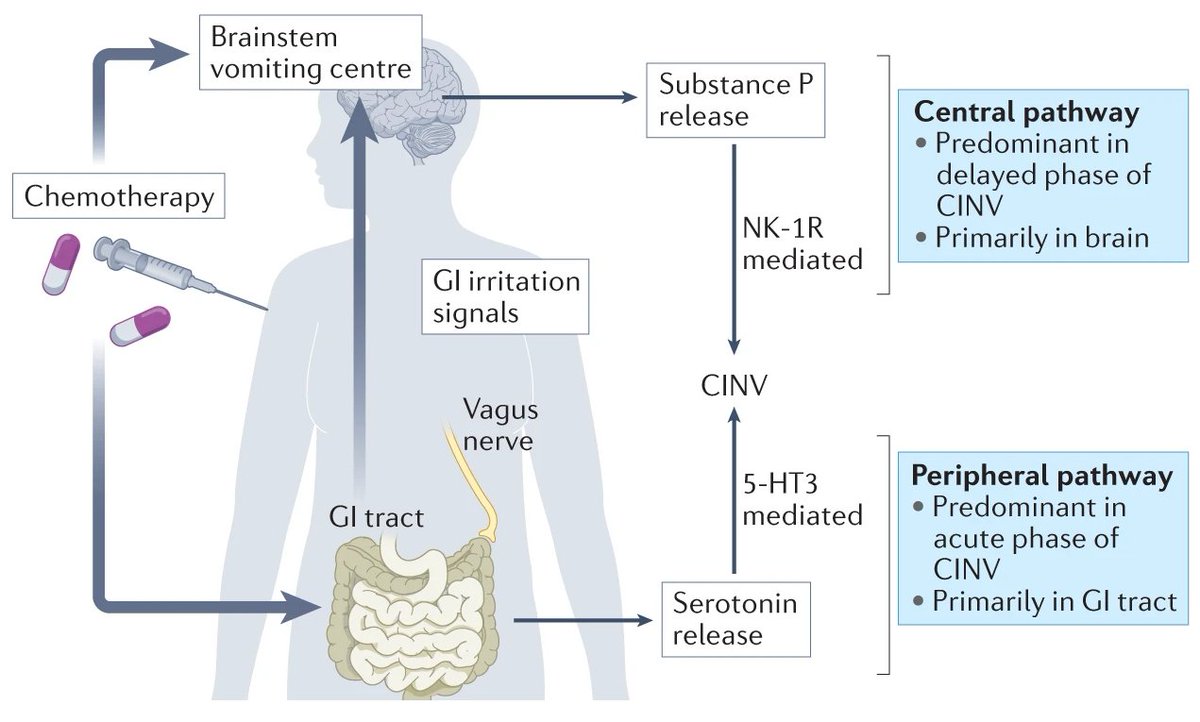
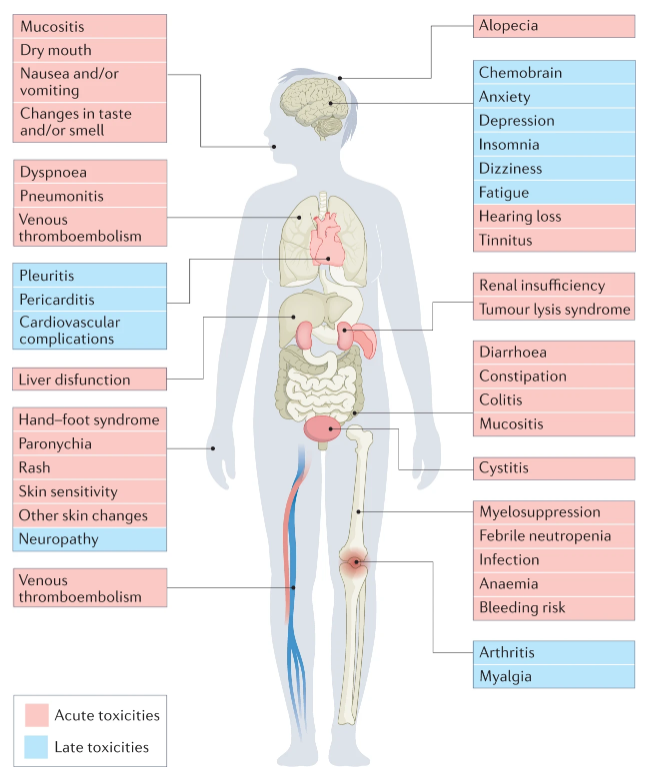
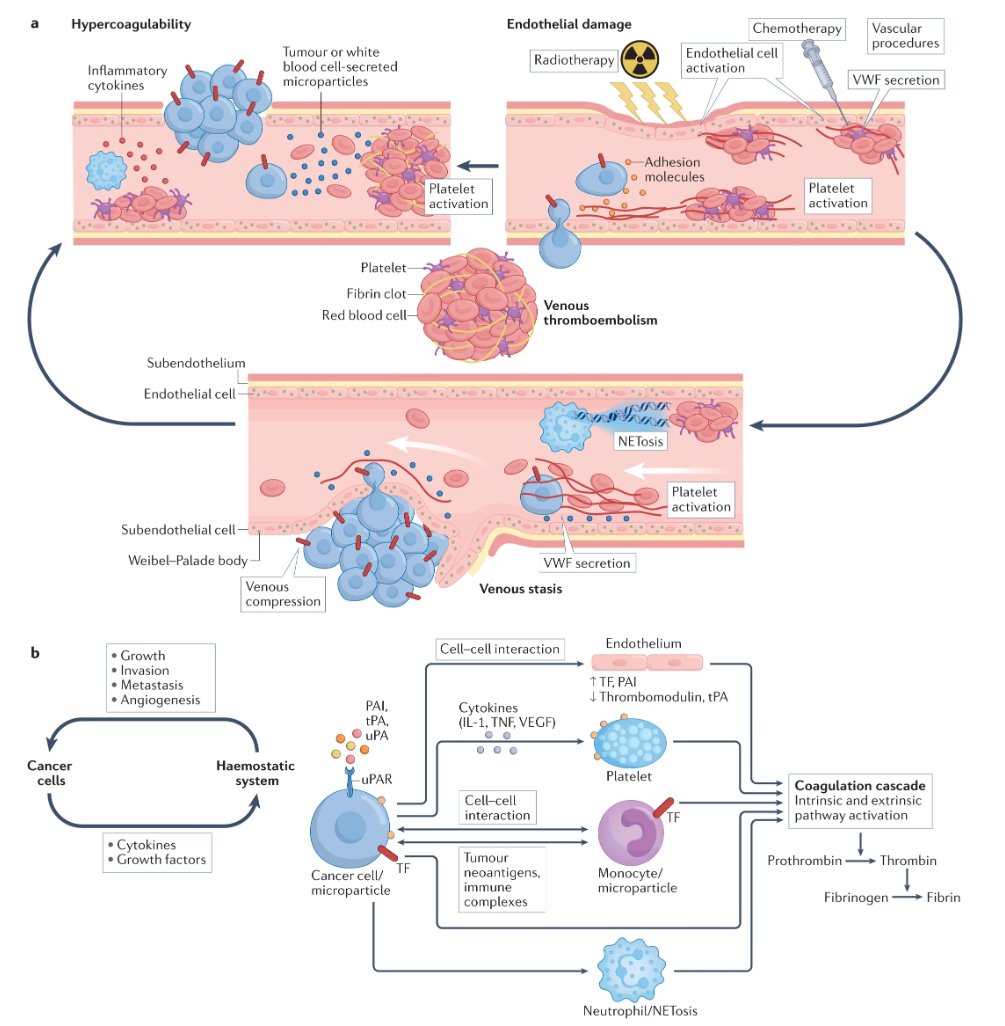
In a Review now online, @NicoleKuderer, @ADesaiMD, @maryam_lustberg and @gary_lyman explain the most common acute toxicities in patients with cancer receiving chemotherapy and discuss management options: https://t.co/WUcOXGTJ8I
Cutaneous side effects are one of the most common side effects to occur secondary to cancer treatment.
My colleague @MilanAnadkat is speaking for Patient Advocacy Strategies on EGFR inhibitor-induced skin side effects on 10/4.
Plz share with any pts & providers who may benefit!
Looking forward to presenting results from our study with Drs #JonathanUngar#BenjaminUngar#NicholasGulati at @MSHSDerm on a novel use of optical coherence tomography with promising implications for skin of color! Registration is free at https://t.co/7RB46fsujp