本日5月31日(日)は開館日です。
もう今日で5月も終わりですね。
明日からは6月。暑い夏の始まりでしょうか。
大正ロマン館の前庭や喫茶の横では、
満開のピンク色のサツキが咲いています。
また建物の隣の池(ロマン池と命名)の周辺には、
紫陽花が咲き始めました。
季節が移り変わっていくのを感じます。
大正乙女花言葉の中には、サツキの項目がありません。
ツツジの花言葉は掲載されています。
不思議です。
今朝の通勤中、大正ロマン館へと続く道の山ぎわに、
ニホンザルの親子を見かけました。
奥の山にはサルの群れが隠れているのでしょうか?
大正ロマン館の周辺には、イノシシ、シカ、タヌキ、
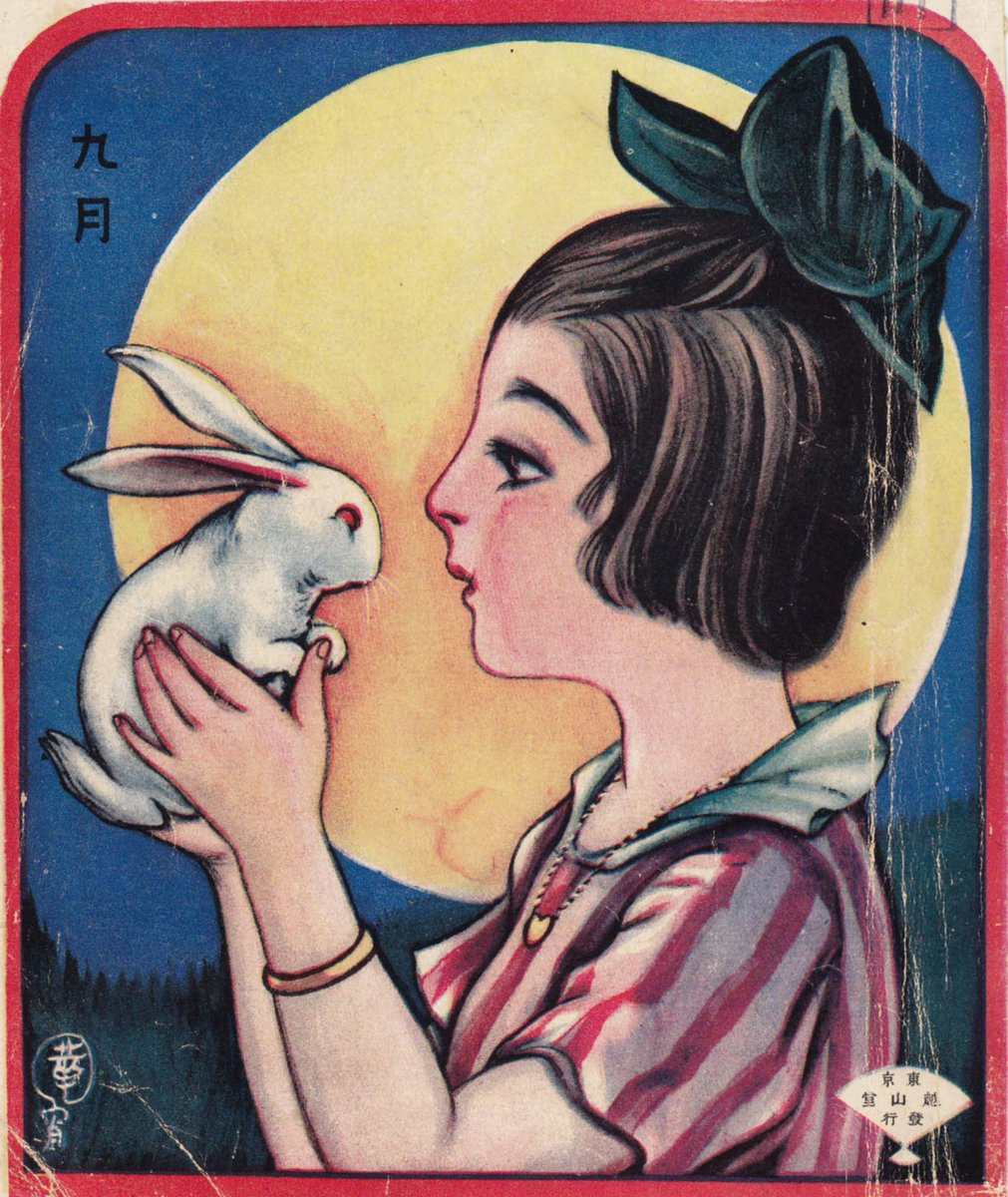
ウサギ、イタチ、キツネなどなど、
色んな動物がいます。
自然が豊かな環境にあることを、改めて思いました。
次の開館日は6月6日(土)、7日(日)です。
「花の静けさが彼女のものとなる
The Story of Flowersー」展は、
いよいよ来週が最後です。
6月6日16:00〜は哲学カフェ@カフェ・カショーを
開催します。
テーマは「涙」。ぜひご参加くださいませ。
みなさまのご来館をお待ち申し上げます。
Today, Sunday, May 31, the museum is open.
It is hard to believe that May has already come to an end. Tomorrow marks the beginning of June—perhaps the start of another long, hot summer.
In the front garden of the Kasho Museum and beside the café, pink satsuki azaleas are now in full bloom. Around the pond next to the building—affectionately named the Roman Pond—hydrangeas have also begun to flower. These seasonal blossoms remind us that the year is steadily moving forward.
Curiously, among the flower meanings featured in our Taisho Maiden Flower Language, there is no entry for satsuki azaleas, although one can find a flower meaning for azaleas (tsutsuji). It is a rather intriguing omission.
On my way to work this morning, I spotted a mother Japanese macaque and her young near the mountainside along the road leading to the museum. I wonder if a larger troop was hidden somewhere deeper in the hills. The area surrounding the Taisho Roman Museum is home to a surprising variety of wildlife, including wild boars, deer, raccoon dogs, rabbits, weasels, foxes, and many others. It reminded me once again how fortunate we are to be surrounded by such rich natural beauty.
Our next opening days will be June 6 (Saturday) and June 7 (Sunday).
The collection exhibition, When the Quietness of Flowers Becomes Hers — The Story of Flowers, will close next week, making this your final opportunity to see it.
We will also be holding our Philosophy Café at Café Kasho on June 6 at 4:00 p.m. The theme will be “Tears.” We warmly invite you to join us.
We look forward to welcoming you to the museum.
本日5月30日(土)は開館日です。
台風が近づいてきているようですが、
五月晴れの清々しい週末です。
大正時代の着物には、
多様な花文様が盛んに用いられました。
近代化の進展とともに都市生活が広がる中、
女性たちは装いを通して新しい美意識を表現するようになります。
この時代の特徴は、江戸時代から明治期にかけて
一般的であった細かな小紋ではなく、
布面いっぱいに広がる大胆で装飾的な柄行が
好まれた点にあります。
また銘仙の普及により、
鮮やかな色彩や大きな反復模様が可能となり、
花柄は従来の控えめな文様に比べて、
より強い存在感をもって表されるようになりました。
さらに、バラやチューリップなどの洋花の導入に加え、
曲線的な意匠や流れるような構成には、ヨーロッパの
アール・ヌーヴォーの影響も認められます。
少女雑誌の挿絵画家たちが描いた華やかな着物姿は
読者の憧れを集め、
そうした図像が流行感覚を後押しすることで、
実際の着物意匠にも影響を与えていきました。
大正着物の花文様はこの時代特有の
華やかで自由な感性を映し出しています。
「花の静けさが彼女のものとなる
The Story of Flowersー」展は、
残り4日間となりました。
みなさまのご来館をお待ち申し上げます。
Today, Saturday, May 30, we are open to visitors.
Although a typhoon appears to be approaching, it is still a refreshing late-May weekend blessed with clear skies.
Floral motifs were widely used in kimono designs during the Taishō period (1912–1926). As modernization advanced and urban lifestyles became increasingly common, women began to express new aesthetic sensibilities through fashion.
One of the defining characteristics of this era was a shift away from the small, repetitive patterns that had been popular from the Edo through Meiji periods. Instead, bold and decorative designs spreading across the entire surface of the fabric came into favor.
The growing popularity of meisen silk further encouraged the use of vivid colors and large repeating patterns. Floral motifs, once relatively restrained, began to be presented with a much stronger visual presence.
The introduction of Western flowers such as roses and tulips, together with flowing compositions and curvilinear designs, also reflects the influence of European Art Nouveau.
The elegant kimono styles depicted by illustrators in girls’ magazines captured the imagination of readers. As these images helped shape contemporary tastes and fashions, they in turn influenced actual kimono designs.
The floral patterns of Taishō-period kimono vividly reflect the era’s distinctive sense of elegance, creativity, and freedom.
The Story of Flowers exhibition, When the Quietness of Flowers Becomes Hers, has just four days remaining.
We look forward to welcoming you to the museum.