Hi Twitter! 👋 We're OxEd, and we develop educational assessment apps and interventions for young pupils across the UK. Follow along to learn more about our mission to improve educational outcomes for children.
DLD is a hidden yet common disability affecting 1 in 14 people, making it harder for children and adults to understand and use language. You can’t see DLD.With high quality support and understanding, we can help those with DLD thrive.
#DLD#RADLD
Today, our team came together to mark Developmental Language Disorder Day (#DLDday)!
We wore purple and yellow to show our support, took part in a fun and educational quiz, and deepened our understanding of DLD.
Read the research - Developmental Outcomes for Children at High Risk of Dyslexia and Children With Developmental Language Disorder - Snowling - 2019 - Child Development - Wiley Online Library
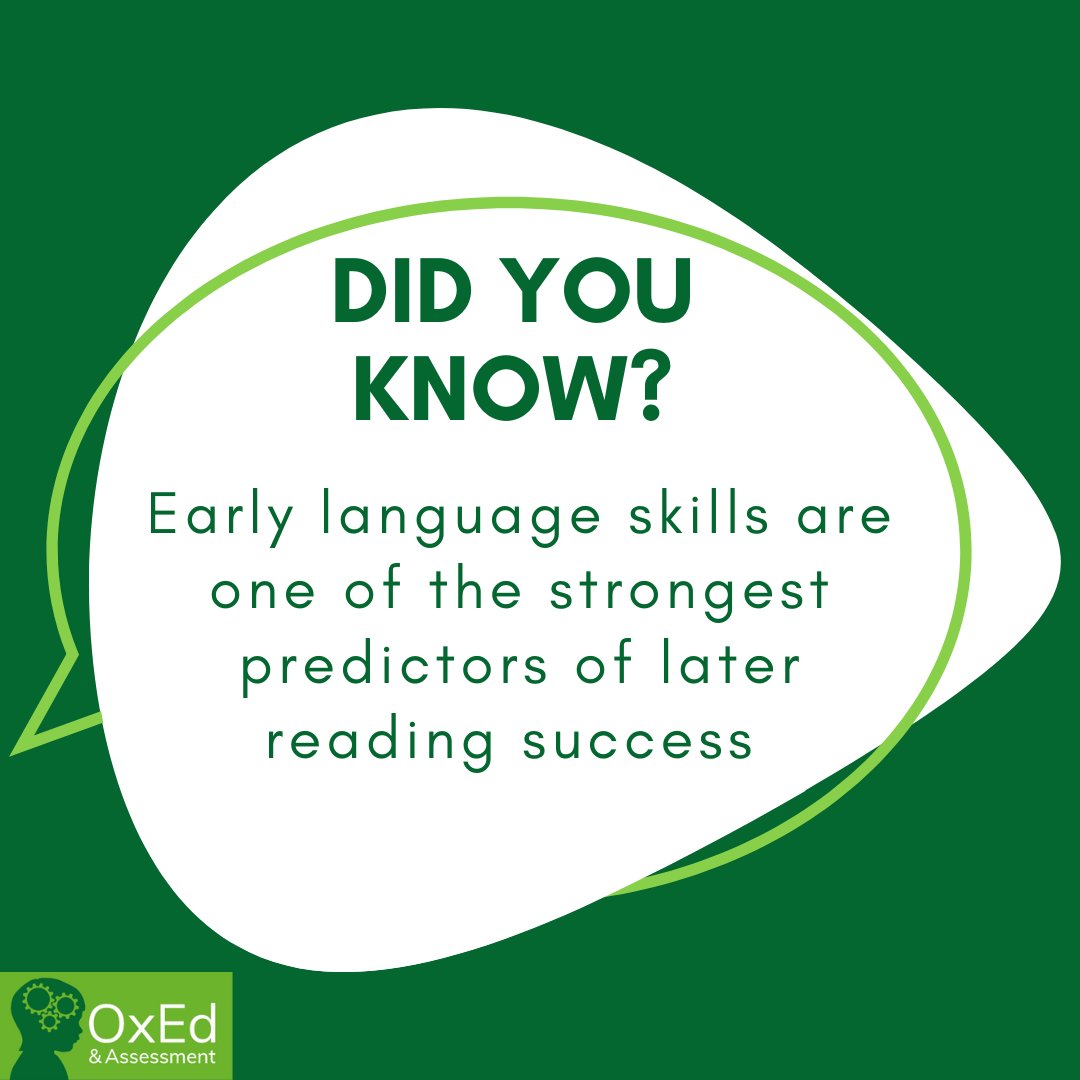
Language skills at 3.5 years strongly predict children's pre-reading skills (letter knowledge, phoneme awareness and rapid Language skills) at 5.5 years, which in turn predicts how well they can read words at the end of their first year in school.
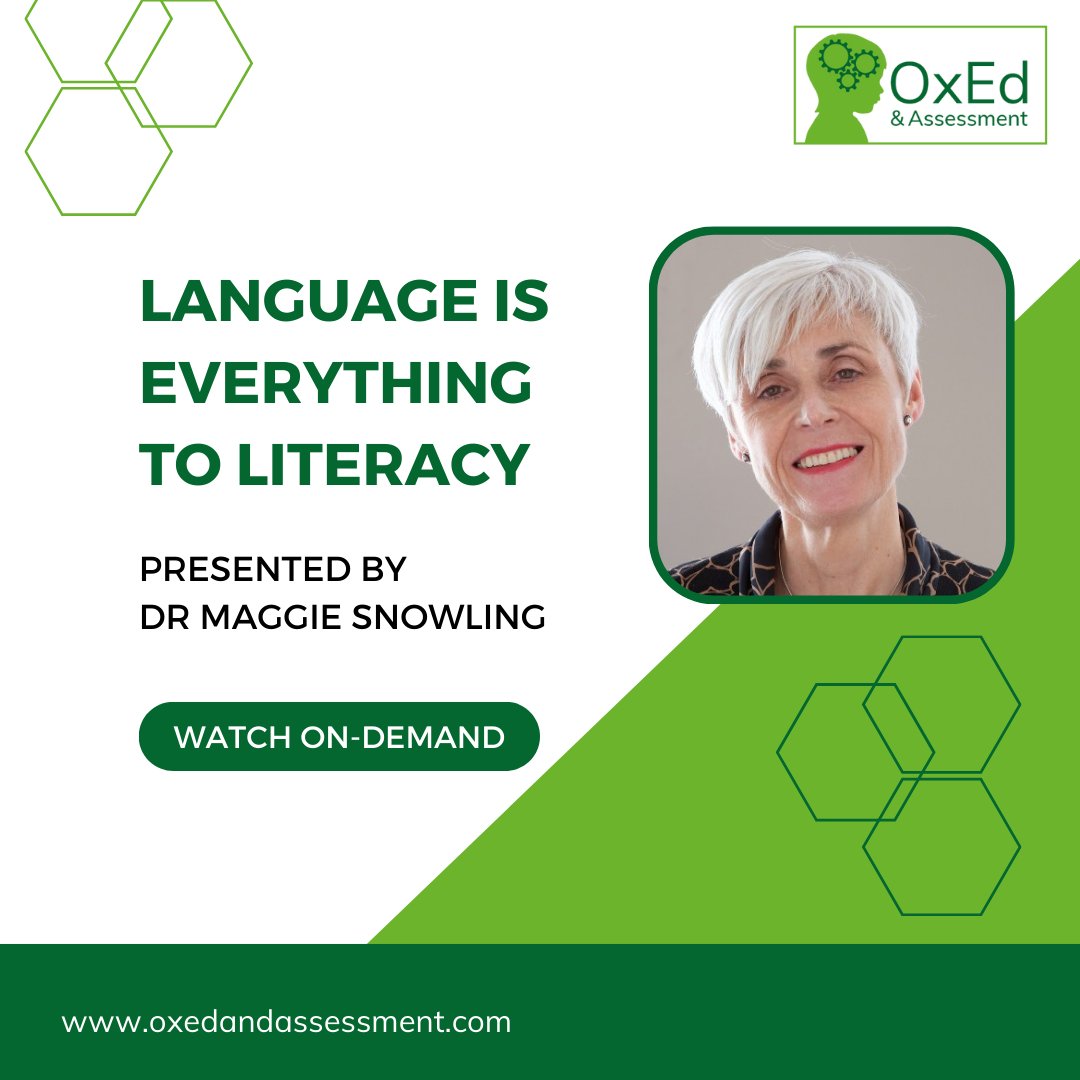
In this on-demand webinar, Prof Maggie Snowling delves into research highlighting that oral language is not just important in reading comprehension but also pivotal in the whole process of learning to read.
Learn more - https://t.co/I9OZuX8hrn
Apenas unas semanas antes, el ministro de Educación de Paraguay, Luis Ramírez, se unió a los líderes mundiales en el Foro Mundial de Educación, reafirmando el compromiso del país con el progreso educativo.ón en la primera infancia.
A significant moment for Paraguay and early education. This week, members of the OxEd team were honoured to attend the first-ever Canning House Lecture delivered by a Paraguayan President.
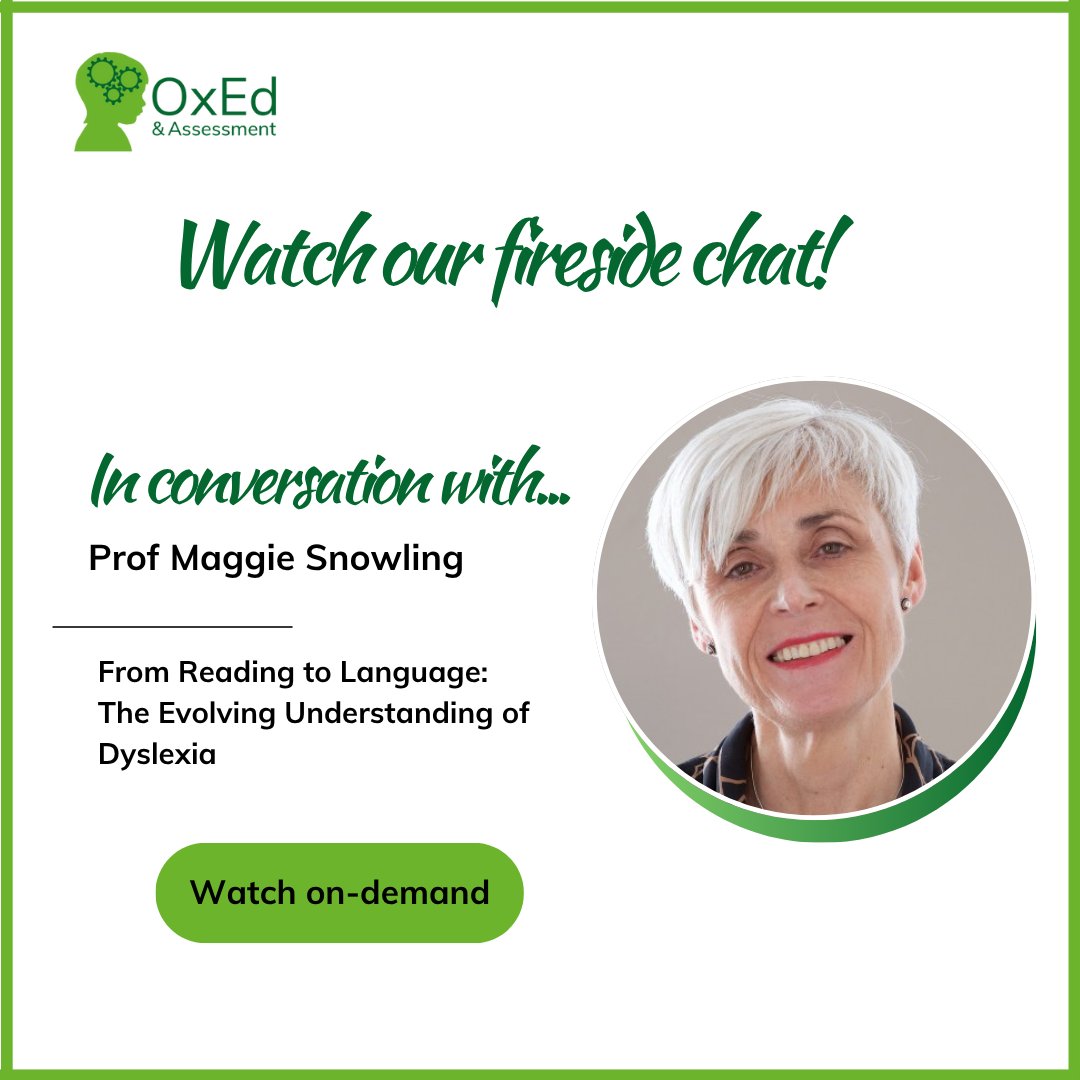
Our fireside chat with Prof Maggie Snowling was very insightful! Watch this recording where she shares her journey as a dyslexia researcher and how research is leading to an evolving understanding of dyslexia.
Watch here - https://t.co/MN2FCzvbee
Although managing the complexity of needs in schools can be challenging, an intensive focus on oral language has many long-term benefits, including reduced demand for special education support and less pressure on speech-language pathologists.
Language difficulties can have a cumulative effect throughout a person’s life. Students with poor language skills are, as adults, less likely to obtain higher levels of education, have lower incomes and are more likely to suffer from mental health problems.