🧬 New @ScienceAdvances study: Scientists benchmarked 17 machine learning methods on blood metabolites from 225,000 people to predict biological age.
'MileAge' clock predicts within 5.3 years, higher readings linked to health risks.
https://t.co/gfw4SUQEHt
🍷 Why stick with Dry Jan? A study finds alcohol speeds up epigenetic ageing- damaging DNA, brain, and body. Quitting slowed ageing, improved inflammation, and reduced stress. t’s not just detox—it's a chance to rethink, could Dry Jan become Dry 2025? https://t.co/5huxVzWdE3
Announcing another pioneering speaker for the #SmartAgeingSummit2025: Sir @muirgray , OLP Board Member, Former NHS Knowledge Officer, and author of The Walking Cure (available March 2025). Find out more about the Summit and all the speakers at the link: https://t.co/8uVE4LlYo3
🧬 Launching today: Monthly deep-dives into the science of ageing!
First up: Meet the 12 'Hallmarks of Ageing' - the cellular processes that drive how we age. From DNA damage to cellular 'zombies', we're making the science accessible.
Visit: https://t.co/Wf4csK8dQs
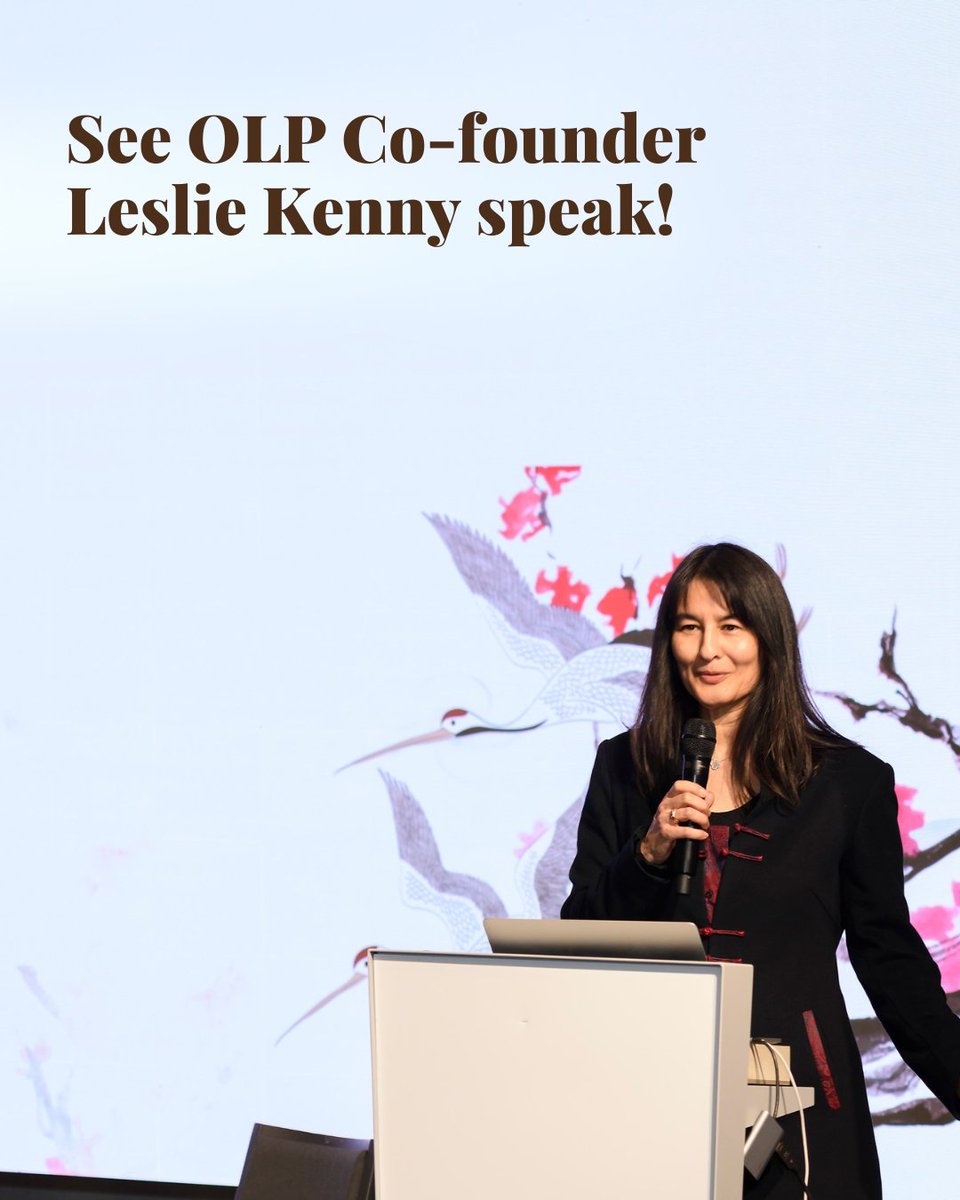
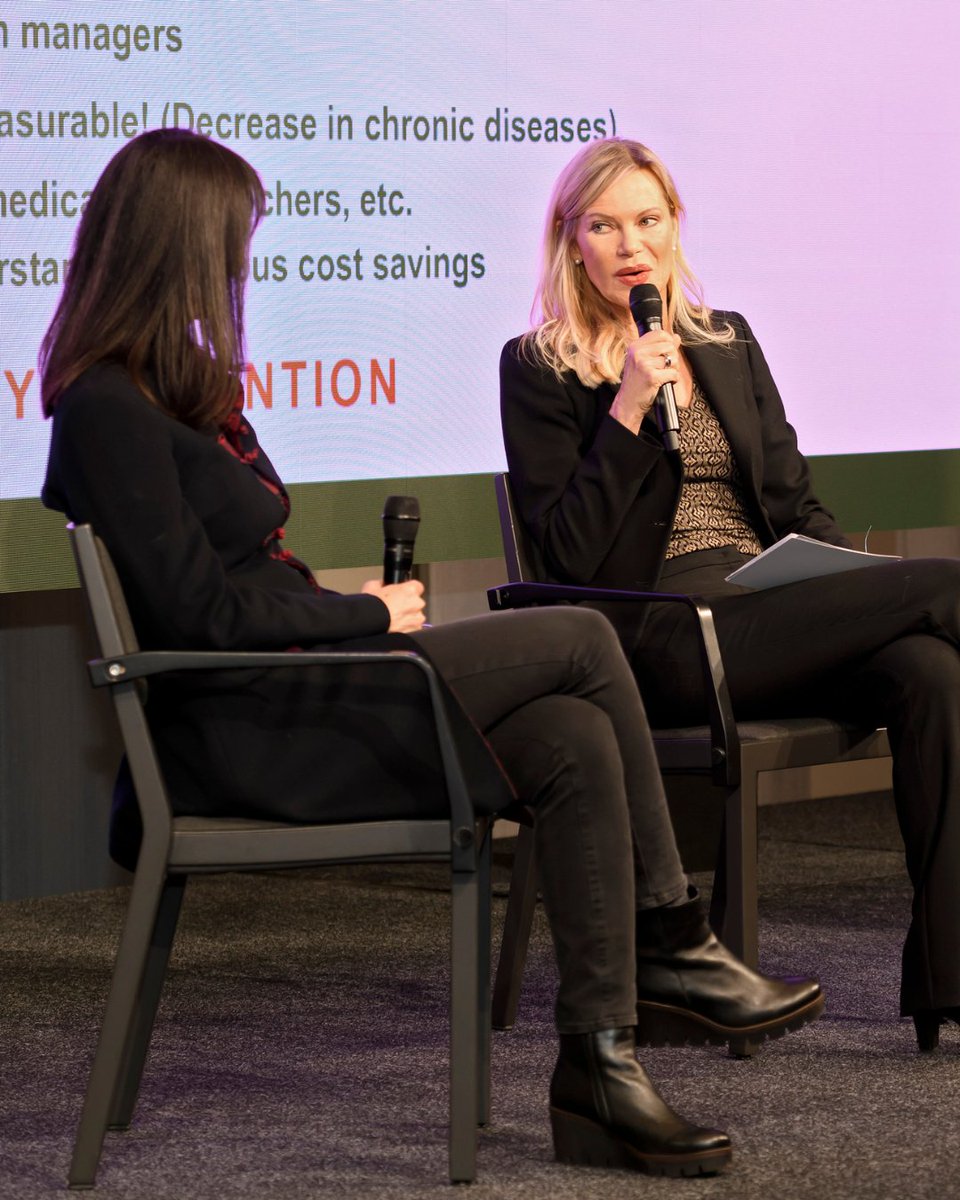
Leslie spoke at #SwissLongevityDay2025 in Zurich, sharing insights on healthy ageing. From BHRT & gut health to muscle health & preventive care, the event was full of groundbreaking discussions. Don’t miss Leslie’s TEDxOxford talk on Feb 2! https://t.co/ybq63EAGWO #longevity
🤗 Science backs hugging! Research shows more daily hugs = lower stress hormones (cortisol).
A great excuse to hug your loved ones today on #NationalHugDay!
Study: Romney et al found more hugging significantly reduces the body's stress response. https://t.co/vNfefvTHtb
In his @congresofuturo speech this weekend, OLP Co-founder Prof Denis Noble, 88, challenged the foundations of genetic reductionism and highlighted the role of cell membranes and holistic systems as keys to understanding life. More about Denis here: https://t.co/jZ1zp7tMHs
SCIENCE SPOTLIGHT: Did you know that calorie restriction promotes longevity?
But, how it works on a cellular level is still not clear. New research by Qu et al determines a key player in the pathway: a metabolite called Lithocholic Acid (LCA). Read more: https://t.co/sB1C1lTsZg
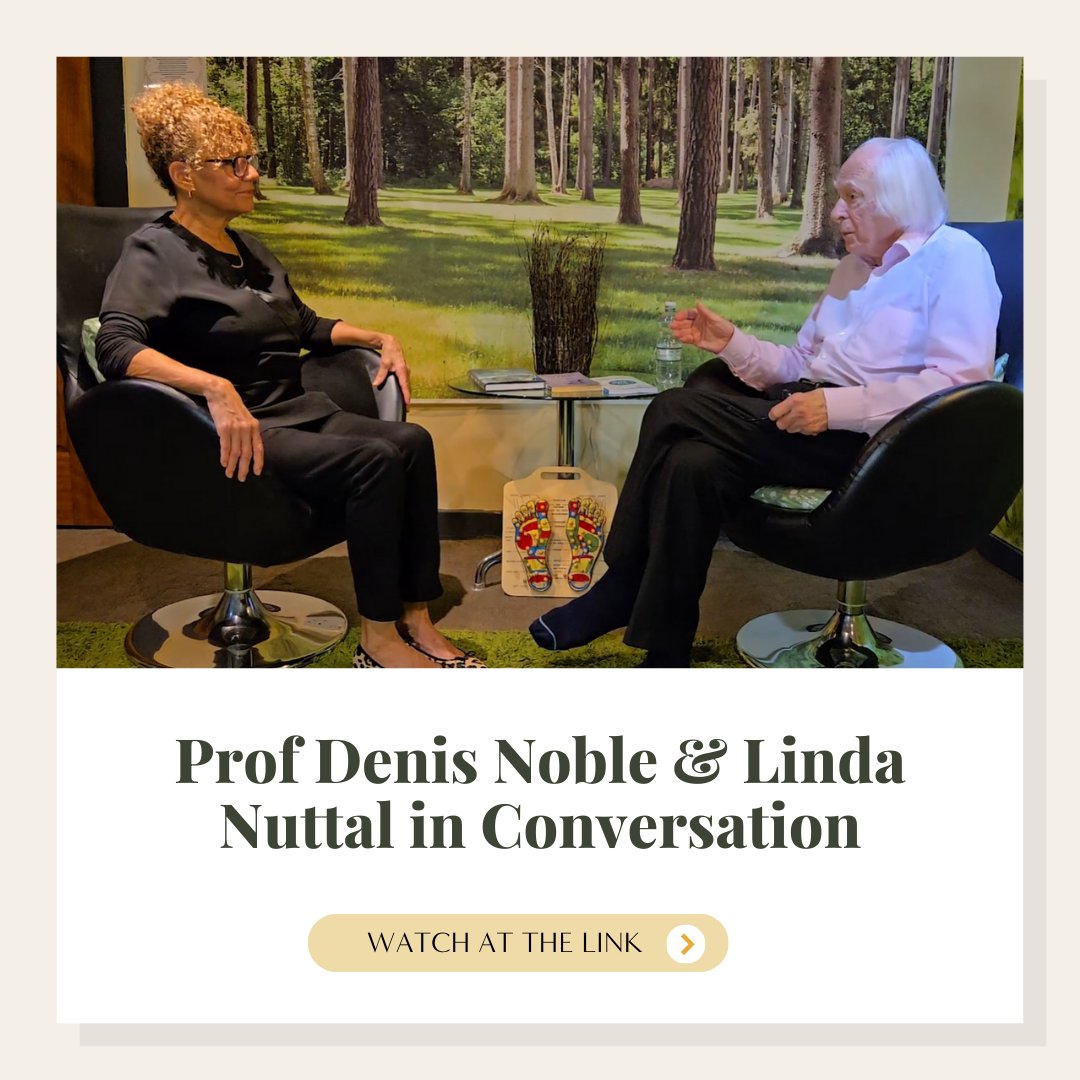
Curious about complementary therapy? Watch OLP Co-founder Denis Noble & therapist Linda Nuttal explore holistic wellness approaches in this fascinating conversation. Head to https://t.co/XXbZM25m63 (scroll to bottom) 🧘♀️✨ #Wellness#HolisticHealth
Key takeaway
Quality sleep is essential - it's when your body repairs cells and releases growth hormones, directly impacting longevity.
Constant fatigue isn't normal. Track symptoms and check with your doctor if tiredness persists.
#Sleep#Health
🧵 Why are you always tired? Science explains the top reasons
The big ones:
• Poor sleep (< 7 hours/night)
• Nutrient deficiencies (iron, B vitamins, D, magnesium)
• Chronic stress
• Medical conditions like thyroid issues or sleep apnea
Lifestyle factors play a huge role
• Over-caffeinating (disrupts sleep)
• Dehydration
• Poor diet (processed foods, high sugar)
• Sedentary behavior
• Irregular sleep schedule from shift work
In one of the first studies of its kind, researchers used GIS + machine learning to analyze environmental patterns in regions with higher centenarian populations.
Findings link longevity to elevation, terrain type, soil composition, and clean water.
🔗 https://t.co/EsRBo3R1MF
❄️ Did you know that cold exposure could help activate your longevity pathways? Don't miss tomorrow's newsletter as we explore how to safely harness the power of cold for your healthspan.Don't miss it! Sign up here: https://t.co/s7TO8ap4DD
"...It should provide a huge amount of food for thought, not least for Japanese policymakers when they see its results."
--Prof. Roger Goodman, Oxford University
More findings: https://t.co/h0w0WtEwWN
"By all objective measures, the Japanese are one of the healthiest populations the world has ever seen, and they have one of the world's best healthcare systems. And yet, when asked how they feel about either, they tend to be much more negative than other societies..." 🧵
"...and a belief that avoiding complacency and striving for continual improvement—rather than celebrating the status quo—are key elements of everyday thinking. Few surveys have demonstrated these features better than this one by the Oxford Longevity Project and @Roundglass_ ..."
🧬 New WHO study shows a concerning trend: we're living longer but our "healthspan gap" keeps growing. Average person spends 9.6 years in poor health, with US highest at 12.4 years. Time to focus on quality of life over quantity. Read more here: https://t.co/hci0z3zaEH