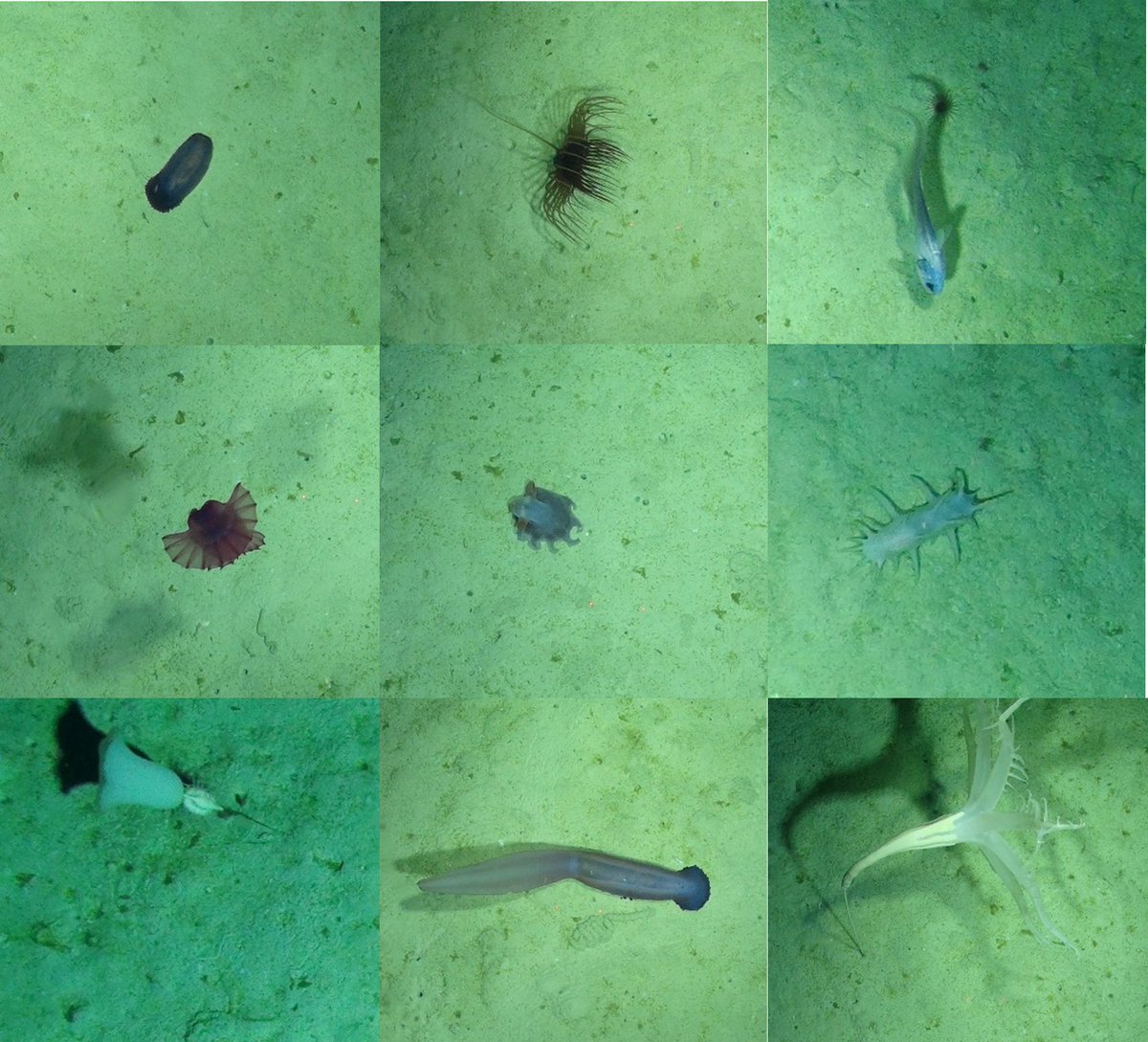
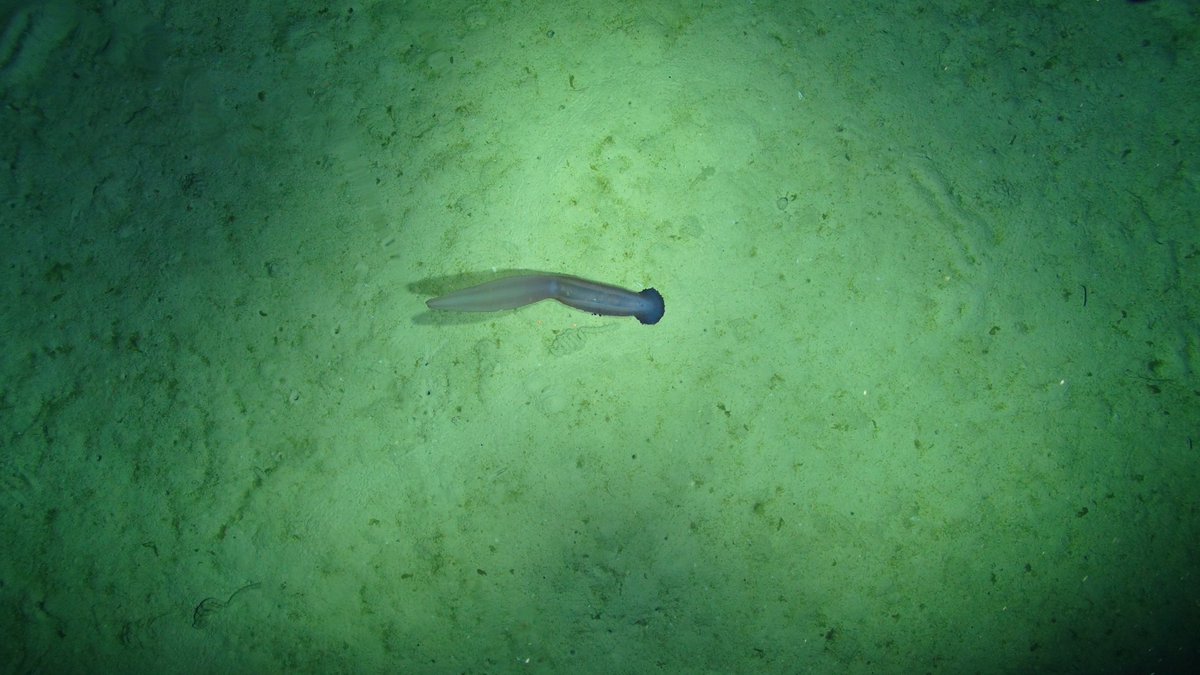
New #JC263 blog: Our eyes in the abyss - the HyBIS underwater vehicle is used for photographic survey of the seabed 4850 m below the surface @NOCnews
https://t.co/61XWCQHWid
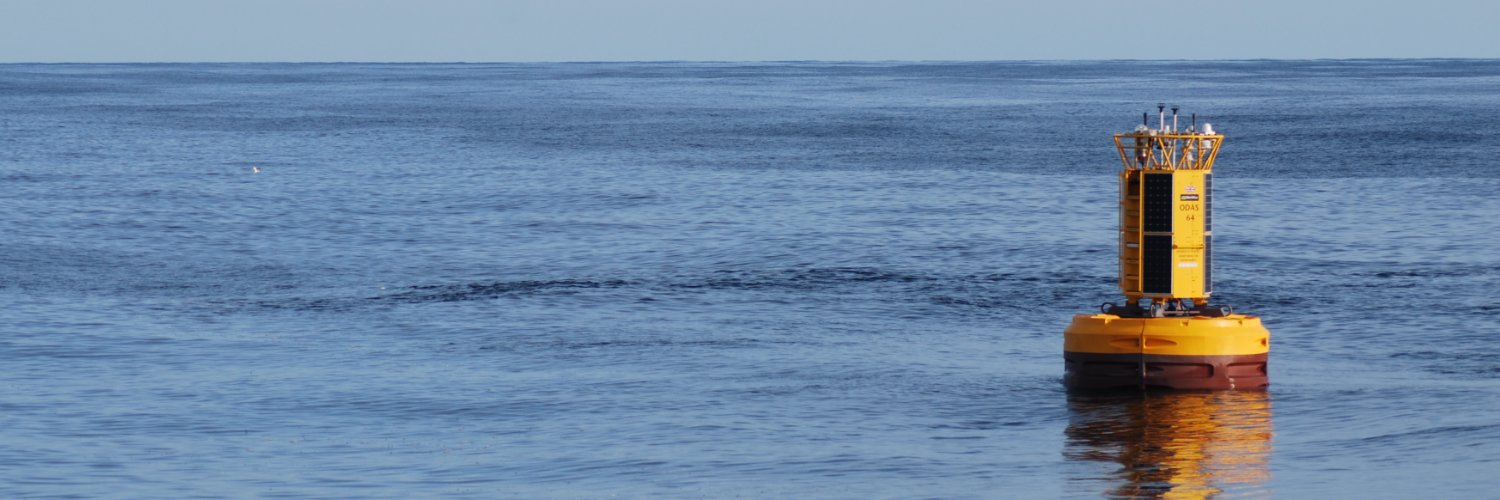
New blog about measuring upper ocean biogeochemistry at the Porcupine Abyssal Plain Sustained Observatory @OTCCO2@MinkeProject@biogeosensing @NEODAAS @NOCnews
https://t.co/p8gqxPHODi
Scientists working on #JC263 are always striving to ensure data of the highest quality in a challenging environment. International collaboration through projects such as @MinkeProject can help to achieve this.
Great to see the data coming in from the @NOCnews biogeochemistry Argo float deployed on #JC263. The profiles contribute to broad scale ocean observations and provide useful spatial coverage for PAP observatory while the float remains in the area:
https://t.co/Czak96McRn
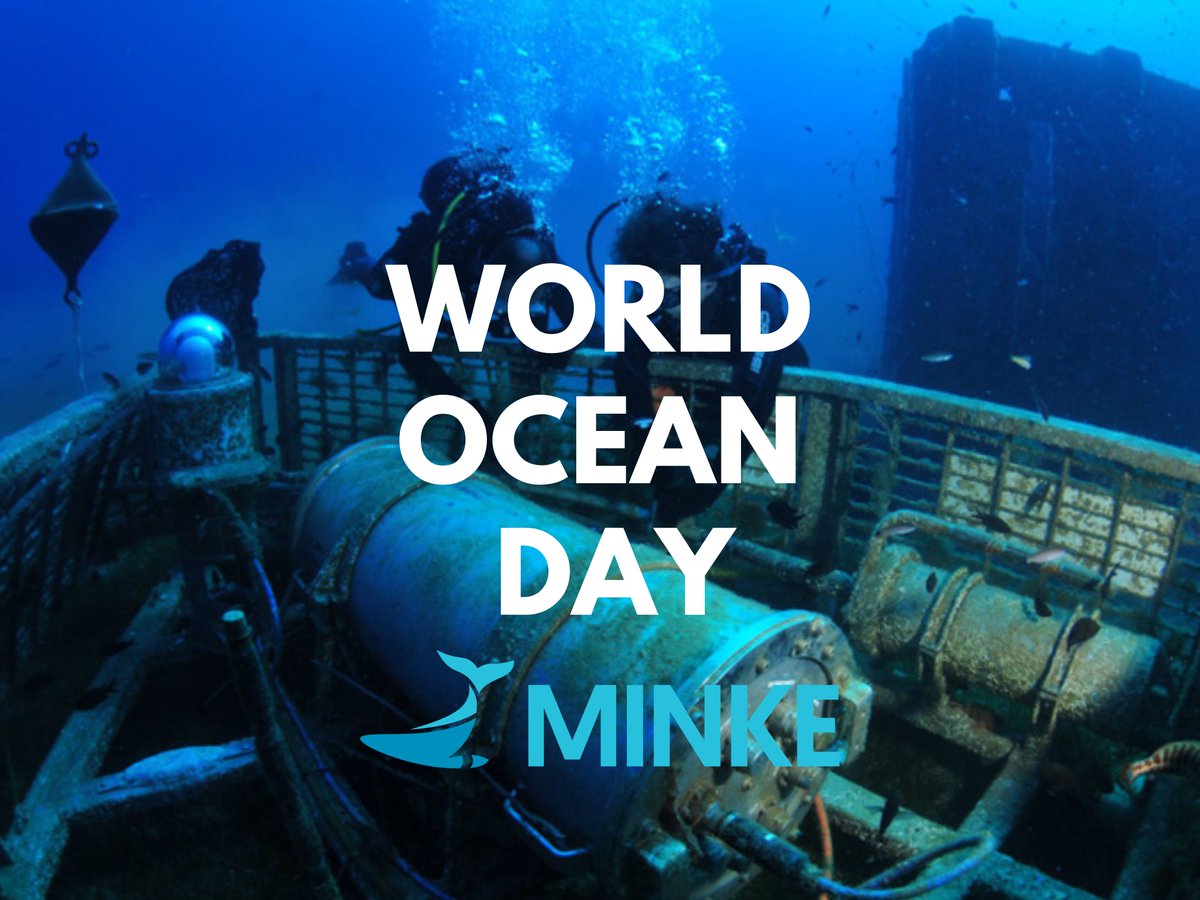
On #WorldOceanDay this year, #JC263 deployed a time-lapse camera and set of sensors to observe the activity of animals on the abyssal seabed over the next year and compare with previous deployments over the last 30 years @NOCnews
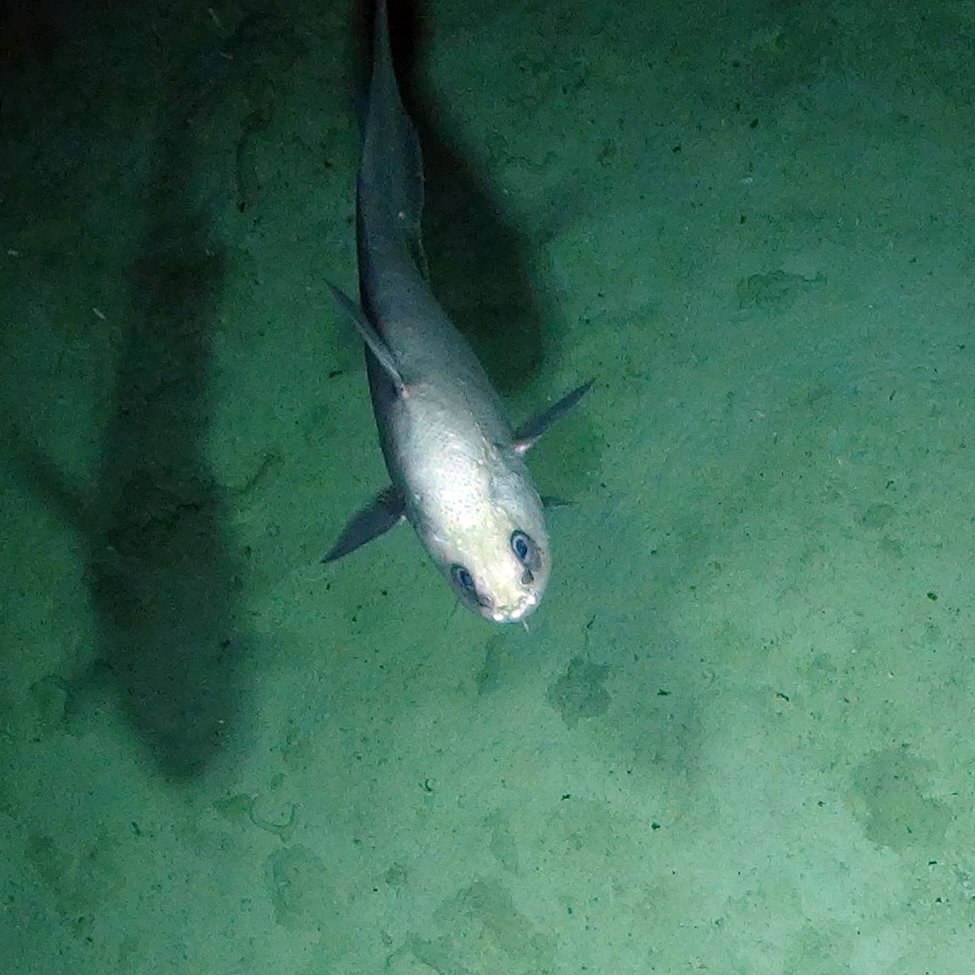
It's been an absolute privilege to take part in seabed camera work aboard the RRS James Cook for @PAP_observatory over the last week or so. Seeing a live view of the seabed nearly 5km beneath my feet never gets old - obviously the rattails are my favourite!
(IDs in alt text)
The skillful team supporting the scientific operations at sea is the focus of our latest blog from #JC263 - https://t.co/bddO1qHcKu They make it possible to collect all the data and observations required to address our scientific questions @NOCnews@MinkeProject@OTCCO2
New #JC263 blog post from @OceanEarthUoS and @NOCnews PhD student Emma Curtis explaining how and why we use deep-sea cameras to take 1000s of photographs of the seabed at our study site
https://t.co/2lerQfmkYl
In our latest #JC263 blog, PhD researcher Ehoumi Paul Sossou is making the most of his experience on his first @NOCnews research expedition https://t.co/6iQNvXFp4H
In our latest blog @livuni PhD student @deepsealucy uses biological samples from the long time series at PAP-SO to study changing food webs on the abyssal plain: https://t.co/OGxvOZoXPb @NOCnews#JC263
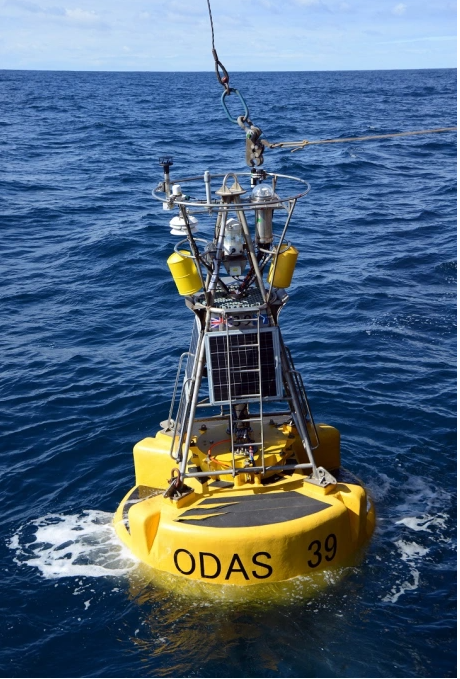
The Porcupine Abyssal Plain - Sustained Observatory (@PAP_observatory) is #DatasetOfTheWeek. RRS James Cook JC263 is on its way to PAP for its yearly trip to service the mooring & gather lots of oceanographic & benthic samples!
Data are held with @BODC
https://t.co/C0jS4I26Uy
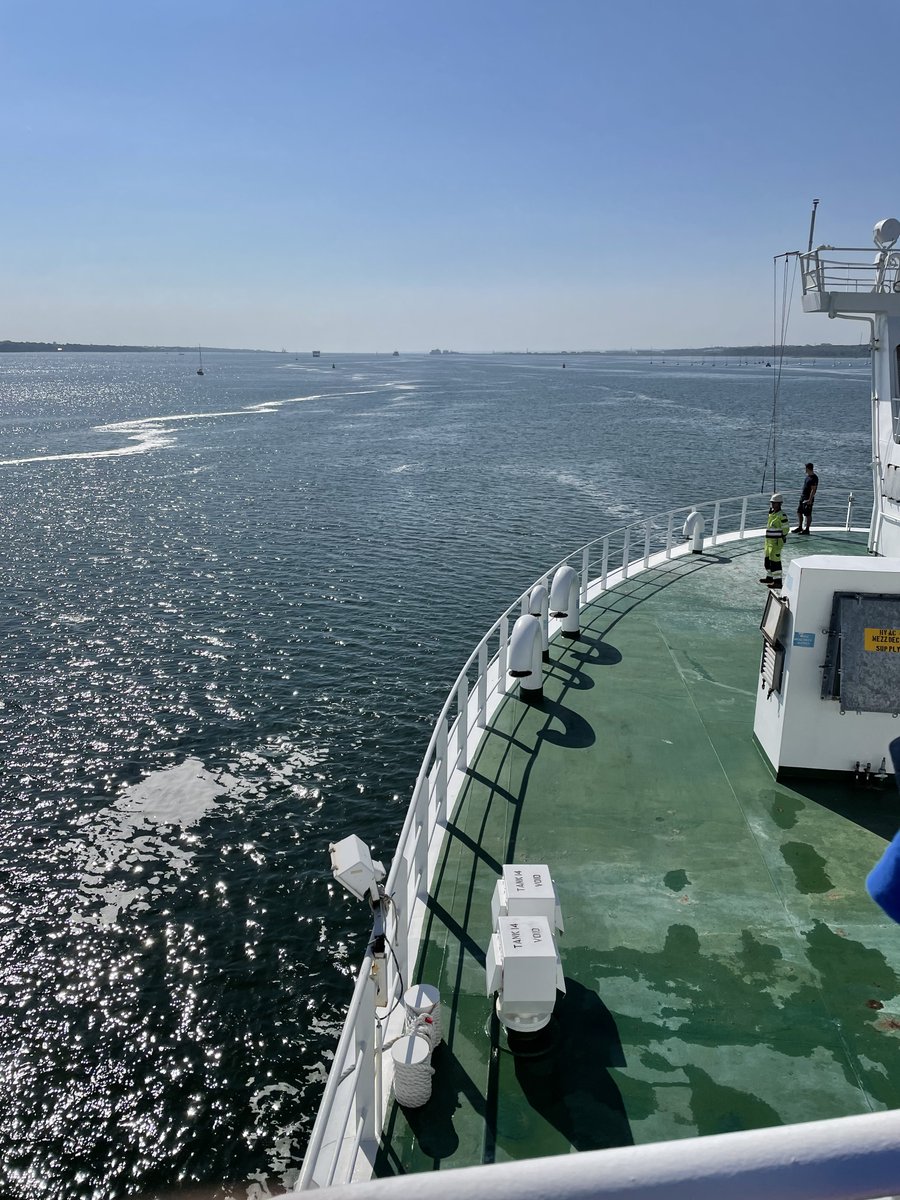
During Research expedition #JC263 the PAP-SO team will be posting updates on our blog to explain our science and experience at sea: https://t.co/ZKl5ERtxBu