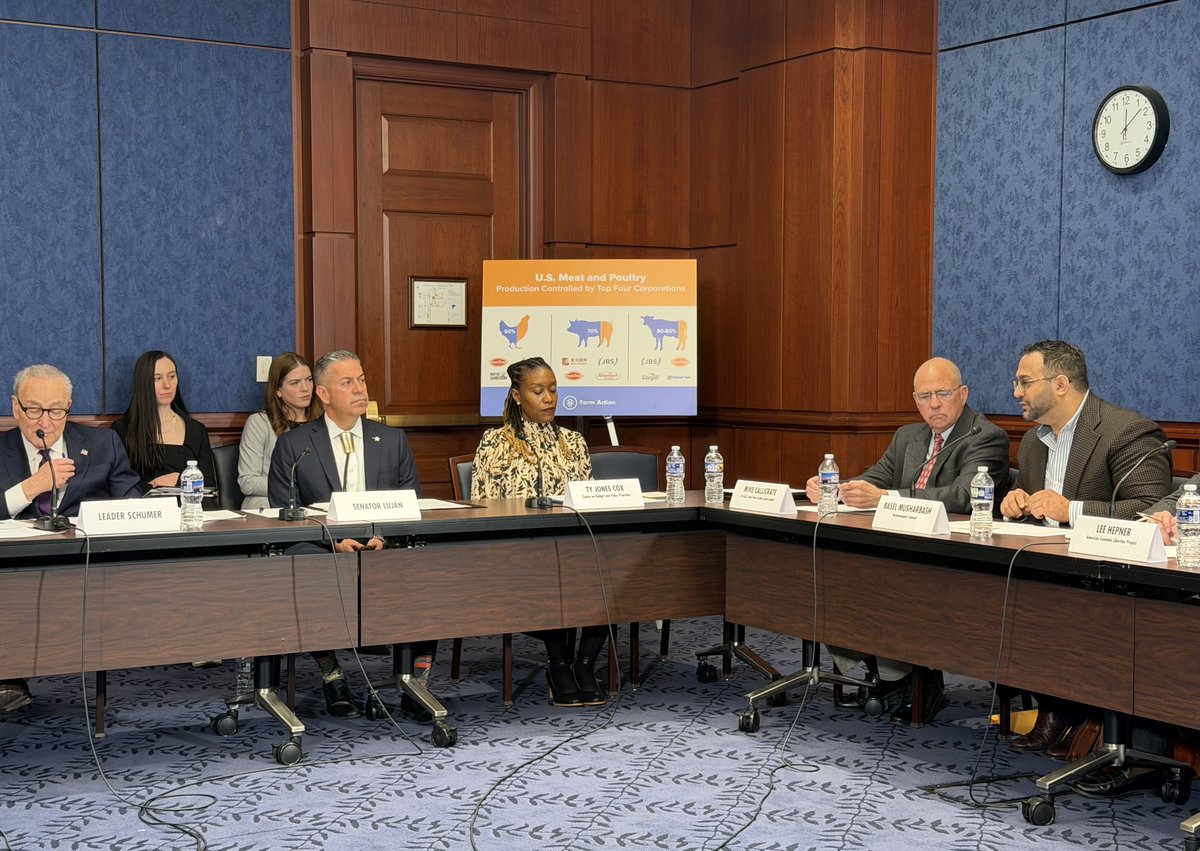
Over the past five years, I have investigated monopolization and the elimination of competition in every major industry in our food and agriculture system. Yesterday, I shared what I found with Democratic Senators at a roundtable discussion on food and household costs. I made three main points.
First, we no longer have free markets in the food supply chain. Either a single monopolist or a tight oligopoly controls each of the major industries involved in growing, processing, or distributing food in America. Four multinationals dominate the supply of seeds and pesticides for most major crops. Single firms monopolize each of the domestic markets for nitrogen, phosphate, and potassium fertilizers. One corporation wields monopoly power over new farm tractors. Five conglomerates share power over the nation’s meat and poultry supply. Four grain-trading giants have a similar power-sharing arrangement with respect to the processing of wheat, corn, and soybeans. Nearly all of the country’s fluid milk comes from just three companies, a super-majority of egg production is controlled by just five companies, and similar concentrations pervade the fruit-and-vegetable processing industries. Meanwhile, four national chains now capture nearly 70% of all grocery sales in America.
Second, these autocrats of trade — and the strategies they use to stay in power — are the primary drivers of today's unaffordable food prices. For example, the seed and pesticide oligopoly led by Bayer has trapped grain farmers into dependency on a narrow set of glyphosate pesticides bundled with GMO seeds by creating “patent thickets” around key technologies and deploying predatory strategies to disable innovation by independent firms. As a result, over the past two decades, this oligopoly has charged skyrocketing prices for seed-and-pesticide bundles whose efficacy is declining and that, to add insult to injury, seem to give farmers cancer. Not to be outdone, the fertilizer monopolists have used their control over key mineral inputs and key distribution channels to muscle out rivals. As a result, they’ve been able to engineer chronic fertilizer shortages and keep fertilizer prices high for nearly two decades — giving them Apple-level profit margins of 30-40% on products they haven’t improved in over half a century. All of these additional costs to farmers ultimately increase prices for consumers.
And the abuses of power are only worse among processors and retailers. Since the 2000s, the meat and poultry oligopoly has repeatedly used coordinated plant shutdowns to push livestock prices down while keeping beef, pork, and chicken prices high. A similar story has played out in the egg industry, where a few dominant producers have used a mix of collusion and coercion to throttle industry output and maintain a near-chronic shortage of egg supplies for the past two decades. Meanwhile, the troika of fluid milk sellers have raised the price of bottled milk by roughly 150% since 1996, but kept the price of raw milk paid to dairy farmers in a near-permanent depression. And, of course, we cannot forget the grocery retail giants like Walmart, who — as a lawsuit brought by Lina Khan’s FTC and dropped by Trump showed — use their buying power to force suppliers to give their competitors higher prices, eliminating price-lowering competition from the market.
In short, the root cause of our food affordability crisis is that, across our food system, we've allowed central planning by robber barons to take the place of actual free enterprise. This brings me to my final point: We've been here before, and we know how to fix this fundamental problem. Like today, in the 1920s and early 1930s, a failure to enforce the antitrust laws had allowed corporate power to metastasize, leading to massive inflation even in the midst of economic depression. After examining the situation in a report to Congress, the FTC issued a stark warning: “Either this country is going down the road to collectivism,” the FTC said, “or it must stand and fight for competition as the protector of all that is embodied in free enterprise.”
America chose to fight. Over the next decade, Congress increased funding for the FTC and DOJ Antitrust Division six-fold, allowing the agencies to launch the greatest trustbusting campaign in the country’s history — breaking up hundreds of monopolies and cartels across the economy. Simultaneously, Congress acted directly to restructure critical industries through legislation — passing bills that broke up dominant firms, separated key segments of supply chains to prevent conflicts of interest, and provided financing for farmers’ cooperatives and small businesses to buy divested assets. The results did not take long to arrive. Within a decade, farmers could — for the first time in generations — buy their supplies from competitive markets and sell their crops into competitive markets. The mark-ups imposed on food products by processors, distributors, and retailers shrank significantly. Communities across the Heartland — large and small — flourished with dynamism as the iron grip of faraway corporations was lifted. A republic of free, independent enterprise was reborn.
This was how New Deal Democrats solved the affordability crisis of their era and, in the process, saved this country from snake-oil salesmen and would-be fascists. This is also how Democrats can solve the affordability crisis and save the country today. In short, I told the Senators, we already know what we need to do. We just need to do it.
he's absolutely right. they are different. started realizing it when little kids in our classrooms started wasting them or not picking them from the treat jar UNLESS they were the Miniatures. we thought we got a stale batch, then tried different sizes. the only way to describe it, is like it's a knockoff version but the Miniatures taste like name brand.
The scammers running our country want you to think that a VA nurse named Alex Pretti hated America. In reality, he was the sort of person who did this: https://t.co/HjwHUmMktB
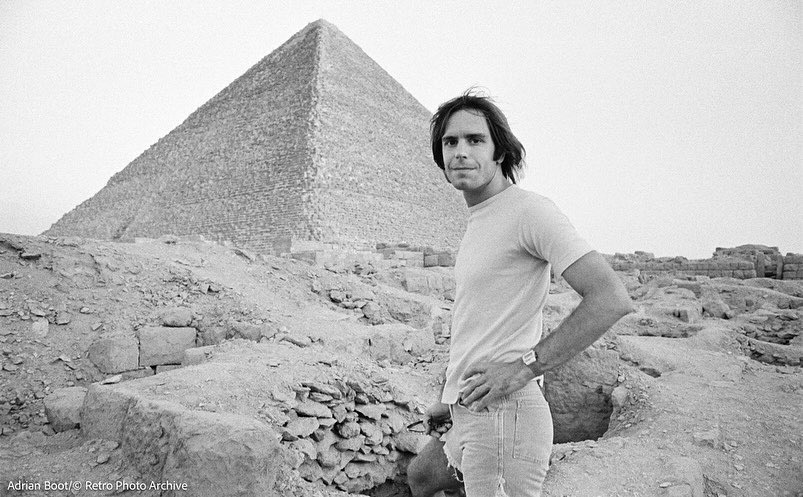
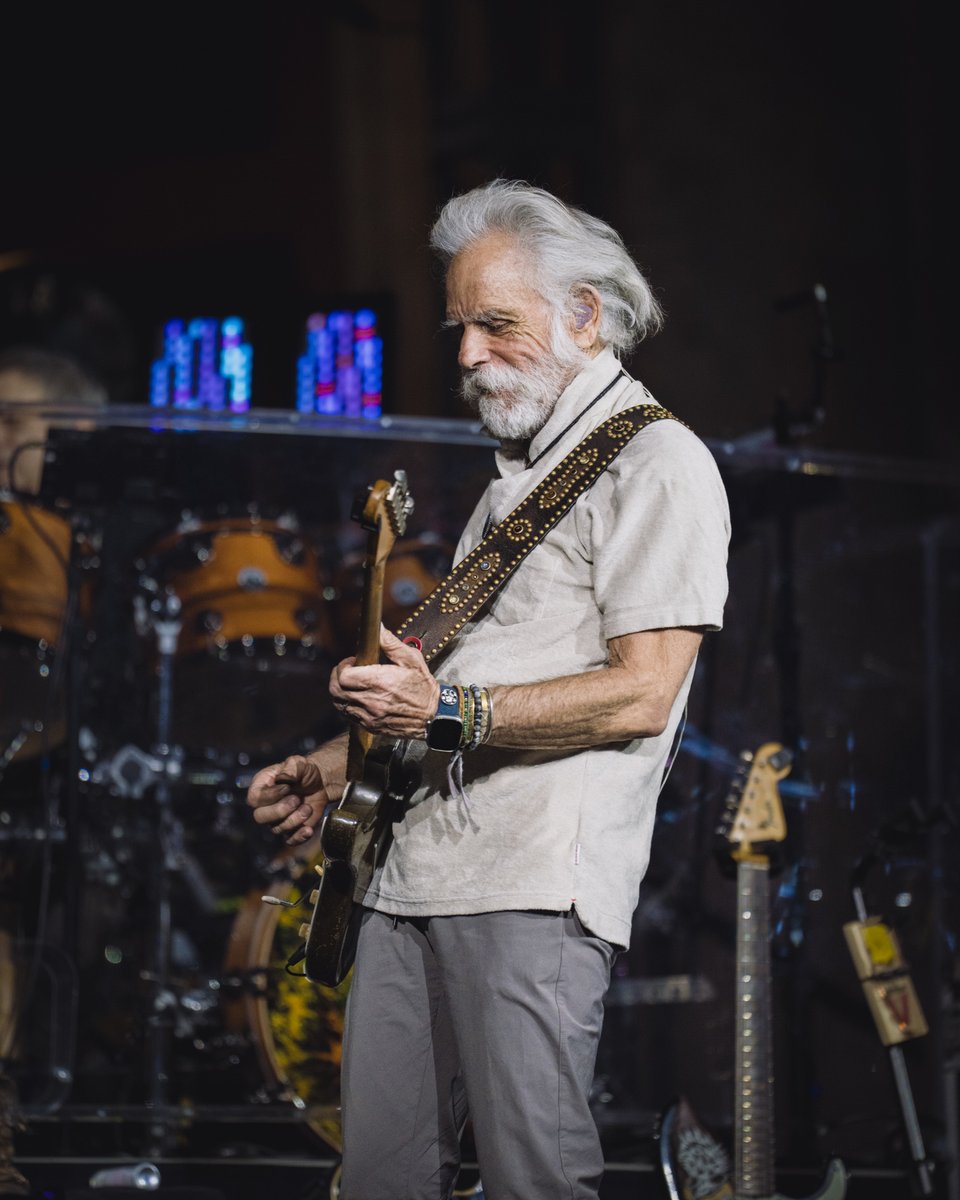
Bobby Weir, just 17 years old when he co-founded the Warlocks, was one of the very few people who was at every single Grateful Dead show. Joining up with Jerry and Pigpen in 1964, and soon after Billy and Phil, with Mickey soon to follow, the Grateful Dead were defined by each of the unique musicians and voices these guys brought to the stage. And Bobby was as unique as they come.
A guitar player unlike any other, and a songwriter who created some of the most interesting, exciting, and oddly-timed songs in rock history, Bobby was also the unabashed rock star in the Grateful Dead. His list of contributions to the Grateful Dead repertoire is way too long to list, but songs like Sugar Magnolia, Truckin', Jack Straw, Cassidy, Looks Like Rain, Playing In The Band, Weather Report Suite, The Music Never Stopped, Estimated Prophet, Feel Like A Stranger, Hell In A Bucket, and Throwing Stones are just the tip of iceberg of his songwriting magnificence.
When Bobby had a spare moment both during the Dead's 30 year performing career and after, he was always working on exciting, different projects like Kingfish, Bobby & The Midnites, Weir & Wasserman, RatDog, The Other Ones, The Dead, Furthur, Dead & Company, Wolf Bros, symphonic collaborations, recordings, performing. He never sat still, and was always moving forward, an inspiration to us all.
Watching Bobby do anything was always a joy, as he embraced life around him. First and foremost, his family gave him immense happiness. Being on stage and performing for us all showed us a man who loved to bring smiles to our faces. He didn't do anything halfway, always giving it his all.
For 60 years, Bobby has been a huge part of the soundtrack to our lives. His kindness, generosity, and musical contributions have made our world a better place. — David Lemieux
Photo by Adrian Boot @ Retro Photo Archive
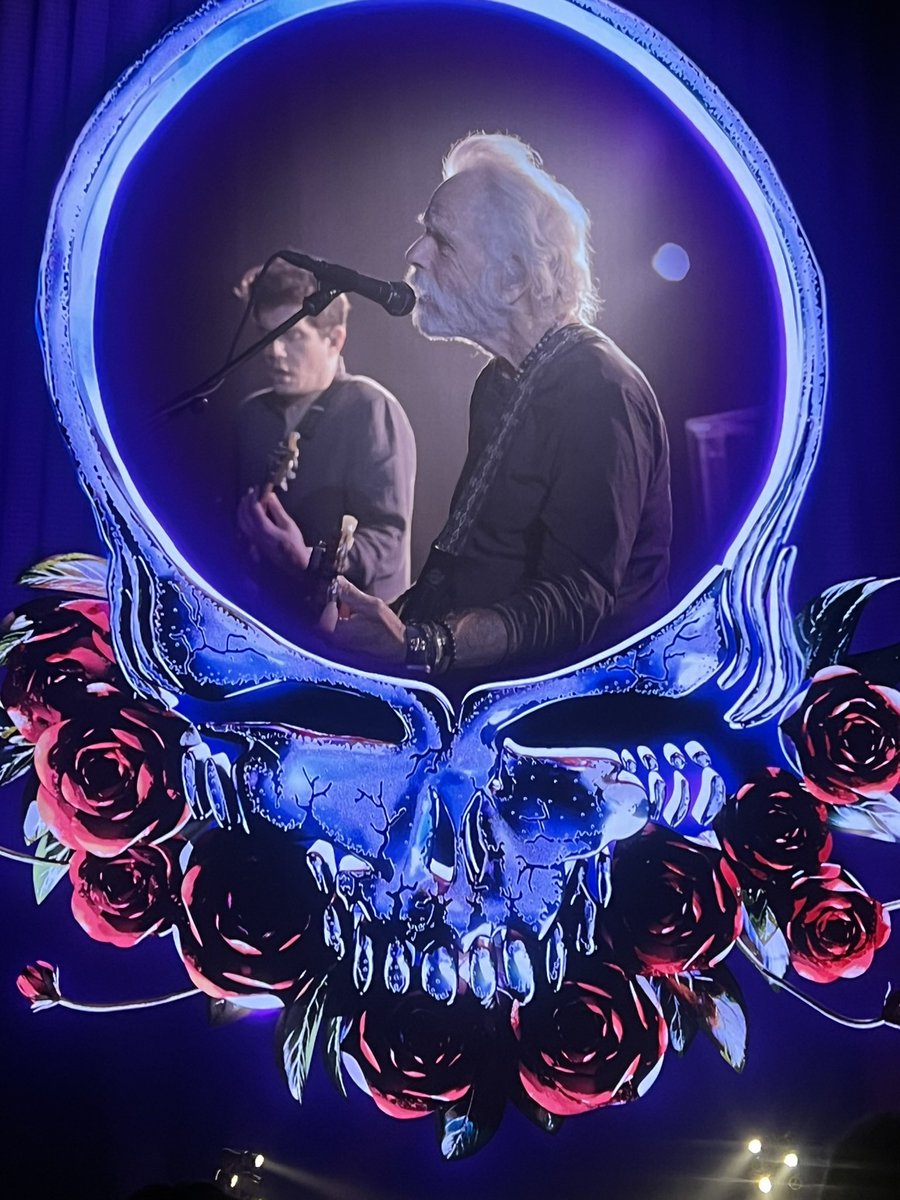
People die every day, but they won’t mint more Bob Weirs. He was the last of the best, the headlight on the northbound train, the rebellious teen who became the rambling man who became the keeper of the Grateful Dead flame. Weir helped birth the new world, watched its ruination, and spent the autumn of his life rebuilding it. Six full decades ensuring that the music never stopped. He withstood time with grit, soul, and a Boddhisattva’s Zen. And now, he's gone.
Bob, eternally sacred in the no-bullshit Stetson, straight out of a black and white Western, a dead-ringer for the last honorable sheriff in a depraved and sinister county – the last rampart protecting our society from pagan free fall. A cowboy prophet descending from Mt. Tamalpais declaiming outlaw epics about bloody shootouts in El Paso corrals, estimated prophets on burning shores, and lightning trains.
Projecting the Sinai authority of the Old Testament God, he helped birth a mythic scripture replete with winners and losers, wronged heroes and sinister villains, those haunted by death, but who remain determined to cheat the grave.
Goodbye Ace, may there be infinite Saturday nights in whatever dimension you've ascended to, one more big old party where rock and roll music meets the rising planet sun.
It is with profound sadness that we share the passing of Bobby Weir. We send him off the way he sent so many of us on our way: with a farewell that isn’t an ending, but a blessing. A reward for a life worth livin'. https://t.co/2qdBbh80v1
📸 Chloe Weir
Today we said goodbye to our precious Mr Bitty. We were told he was 10 or so 11 years ago when he came to live with us. Though he slowed in the last few years, his spirit never dimmed. We will miss you forever little dude.