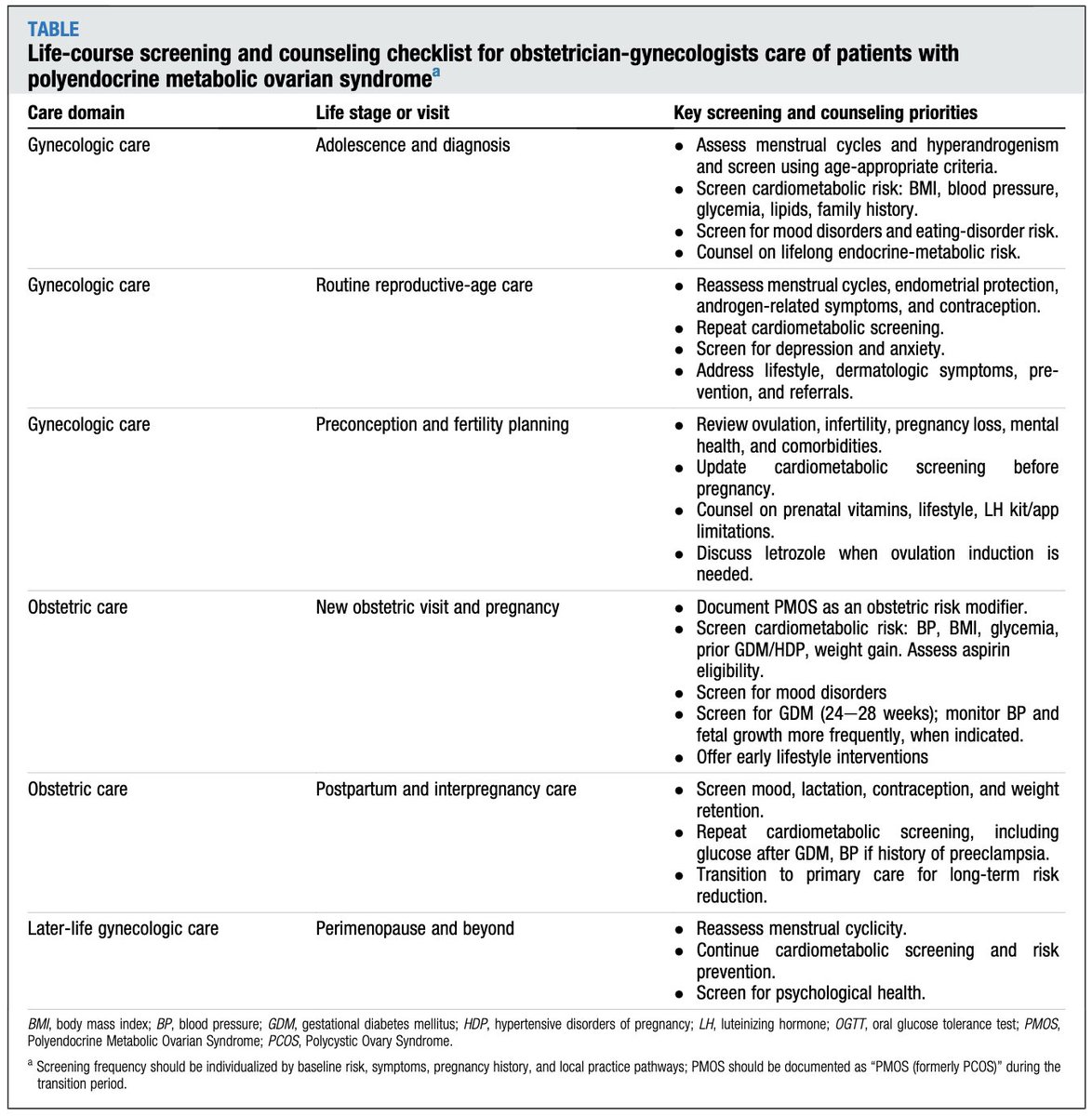
Dr John Barry explores psychological aspects of Polycystic Ovary Syndrome (PCOS) in new book | Brain Sciences - UCL - London's Global University https://t.co/oVHNiKi2z6 @UCLBrainScience@UCLPALS#PCOS@uclnews@UCL_IfWH
Greater self-report of intuitive eating practices was associated with more favorable biopsychosocial measures in women with PMOS, including higher body appreciation & health-related quality of life and lower depression & anxiety. https://t.co/ZjivAQRXlU
Dietitians can play a key role in managing nutritional misinformation, supporting patient health literacy and nutritional self-management for women with PMOS: https://t.co/0c92wuOCeY
Your estrogen levels are normal. But what about your progesterone?
This is something I see frequently in women during perimenopause.
Progesterone often begins declining before estrogen does, creating a relative hormonal imbalance.
Common symptoms can include:
• Waking at 2–3 a.m.
• Increased anxiety or irritability
• Breast tenderness
• Bloating and fluid retention
• Heavier or irregular periods
• Difficulty falling or staying asleep
• More pronounced PMS symptoms
Here's what many women don't realize:
You don't necessarily need high estrogen to experience symptoms associated with estrogen dominance.
Sometimes the issue is declining progesterone relative to estrogen.
And a normal estrogen result doesn't tell the whole hormonal story.
🟣 RESEARCH REQUESTS 🟣
Find out how to take part: https://t.co/6HXJNwy5rH
🟣 University of Chester looking for people to shape PMOS research
🟣 Cardiff Metropolitian University looking for people to test resistance training programme
#pmos#pmosresearch#PMOS#womenshealth
New review of psychological treatments for physical & mental health in PCOM
It cited my study on relaxation for PCOS, but reviewed only CBT & mindfulness studies
My pilot found impressive results - can someone please replicate it with more participants?
https://t.co/L3TIdpKKYC
Menopausal brain fog is much more interesting physiologically than simply saying, “Your estrogen is low.”
In many women, brain fog is the downstream effect of several overlapping metabolic, neurological, hormonal, and sleep-related changes.
Here are six mechanisms worth looking at.
1. Impaired brain glucose metabolism
Estrogen influences how the brain transports and utilizes glucose. During the menopause transition, changes in estrogen signaling can alter cerebral energy metabolism.
The result can be reduced cognitive efficiency, particularly when a woman is already dealing with insulin resistance or metabolic dysfunction.
What she notices: Difficulty concentrating, slower thinking, and trouble retrieving words.
2. Sleep fragmentation and loss of deep sleep
A woman doesn't have to experience obvious insomnia to have poor-quality sleep.
Nighttime hot flashes, increased sympathetic activity, and obstructive sleep apnea can disrupt restorative sleep.
Even if she gets seven or eight hours, she may not be getting sufficient uninterrupted sleep to support memory consolidation and attention.
What she notices: Waking up mentally exhausted despite spending enough time in bed.
3. Thyroid dysfunction
Thyroid hormones influence cerebral energy metabolism, neurotransmitter function, and cognitive processing speed.
Hypothyroidism can contribute to slowed thinking, poor concentration, and memory complaints. Thyroid disease also becomes more common with age.
What she notices: Brain fog accompanied by fatigue, cold intolerance, constipation, or declining physical stamina.
Importantly, these symptoms warrant thyroid evaluation rather than assuming a woman needs more thyroid hormone.
4. Chronic stress and HPA-axis dysregulation
Persistent psychological or physiological stress can impair attention and working memory.
Elevated or dysregulated cortisol signaling may affect hippocampal and prefrontal cortical function, particularly when accompanied by inadequate sleep.
What she notices: She can remember things when relaxed but struggles to think clearly when overwhelmed.
5. Neuroinflammation and metabolic inflammation
Obesity, insulin resistance, sleep disorders, and chronic inflammatory conditions can contribute to systemic inflammation.
Inflammatory signaling may influence brain function, although directly attributing an individual woman's brain fog to neuroinflammation is difficult without stronger evidence.
What she notices: Cognitive fatigue alongside other metabolic or inflammatory symptoms.
6. Nutrient deficiencies and impaired oxygen delivery
Vitamin B12 deficiency, iron deficiency, and anemia can cause cognitive complaints that resemble menopausal brain fog.
These issues are particularly important because they are potentially correctable and can coexist with menopause.
What she notices: Poor focus, mental fatigue, forgetfulness, sometimes accompanied by weakness or reduced exercise tolerance.
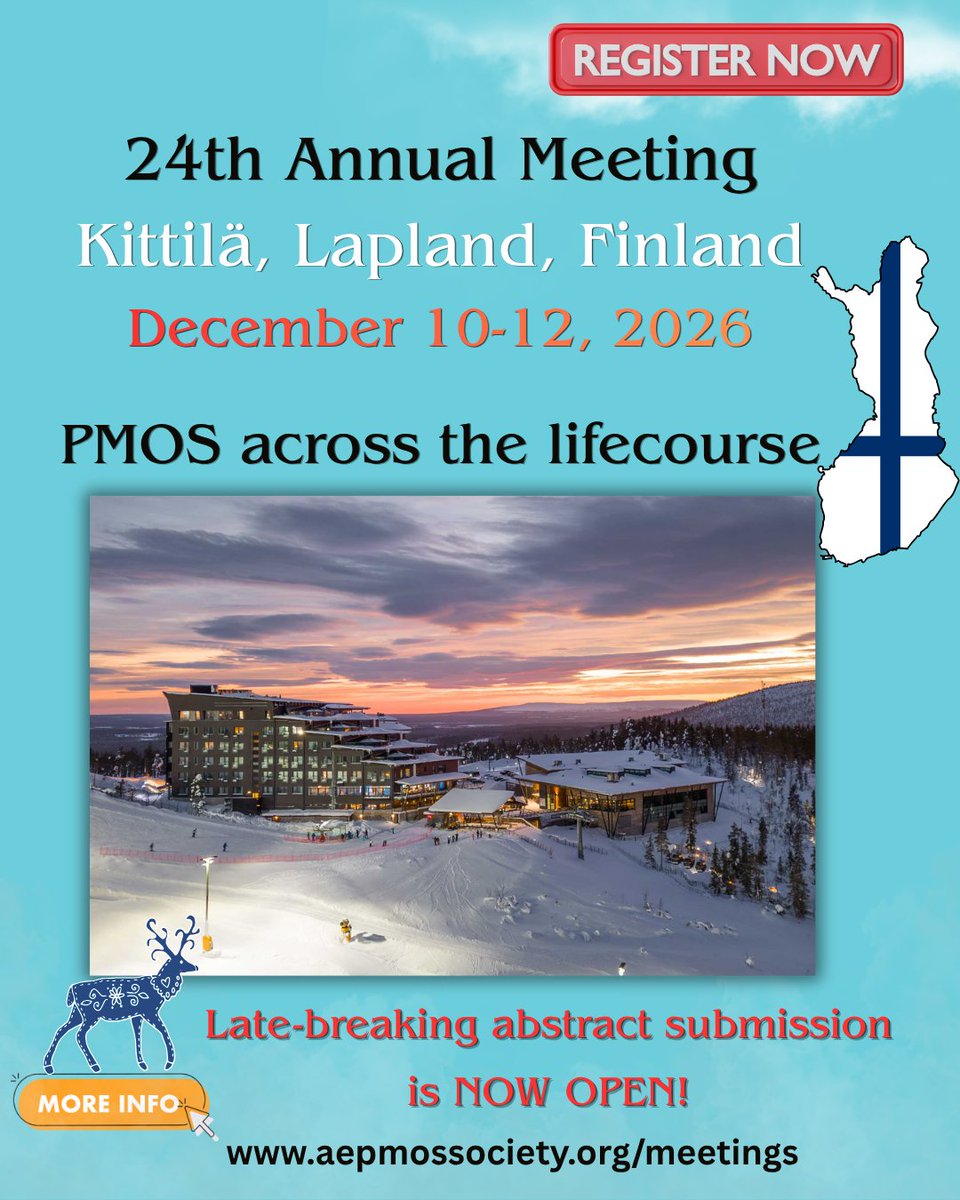
🚨 Late-breaking abstract submission is NOW OPEN!
‼️ Submission Deadline: Oct 20, 2026 by 5:00pm EST
📝 https://t.co/TulGYovmUG
✏️ Registration is now OPEN for the 24th AE-PMOS Society Annual Meeting!
Theme: ”PMOS Across the Life Course"
📍 Kittilä, Lapland, Finland 🇫🇮
This review in @TheLancetEndo is of clear relevance to women with PCOS, who have higher rates of insulin resistance and diabetes than other women.
I wrote a chapter on this topic in my book https://t.co/yH6l832nUq
In a new @OMAsocial editorial, Raghuveer Vedala, MD, FAAFP, DiplABOM, DiplABLM, MSCP, discusses guidance on prescribing #exercise for #obesity across lifespans. 🏋️🏃♂️
Vedala recommends framing exercise around health and enjoyment vs. purely weight loss.
https://t.co/5iLTwEdu0B
We do have a website, but there's always so much going on... So if you ever want to know what's currently happening at PMOS Together, check out our Google site!
https://t.co/x1XniiBIq0
The draft NICE guideline for PMOS is open for consultation — your feedback can shape it. Take our survey & we'll put your voice straight to NICE
👉 https://t.co/i6b0tniT2C
Open until Friday, 07 August at 23:59
#PMOS#PCOSNameChange#PCOS#womenshealth 💜
Obesity treatment is expected to shift gradually from a one-size-fits-all approach towards more personalised medicine, in which the obesity phenotype and presence of related conditions will determine the treatment strategy https://t.co/IFPyEU8bKn
#obesity
Study of 1,000+ women and 12,000 cycles found 62% had cycle lengths vary by >1 week, 55% had ovulation vary by >1 week, and only 53% consistently had 23–35-day cycles, highlighting considerable individual variation of ovulation time & cycle length. https://t.co/beVKkzDMEb
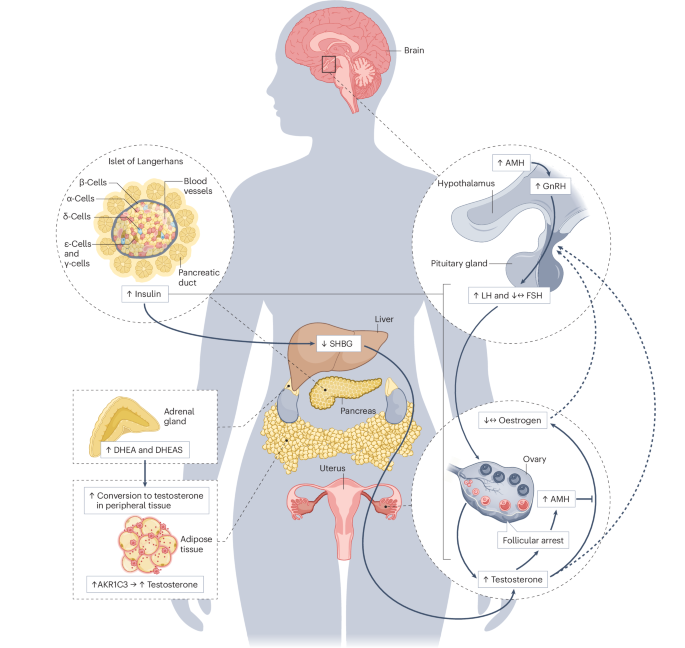
New study found AMH inhibition caused increase in preantral follicle survival, but almost entirely in proximity to large developing follicles, showing AMH is a local regulator of follicle dynamics. https://t.co/qIumkDKT0T
✍️ You are invited to submit abstracts of your original research to be considered for presentation at our 24th Annual Meeting.
https://t.co/BVDBCVdWOp
🗓️ December 10-12, 2026
📍 Kittilä, Lapland, Finland
"PMOS Across the Life Course"
#PCOSnewname#PMOS