Asst. Prof (Law) Dir.,Centre for Public HealthLaws&Policy; Dy.Dir.,Centre for Law&Tech @NUJSKolkata | @CCLSIPLLM @QMIPRI I @QMGPI
Tweets in personal capacity.
A proud moment for India 🇮🇳!
Justice Prathiba M. Singh of @DelhiHighCourt appointed as Chair of the @WIPO’s Advisory Board of Judges (2025–2027).
As chair, she leads a group of international judges, providing guidance and direction to WIPO’s work with judiciaries in the field of #IP!
Human rights are neither superfluous nor a luxury.
They are essential for any society’s stability and prosperity.
We have seen time and again what happens when that truth is neglected.
— Human Rights Council (@UN_HRC) President Jürg Lauber at the @UN General Assembly.
#UNGA80
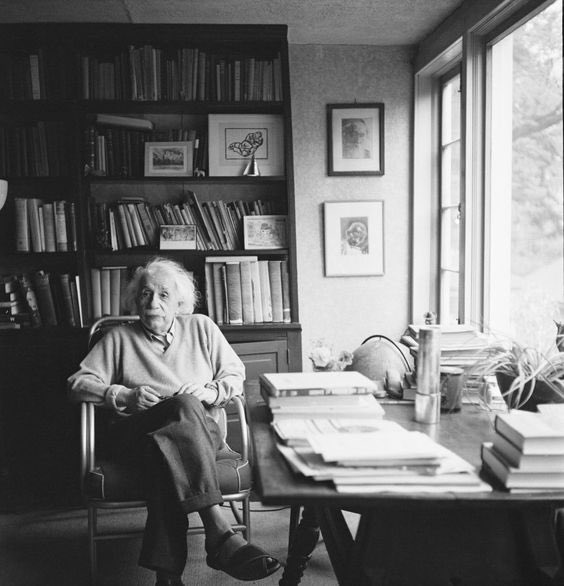
The world is a dangerous place to live, not because of the people who are evil, but because of the people who don't do anything about it. ✍️
-- A. Einstein (1879-1955), as mentioned in Conversations avec Pablo Casals: souvenirs et opinions d'un musicien (1955)
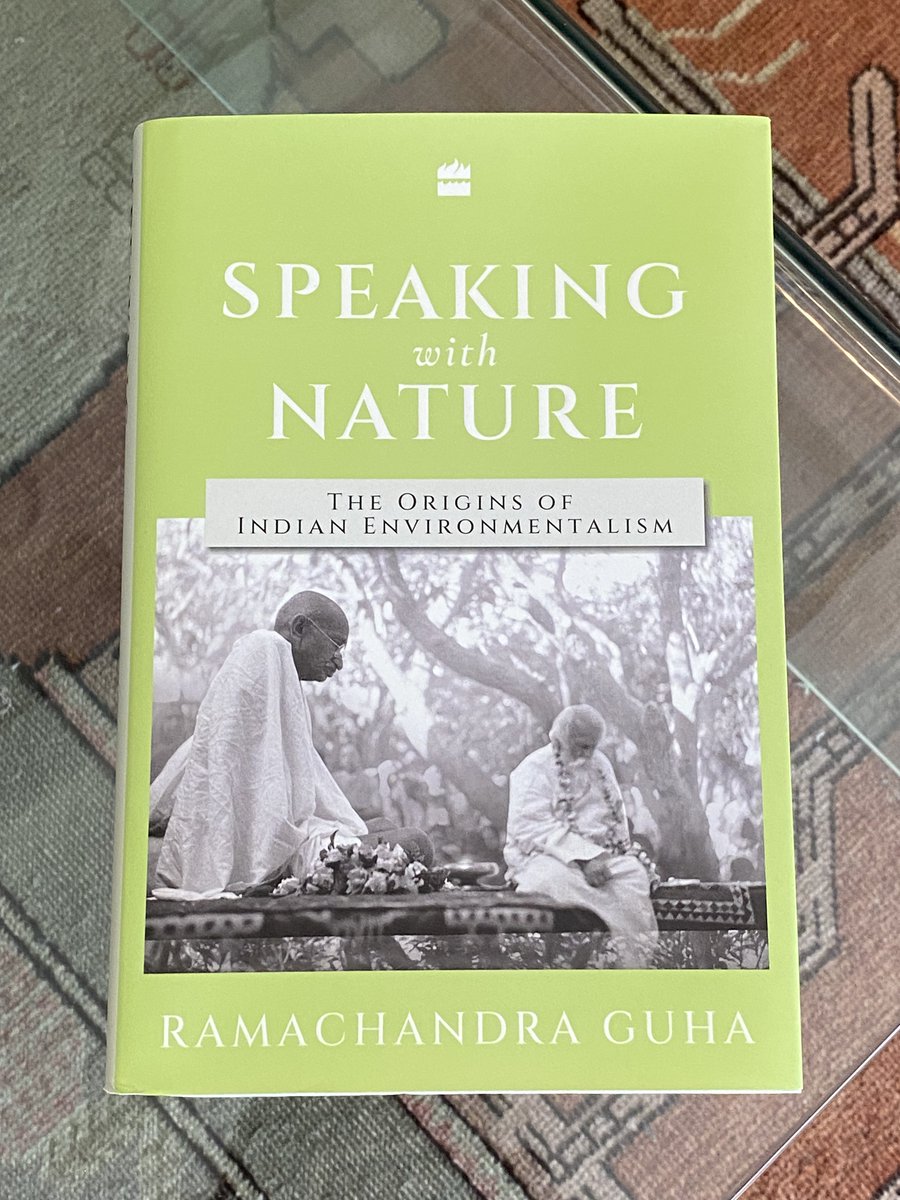
My new book, SPEAKING WITH NATURE, releases today. It is available here: https://t.co/RcGrplSgKp
and in bookstores. It features ten remarkable individuals who, long before the climate crisis, wrote with passion and insight about environmental sustainability and social justice.
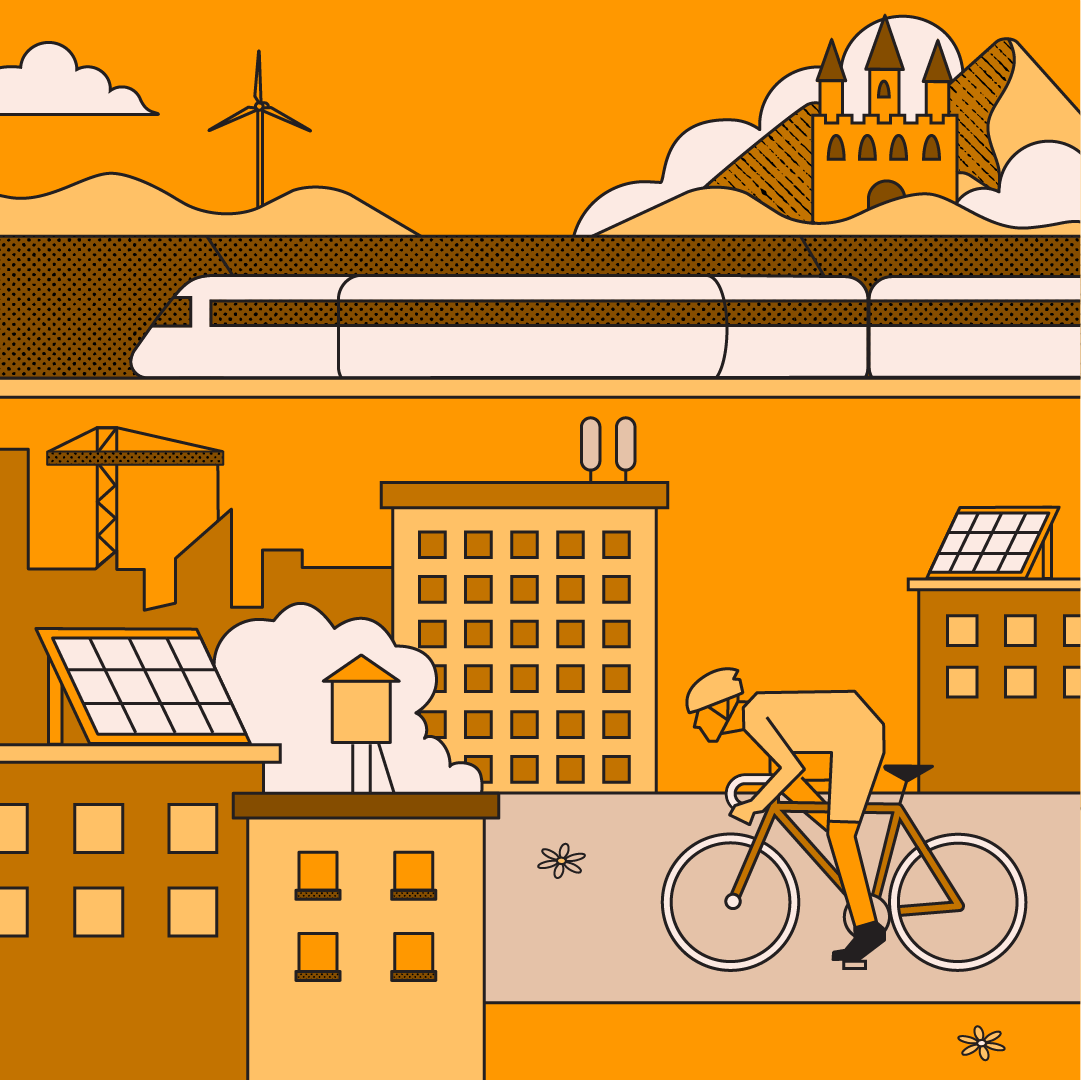
Why do we accept that some neighbourhoods get parks and trees and clean air while others get pollution and neglect?
Goal 11 says every city dweller deserves access to green spaces, public transport, and safe housing. Shouldn't that be the baseline?
https://t.co/Ux0aqHw9ON
Yesterday was #WorldCitiesDay and we were thinking what if cities weren't designed just for cars and commuters, but for actual humans living actual lives?
That's what goal 11 is about! Making cities inclusive, safe, resilient and sustainable.
#WorldCitiesDay
IPCC’s Special Report on Climate Change & Cities—the first report of the seventh cycle—will be released in March 2027.
It will assess the latest science on climate impacts, risks, and urban solutions.
🗓️ Expert Review 17 Oct–12 Dec 2025 https://t.co/LzPUzjsj0S
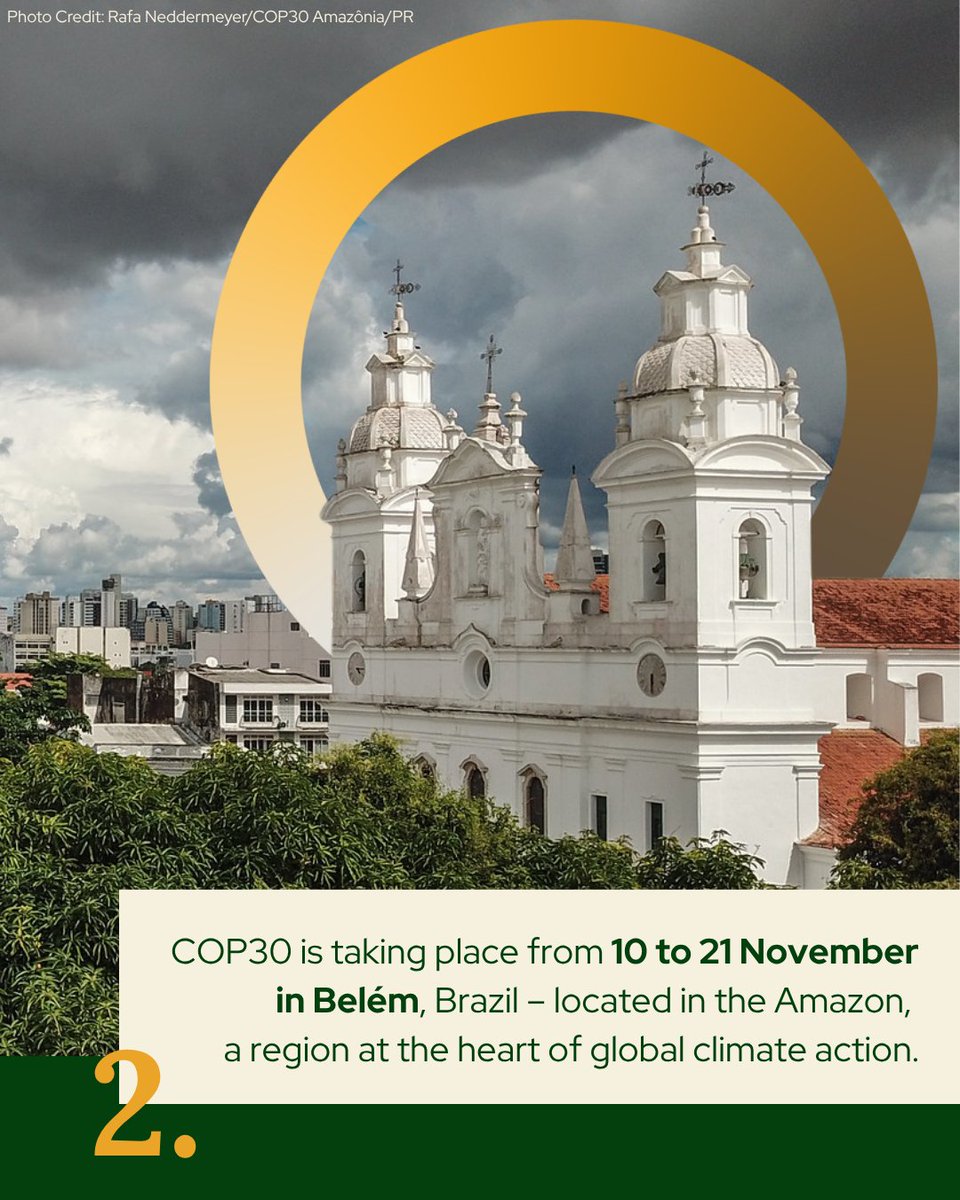
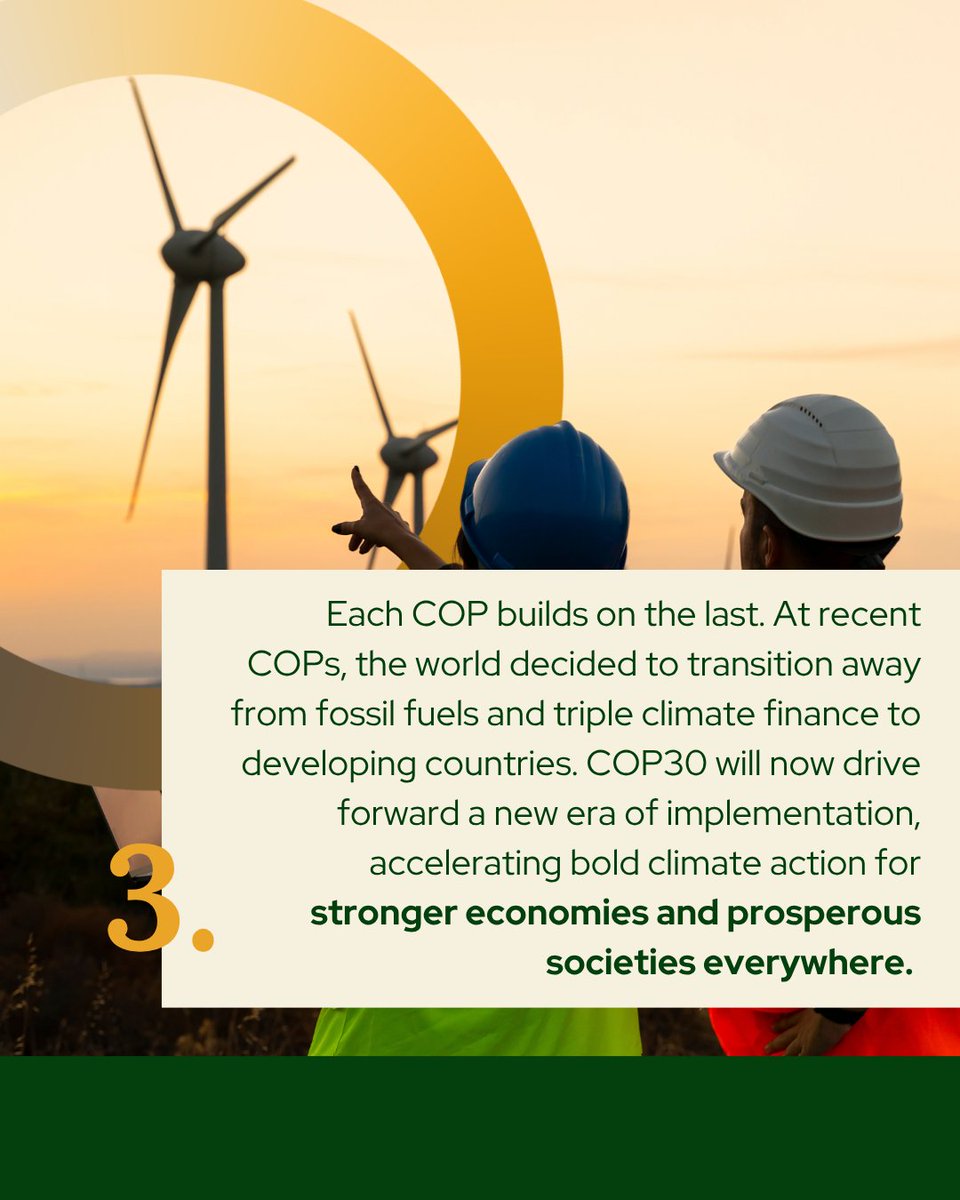
#COP30, the world’s largest international climate conference, kicks off on 10 November in Brazil.
A crucial moment to accelerate #climateaction across the globe— and ensuring that everyone can benefit from the vast opportunities it brings.
Browse 4 things to know about COP30:
Hardline conservative Sanae Takaichi becomes Japan's first female leader, in a landmark moment for the historically patriarchal country. https://t.co/2WDYt8ov4a
As the United Nations General Assembly gets underway in New York, @antonioguterres has a critical message to world leaders:
“Get serious.
Bridge divides – and deliver.
Let this be a week of solutions.”
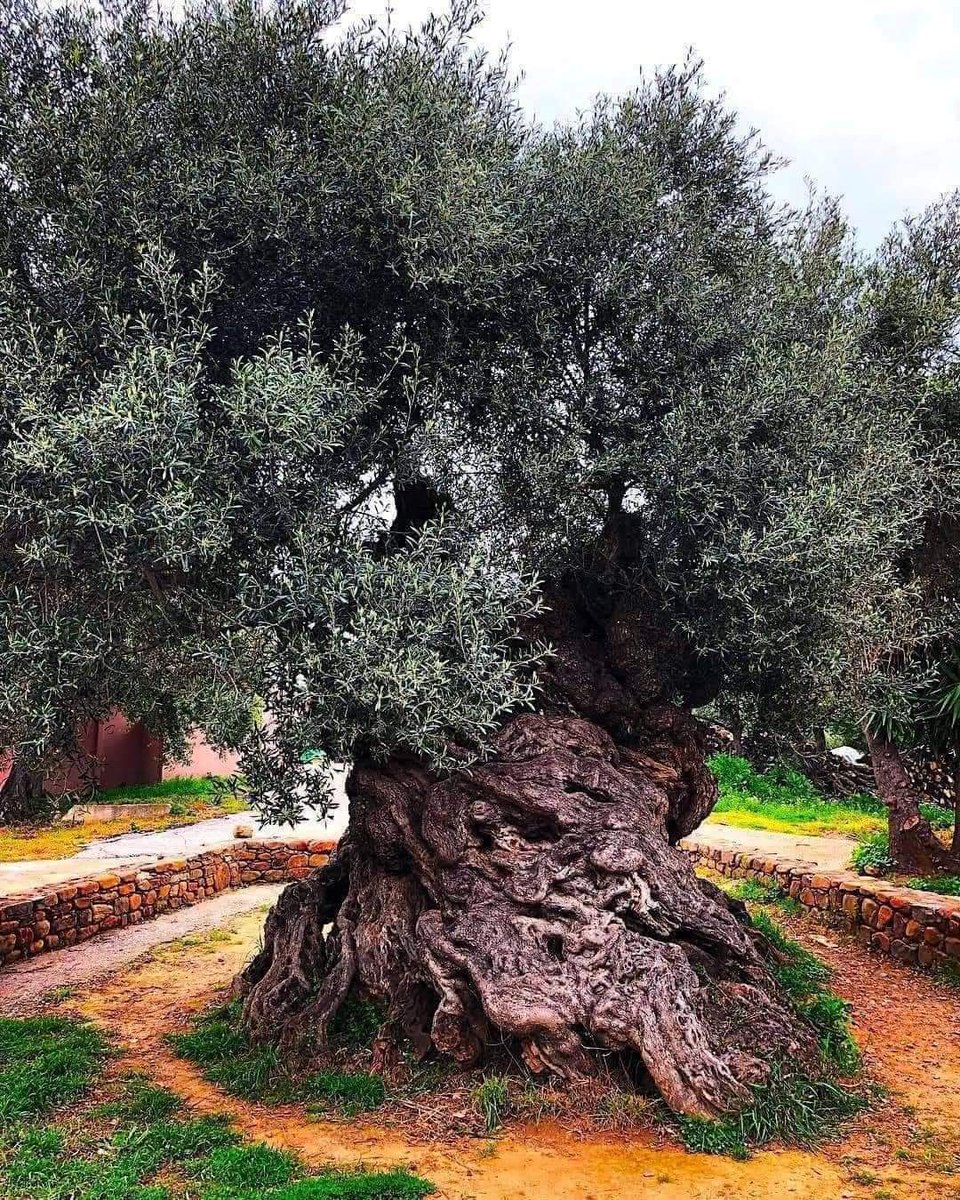
Olive Tree of Vouves - the world’s oldest living olive tree is in Crete, Greece :
The oldest olive tree in the world is located in the village of Ano Vouves of Kissamos in Chania, Crete, Greece. The ancient tree is 3000 years old, as determined by the international scientific community. This tree likely lived through writing of Iliad (golden age of Athens), rise of Roman Empire, and birth of Christ; and then lived for 2000 years after that. It still produces olives, as well.
The ancient olive tree in Vouves has a trunk with a circumference of 12.5m, and a diameter of 4.6m. It belongs to the local tree variety of tsounati and was grafted at a height of three meters onto a wild olive tree. Because of the grafting, its trunk has been so beautifully shaped by nature that it resembles a sculpture. In 1990, after a unanimous decision in the prefecture of Chania, the Vouves Olive Tree was declared a Natural Monument of great importance due to its status as the world’s oldest tree of its kind.
The fruits of the ancient olive tree produce the best olive oil in the world, making the area the cradle of olive cultivation on the island of Crete. Trunk of the tree is now hollow as there is no heartwood, so the olive is renewed outward and the heartwood gradually rots away. Since the olive tree is constantly renewing its wood, it has served as a a symbol of immortality since ancient times.
Thousands of tourists visit the stunning tree every summer to marvel at it and learn its history. They are mainly impressed by its enormous shape and the imposing volume of the trunk but also by the fact that it has remained alive and fruitful for 3000 years. The site of the olive tree, including the entire hill on which several villages are situated, has thousands of olive trees and the villages are widely believed to produce the best olive oil in the world.
The olive tree has been associated with Greece for millennia. It symbolizes peace and prosperity, as well as the hope of resurrection and prosperous life. The typically Mediterranean Greek landscape is dotted with these trees, and Greeks throughout the centuries have been inextricably linked with this plant.
For Ancient Greeks, the olive tree was one of two of the most respected mythical trees, along with the oak. The deeply rooted love and respect shown to this tree by Greeks has survived throughout the centuries.
In ancient Greece, Olive Oil is known as “Liquid Gold,” as Homer called it, has been part of Greece’s history since antiquity. It is an irreplaceable nutritional component of the Greek diet. Ancient Greeks also used olive oil as part of their efforts to enjoy a healthy life and to promote longevity, and used it as a cosmetic for the skin and hair. Today, Greek olive oil is considered by most as the best in the world.
The history of humanity’s use of the olive dates back to ancient history. In his work “Origine des plantes cultivées,” botanist Augustin Pyrame de Candole writes that our cultivation of the tree started some time around 4000 BC and that its origin is from the coasts of Asia Minor.
Today, throughout the world, there are approximately 800 million olive trees of which approximately 95% are cultivated in the Mediterranean basin, which has best soil and climatic conditions for olive cultivation. The olive is widely grown all over in Greece. Its cultivation, which is greater than any other type of fructiferous tree, occupies approximately 15% of cultivated agricultural land and 75% of arboraceous cultivations in the country.
#archaeohistories
🐳 Whale, whale, whale, what do we have here?
Today is #WorldWhaleDay! Dive in and learn all about these gentle giants with our Marine Life Encyclopedia: https://t.co/Yb51Vm9xka
40 years later, this is stunningly timely – and may be a key to our way out: Doris Lessing on the prisons we choose (not realizing we are choosing) to live inside https://t.co/k4GCg9jMr0