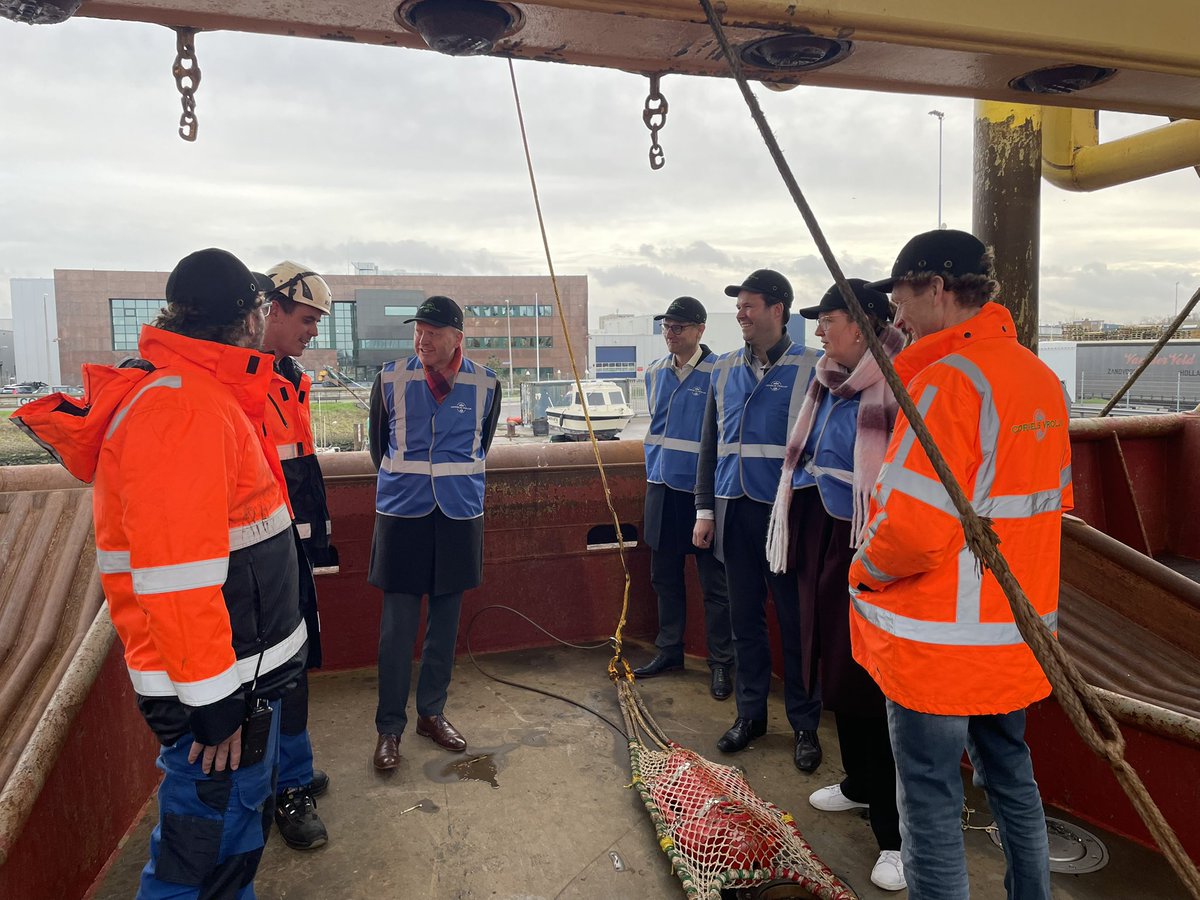
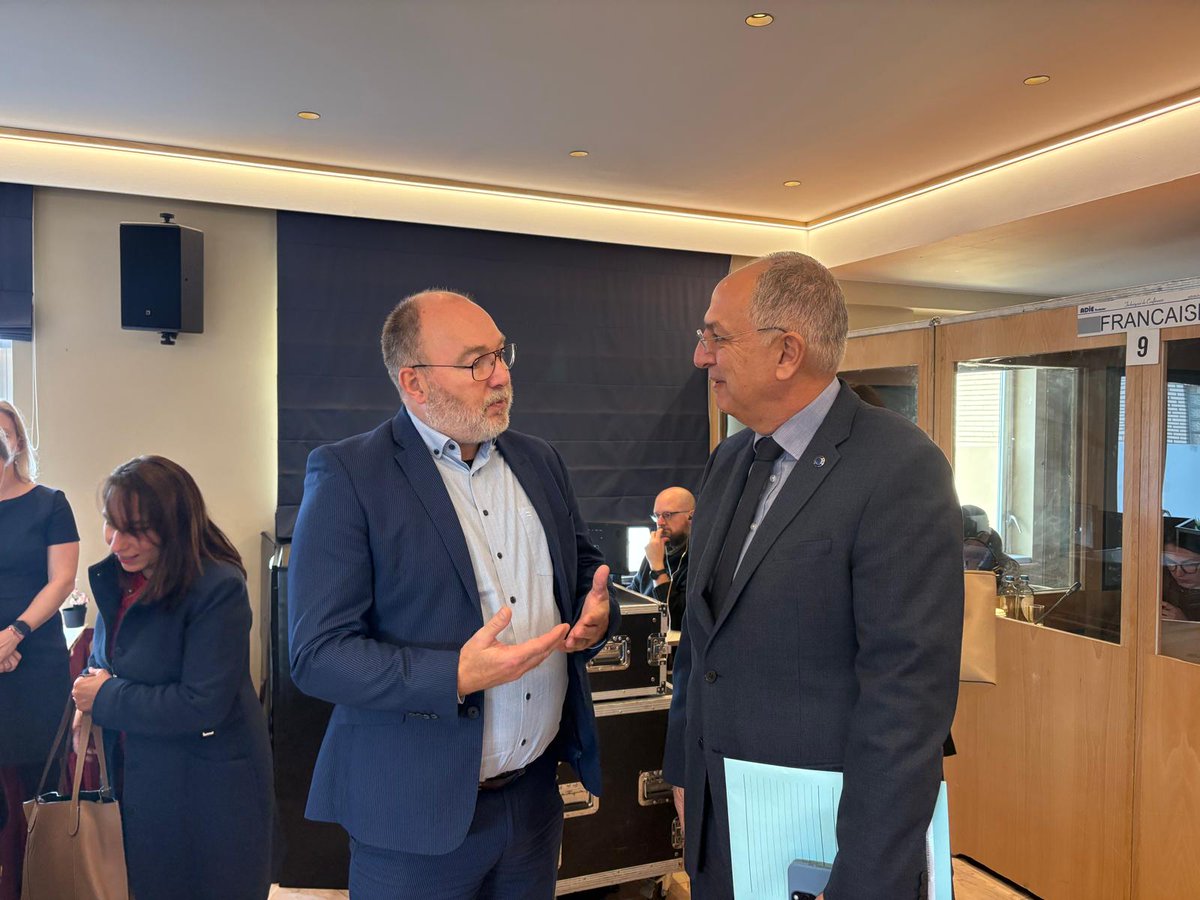
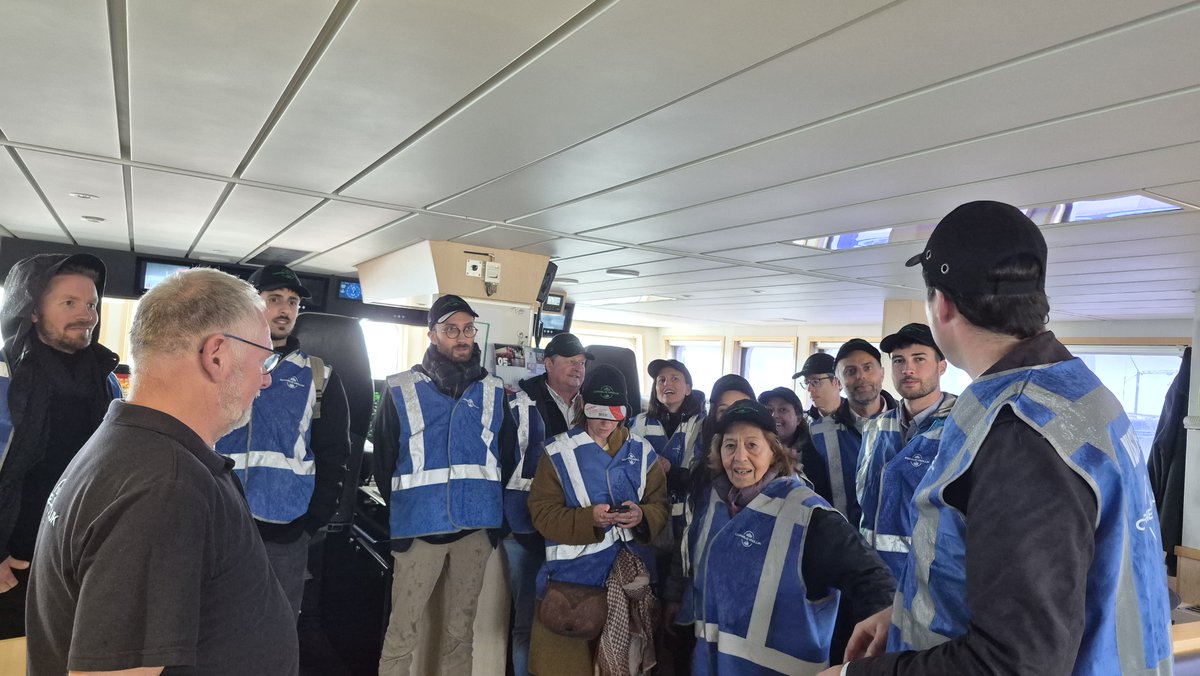
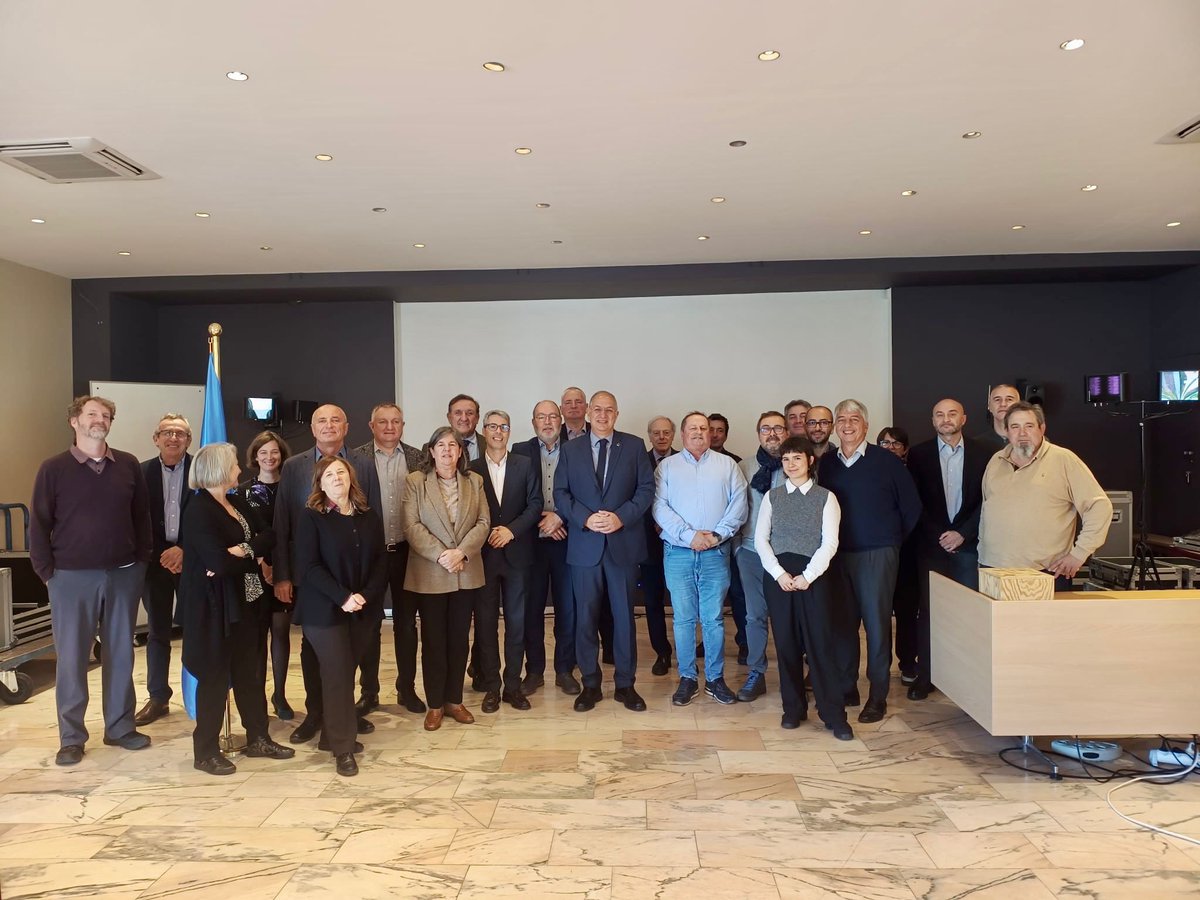
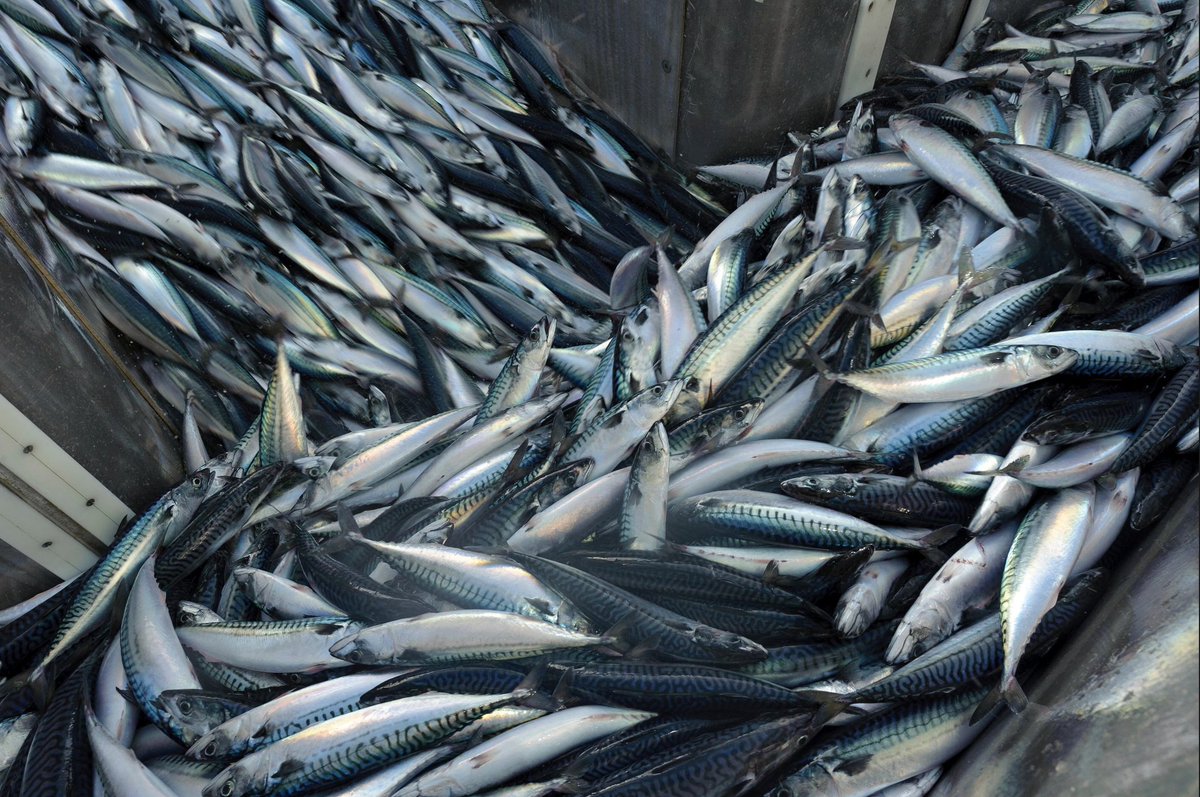
This week, we hosted the General Assembly of the @LDAC_eu in The Hague. Part of the programme included a visit to a freezer trawler and, of course, Dutch herring.
Constructive dialogue within Advisory Councils remains essential to sustainable fisheries and global food security.
Met de nieuwe Uitvoeringsagenda werkt de pelagische sector samen met betrokken partners aan een toekomstbestendige visserijsector.
Een gezamenlijk narratief, gebaseerd op feiten, wetenschappelijke kennis en samenwerking, is belangrijk.
Lees hier meer: https://t.co/vh5GXaIoNZ
Sustainable Fisheries Partnership Agreements (SFPAs) are of great importance to the European pelagic fishing industry.
In the multi-stakeholder perspective panel discussion, PFA president @timheddema shared his views on how the next generation of EU SFPAs should look.
👇
Today is #WorldHealthDay: “Together for health. Stand with science.”
In the Netherlands, carbon footprint research by @WUR, @WURmarine and @RIVM strengthens the case for food policy linking health and climate impact.
We are proud on the potential of pelagic fish 👇
Social & safety standards are a top priority for the PFA and its members.
Through the @FISHplatform at the @IMOHQ meeting, Cor Blonk shares his expertise on working conditions and safety protocols in fisheries - recognising fishers’ essential role in global food security.
Today is the International Day of Women and Girls in Science!
Our fisheries scientist @Linadenijs shares our fishers’ passion for the sea and routinely goes onboard to collect data for scientific research for future-proof fisheries.
Take a look at her work here 🐟🌊👇
How do we help scientists determine mackerel fecundity? PFA vessels collect spawning female samples for lab analysis of mackerel.
Every 3 years, the Atlantic mackerel egg survey helps ICES estimate spawning biomass
Discover how we do this here: https://t.co/ShUatxY0q6
📢 New collaboration announced!
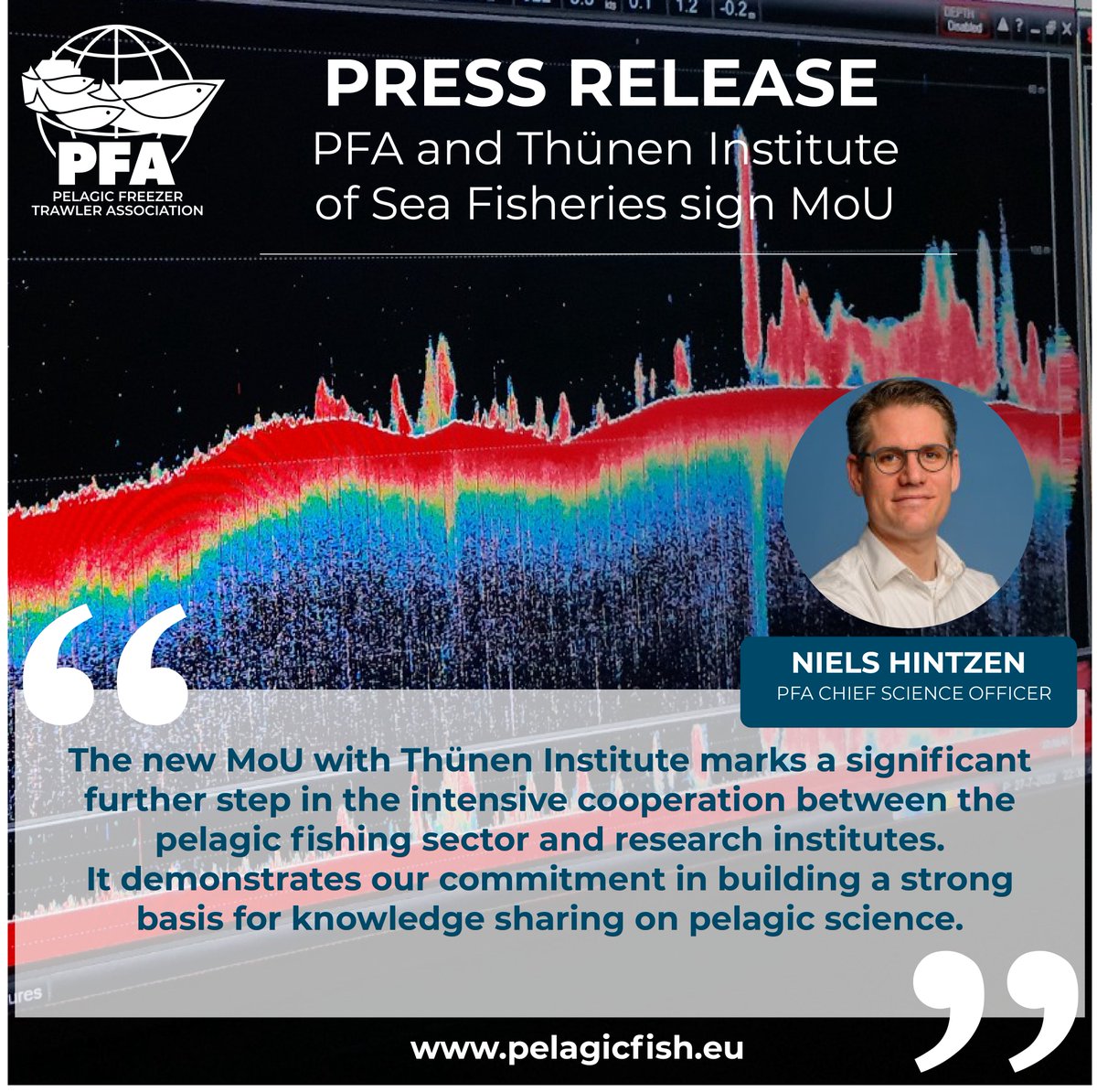
The PFA and Thünen Institute of Sea Fisheries signed their Memorandum of Understanding aimed at benefiting from their mutual interests in scientific pelagic fisheries research.
Read our press release here: https://t.co/YmC95JYz8A
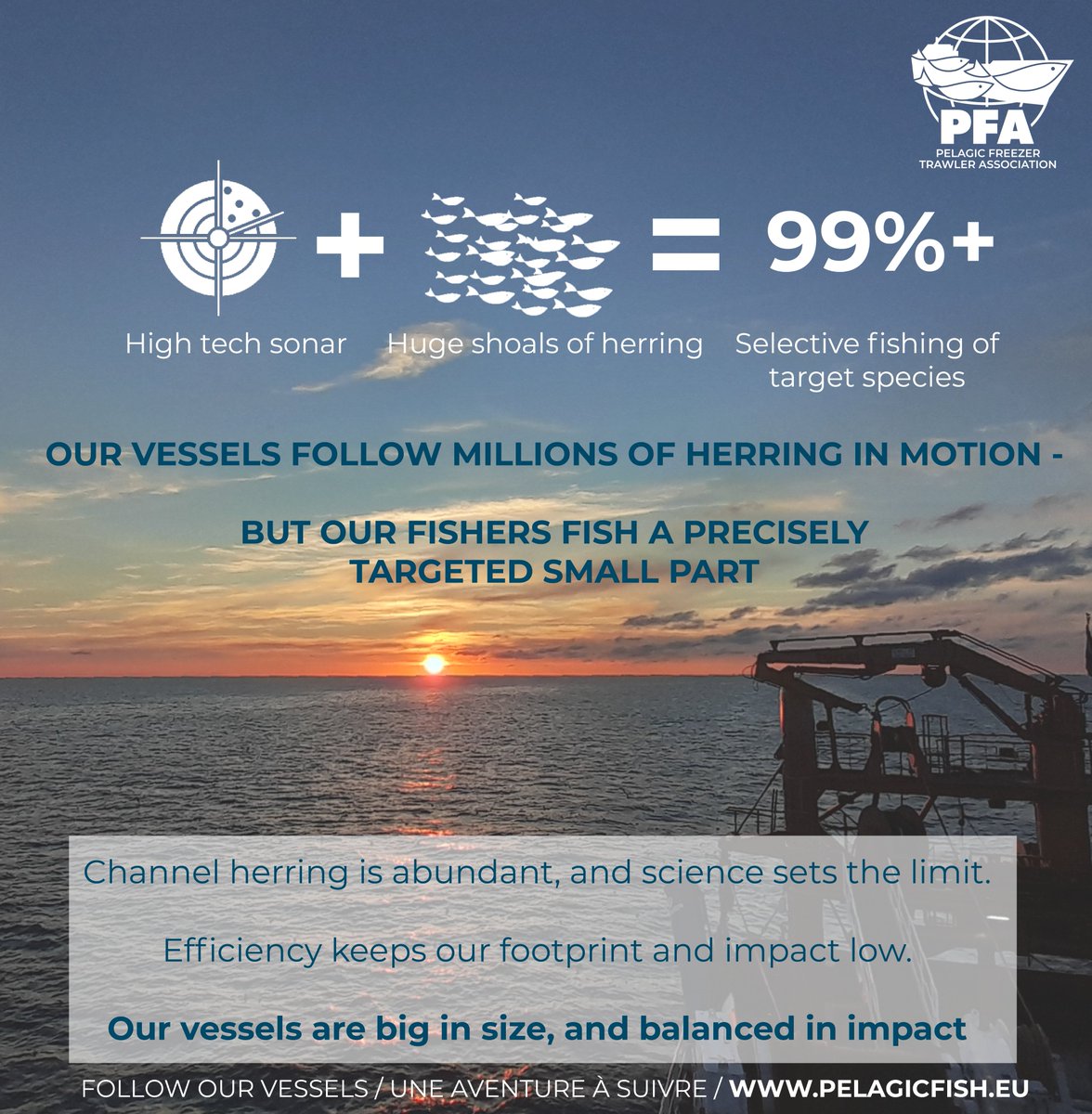
Size doesn’t define sustainability.
Freezer trawlers target abundant stocks under science-based quotas, using highly selective sonar and onboard freezing to fish efficiently.
The result: wild-caught pelagic fish have one of the lowest carbon footprints of all animal proteins
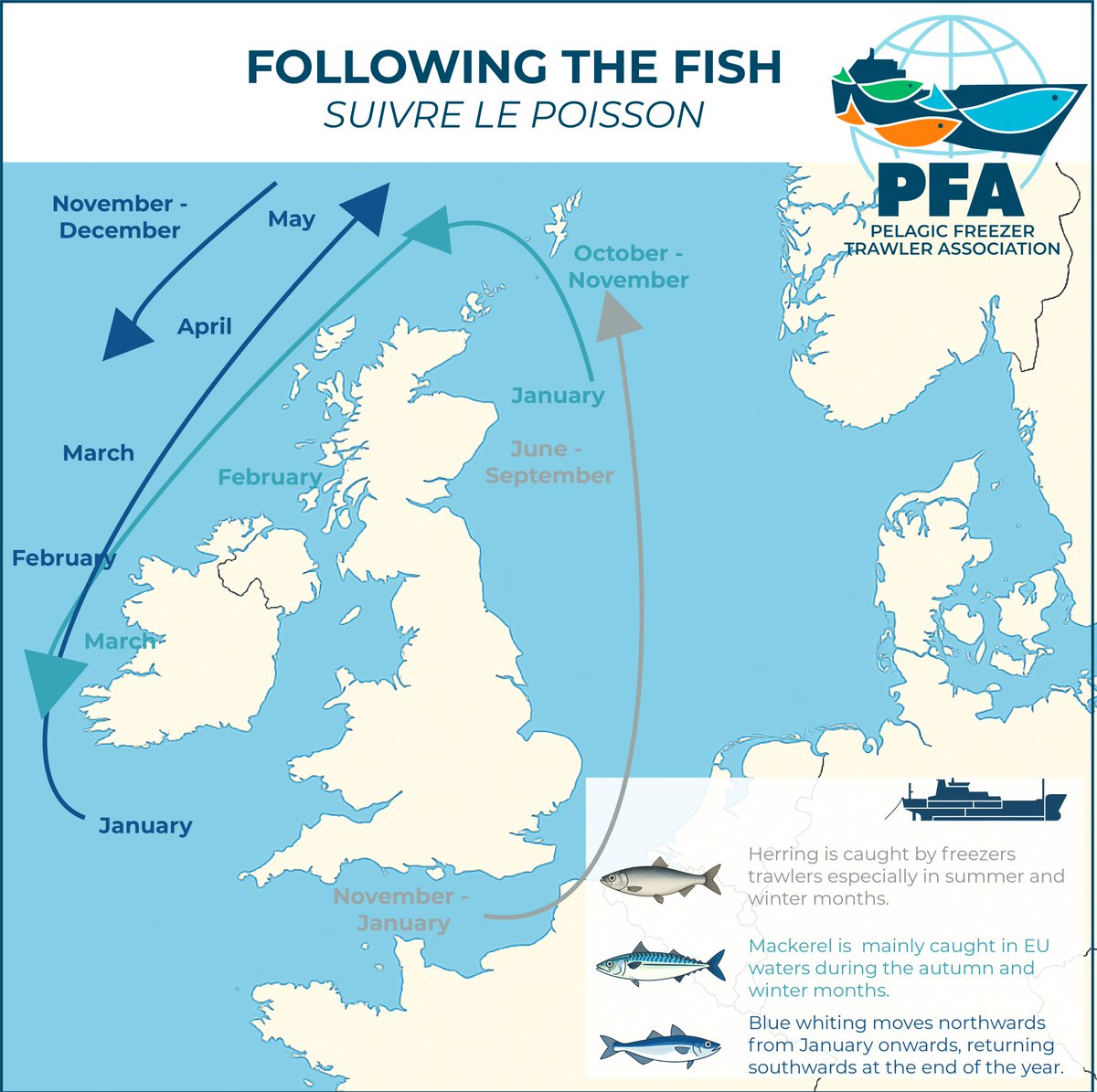
Fish don’t stay in one place. Pelagic fish migrate a lot and experienced skippers know exactly where to find them!
That’s why you’ll sometimes see several vessels in the same area, like right now with the herring fishery in the Channel.
Take a look at the other fishing seasons:
Vrijdag ontvingen we secretaris-generaal @lapperre en het @minlvvn team aan boord van de SCH24 ‘Afrika’.
Aanwezige visserijbestuurders en de SG benadrukten na afloop het belang om samen aan een positieve agenda voor vis als gezond voedsel en een sterke sector te blijven werken.
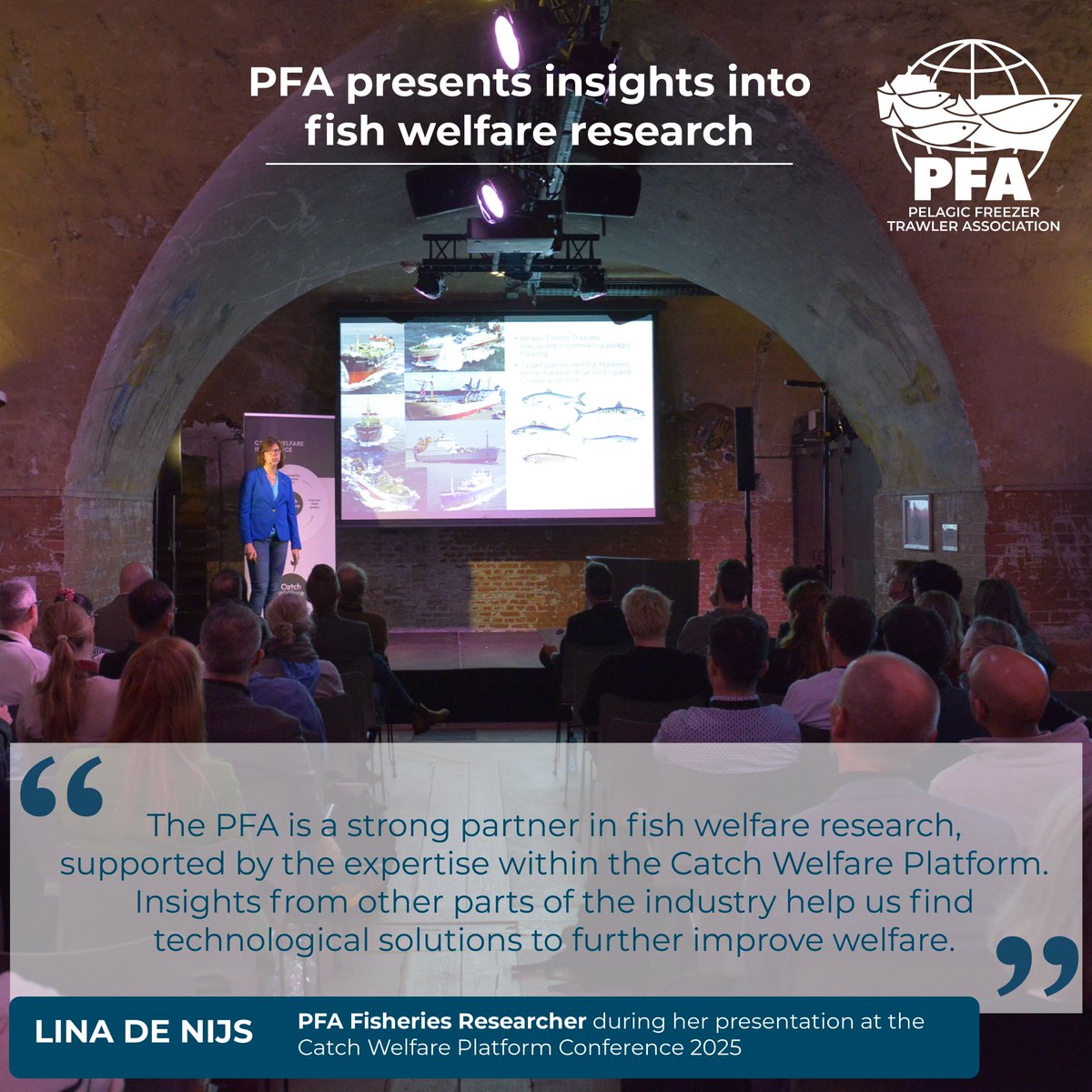
PFA fisheries researcher @Linadenijs gave a presentation at the Catch Welfare Platform Conference about our research into fish welfare.
Events as this, involving relevant stakeholders, help to guide the next steps.
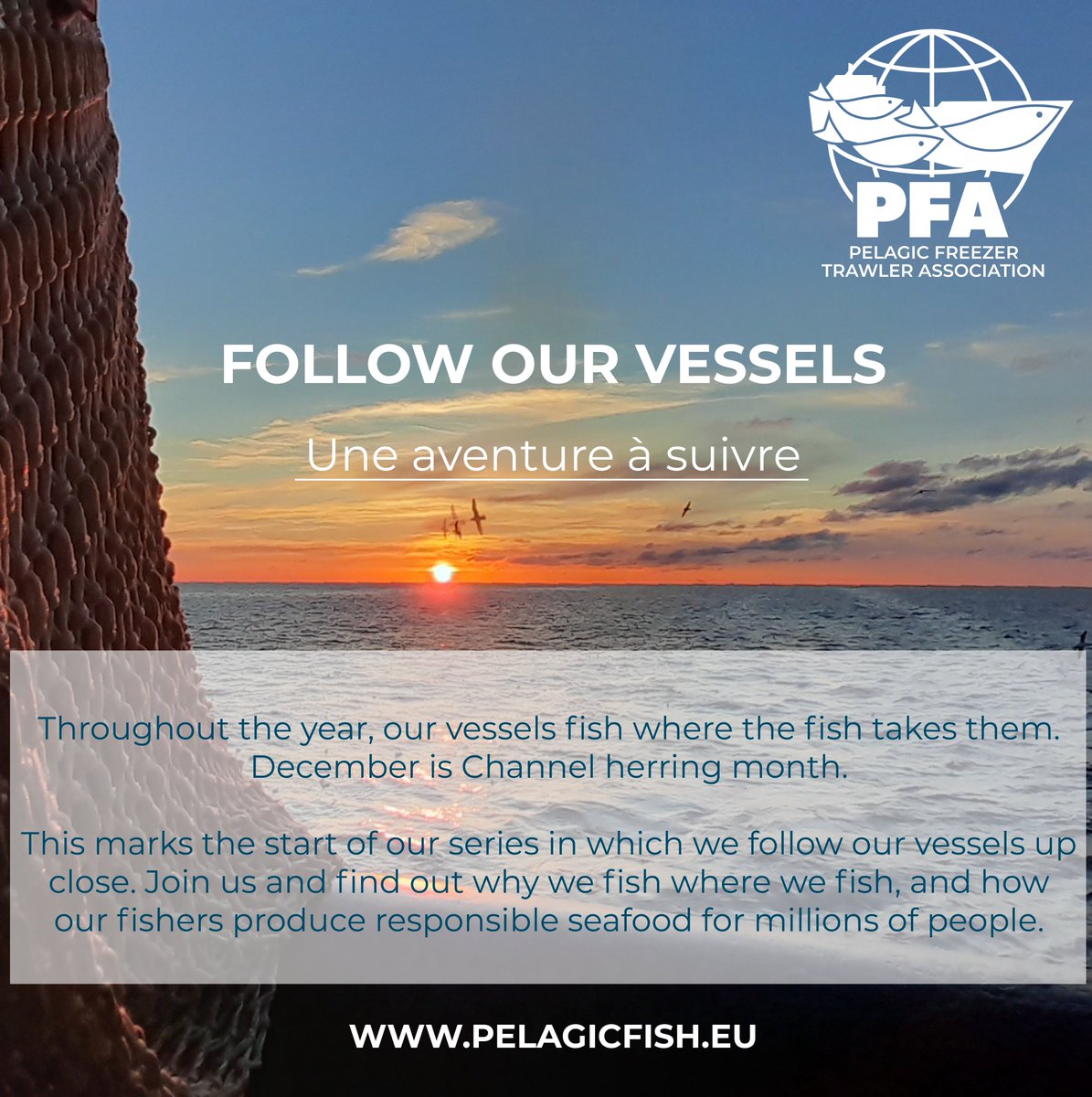
Fish know no borders. Pelagic species like herring migrate, so our freezer trawlers also move between different waters.
Whether vessels are big or small, fishers share a goal: providing healthy food with respect for the ocean.
Follow our story right here over the next months.
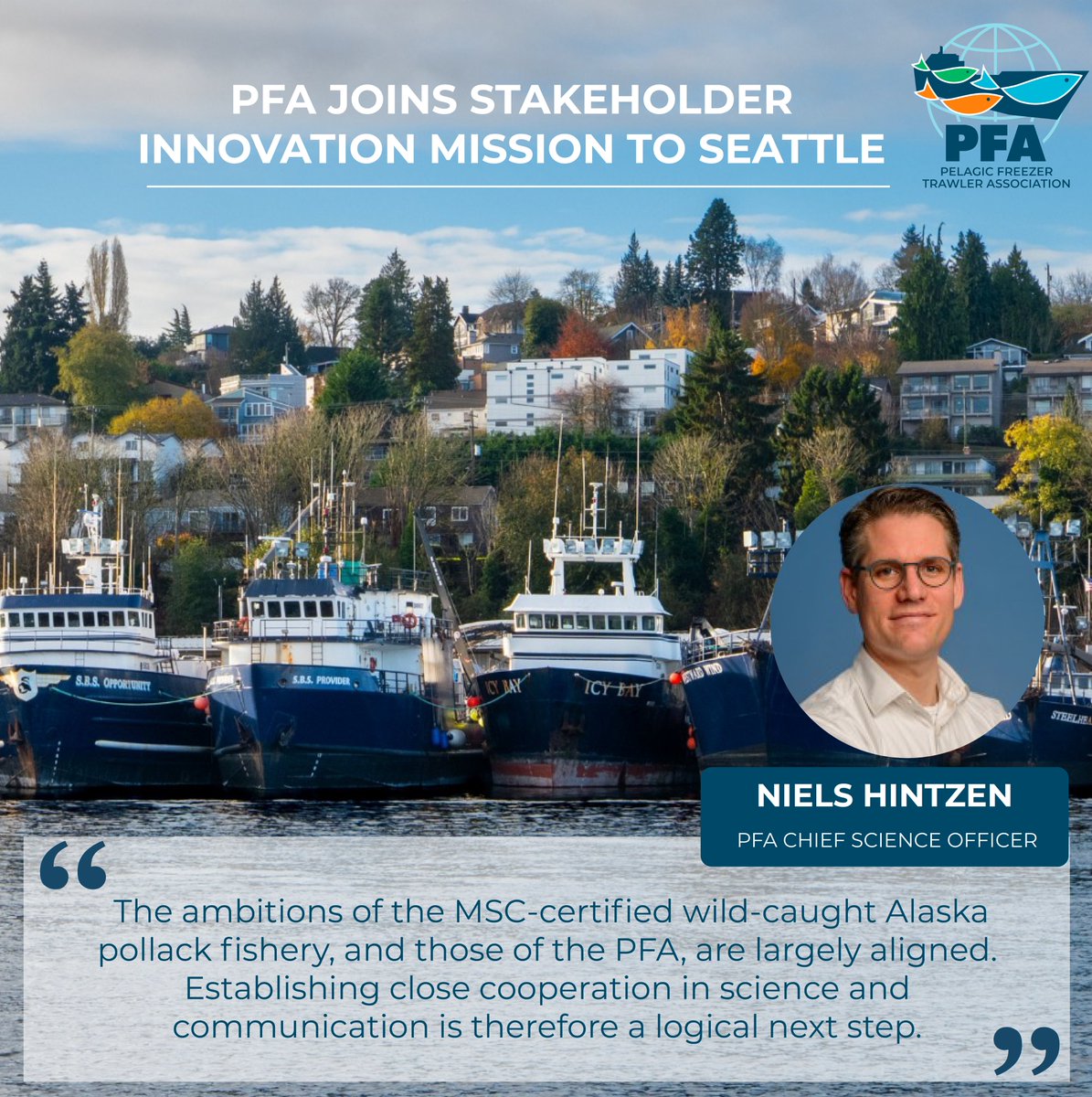
PFA Chief Science Officer @nielshintzen joined the fisheries innovation mission to Seattle — a week of inspiring talks and presentations, confirming the strong industry-science collaboration in Europe.
The key insight: the way forward is science-based, data-driven communication.
On #WorldFisheriesDay, we honour the fishers and communities who help feed the world — the backbone of global food security.
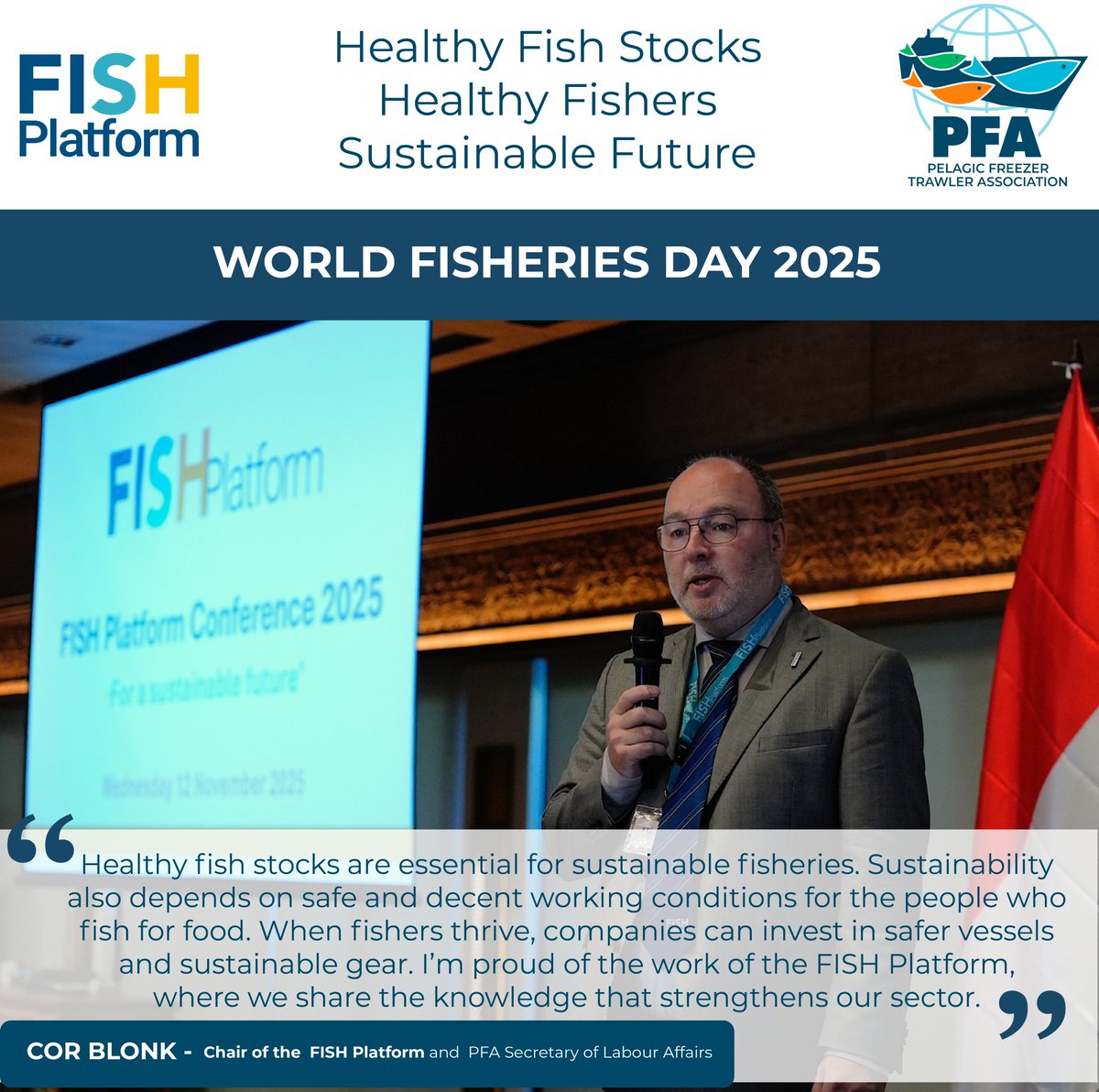
At last week’s @FISHplatform Conference in Bali, Cor Blonk underscored why the people behind the healthy food must be and remain a top priority.
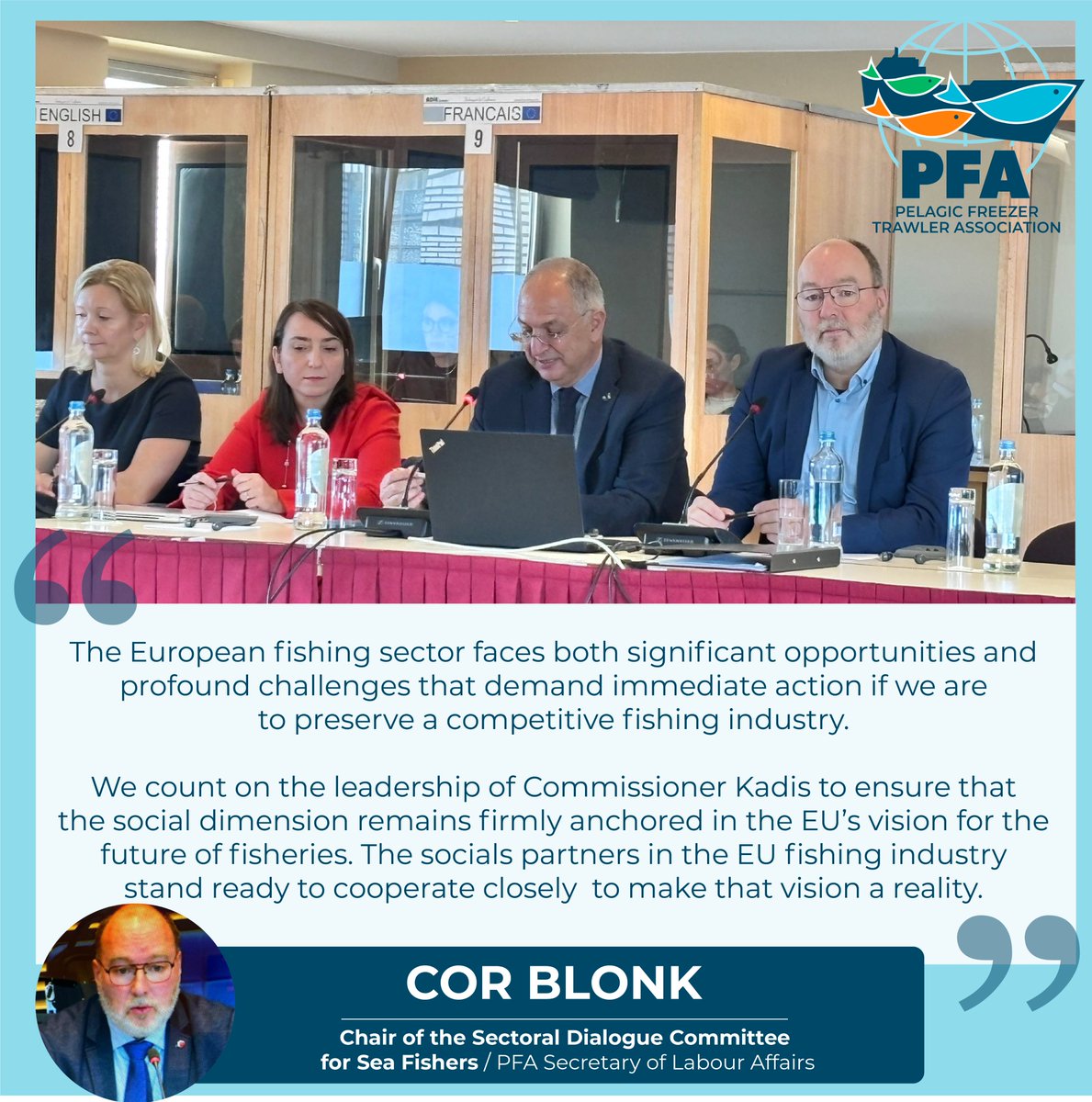
We value the constructive dialogue with the EU Commission to address not only environmental and economic challenges, but also those faced by our most valuable asset: our fishers.
Cor Blonk emphasised this in his opening statement of the Sectoral Social Dialogue Committee 👇
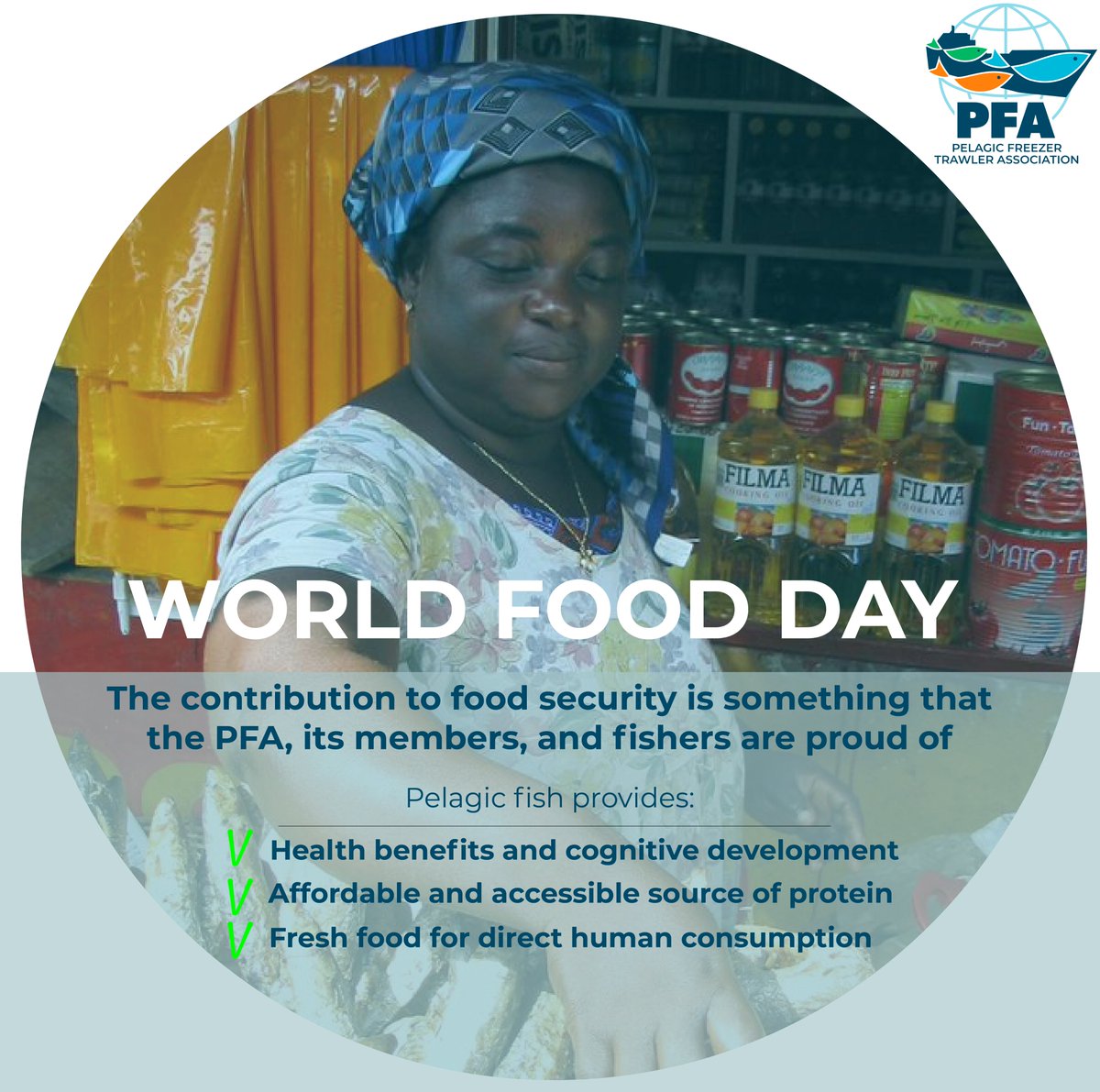
On #WorldFoodDay, we reflect on the importance of healthy food.
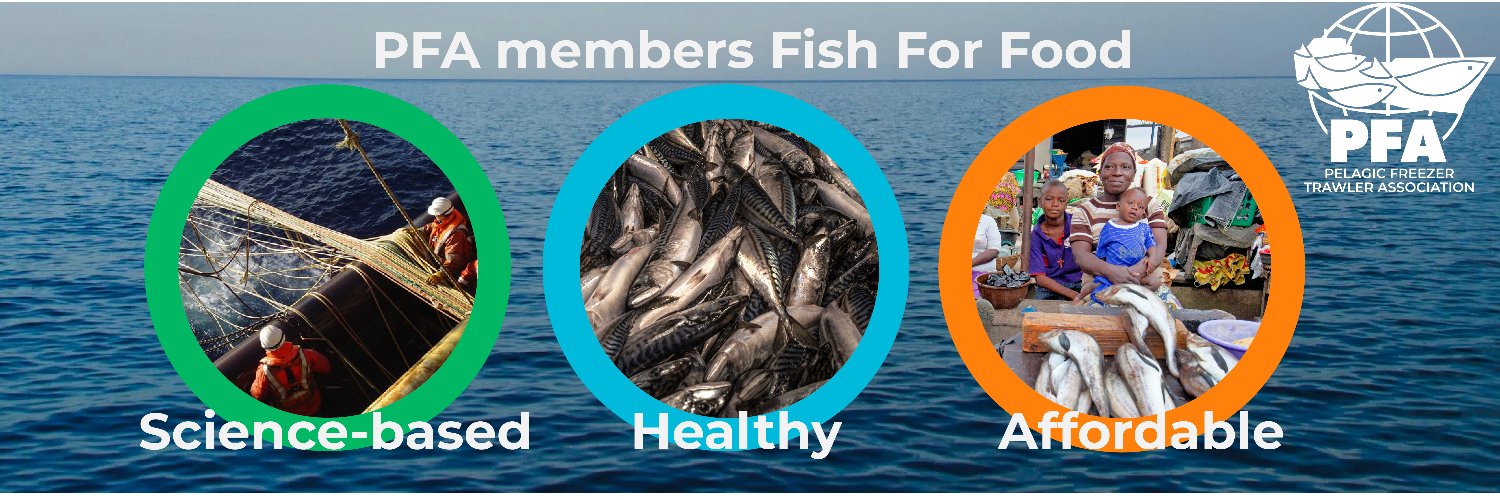
Pelagic fish 🐟 offer a nutritious, affordable source of protein and vital nutrients — essential to nourish communities around the world. 🌍
📢Critical need for #mackerel sharing arrangement, EU mackerel still a responsible choice 🐟
Read our joint press article with @EAPO_EUfishPOs
👉 https://t.co/0wvHOQWMyW