The next frontier in protein design will not be defined by structure alone, but by the capacity to engineer motion as a first-class principle of function. This is because dynamics is where the real biology lives.
Foundational work by Karplus, Levitt & Warshel made clear that chemistry cannot be understood without motion, mechanism, and scale. Gō, Brooks & others showed that proteins possess characteristic collective motions - low-frequency normal modes that capture how whole molecules bend, breathe, and fluctuate. Frauenfelder then sharpened the picture further: proteins are not static objects occupying a single minimum, but dynamic ensembles traversing rugged energy landscapes.
And yet the modern AI revolution in protein science has been, above all, a revolution in structure. In our new paper in Matter, @_Bo_Ni and I ask a different question: not what structure will this sequence adopt? but what sequence will realize a prescribed pattern of motion?
VibeGen inverts the conventional design paradigm. Rather than treating dynamics as a consequence to be analyzed after the fact, it makes dynamics the design objective from the outset. Using a language diffusion model with two cooperating agents - a designer that proposes sequences and a predictor that critiques them against the target motion profile - the system converges on de novo proteins with tailored vibrational behavior.
One of the most intriguing results is a form of functional degeneracy - distinct sequences and distinct folds can satisfy the same target dynamical specification. For a given functional pattern of motion, evolution may have sampled only a small region of the physically realizable design space. The space of viable molecular mechanics may be far larger than the repertoire biology happened to discover.
We have made "vibe" into a cultural metaphor - something intuitive, affective, subjective. But at the molecular scale, vibe is not metaphor: It is physics. For a protein, the vibe is the pattern of motion itself; the fluctuations, resonances, and collective displacements that determine what the molecule can do.
@CityPowerJhb@kathyessop Dear @CityPowerJhb City Power ticket CPWEB4780773 has been linked to an area outage at Forest Town 11kV SWS. This is not the same outage. Ours is an isolated incident which is affecting two blocks between 2nd and 4th Ave on 11th Street in Parkhurst. Please help! 🙏🏽
@CityPowerJhb OUTAGE- 11th Str, Parkhurst (2 blocks between 2nd & 4th Ave)
This is SEPARATE to the Hursthill outage! 🚨
It's our substation trip switch. How do I know this, because it is a recurring problem. Please help! 🙏
Wits University is internationally distinguished for its research, high academic standards, and commitment to social justice in Africa and beyond.
#WitsForGood#WitsUniversity#ChooseWits 💙🏛️
⚪️🟢Match Result
We came, we saw, and WE CONQUERED.👏🇿🇦😃
A partnership for the history books! From near misses to heart-stopping moments, South Africa pulls off an incredible victory by 2 wickets. 🏏
This one will be remembered for some time to come!✨
#WozaNawe#BePartOfIt
#SAvPAK
Lord’s Cricket Ground, here we come!🏏🏟️😃
The Proteas have secured their spot in the WTC Final next year, where we will face either Australia or India, as per the current rankings.🏆
#WozaNawe#BePartOfIt#SAvPAK
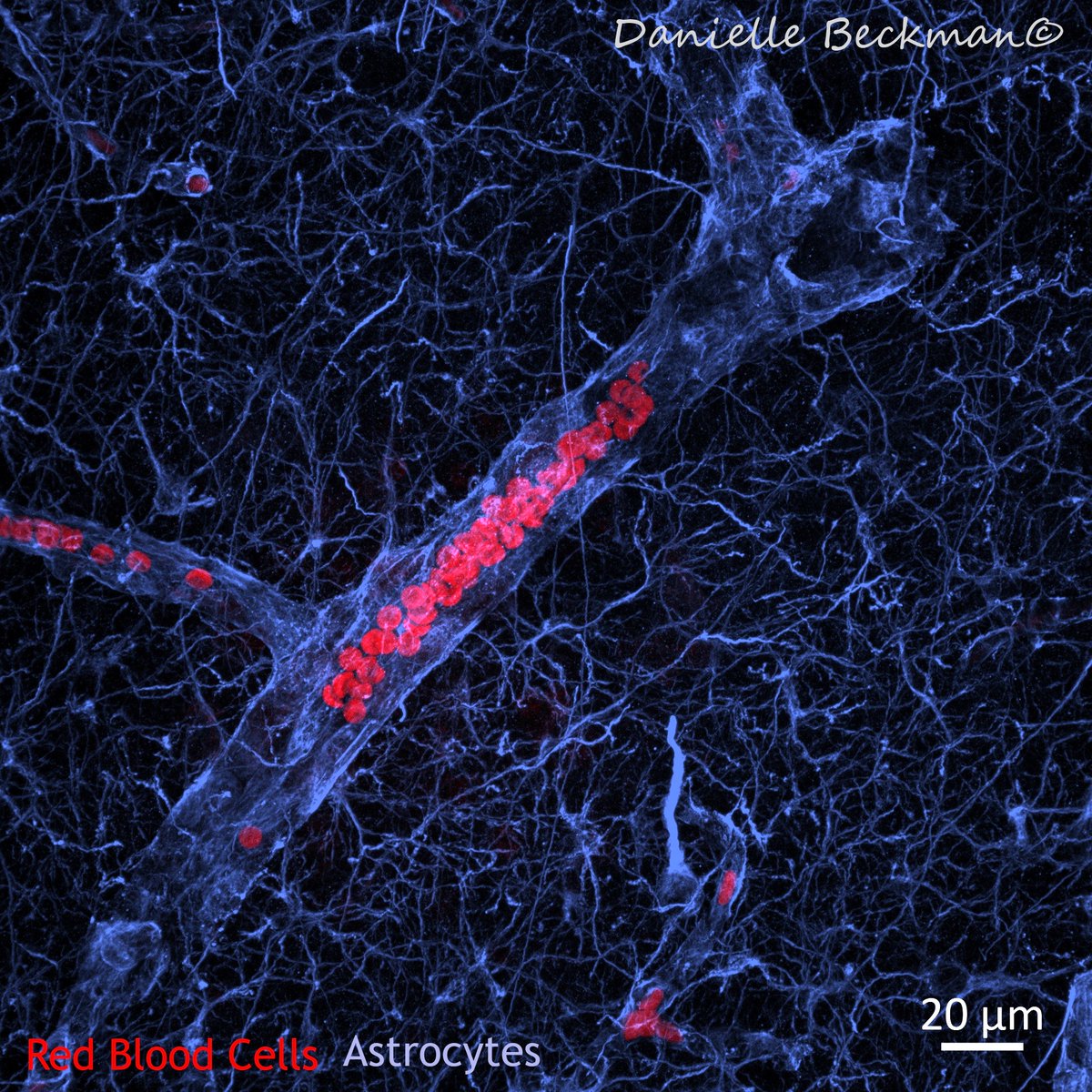
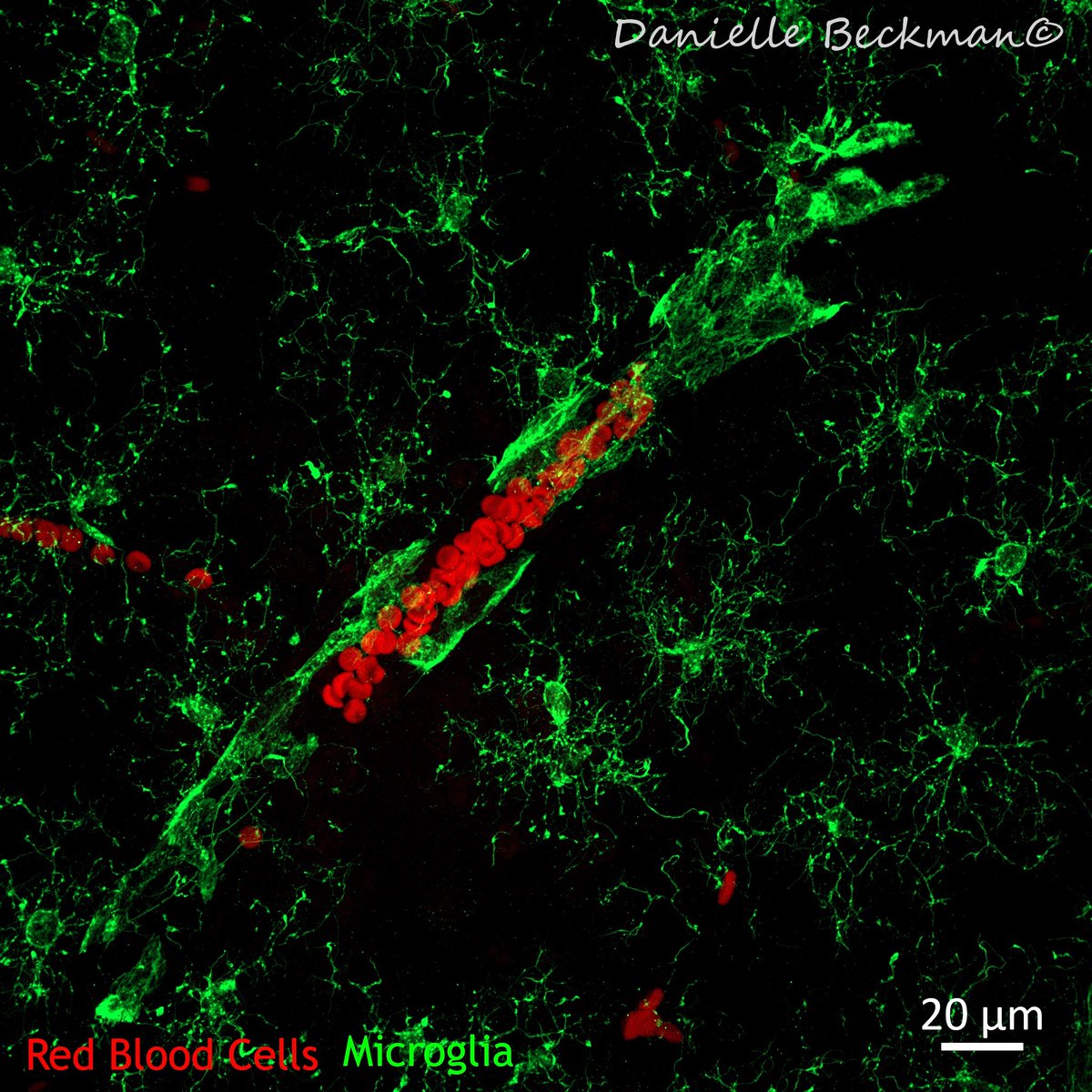
There is a lot we can learn with one image! Check the channels separated
1 - Astrocytes being part of the blood-brain-barrier, look at this vessel shape!
2 - Red blood cells lack nuclei so they can be very tiny!
3 - Green cells inside the vessels are macrophages not microglia!
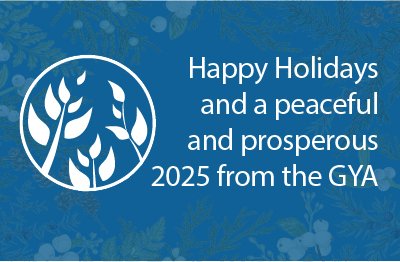
Despite ongoing challenges around the world, the collaborative spirit of the GYA gives us reason to enter into the holidays with a sense of optimism.
Wishing you all a peaceful, healthy and prosperous 2025.
Note: GYA Offices close on 20 December and re-open on 7 January 2025.
The history of Quantum Physics in one tweet ✍️
1900: Max Planck introduces the quantum hypothesis to explain black body radiation.
1905: Albert Einstein proposes the light quantum hypothesis to explain the photoelectric effect.
1924: Louis de Broglie suggests particles can exhibit wave-like behavior.
1925: Werner Heisenberg formulates matrix mechanics, the first version of quantum mechanics.
1926: Erwin Schrödinger develops wave mechanics and the Schrödinger equation.
1927: Heisenberg states the uncertainty principle, which shows precision limits for measuring pairs of physical properties.
1928: Paul Dirac formulates the Dirac equation, laying the groundwork for quantum field theory and predicting the existence of antimatter.
1935: Einstein, Podolsky, and Rosen publish the EPR paradox challenging quantum mechanics' completeness.
1947: Richard Feynman, Julian Schwinger, and Sin-Itiro Tomonaga independently develop the foundations of Quantum Electrodynamics (QED), which describes how light and matter interact.
1954: Chen Ning Yang and Robert Mills develop non-abelian gauge theories, paving the way for the development of QCD.
1961: Sheldon Glashow introduces a unification scheme for electromagnetic and weak interactions, an early step towards the Standard Model.
1964: John Bell proposes Bell's theorem, showing quantum entanglement cannot be explained by local hidden variables.
1964: Murray Gell-Mann and George Zweig, independently, propose the quark model for hadrons, leading to the concept of Quantum Chromodynamics (QCD) as the theory of strong interactions.
1973: David Gross, Frank Wilczek, and Hugh David Politzer discover asymptotic freedom in QCD, explaining how quarks behave inside nucleons, and strengthening QCD as the theory of the strong force.
1979: The Nobel Prize in Physics is awarded to Sheldon Glashow, Abdus Salam, and Steven Weinberg for their contributions to the unification of the weak force and electromagnetic interaction between elementary particles, using the framework of Quantum Field Theory.
1982: Alain Aspect's experiment confirms quantum entanglement, supporting Bell's theorem.
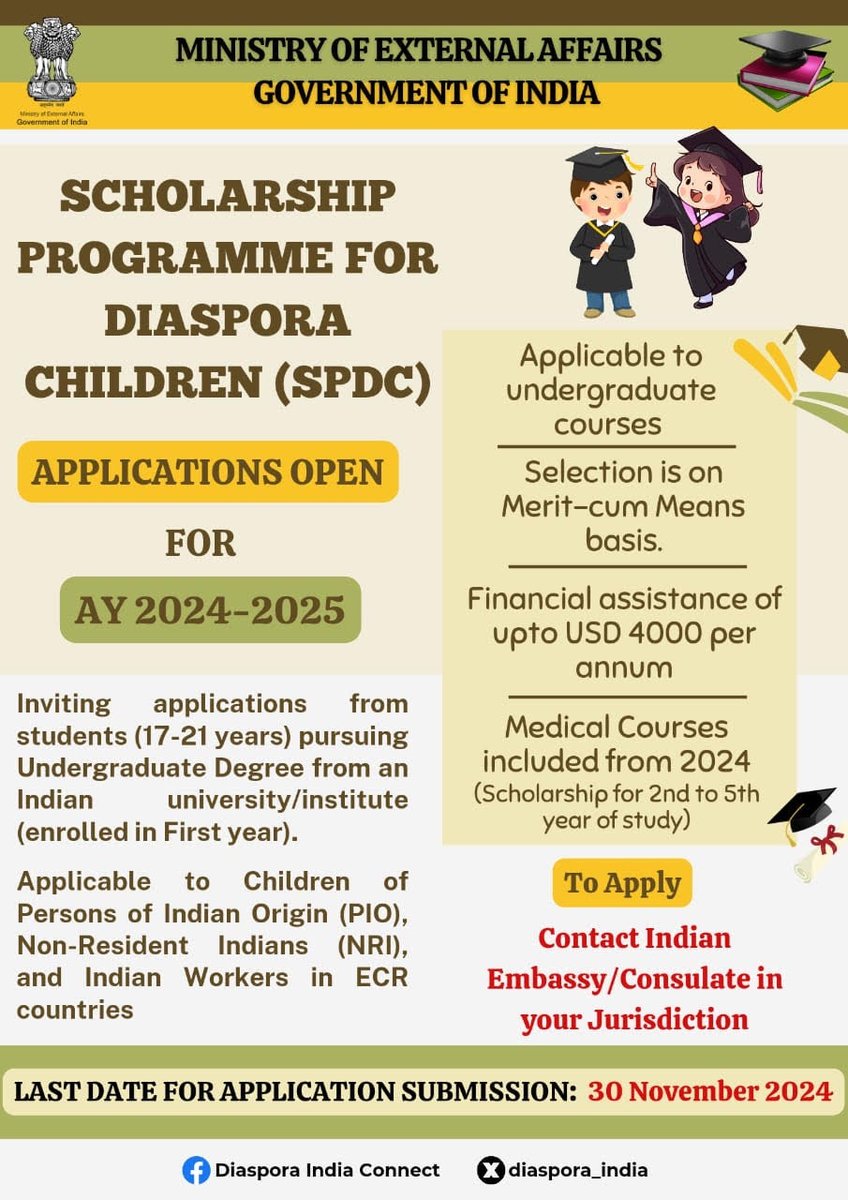
📢📢Scholarship Programme for Diaspora Children (SPDC) - scholarship scheme of @MEAIndia to assist the Children of Persons of Indian Origin (PIOs)/ Overseas Citizens of India (OCIs) and NRIs, pursuing Undergraduate courses in 🇮🇳 Universities/Institutes.
Scientists announced on Thursday a milestone in neurobiological research with the mapping of the entire brain of an adult fruit fly, a feat that may provide insight into brains across the animal kingdom, including people. https://t.co/Y2DPw2GVAU https://t.co/Y2DPw2GVAU
Unite mind, body and spirit on Yoga Day!
Join us on June 22 at Wanderers Cricket Stadium! Limited seats available...Hurry up and register now
https://t.co/e6zHj9hhKe
#InternationalYogaDay
🤖 Cell Culture: Implementing robotics and artificial intelligence
You’re watching a ‘LabDroid Maholo’ in action, a robotic #AI system that can help labs reliably and consistently produce useful cell types. #Robotics 6/13
https://t.co/lcbHaP5q4o













![JCRnEDITORS's tweet photo. An integrated long-acting implant of clinical safe cells, drug and biomaterials effectively promotes spinal cord repair and restores motor functions.
| Jianqing Gao @ZJU_China |
[50 days' free access]
#implant #hydrogel #SpinalCordRepair
https://t.co/zOz1xaD2TF https://t.co/gLkkVIPPiy](https://pbs.twimg.com/media/GXgrMauawAAB6nq.jpg)


