Partisan and racial gerrymandering is a massive threat to our democracy, much more so than minor restrictions on convenience voting. I hope the next Congress can craft a bipartisan deal that puts durable curbs on gerrymandering. Dems should think about what to offer in that deal.
Maybe this is obvious, but in addition to everything else, two structural reasons presidents hate the filibuster are (1) they have shorter political time horizons; and (2) they bear a disproportionate political brunt of policy inaction compared to Senators.
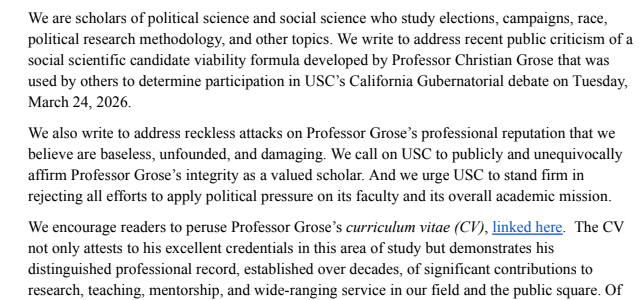
I am heartened by the large number of academics who have supported my academic integrity from across California and the United States. Leading scholars issued this statement below. 1/5
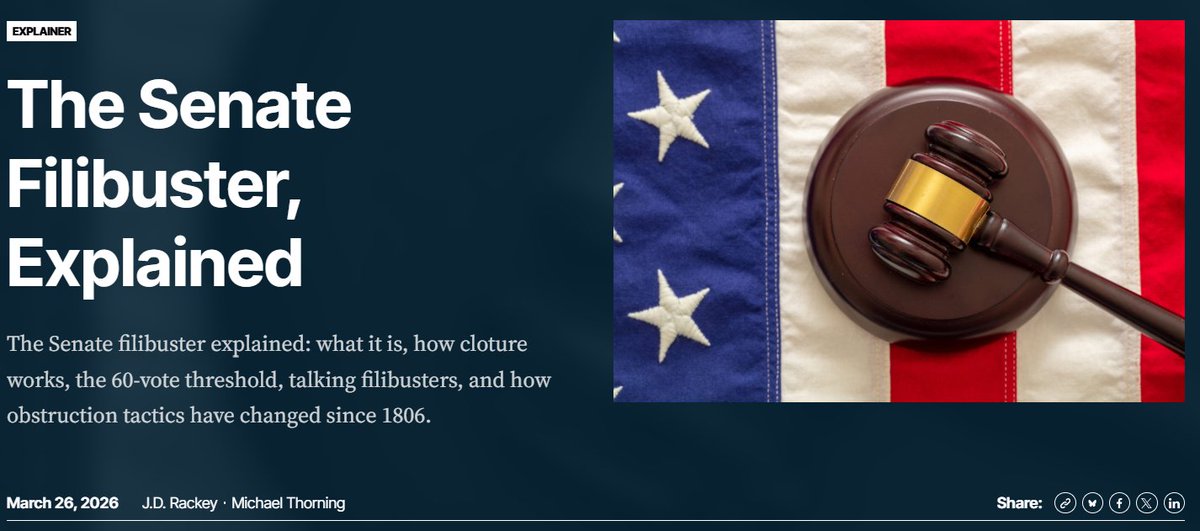
The filibuster has really been through the ringer the last few weeks (years?). Lies, damn lies, and even statistics.
My @BPC_Bipartisan colleague J.D. Rackey and I finally decided to put some ink to paper and give our best just-the-facts-ma'am explainer. 🔗⬇️
#OpenAccess from @PoliticsGenderJ -
How Do US Voters Respond to Candidates Using Campaign Funds for Childcare? Evidence From a Framing Experiment - https://t.co/PHZW6AcHTR
- Matthew J. Geras & @PMcLaughlin44#FirstView
📣 Out on #FirstView 📣
In "How do US Voters Respond to Candidates Using Campaign Funds for Childcare?", Matthew J. Geras & @PMcLaughlin44 use a framing experiment to assess the politics of parenthood in campaigning in 🇺🇸
🌟Available #OpenAccess🌟
https://t.co/igKiCF1cxe
Just published in PNAS (@PNASNews) : “Electing amateur politicians reduces cross-party collaboration”
We show that districts electing first-time members of the U.S. House experience substantial declines in bipartisan representation in the subsequent Congress.
🧵1/4
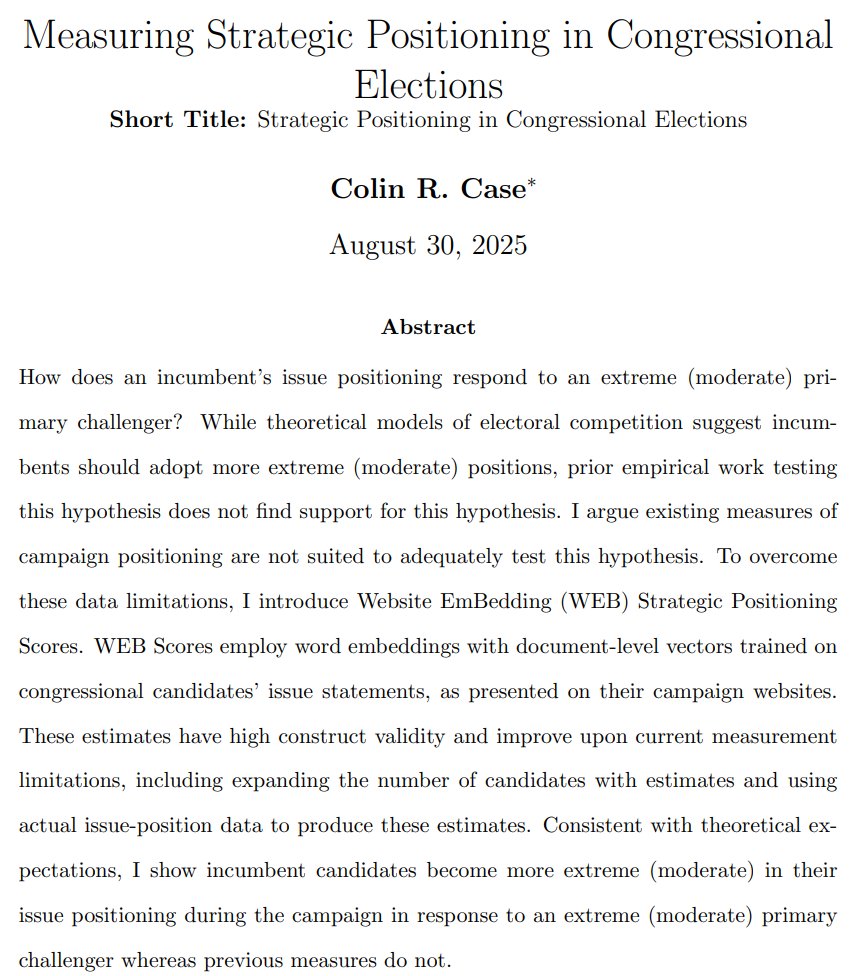
Excited to announce my paper, Measuring Strategic Positioning in Congressional Elections, is officially accepted and online @The_JOP here: https://t.co/Z8fiAlL0Ny
Quick thread on the paper below:
Congratulations to the 10 scholars who received grants for 2024-25 from the @TheLawmakers, a joint program of UVA Batten and Vanderbilt University. Meet the award recipients and learn about their research into legislative effectiveness.
https://t.co/VT27PrjsGr
Excited to share new @TheLawmakers working paper hoping to answer two broad questions:
1) Do U.S. Senators strategically adjust effectiveness & productivity ahead of re-election?
2) If Senators strategically adjust representation ahead of re-elect, are they rewarded?
paper🧵
What's the current status of causal inference in political science? Since the advent of the credibility revolution social scientists pay more attention to establishing cause-and-effect relationships. But how has poli sci responded to the new methods and trends? (1/n)
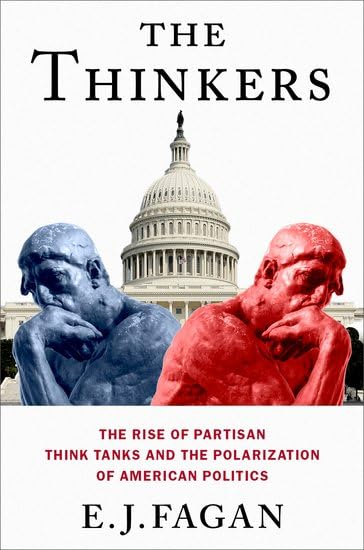
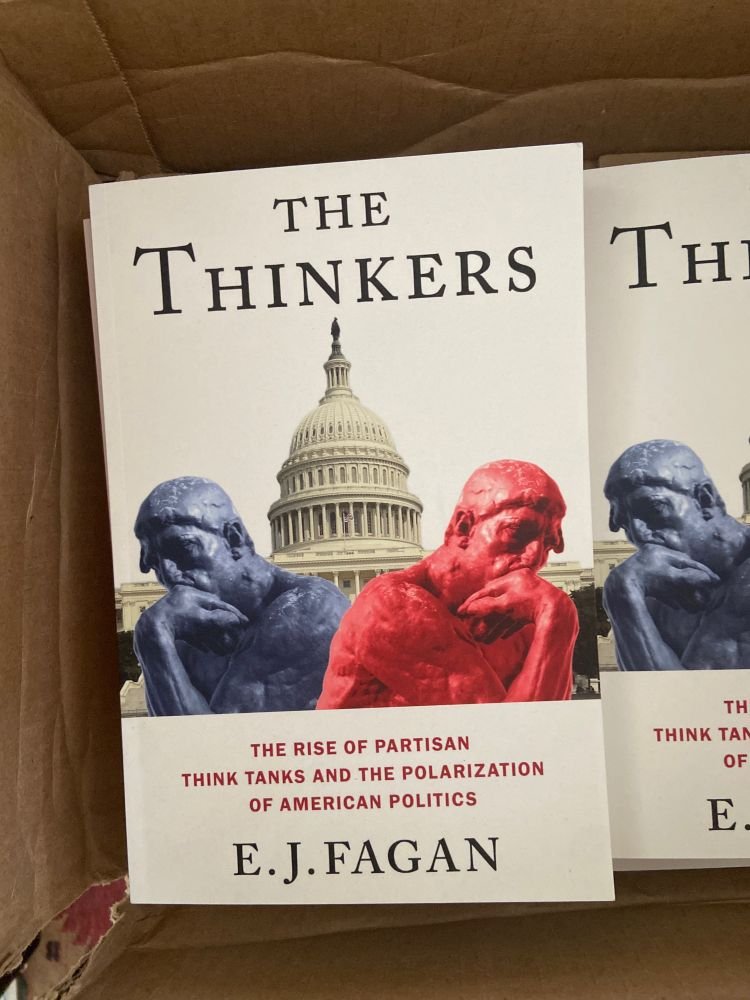
The Thinkers: The Rise of Partisan Think Tanks and the Polarization of American Politics, is officially published today!
The book tells the story of how partisan think tanks have impacted modern policy debates. Here's why you should consider it 1/ 🧵
https://t.co/Zii0ZuGs32