"It’s the job of every health care provider to actively counter misinformation, including that from “1-800-BAD-DRUG” ads."
Chloe Villavaso, MN, shares her experience with her patients dealing with #BadDrugAds.
Read more: https://t.co/3ehymTLV8n
"When I became an advanced practice nurse, I never thought I’d be competing with the television for my patient’s trust. Yet here I am."
Chloe Villavaso, MN, shares her experience with her patients dealing with #BadDrugAds.
Read more: https://t.co/3ehymTLV8n
💡Member Spotlight!💡
@HealthyWomen's mission is to educate women, ages 35 to 64, so they can make informed health decisions, advocate for themselves and prioritize their health and wellness.
Learn more: https://t.co/GhxrZHuMLh
By putting guard rails around “bad drug” ads, policymakers can help protect patients and promote a strong relationship between patients and their health care providers.
Watch to learn more: https://t.co/T2D4rg3SZG
Ominous TV ads disguised as health alerts or public service announcements can be more than just a nuisance.
Lawmakers are stepping in to protect people against the ads’ misleading tactics and their potentially dangerous health consequences.
Read more: https://t.co/GvFDuyP49z
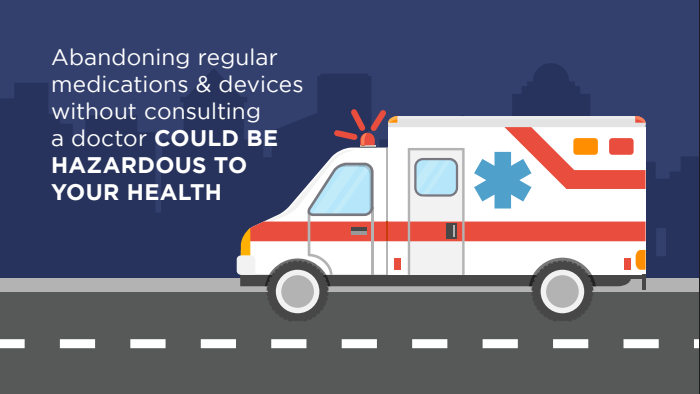
Research has found that "bad-drug" ads can frighten patients into abandoning critical life-saving medications without first consulting their health care provider.
Learn more: https://t.co/ZGwtzFKJ5p
Policymakers should require advertisements to properly warn patients that it is dangerous to stop taking a prescribed medication before consulting with a physician.
Read more: https://t.co/EvcMoXaeZo
By putting guard rails around “bad drug” ads, policymakers can help protect patients and promote a strong relationship between patients and their health care providers.
Watch to learn more: https://t.co/T2D4rg3SZG
PPPH raises awareness about the risk these "bad drug" ads pose for patients' health.
Learn more about our mission to protect patients: https://t.co/XhAJsKS6we
“Bad drug” advertisements perpetuate misleading information about @FDA-approved medications, urging patients to call a 1-800 number to join a lawsuit, alluding to potential payouts.
Learn more: https://t.co/Q4r1dtFVD5
#DYK? More than half of health care providers have had a patient, without consulting their doctor, stop taking a prescribed medication after seeing ads about drug injury lawsuits.
Learn more: https://t.co/5B5J5SbbnD
"It’s the job of every health care provider to actively counter misinformation, including that from “1-800-BAD-DRUG” ads."
Chloe Villavaso, MN, shares her experience with patients and #BadDrugAds.
Read more: https://t.co/3ehymTLV8n
Deceptive “bad drug” advertisements reveal a lapse in regulation on what is otherwise a highly regulated topic—patients and prescription drugs.
Read more in PPPH's policy paper: https://t.co/ZGwtzFKJ5p
"'Bad drug' ads exploit patients’ insecurities and can keep at-risk patients from seeking the care they need."
Read an interview with Chloe Villavaso, MN, APRN, to learn more: https://t.co/vnskDxOSZU
Reviewing proposals such as the American Medical Association’s resolution, which supports a legislative or regulatory requirement to ensure ethical attorney advertising, can help regulators and policymakers chart a pathway forward.
Learn more: https://t.co/ZGwtzFKJ5p
"Physicians can support efforts to enhance regulations on 'bad drug' advertising by writing to their state legislators and members of Congress."
Frank Lavernia, MD, shares how physicians can help with #BadDrugAds.
Read more: https://t.co/LuyheKeen0