Thank you to our community who have engaged with us on this account over the years. We will no longer be posting here, but please do follow us on LinkedIn, Bluesky and Instagram to stay up to date with our latest news and research.
Looking to submit your work to a themed collection? We have collections open in Glycobiology, Immunology, Homeostasis, and more! Visit our website to discover our open collections and submit your best work: https://t.co/AOGYEWt6LG
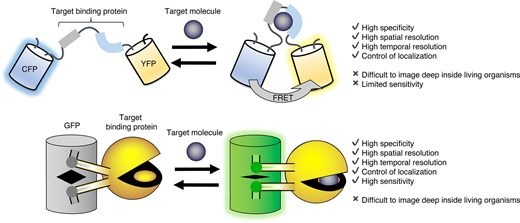
How can we see metabolism in living systems? This article in The Biochemist explores how biosensors, from enzyme electrodes to fluorescent proteins, illuminate metabolic dynamics in vivo. https://t.co/cutWng7BqJ
Bacteria have evolved clever ways to hijack host ubiquitin and Ub-like signaling processes. New review explores the current knowledge on bacterial manipulation of Ubl signaling, via secreted effectors that target SUMO, NEDD8, ISG15, UFM1, FAT10, and LC3. https://t.co/tlhZ6pKeFR
Hear from our 2025 AstraZeneca award winner, Professor Róisín M. Owens, as she describes how bioelectronic tools are being used to study the gut-brain axisin our recent issue of The Biochemisthttps://doi.org/10.1042/bio_2026_105
With a variety of new discoveries in immune response challenging the traditional framework, we’re excited to announce our special themed collection, ‘Shifting paradigms in immunity: New cells, or new functions for old cells’. Submit your best work here: https://t.co/EodiPBrN3v
Check out the latest issue of Bioscience Reports, featuring research on biochemical techniques cancer, enzymology, cardiac function, vascular function vascular biology, gene expression, inflammation, biomarkers and metabolismhttps://ow.ly/yHcx50Yxj99
As a Society publisher, we return all profits to the molecular bioscience community in support of @BiochemSoc’s charitable activities, contributing to their programme of events and training, grants and awards, and much more. Find out more https://t.co/FfGjPe9tmb
Resarch from Professor Sharon Ricardo's team shows how kidney injury progresses differently between the sexes - highlighting how bodies can respond to disease differently #CKD#SexDifferences https://t.co/89LUoLqyhG
Struggling to get your head around some fundamental techniques in biochemistry or wondering where to start developing your knowledge? Have a look at our easy-to-follow Beginner's Guide series in the Biochemist for a wide variety of guides. https://t.co/6KdPzAS6wc
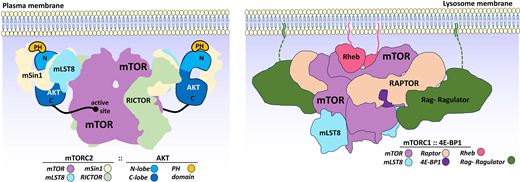
Explore the structural and mechanistic basis of the the PI3K/AKT/mTORpathway in this latest review from #biochemj#mTOR#AKT#PI3K#CancerBiology 🧪 https://t.co/2O2vAnoA05
With a variety of new discoveries in immune response challenging the traditional framework, we’re excited to announce our special themed collection, ‘Shifting paradigms in immunity: New cells, or new functions for old cells’. Submit your best work here: https://t.co/qa2kXvI0fc
Explore the structural and mechanistic basis of the the PI3K/AKT/mTORpathway in this latest review from #biochemj#mTOR#AKT#PI3K #CancerBiologyhttps://doi.org/10.1042/BCJ20253108
All Biochemical Journal papers undergo a rigorous peer review process; however, the Editorial Board is committed to ensuring that, if revisions are recommended, extra experiments not necessary to the paper will not be asked for. https://t.co/QROqPCdAz8
As a Society publisher, we return all profits to the molecular bioscience community in support of Biochemical Society charitable activities, contributing to their programme of events and training, grants and awards, and much more. 🧪 Find out more https://t.co/KhnatIVdDq
Inhibition of angiotensin II AT1 and endothelin ETA receptors has emerged as treatment of chronic progressive kidney disease. Read mechanisms of nephroprotection by dual ET receptor type A and angiotensin receptor type 1 antagonist Sparsentan https://t.co/UnBXFiAwCs
Today is #WorldKidneyDay, a global campaign dedicated to raising awareness about the importance of kidney health. Take a look at some research and review articles we’ve put together on the subject in the thread below
The kidneys are particularly susceptible to ischemia-reperfusion injury. This research investigates inhibition of the necroptosis pathway in a model of ischemia-reperfusion induced acute kidney injury. https://t.co/cd8EF83kra #OpenAccess