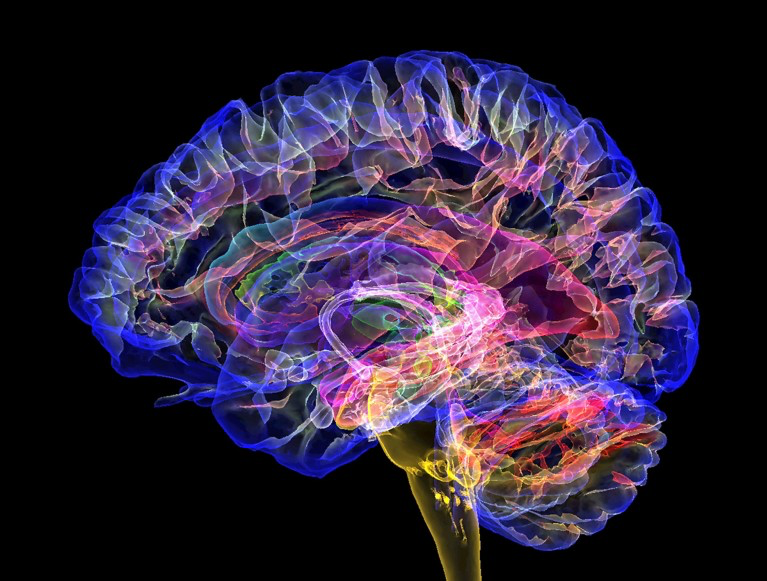
For more than 20 years, Norwegian neuroscientist Audrey van der Meer has investigated how handwriting shapes the human brain.
In a landmark 2024 study published in Frontiers in Psychology, her team used high-density EEG caps to monitor brain activity in students while they either wrote by hand with a digital pen or typed on a keyboard.
The difference was dramatic. Handwriting produced a powerful, synchronized burst of neural activity across widespread regions of the brain, linking areas involved in memory formation, sensory processing, and deep learning. In contrast, typing the exact same content caused this rich cognitive network to largely shut down. Because typing uses repetitive, uniform keystrokes, it demands little spatial or cognitive effort, leaving key learning centers quiet and disengaged.
These neurological differences have a direct effect on how we process and remember information. Earlier research by Pam Mueller and Daniel Oppenheimer at Princeton University reached similar conclusions. Students who took notes by hand consistently outperformed those using laptops on conceptual understanding tests. Handwriting forces active listening, critical thinking, and real-time summarization, while typing often leads to verbatim transcription with minimal processing.
Our brains function as part of an embodied biological system. Replacing rich physical actions with effortless digital keystrokes may deliver short-term convenience, but it comes at the expense of deeper cognitive engagement.
The solution is simple and timeless: pick up a pen.
[Van der Meer, A. L. H., et al. (2024). Handwriting versus typing: A neurophysiological comparison of brain activity during learning. Frontiers in Psychology, 15. DOI: 10.3389/fpsyg.2024.1234567]
SpaceX is actively hiring world-class engineers/physicists for SpaceXAI, even if you have zero prior experience in AI. Smart humans figure it out fast.
Please send an email with ~3 bullet points demonstrating evidence of exceptional ability to [email protected].
Dairy Queen CEO says he learned from Warren Buffett being the ‘smartest person in the world’ isn’t the most important attribute for success https://t.co/kBHRfefrLA
Professor tells college class that critical thinking is not important: 'They grade assignments with AI, they respond to emails with AI, the teacher's assistant is AI.' - Memebase - Funny Memes https://t.co/1G19gWKL9o
Don’t feel qualified? Nobody does.
You can only be qualified to do that which you have already accomplished or trained for.
Anything new is accomplished by unqualified people.
"You can't teach an old dog new tricks" is a lie.
As a neuroscientist, here are 6 ways to improve neuroplasticity at ANY age:
1. Go for a walk
Exercise releases a protein called BDNF. It tells your neurons to grow stronger and form new connections.
A reminder from Atomic Habits:
New goals don't deliver new results. New lifestyles do. And a lifestyle is a process, not an outcome. For this reason, all of your energy should go into building better habits, not chasing better results.
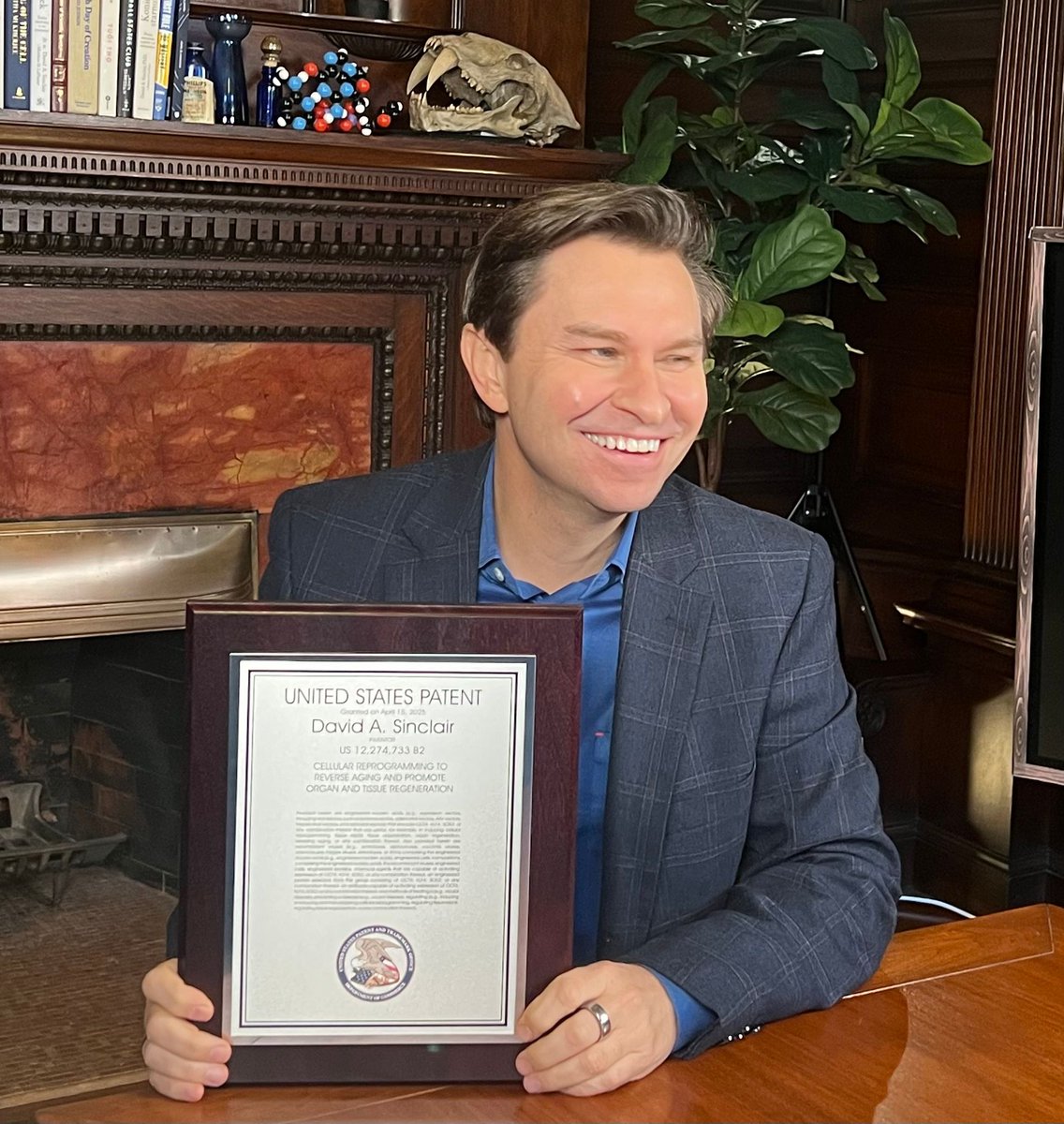
Patent granted! Super proud of the team’s invention of the first truly safe age-reversal technology - for healing injuries, treating diseases, and hopefully extending human lifespan @Y_Ryan_Lu
The perfect example of how a bassist can be the beating heart of a band.
A legendary player with Primal Scream, the backbone of The Stone Roses' groove. RIP Gary ‘Mani’ Mounfield x







![Rainmaker1973's tweet photo. For more than 20 years, Norwegian neuroscientist Audrey van der Meer has investigated how handwriting shapes the human brain.
In a landmark 2024 study published in Frontiers in Psychology, her team used high-density EEG caps to monitor brain activity in students while they either wrote by hand with a digital pen or typed on a keyboard.
The difference was dramatic. Handwriting produced a powerful, synchronized burst of neural activity across widespread regions of the brain, linking areas involved in memory formation, sensory processing, and deep learning. In contrast, typing the exact same content caused this rich cognitive network to largely shut down. Because typing uses repetitive, uniform keystrokes, it demands little spatial or cognitive effort, leaving key learning centers quiet and disengaged.
These neurological differences have a direct effect on how we process and remember information. Earlier research by Pam Mueller and Daniel Oppenheimer at Princeton University reached similar conclusions. Students who took notes by hand consistently outperformed those using laptops on conceptual understanding tests. Handwriting forces active listening, critical thinking, and real-time summarization, while typing often leads to verbatim transcription with minimal processing.
Our brains function as part of an embodied biological system. Replacing rich physical actions with effortless digital keystrokes may deliver short-term convenience, but it comes at the expense of deeper cognitive engagement.
The solution is simple and timeless: pick up a pen.
[Van der Meer, A. L. H., et al. (2024). Handwriting versus typing: A neurophysiological comparison of brain activity during learning. Frontiers in Psychology, 15. DOI: 10.3389/fpsyg.2024.1234567]](https://pbs.twimg.com/media/HK3ZQv6XYAAmoBX.jpg)