𝐒𝐭𝐫𝐞𝐧𝐠𝐭𝐡𝐞𝐧𝐢𝐧𝐠 𝐈𝐧𝐝𝐢𝐚–𝐍𝐞𝐰 𝐙𝐞𝐚𝐥𝐚𝐧𝐝 𝐏𝐨𝐥𝐚𝐫 𝐂𝐨𝐨𝐩𝐞𝐫𝐚𝐭𝐢𝐨𝐧🇮🇳🤝🇳🇿
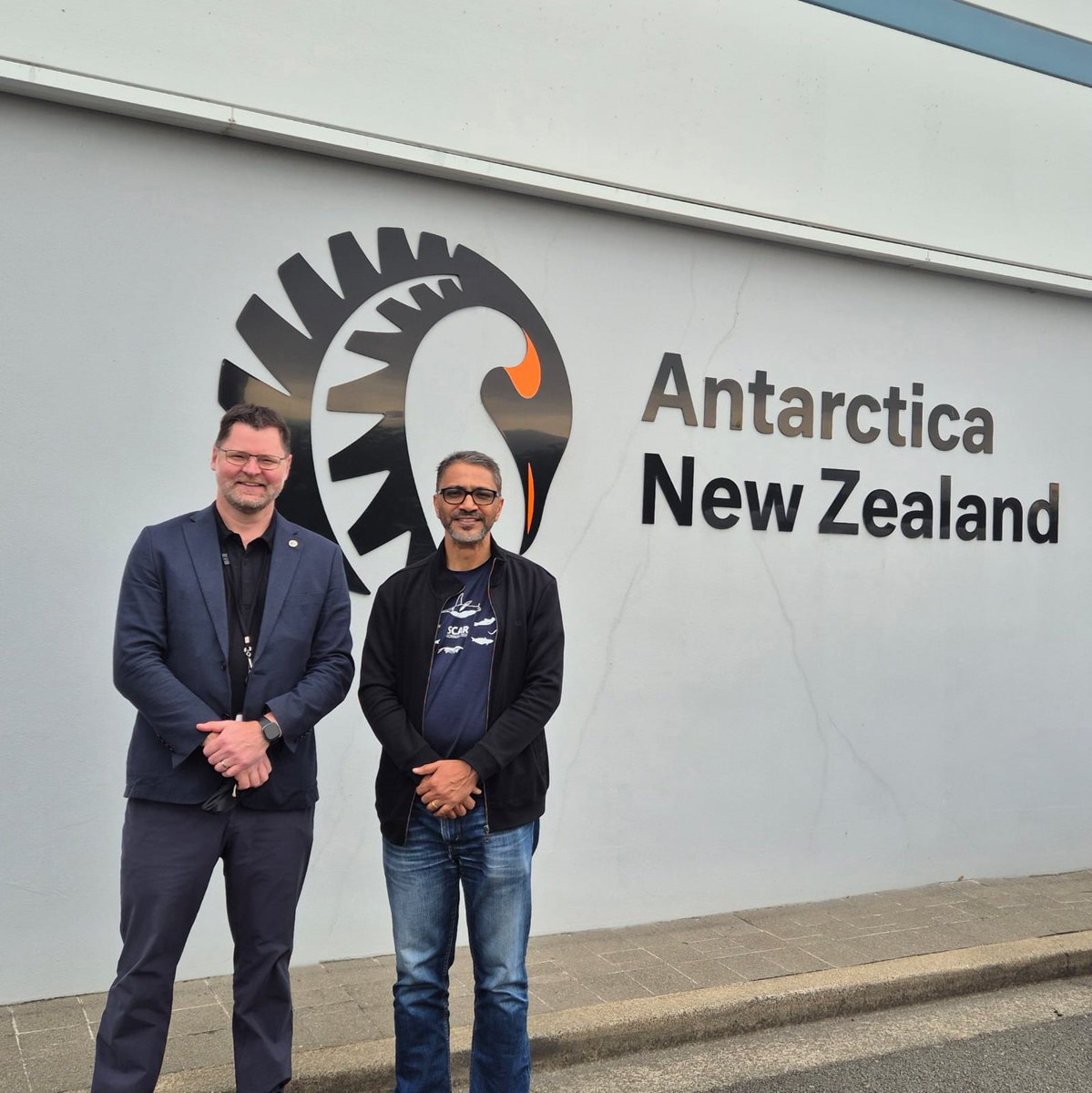
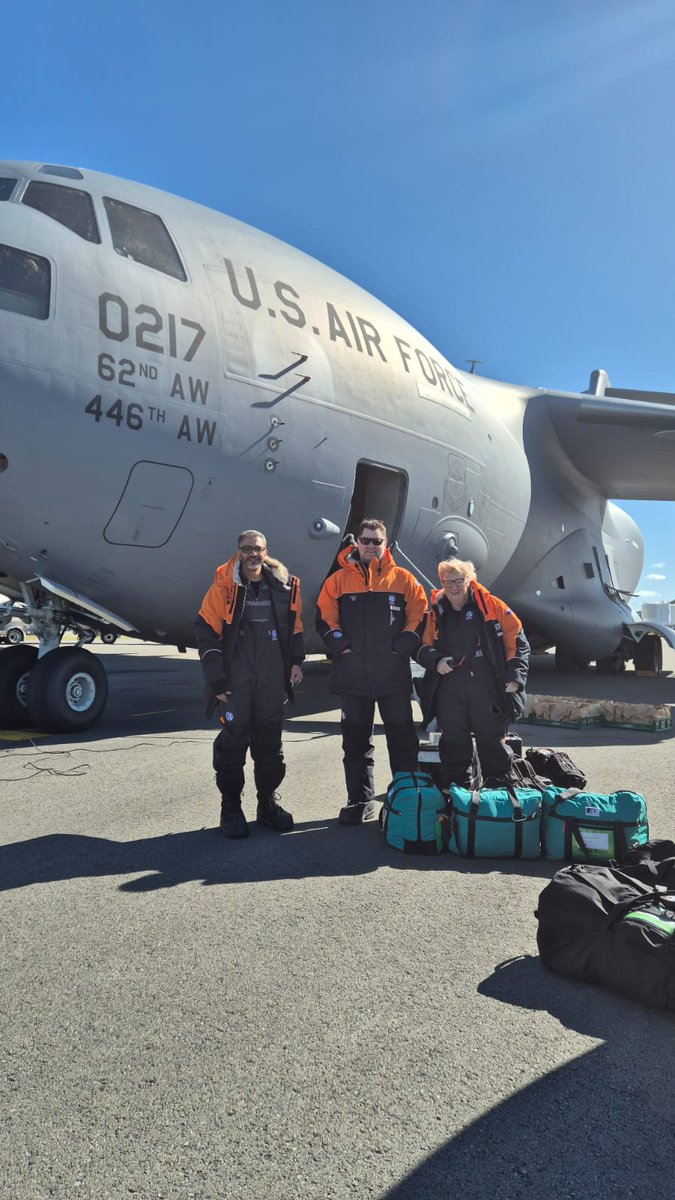
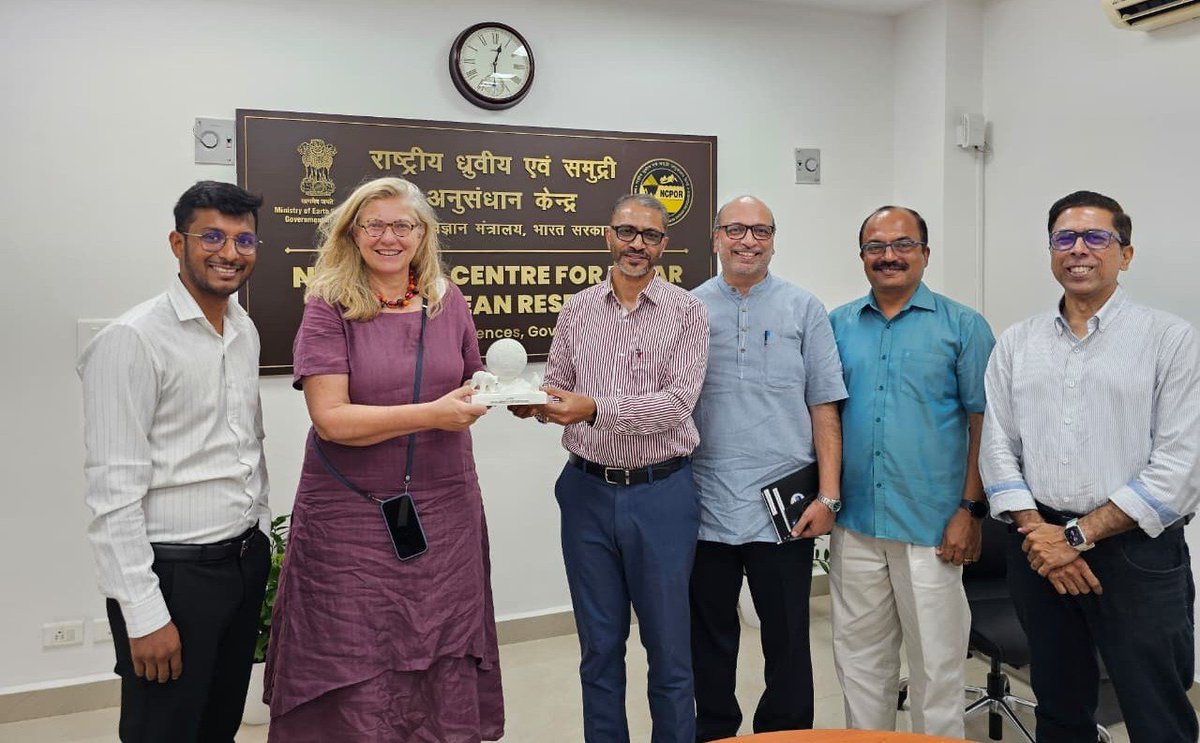
India–New Zealand polar partnership reached a new milestone with the visit of Dr. Thamban Meloth, Director, National Centre for Polar and Ocean Research (NCPOR), Ministry of Earth Sciences, Government of India, to Scott Base, Antarctica, from 31 October to 3 November 2026, at the invitation of Antarctica New Zealand (ANZ), #Christchurch.
He was joined by Dr. Jordy Hendrikx, CEO, Antarctica New Zealand. The visit provided valuable opportunities to exchange scientific and operational expertise, gain first-hand insights into New Zealand’s plans for the redevelopment of Scott Base, and visit the neighbouring US McMurdo Station, the largest research station in Antarctica.
With India operating two Antarctic research stations—#Maitri and #Bharati—the visit offered important insights into the complexities of station redevelopment, particularly as India plans to replace the Maitri station in the coming years.
He also delivered a presentation highlighting India's policy initiatives and the Government of India's growing commitment to strengthening Antarctic and Arctic research.
This engagement builds on the positive momentum generated by the high-level visit of the Hon’ble Prime Minister of India to New Zealand and the 2026 MoU between NCPOR and the University of Canterbury, further advancing scientific collaboration and polar cooperation between the two nations.
Working together for stronger polar science and a shared understanding of the Antarctic environment.
#IndiaNewZealand #PolarScience #Antarctica #NCPOR #AntarcticaNewZealand #InternationalCooperation
@PMOIndia@DrJitendraSingh@moesgoi@tummalasrini@TMeloth@PIB_India@PIB_Panaji
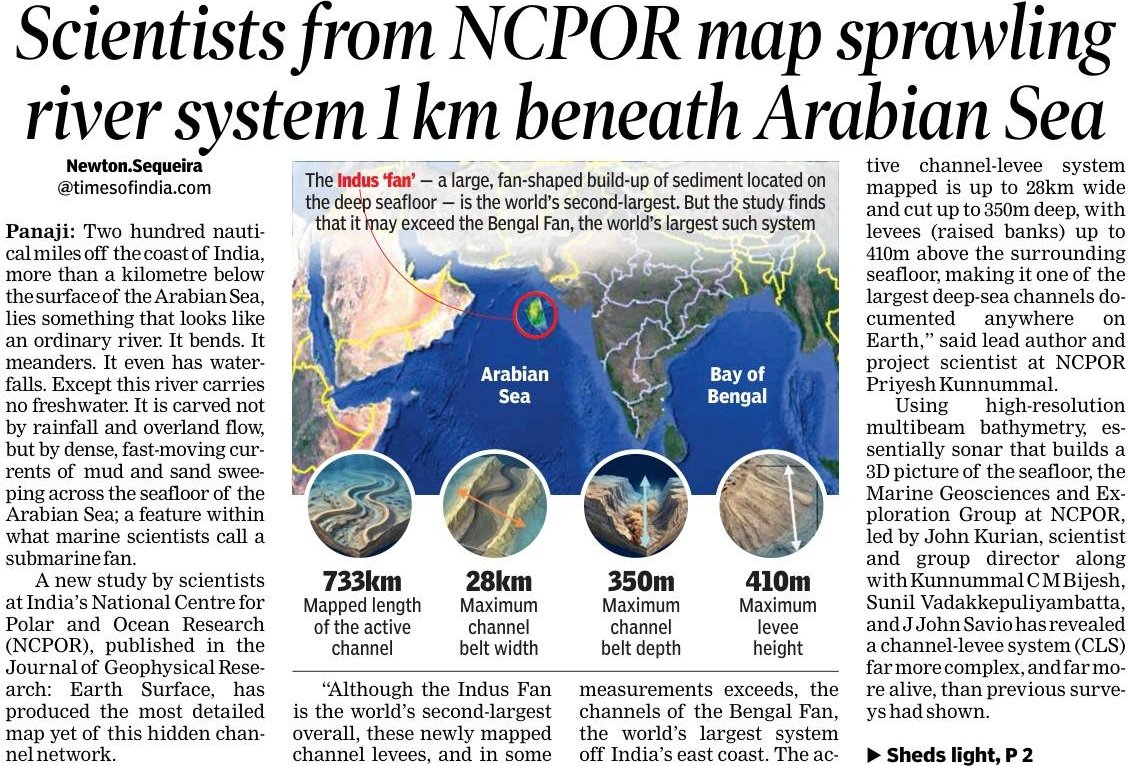
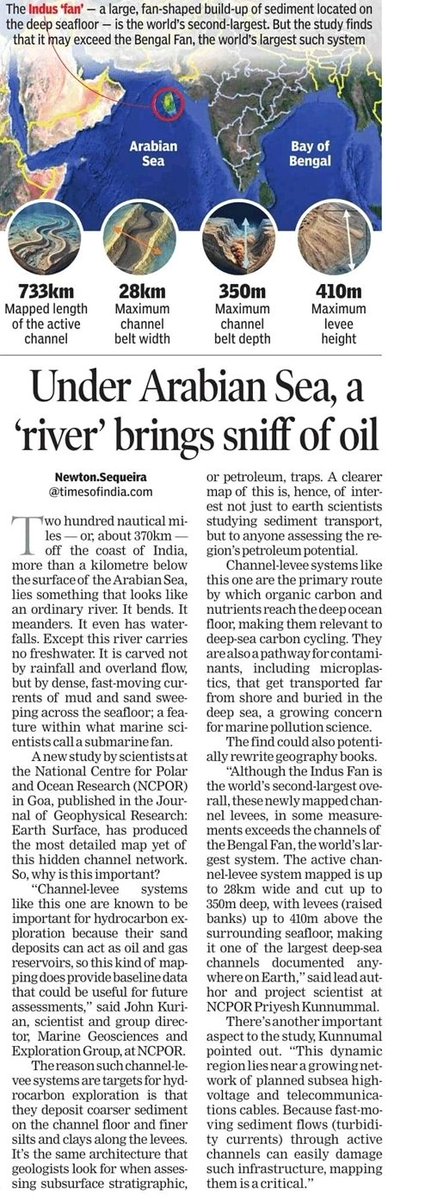
733 km active channel. 28 km wide. 410-meter levees. 🛢️
370 km off India's coast, a deep-sea discovery under the Arabian Sea could hold the key to India’s energy security. 🌊
The Discovery:
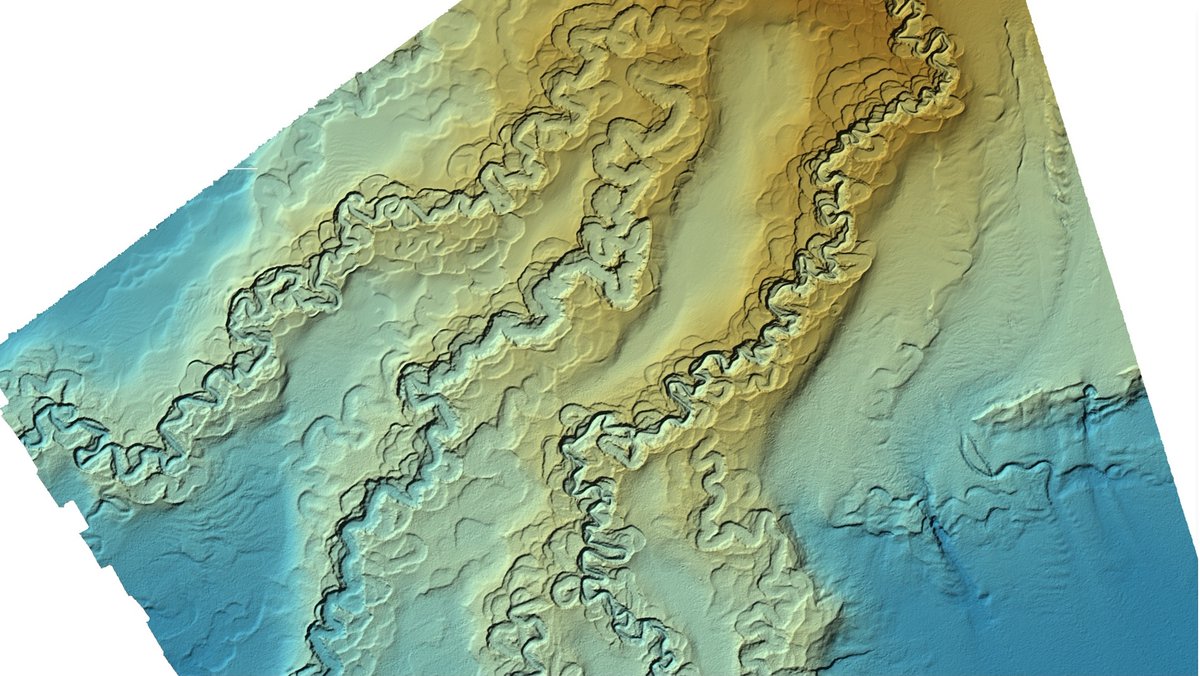
Scientists at the National Centre for Polar and Ocean Research (NCPOR, Goa) have produced the most detailed map yet of the Indus Fan’s channel-levee system in the Arabian Sea.
Carved by dense, fast-moving currents of mud and sand over 1,000 meters below the surface, this subsea channel network features meanders, canyons up to 350 meters deep, and underwater "waterfalls."
Why it matters for Energy and Infrastructure:
1. Hydrocarbon Exploration Potential:
Channel-levee architectures deposit coarse sand along channel floors and fine clays along levees, creating ideal natural stratigraphic traps for oil and gas reservoirs. This mapping provides critical baseline data for future deep-water exploration.
2.Protecting Subsea Infrastructure:
These active sediment flows (turbidity currents) can damage subsea assets. Accurate seabed mapping is essential for safely routing the growing network of underwater telecommunications and high-voltage power cables.
3. Marine Science & Carbon Cycling:
The system serves as a major pathway transporting organic carbon, as well as microplastics, from coastal zones straight to the deep ocean floor.
Strategic Way Forward:
• Integrate NCPOR bathymetric data into deep-water license planning with oil majors.
• Implement hazard-risk modeling for all subsea internet and energy cable corridors.
• Scale up indigenous deep-ocean mapping and exploration under India's Deep Ocean Mission.
Deep ocean geology is rapidly emerging as a central pillar of India's long-term energy and infrastructure resilience.
Watching where this takes us
cc: @moesgoi@PetroleumMin@ncaor_goa@DghIndia
By @NewtonSTOI
#EnergySecurity #OilAndGas #DeepOceanMission #ArabianSea #Geopolitics #OffshoreExploration
Two hundred nautical miles off the coast of India, more than a kilometre below the surface of the Arabian Sea, lies something that looks like an ordinary river. It bends. It meanders. It even has waterfalls. Except this river carries no freshwater. It is carved not by rainfall and overland flow, but by dense, fast-moving currents of mud and sand sweeping across the seafloor of the Arabian Sea; a feature within what marine scientists call a submarine fan. Read on to know more...
𝐒𝐭𝐫𝐞𝐧𝐠𝐭𝐡𝐞𝐧𝐢𝐧𝐠 𝐈𝐧𝐝𝐢𝐚’𝐬 𝐌𝐚𝐫𝐢𝐧𝐞 𝐆𝐞𝐨𝐬𝐜𝐢𝐞𝐧𝐜𝐞 𝐂𝐚𝐩𝐚𝐛𝐢𝐥𝐢𝐭𝐢𝐞𝐬
The National Centre for Polar and Ocean Research (NCPOR) and the Marine & Coastal Survey Division (M&CSD), Geological Survey of India (GSI), signed an MoU on 10 August 2026 to advance collaborative marine geoscientific research under the broader Indian EEZ Programme.
The collaboration will initially focus on:
🔹 Seamount exploration in the Lakshadweep Sea
🔹 Submarine geohazard & vulnerability studies along the Indian continental margins
The MoU was signed by Dr. Thamban Meloth, Director, NCPOR, and Dr. N. Mohamed Shareef, DDG & HoD, M&CSD,GSI.
The signing brought together experts from both organisations, marking another step towards strengthening India’s understanding, exploration and sustainable use of its marine resources and seabed.
#NCPOR #GSI #MarineGeoscience #IndianEEZ #OceanScience #Geohazards #MarineResearch
@moesgoi@TMeloth@GeologyIndia@PIB_Panaji
BRICS Working Group Meeting on Ocean and Polar Science & Technology
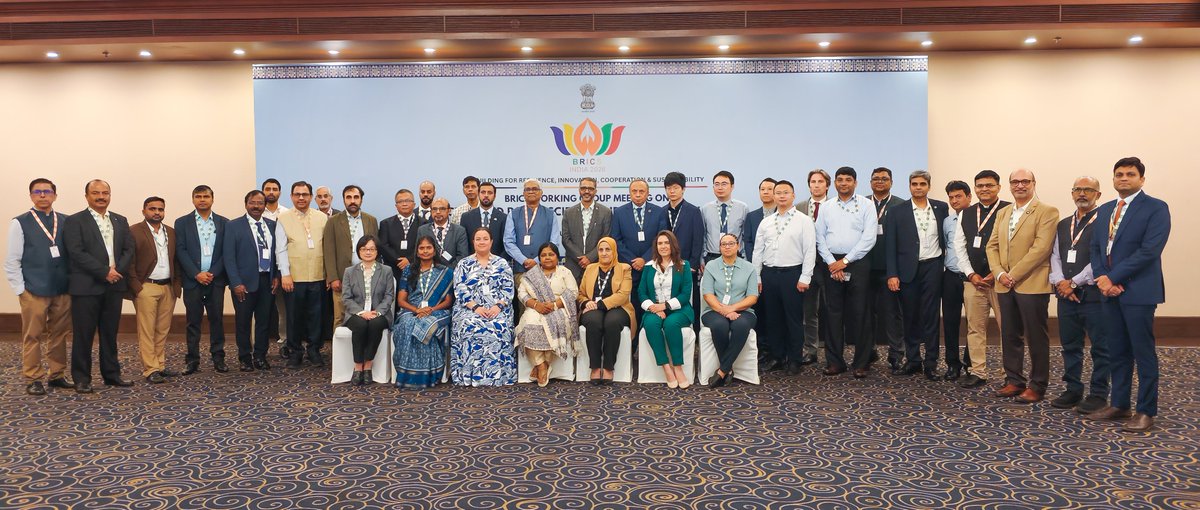
India is hosting the BRICS Working Group Meeting on Ocean and Polar Science & Technology (OPST) in Goa from 12–14 August 2026, convened by the National Centre for Polar and Ocean Research (NCPOR), Ministry of Earth Sciences.
The meeting commenced with Dr. Thamban Meloth, Director, NCPOR and Chair of the 8th BRICS OPST Working Group Meeting, welcoming delegates from the BRICS nations.
The inaugural session featured a keynote address on “India’s Blue Economy Initiatives” by Dr. Madhavan Nair Rajeevan, Chief Guest, Vice Chancellor, Atria University and Former Secretary, Ministry of Earth Sciences, Government of India. In his address, he highlighted the strategic importance of India’s Blue Economy, with emphasis on sustainable ocean resources, deep-sea exploration and scientific research. He also spoke on the Deep Ocean Mission and the need for technology, marine science and international cooperation to harness ocean resources responsibly.
Over the three-day meeting, delegates will deliberate on key areas of cooperation, with a focus on strengthening scientific collaboration, knowledge exchange and coordination among BRICS nations in ocean and polar science and technology.
Advancing collaboration. Connecting nations. Shaping a sustainable future for our oceans and polar regions.
#BRICS2026 #BRICSIndia
@PMOIndia@narendramodi@mygovindia@MEAIndia@BricsIndia2026@OfficeOfDrJS@DrJitendraSingh@tummalasrini@TMeloth@PIB_India@MIB_India
𝐄𝐱𝐩𝐥𝐨𝐫𝐢𝐧𝐠 𝐒𝐜𝐢𝐞𝐧𝐭𝐢𝐟𝐢𝐜 𝐂𝐨𝐥𝐥𝐚𝐛𝐨𝐫𝐚𝐭𝐢𝐨𝐧
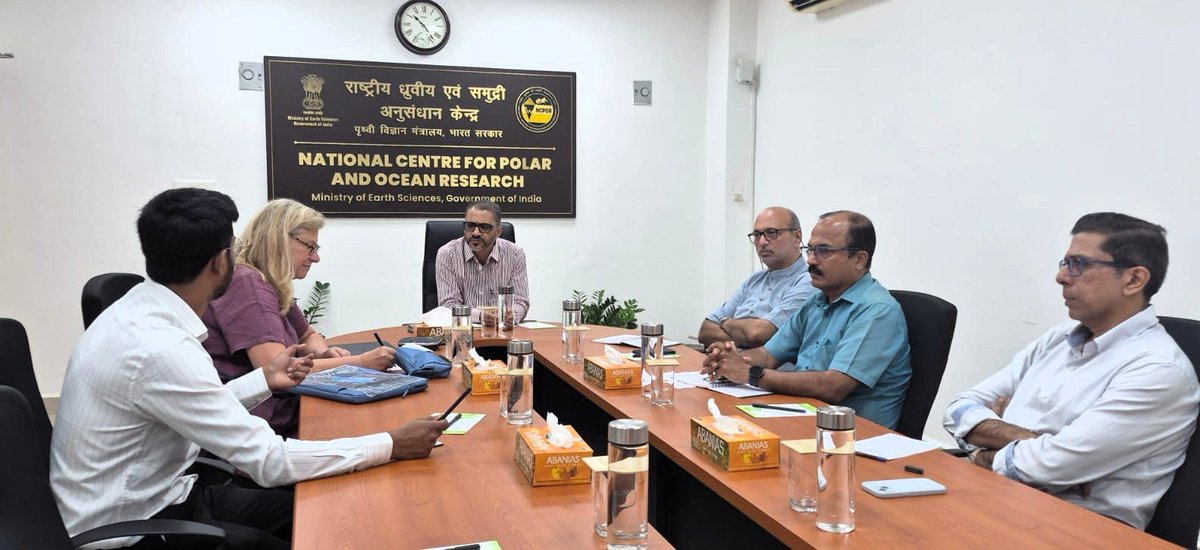
NCPOR welcomed a team from the National Institute of Oceanography and Applied Geophysics (#OGS), Italy, and the University of Padova, Italy on 3 August, 2026. Director Dr. Thamban Meloth and NCPOR senior scientists discussed on advancing collaborative research, with a special focus on marine landslides, geohazards, and ocean sciences.
#NCPOR #InternationalCollaboration #OceanScience #MarineGeohazards #EarthScience
@moesgoi@TMeloth@PIB_India@PIB_Panaji
Hidden Rivers Beneath the Arabian Sea
NCPOR study unveils a remarkable network of underwater channels in the Upper Indus Fan. High-resolution seafloor mapping reveals how submarine rivers migrate, abandon old pathways, and carve new ones, offering fresh insights into the evolution of one of Earth's largest deep-sea sediment systems.
To Read more check out the June issue of JGR Earth Surface: https://t.co/dI6vm0HSF1
#NCPORresearch #Ocean
@DrJitendraSingh@moesgoi@TMeloth@PIB_India@PIB_Panaji
Did you know massive river-like channels lie deep beneath the ocean? Our study in @JGREarthSurface maps one of Earth's largest submarine channel systems in the Arabian Sea—revealing how submarine fans work, and how beautiful they are, like rivers on land.
https://t.co/CTWvoEDclW
Thrilled to be at the stunning campus of @ncaor_goa, the nodal agency for Indian expeditions to polar regions and oceans. NCPOR stands as a global leader in polar scientific and operational activities.
Excited to see NCPOR leading India's strategic Deep Ocean Mission and contributing to the Blue Economy. The importance of polar regions in controlling weather patterns and preserving freshwater cannot be ignored.
Proud of the scientific expertise and strategic inputs provided by NCPOR. India's commitment is evident through the Arctic Policy and Antarctic Bill, ensuring responsible engagement in these vital regions.
Under the leadership of Hon'ble PM Shri @narendramodi ji, India is standing strong for the safety of poles and supporting future endeavors.
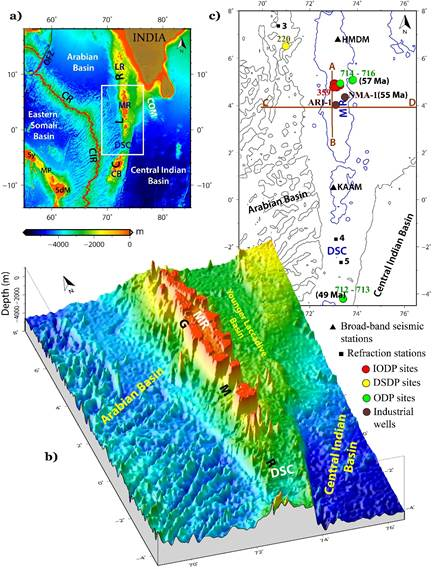
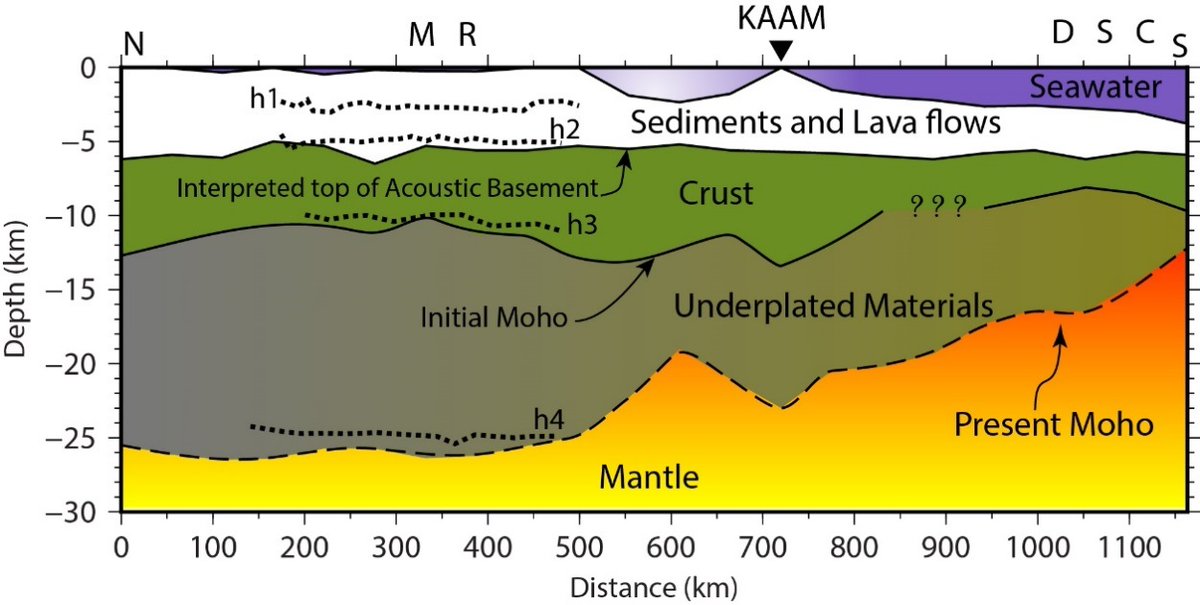
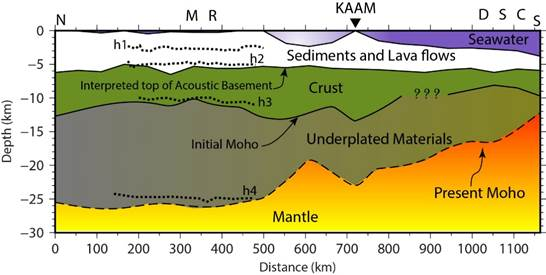
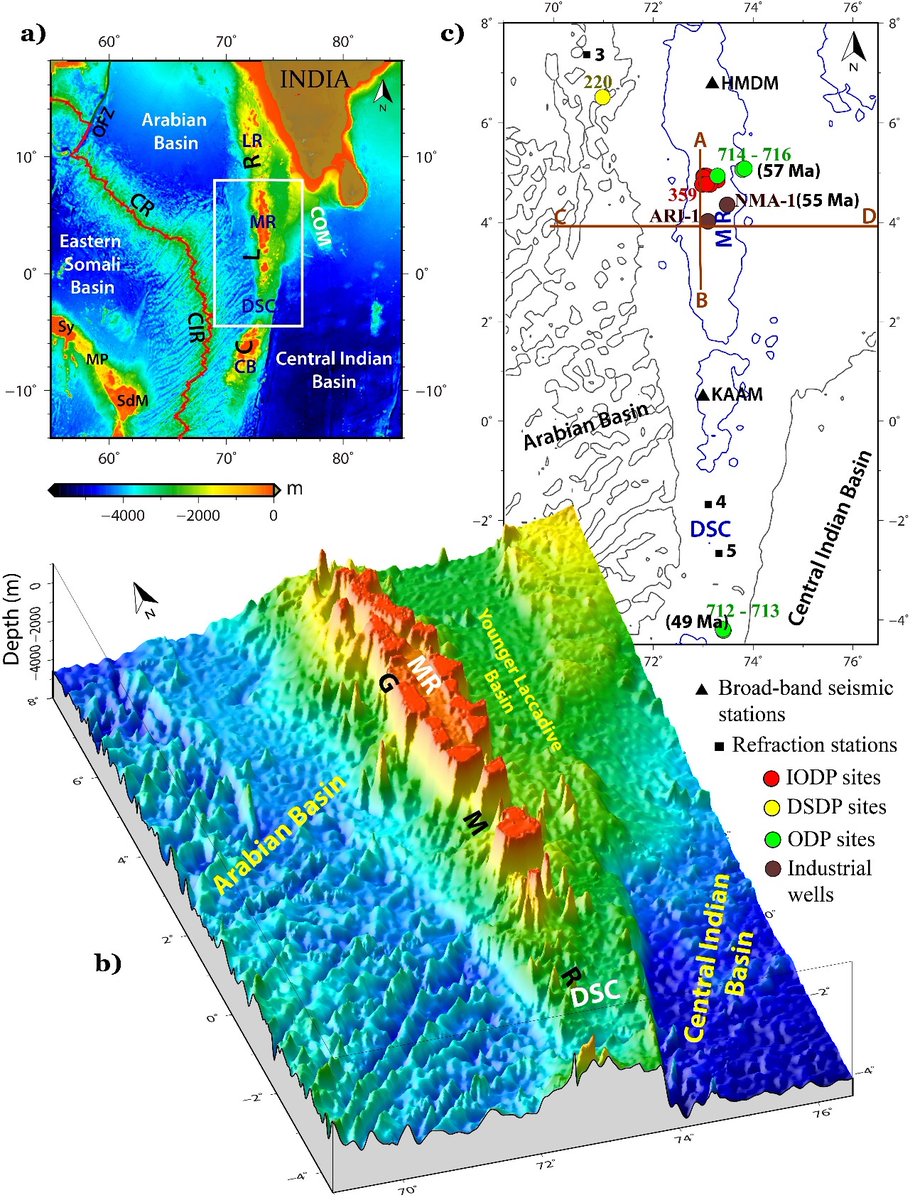
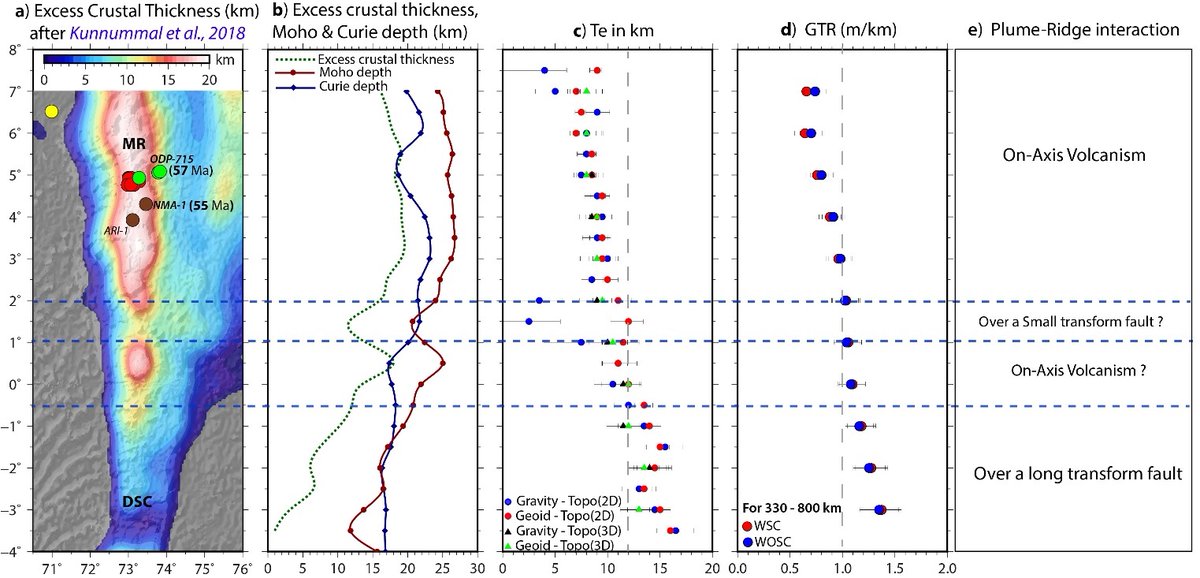
Unraveling tectonic evolution of Greater Maldive Ridge in the western Indian Ocean can reconstruct Gondwanaland break up & dispersal
Details: https://t.co/CLq1tY3scl
.@IIG_DST#researchers trace tectonic evolution & the nature of Greater Maldive Ridge (GMR)- a very crucial geodynamic features in western Indian Ocean whose origin has been centre of many a scientific debate.
@DrJitendraSingh@srivaric
🔗https://t.co/HOPwj6O1bD
A two day national conclave "Science & Technology Empowerment of Tribal Community" was inaugurated @IITGuwahati in the august presence of Hon’ble Minister of Tribal Affairs Shri @MundaArjun & Hon’ble Union Minister of State (I/C) Science & Technology @DrJitendraSingh .
The study can help reconstruct the original Gondwanaland break up and dispersal that led to present-day configuration of continents, continental fragments, and formation of ocean basins in the Indian Ocean. @IIG_DST