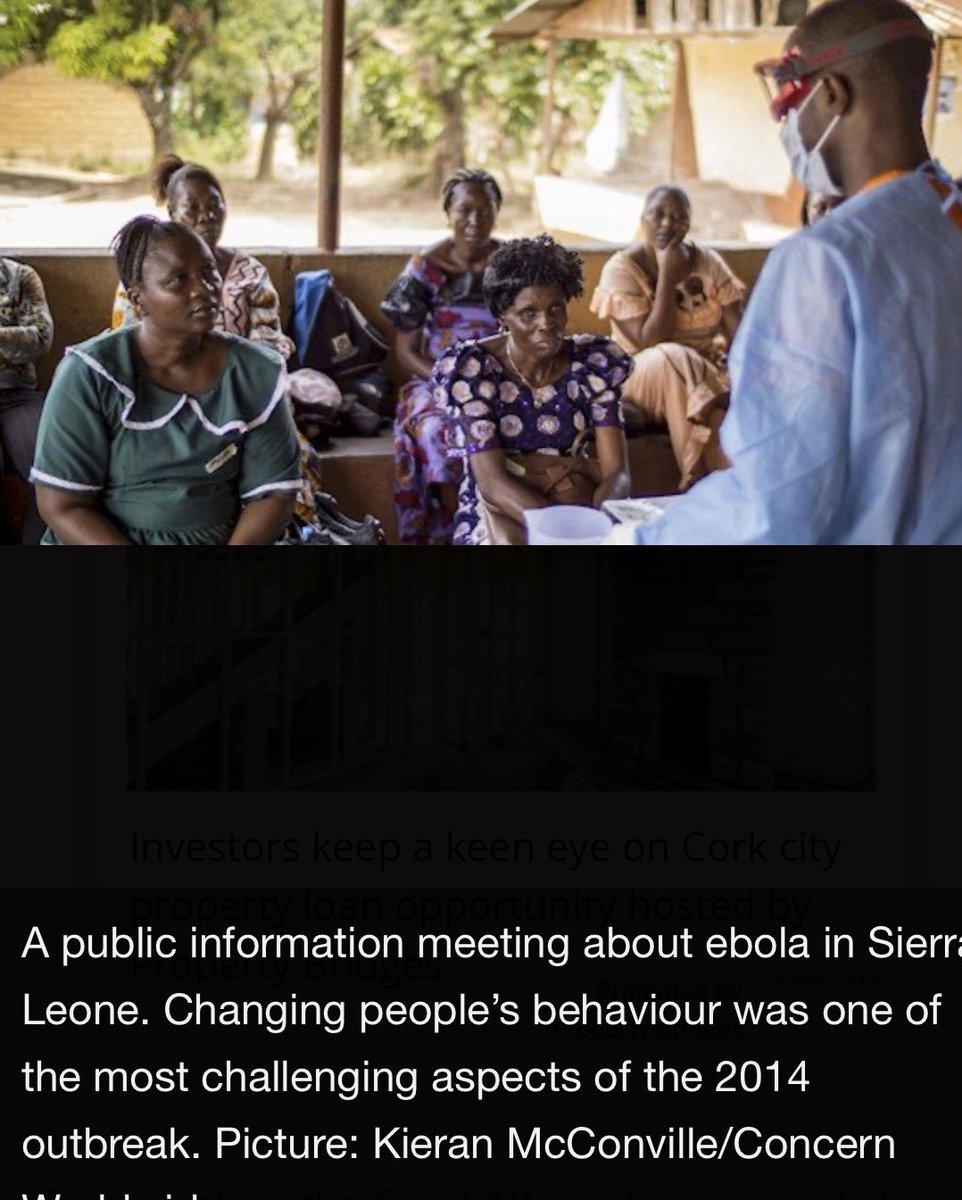
Thinking in particular of urban informal settings where lack of running water, poor sanitation facilities, informal and precarious livelihoods and overcrowded housing pose particular challenges in preventing and responding to spread of #COVIDー19
.@Concern, our main worry is for those who cannot distance themselves & for those who do not have enough water to wash their hands, whether they are crowded displacement camps of northern Syria, or in the tightly packed, informal settlements of Nairobi, Kinshasa.
The UN Human Rights Committee has determined that states may be obliged not to return persons to states where #ClimateChange places such persons' right to life at risk. https://t.co/khxHqhXZIv 1/2
#Flood in #Jakarta is not new. There are many studies and recommendations that can be taken from. Jakarta Flood is not only about technical, but also #coordination and #leadership. My previous book chapter (2018) on Jakarta Flood and Leadership https://t.co/NxUbQKx0XX
Interested in discussing good practice initiatives supporting those displaced in urban contexts?
Join our next webinar on Nov 5: 'Sharing local and global practice in addressing displacement in cities & towns'. Read more & register here >> https://t.co/YGOXKdjHij
A new article relating to root causes of displacement in Soacha, Colombia has been published by @cortesferrandez @deustoNOHA in Forced Migration Review https://t.co/6M1QmZtWxc
The @JournalofIHA is now accepting submissions to a special collection on the topic of #protection in #humanitarian contexts. Further details can be found at the following web-page: https://t.co/H0xJsJ7RbV
Ever wonder how does a think tank work? Do you want to try working in one? We've got something for you!
RDI is open for internship opportunity! More details on this can be seen from pictures below. Make sure to check out our website for more information! https://t.co/dT1XHE6cYo
Sinéad McGrath, PhD student at @UCDSPIRe, presented a paper entitled Gender, Displacement and Urban Resilience at the recent Social Practice of Human Rights conference
@UDaytonNews. Further details here: https://t.co/106loJb5GT
What skills-sets & key competencies are needed for effective urban humanitarian response?
Join our next webinar with ALNAP on October 3 as we unpack the issue and hear from humanitarians experienced in urban response.
Don't forget to register. Here >> https://t.co/ZkMOTcW3jm
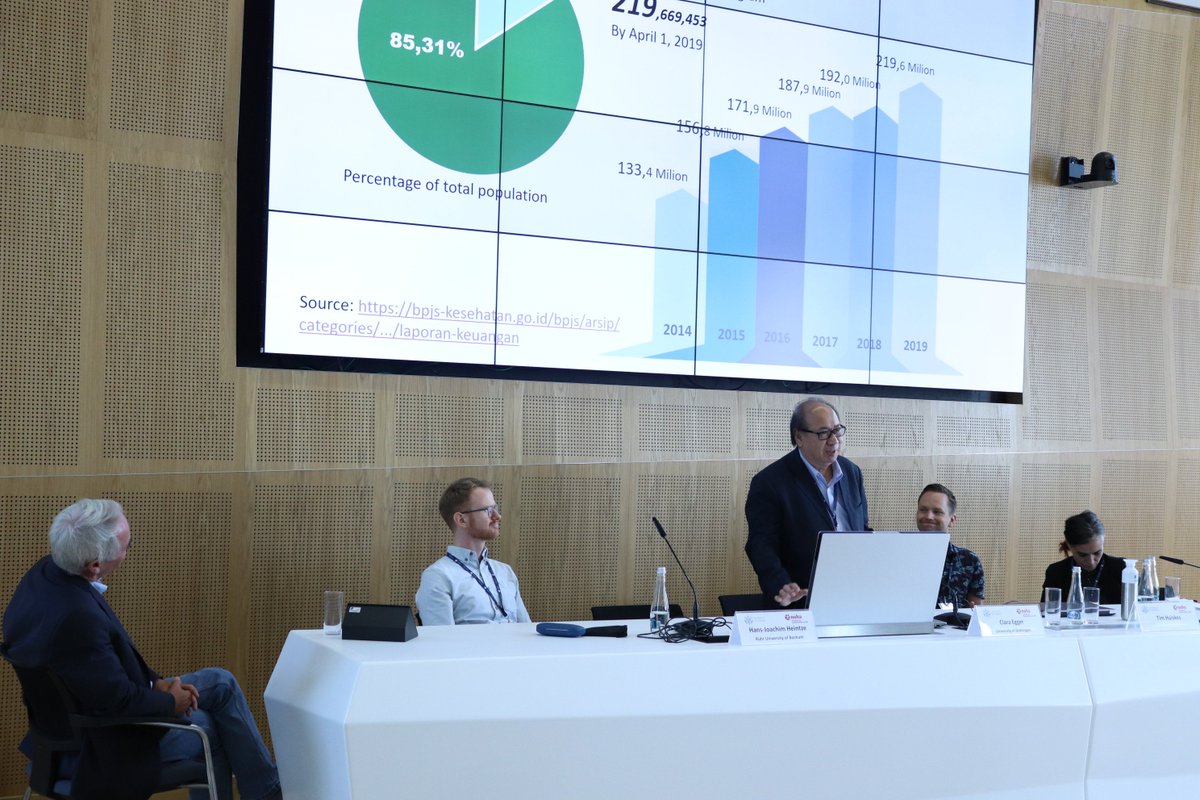
Further presentations focused on the relevance of legal frameworks to address #urban#conflict, the importance of broad and multi-scale understandings of urban security, and how health insurance encourages positive health-seeking behaviour in #Jakarta. 2/2
The @PRUVProject disseminated its findings to >150 students of the @NOHANetwork programme earlier this month. Importance of social capital, bottom-up approaches to #protection emphasised. Many thanks to @NOHAWarsaw for hosting us! 1/2
Many thks @aidwkr@Concern for inspiring address to >150 students on @NOHANetwork programme in Warsaw where @PRUVProject held end of project meeting. Challenges: funding shortfalls, access & IHL and drive to localise humanitarian system. #resilience not at odds w/ hum. principles
New call for articles now posted for February 2020 issue on Cities and towns. Deadline for submissions 4th November. Please share widely! https://t.co/eNDIq88EV0
New paper from @ODIdev Disasters journal proposes additional #humanitarian principle of #subsidiarity to complement the principles of #humanity, impartiality, neutrality and independence.
Are the #humanitarian principles fit for purpose? New paper proposes that new principle of #subsidiarity could complement existing principles & promote localisation: https://t.co/8TZjdRxtso. @agenda4humanity
New #paper from @PRUVProject: "The Humanisation of International Law – International Humanitarian Law’s Impact on Public International Law" by Prof Hans-Joachim Heintze #humanity#evenwarshavelimits@IFHV_Bochum https://t.co/SGtbo0HgKm