The BEAM lab published a fascinating paper about using technology to accelerate emergency interventions on historic buildings in post-disaster areas!
@kallas_joe 👇🏻👇🏻
https://t.co/BvPznzMcKp
@ElsevierConnect
The BEAM lab published a fascinating paper about using eye tracking to analyze an expert's gaze patterns during facade inspection. aims to improve autonomous robot inspections by understanding human attention and intent. https://t.co/WKLSCAsHZo #robotics#AI#facadeinspection
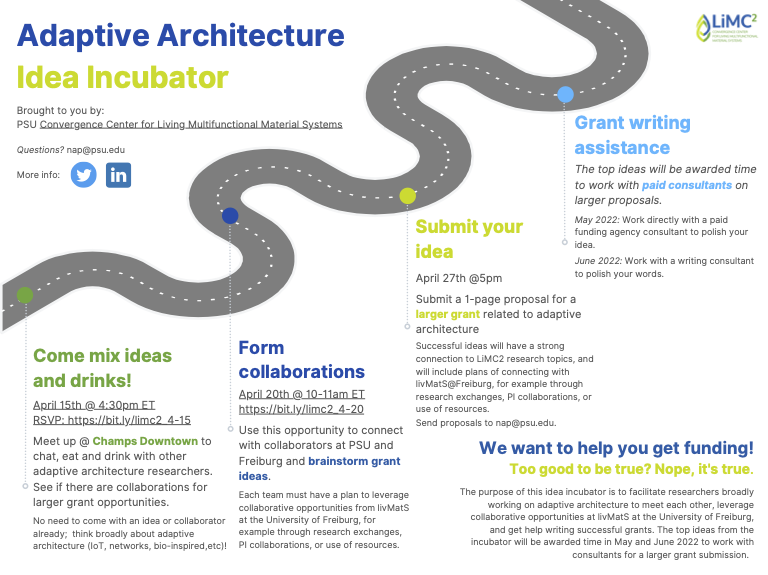
We are excited to be apart of this multidisciplinary research initiative into living materials with the University of Freiburg. #LiMC2 https://t.co/78KnPbfdqL
Our idea incubator will facilitate researchers broadly working on adaptive architecture to meet each other, leverage collaborative opportunities at livMats at the University of Freiburg + get help writing successful grants @livMatS_UniFR@PennStateMRI@PSUMechEng@IEEPennState
BEAM lab members recently participated in the evaluation of tornado damage as part of a Field Assessment Structural Team (FAST) part of the StEER Network. https://t.co/ujOpnSEbBR
Read about our collaboration with the ReAIM lab and Arguelles research group (@PennSUL ) to design a better cement for use in nuclear waste repositories. https://t.co/2utumUhLTD
Call for abstracts! EMI conference mini-symposium "Analysis of Heritage Structures: Tools and Methods for Assessing Unknowns in Historic Monuments and Structures"
Full description at https://t.co/3yXJRid8S0
Submit your abstract at https://t.co/vbq5nRstEm
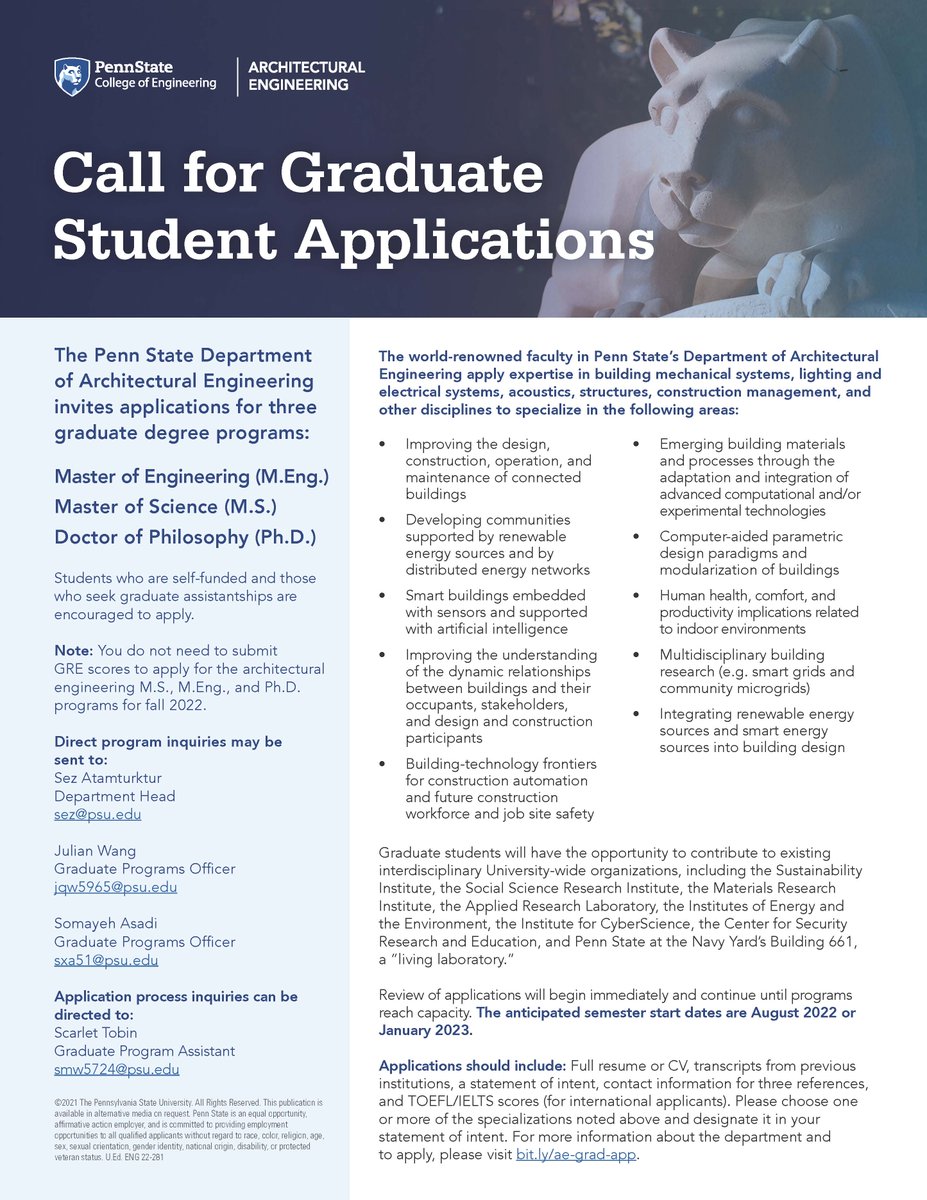
The application deadline for Penn State Architectural Engineering graduate program "standard consideration" is tomorrow. Remember to hit that submit button. #gradschool#ArchitecturalEngineering
Penn State Architectural Engineering graduate program is looking for M.Eng, M.S. & Ph.D. students. https://t.co/IKiXctdVNw @PSU_AE #Gradschool#ArchitecturalEngineering
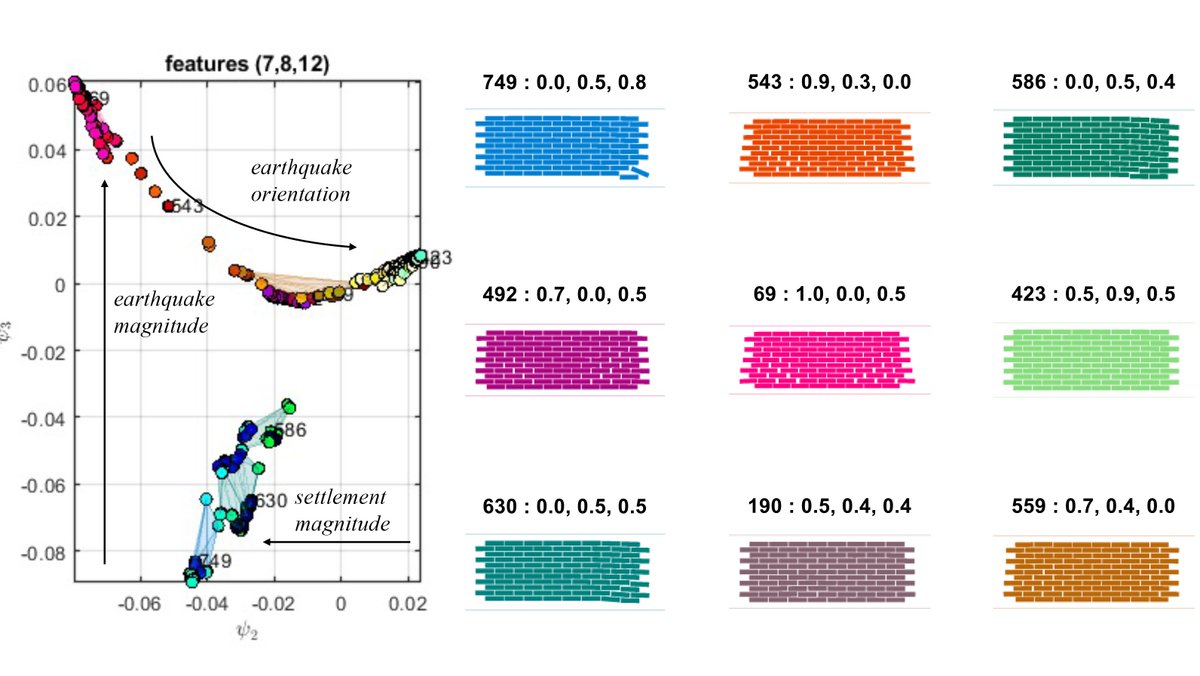
"Structural Health Monitoring Based on Data Science Techniques" with chapter by Napolitano, Reinhart, & Glisic "Unsupervised Data-Driven Methods for Damage Identification in Discontinuous Media" #StructuralHealthMonitoring#Kriging @PSU_AE @PSUEngineering https://t.co/3jZhP7PRE7
The book "Structural Health Monitoring Based on Data Science Techniques" with a chapter by Napolitano, Reinhart, & Glisic on "Unsupervised Data-Driven Methods for Damage Identification in Discontinuous Media" is now available. https://t.co/3jZhP7PRE7