Looking for us?
We're posting news, events, photos and more over at Facebook and Instagram!
So come check us out!
https://t.co/JwuiJ0YVPT
https://t.co/CwZ0mgpefn
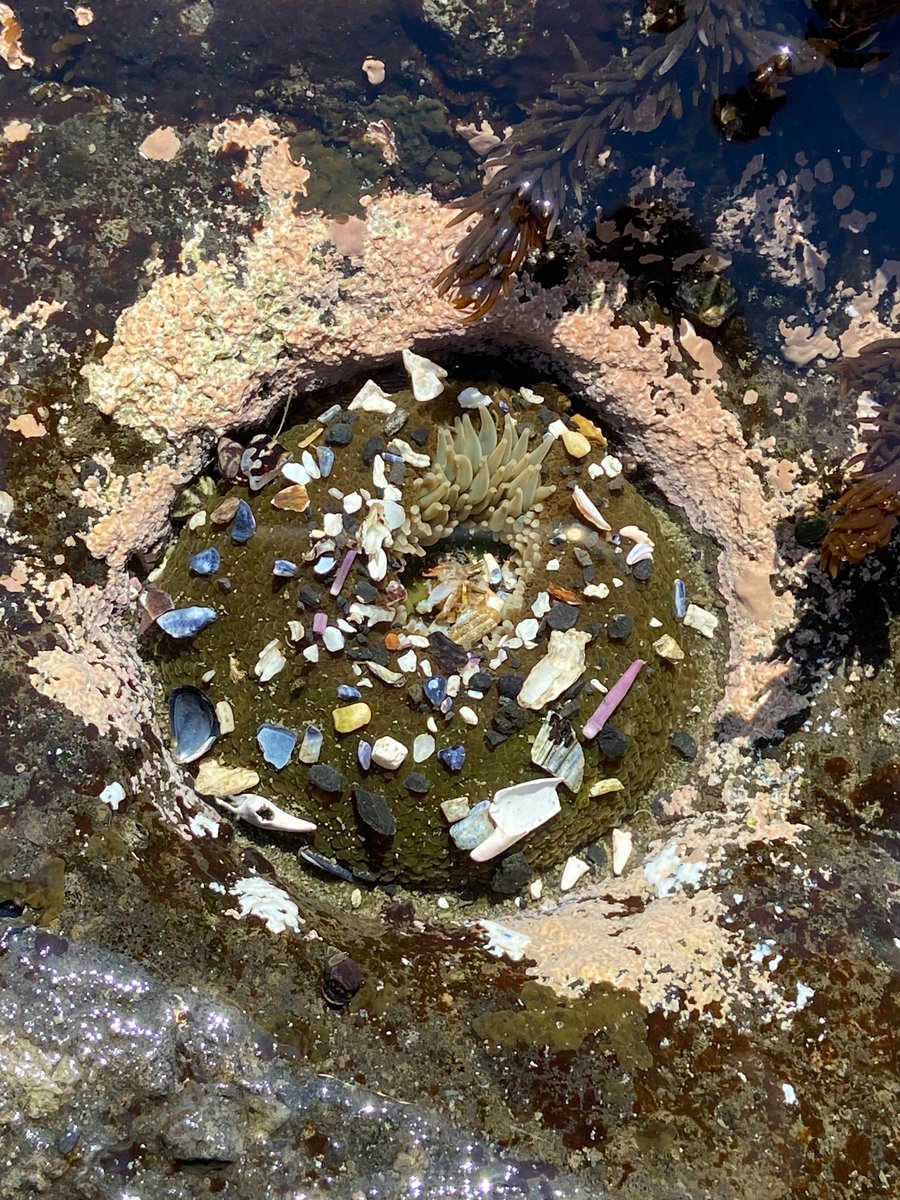
Do you put on sunscreen before going out in the sun? Anemones do too! ☀🕶
When out of the water, anemones close up to protect themselves from drying out in the sun. Bits of rock and shell stick to their skin and form another layer of protection! #TidepoolTuesday
📸 Brandt, BLM
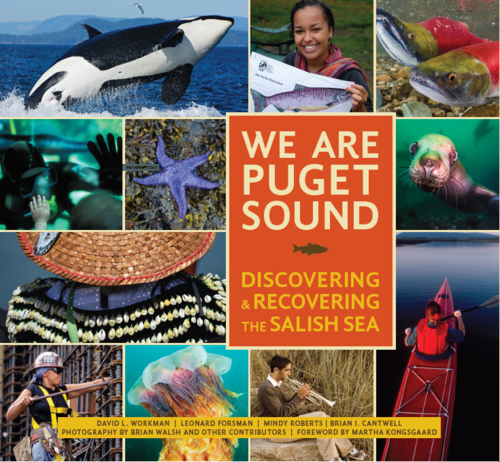
The first issue of Making Waves has an article about sense of place research, the #WeArePugetSound book & campaign, & @PSstartshere. Both campaigns highlight the link between Puget Sound—the body of water and the region—and the people who call it home. https://t.co/yMRNe8Emzk
·
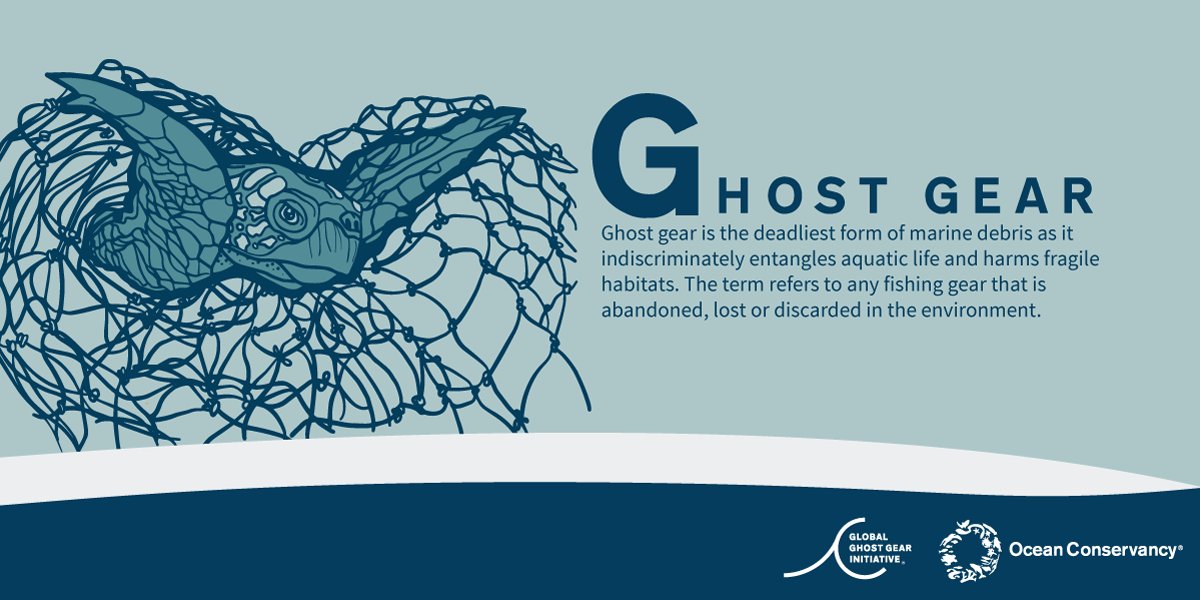
It's a fact: #ghostgear is the *deadliest* form of marine debris. It entangles marine life and harms fragile habitats.
The term "ghost gear" refers to any fishing gear that's abandoned, lost or discarded into the environment.
Learn more: https://t.co/UKOLoPMYEQ MT @OurOcean
.
#TurtleTuesday fact of the day: leatherback sea turtles can dive deeper than any other turtle in the sea! Diving mask They can swim to depths of 4,200 feet and hold their breath for almost an hour and a half 🐢
https://t.co/RnPRrKb3ge RT @OurOcean
#SalishSea News: Lamb's quarter, K21, Fraser steelhead, pond turtles, sage grouse land, no Point No Point launch, Van Aquarium, toilets and trash https://t.co/l0l3ATr2tO
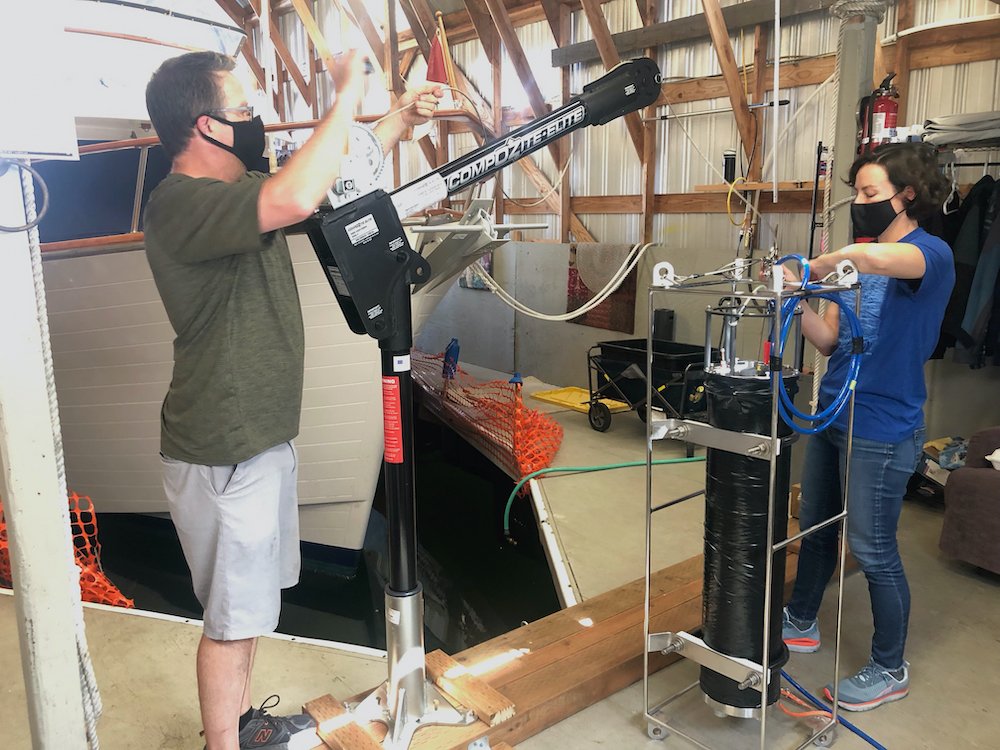
This #PostcardFromTheField is all about cool tools. Brian Bill (left) and Alexis Fischer (right) deploy an Imaging Flow Cytobot in Budd Inlet in Puget Sound, WA as part of a project to identify the environmental drivers of toxic blooms of Dinophysis. https://t.co/QBVYamLTtR
@ali__johnston So far, positive. If it helps us reach/activate more stakeholders in the health of our oceans, we think it's worth making the name change.
@ali__johnston Recognizing that certain words can be misconstrued -- and because our outreach is expanding -- we started using the term "community science" last year. https://t.co/i32kKA11JO
With every orbit of our satellites, every plunge to the depths of our ocean, every data point gathered from our network of environmental sensors there is a teaching moment. Discover NOAA Education: https://t.co/kYpDBnDSaa
Video was created with support from the @TheNAAEE
The Puget Sound Partnership's Ecosystem Coordination Board will meet online tomorrow. Find meeting highlights, links to the agenda, and other meeting materials here: https://t.co/d22aQZ7m2e
Federal scientists are convinced that Seattle’s dams are harming local salmon and killer whale populations.
Story by @leddder via @highcountrynews:
https://t.co/O8VXrSbl7r