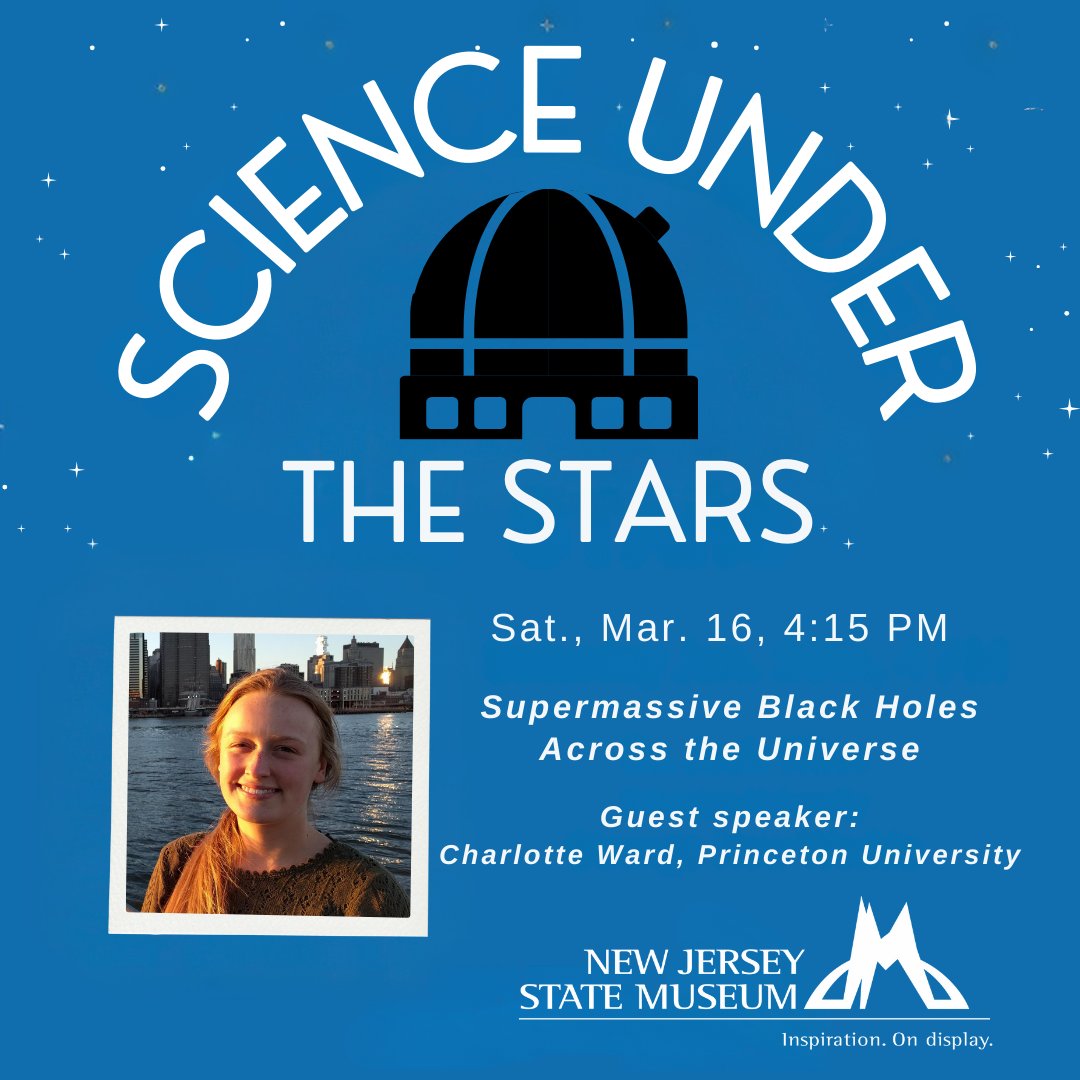
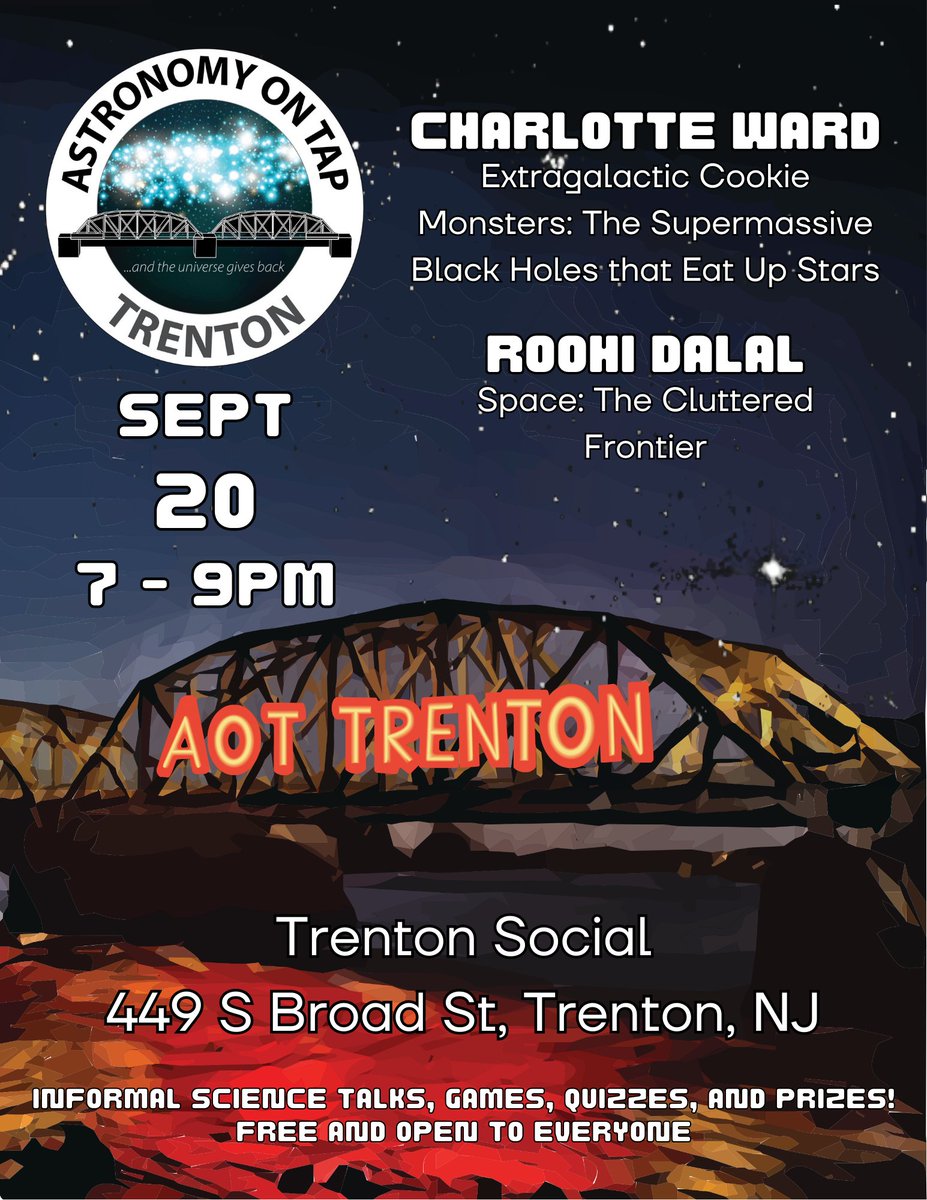
Join us March 16 for a free talk in the Planetarium by guest speaker Dr. Charlotte Ward of Princeton University. Dr. Ward will talk about one of the hottest topics in modern astronomy - supermassive black holes! Registration link: https://t.co/5JEIHxpqfx
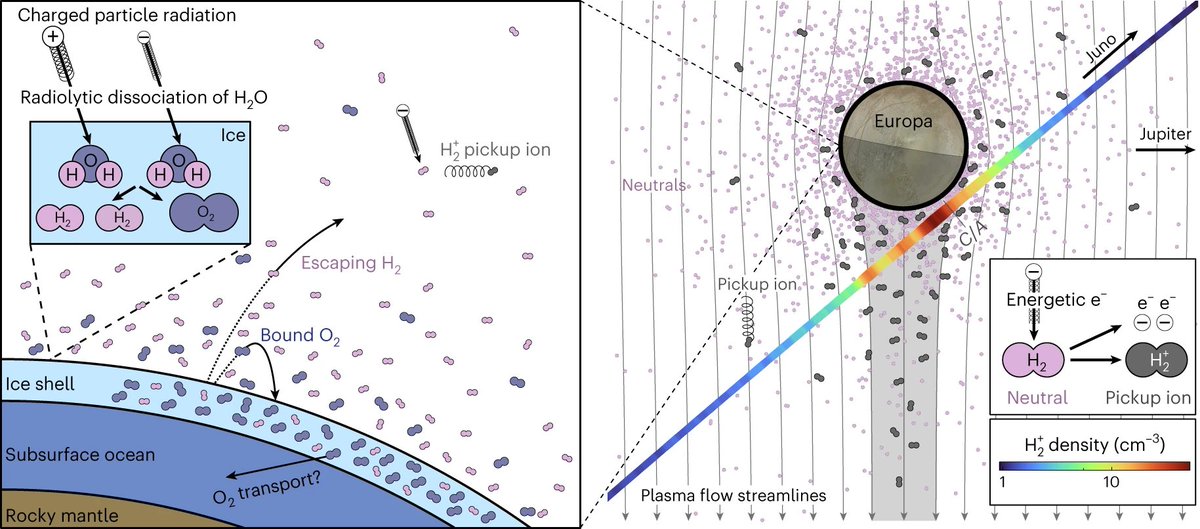
Juno's observations of H2+ and O2+ from the dissociation of Europa's icy surface infer an O2 production rate lower than previously thought. This finding suggests that the paths to habitability of Europa's internal ocean are narrower. Szalay et al.: https://t.co/eMT6caeSuT
Research led by #PrincetonU's Jamey Szalay found that while Europa, one of Jupiter's moons, generates 1000 tons of oxygen everyday, the number is much less than scientists previously believed. https://t.co/kb3LSPak6d (via @CBSNews)
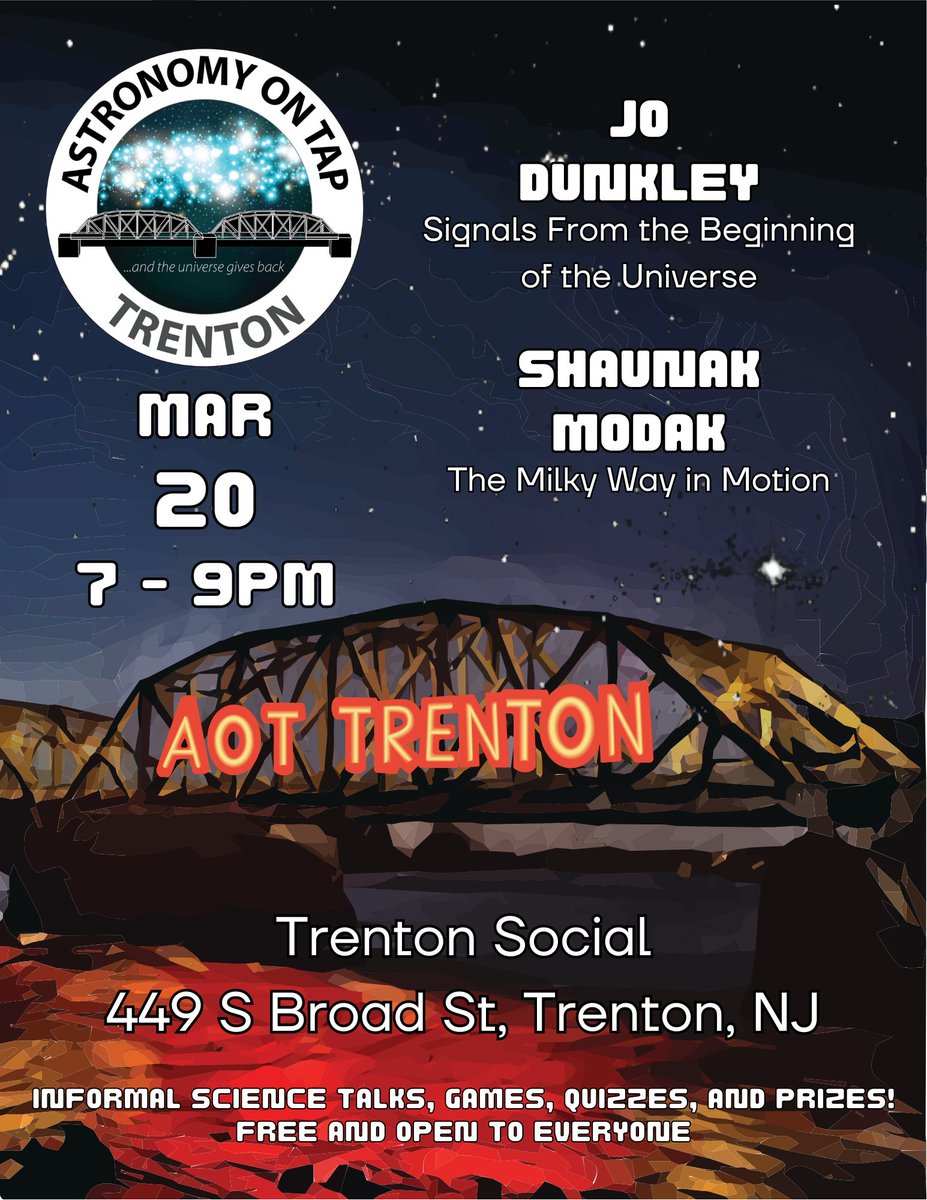
Ready for spring, Trenton? This month's speakers are Prof. Jo Dunkley and Shaunak Modak, who will be talking about their work on the early universe and our galaxy! Also, come out this month to get FREE eclipse glasses! 😎
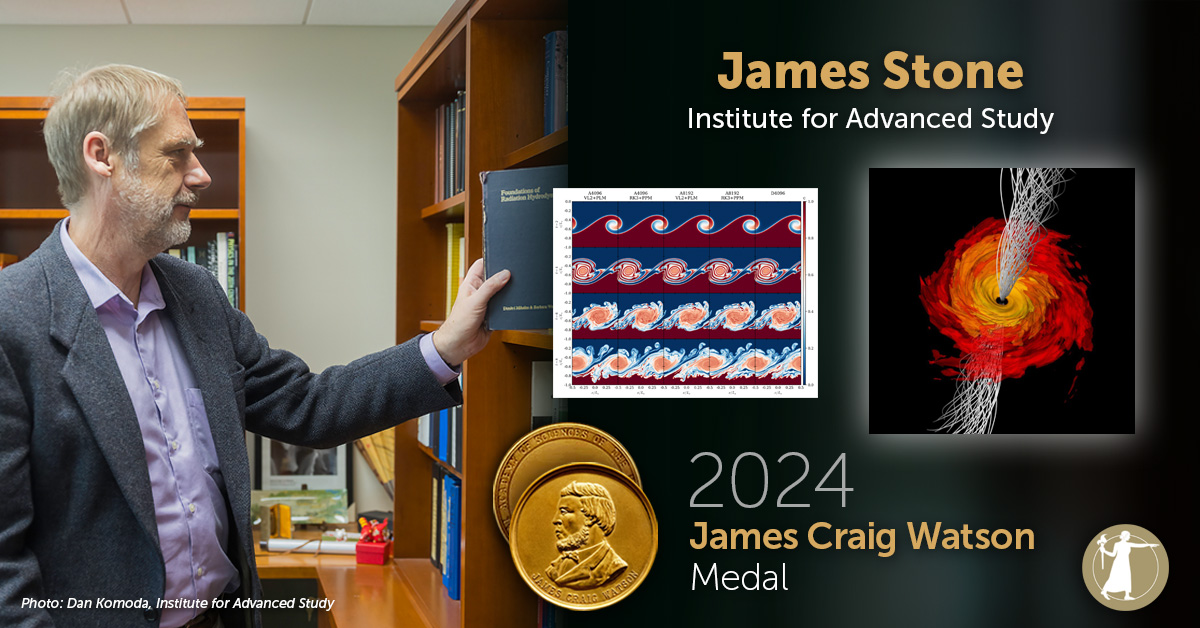
We are honoring #NASmember James Stone of @the_IAS with the 2024 James Craig Watson Medal for his leading contributions to computational astrophysics. Congratulations! Read about his achievements: https://t.co/UdGQrDQwHf #NASaward#astrophysics#astronomy
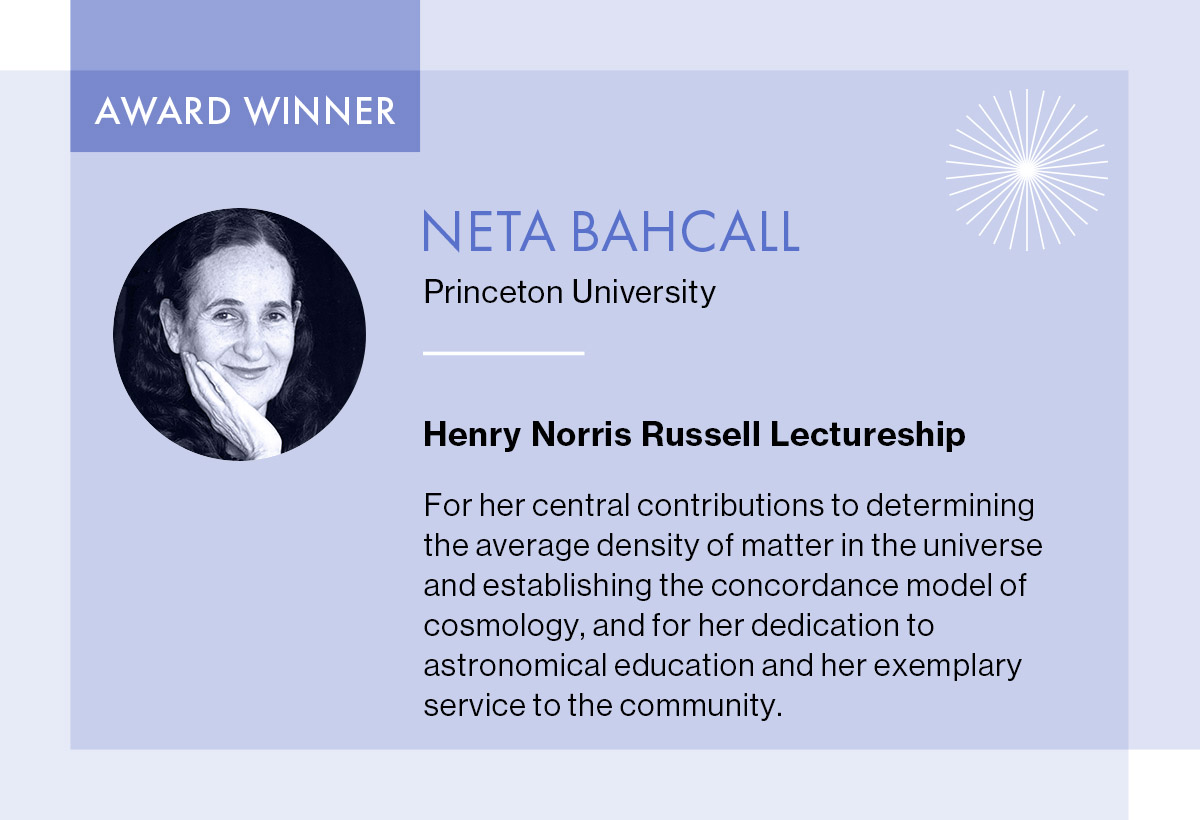
The @AAS_Office has awarded its highest honor — the Henry Norris Russell Lectureship — to #PrincetonU astrophysicist Neta Bahcall, the Eugene Higgins Professor of Astronomy.
Congratulations! 💫 https://t.co/mZJZDxmHVP
The 2024 Henry Norris Russell Lectureship, celebrating a career of eminence in astronomical research, goes to Neta Bahcall (@Princeton). https://t.co/okRY6ylCt8
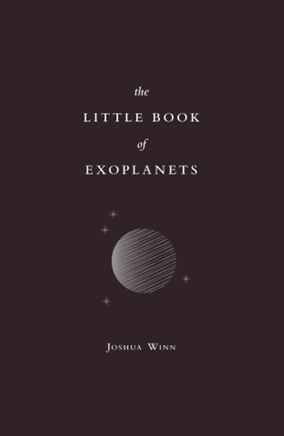
Please join Joshua Winn at @PrincetonPL this Thursday (Dec 7) from 7-8 PM EST for a talk about his recently published book, The Little Book of Exoplanets, with a book signing to follow. This event is free and open to the public.
For more details, visit: https://t.co/rDih6I3qFi
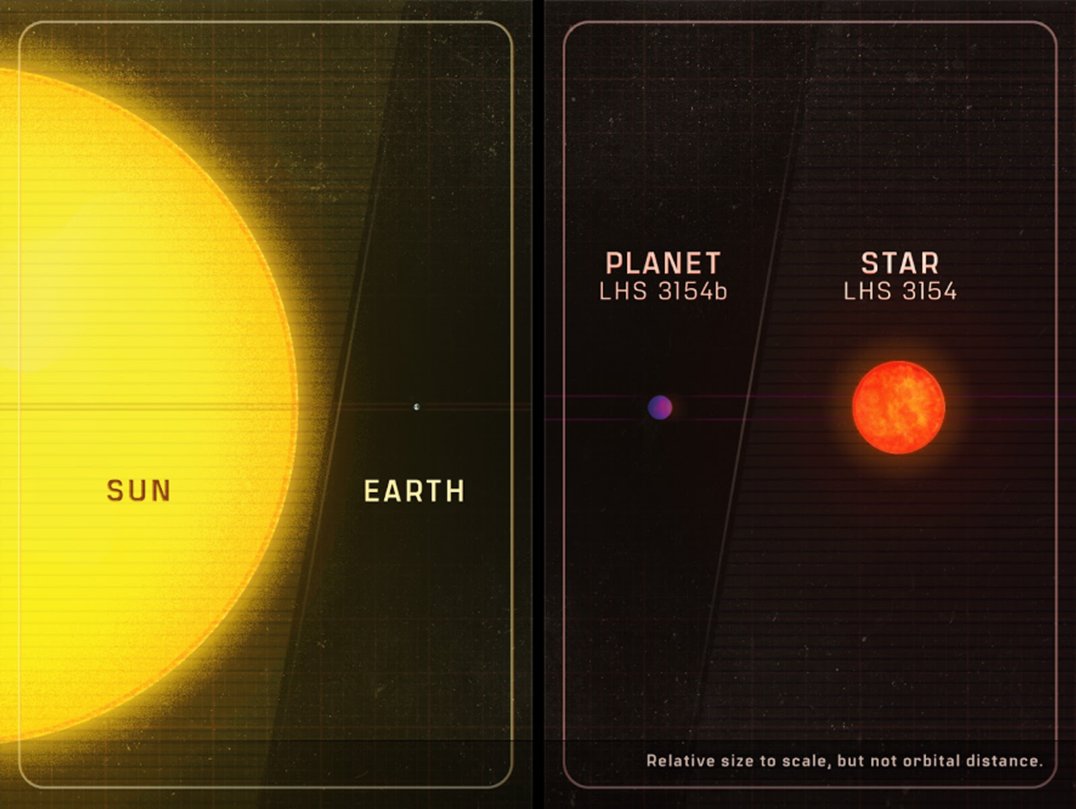
Guðmundur Stefánsson and a team including Professor Joshua Winn have discovered the first Neptune-mass planet known to orbit a very low mass star—a star barely massive enough to be considered to be a star. More info: https://t.co/XgOI98Euer
Figure credit: Penn State University
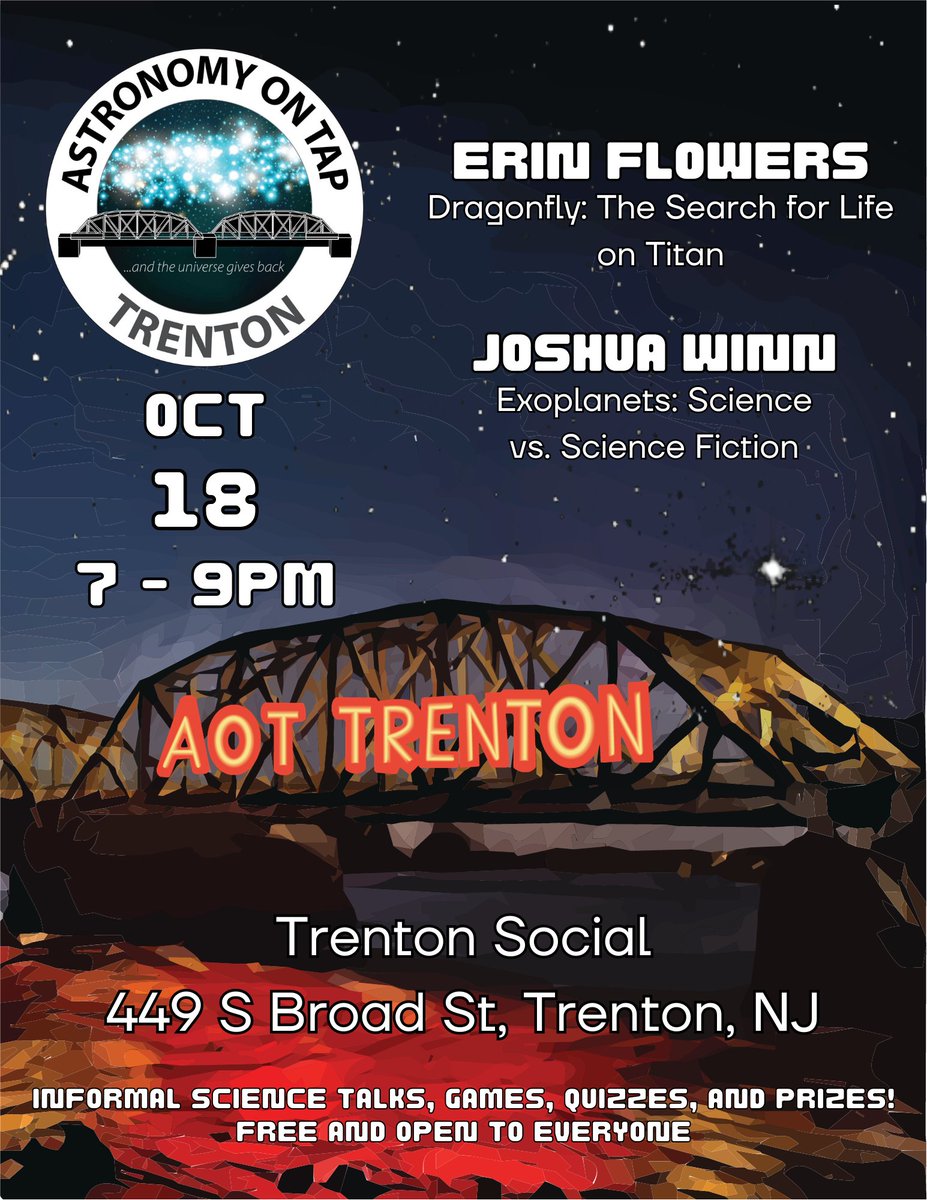
Thanks so much to everyone who came out last month! Join us again this month on Wednesday 10/18 at @TrentonSocial for two fun talks about the science fact and fiction of life in the universe and exoplanets from Erin Flowers (Princeton) and Josh WInn (Princeton)!
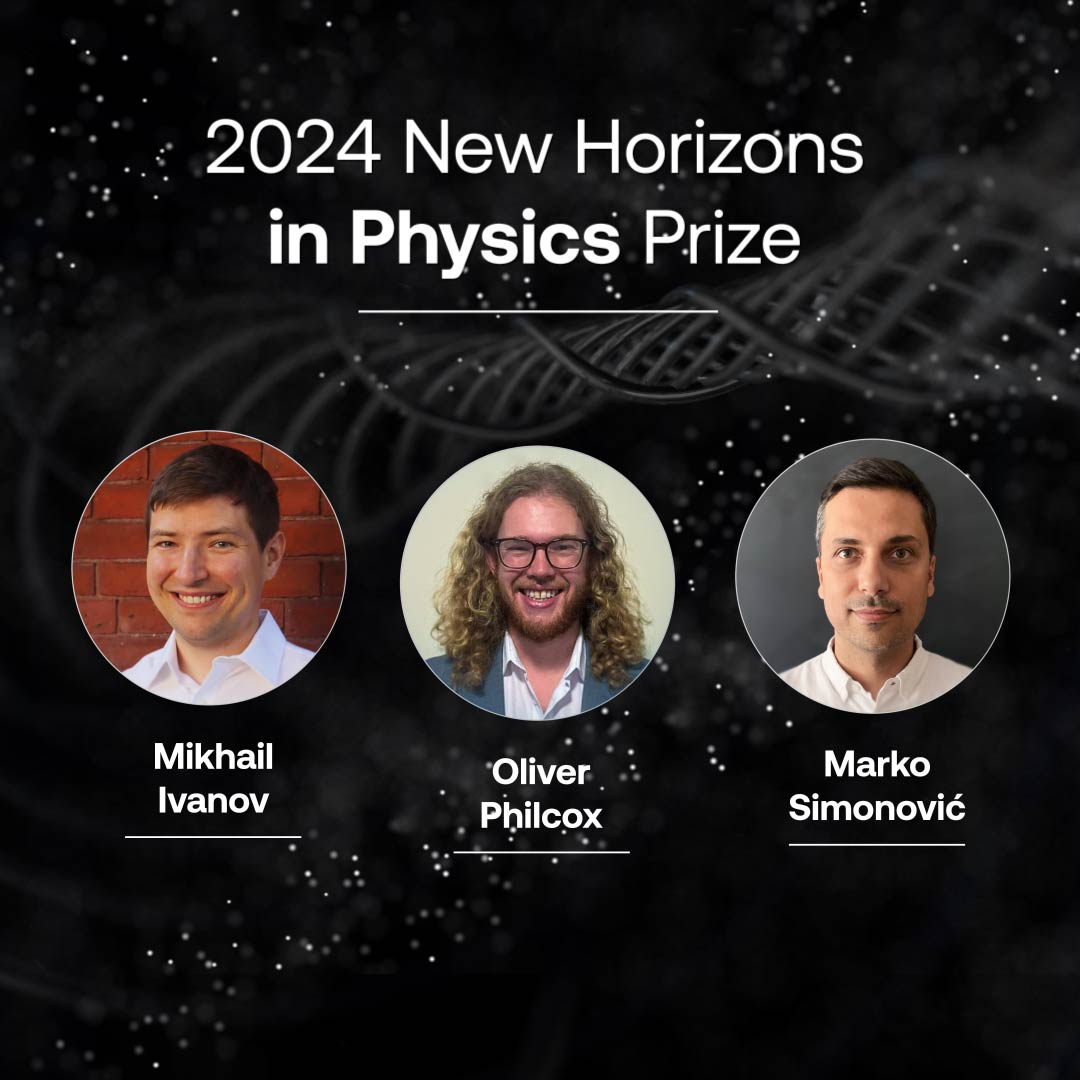
Congratulations to Mikhail Ivanov, Oliver Philcox and Marko Simonović. They win the New Horizons in Physics Prize for their work on the large-scale structure of the cosmos. https://t.co/uLhtm3bmHk
@SimonsFdn@MIT@UNI_FIRENZE@Columbia
I gave a colloquium @the_IAS and @PU_Astro about all the cool stuff we are doing in @LIGO at @FlatironCCA and @stonybrooku with gravitational wave cosmology and black hole ringdowns. Check it out if you want to see what we’re up to: https://t.co/pRdLMo4xbi
Jamey Szalay, a Research Scholar with @pu_astro was awarded the Early Career Achievement Medal from @nasa for his work on "the analysis of JADE science data, including contributions to auroral and moon-magnetosphere interaction science.”
Congratulations, Jamey!
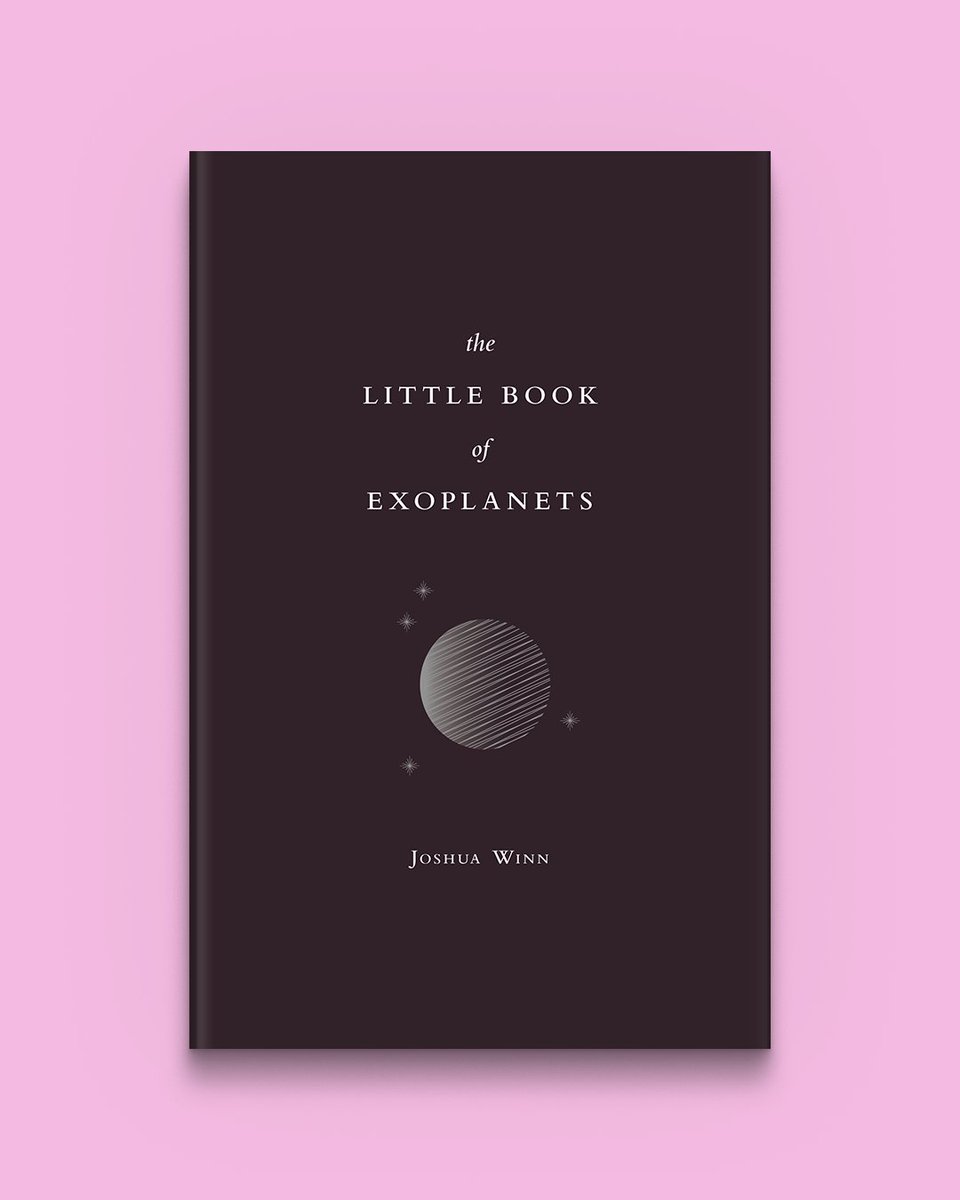
Professor @JoshWinn314 is publishing, "The Little Book of Exoplanets" on July 11th! The book, written for the general public, is a concise and accessible introduction to exoplanets that explains the cutting-edge science behind recent discoveries. More info in bio.