Solving air pollution requires three things:
1️⃣ Identifying the sources.
2️⃣ Weighing the cost-benefit of mitigation actions.
3️⃣ Evidence-based policy implementation.
🚗 Live Now: The Alpha Release (Transportation) We are starting with the largest polluting sector. Because this crisis is too urgent to wait behind closed doors, our early-stage prototype is live. We are currently verifying the data, Emission Factors, and VKTs, but this baseline is here to start a conversation.
Take a look at your district's transport footprint. What stands out to you? Let us know your thoughts.
🔗 Explore and download the data from our Alpha prototype here: https://t.co/3H3NVV67wl
Stay tuned for more from the PAQI team.
🚨 Pakistan has officially been ranked the most polluted country on Earth.
With Faisalabad (98.8 µg/m³), Rahim Yar Khan (92.6 µg/m³), and Lahore (88.9 µg/m³) leading the crisis, 4 of the world's top 10 most polluted cities are right here.
But how do we fix it? Read our latest article on why we must move from panic to data-driven policy.
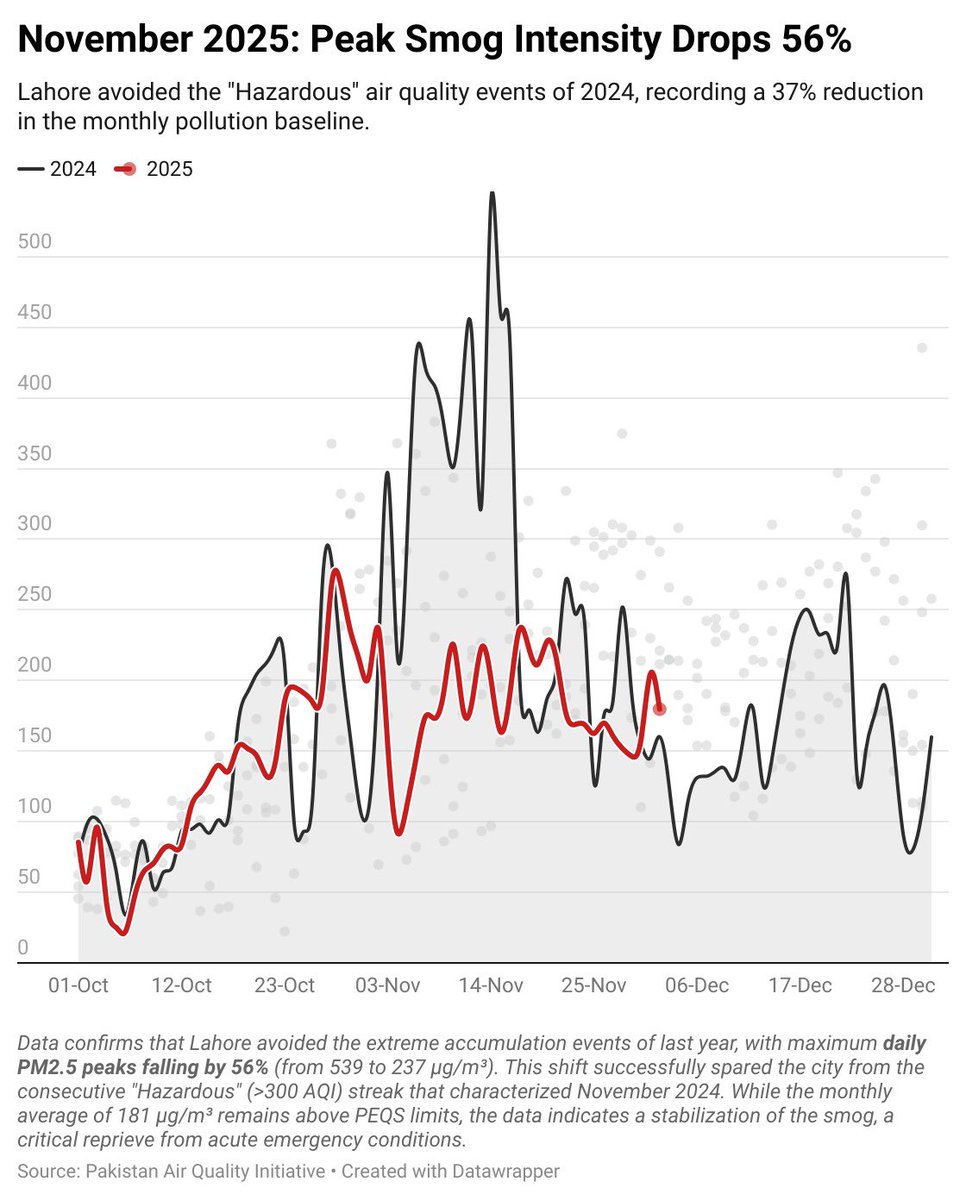
🚨 PAQI Update: Nov 2025 Smog Analysis
Data confirms a major relief: Lahore avoided the "Hazardous" emergency of last November.
✅ Peak Intensity
📉 56%: Max daily spike dropped to 237 µg/m³ (vs. 539 last year).
We saw zero days above 300 AQI.
✅ Baseline
📉 37%: Monthly average pollution lowered to 181 µg/m³.
⚠️ The Verdict: The reduction of peak episodes is likely due to favorable meteorology. However, air quality remained "Very Unhealthy" and exceeded PEQS limits every single day.
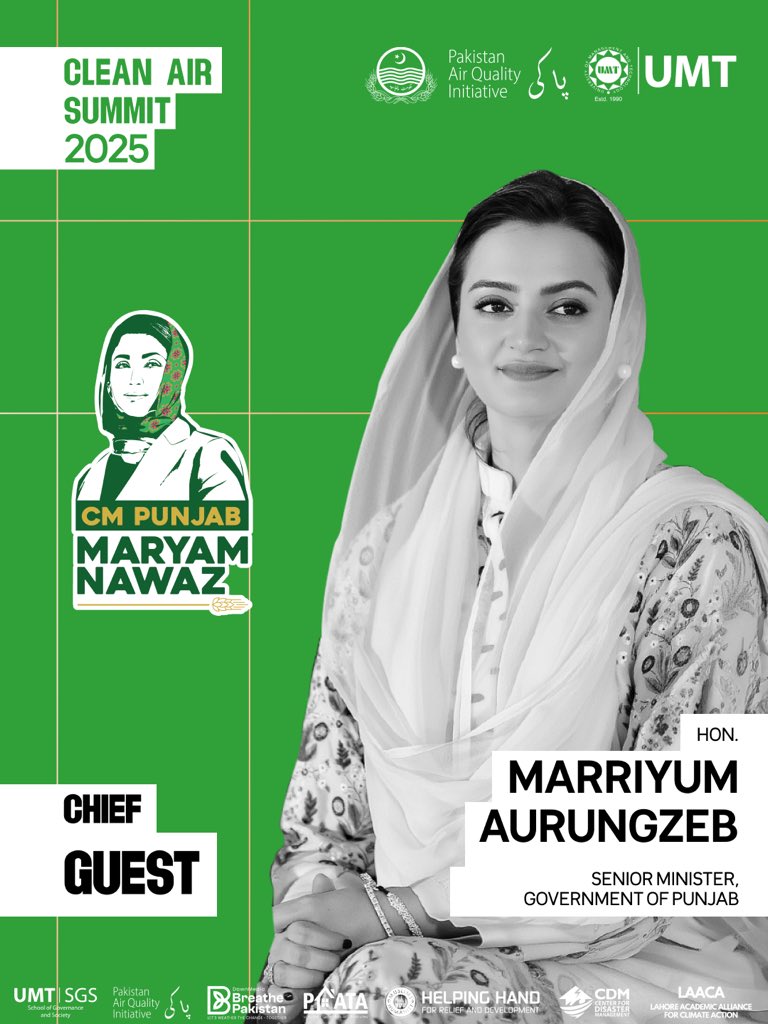
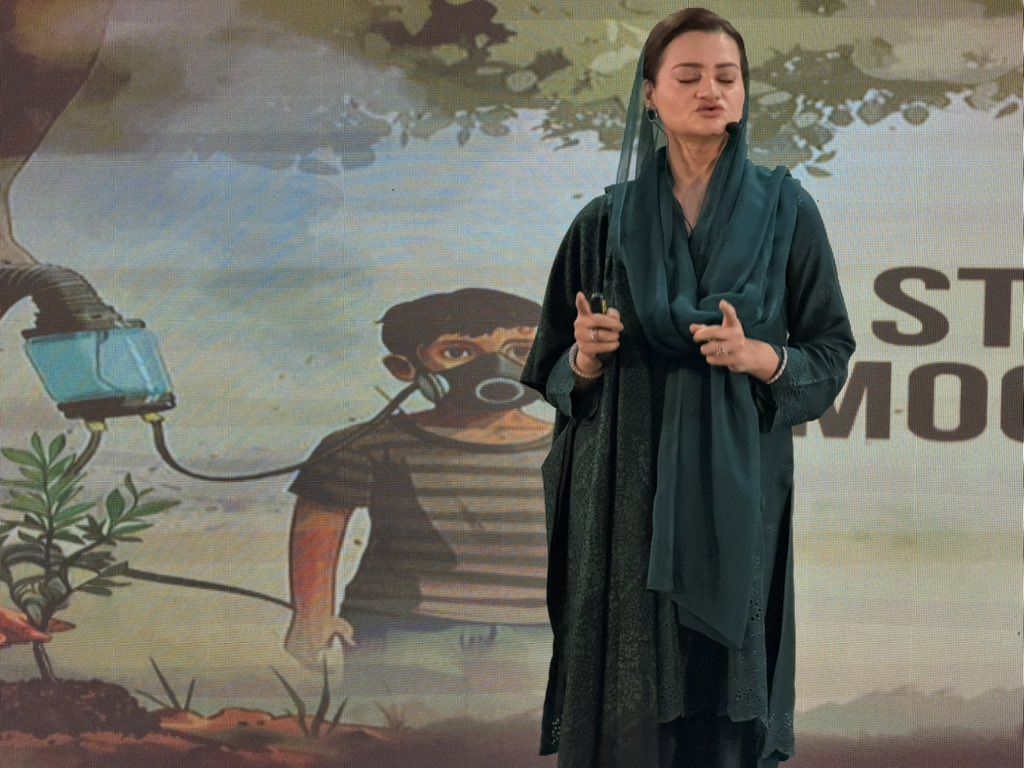
Inaugurating the first Clean Air Summit in Pakistan, @Marriyum_A speaks about the importance of political will, under the leadership of Chief Minister @MaryamNSharif for a smog-less Punjab.
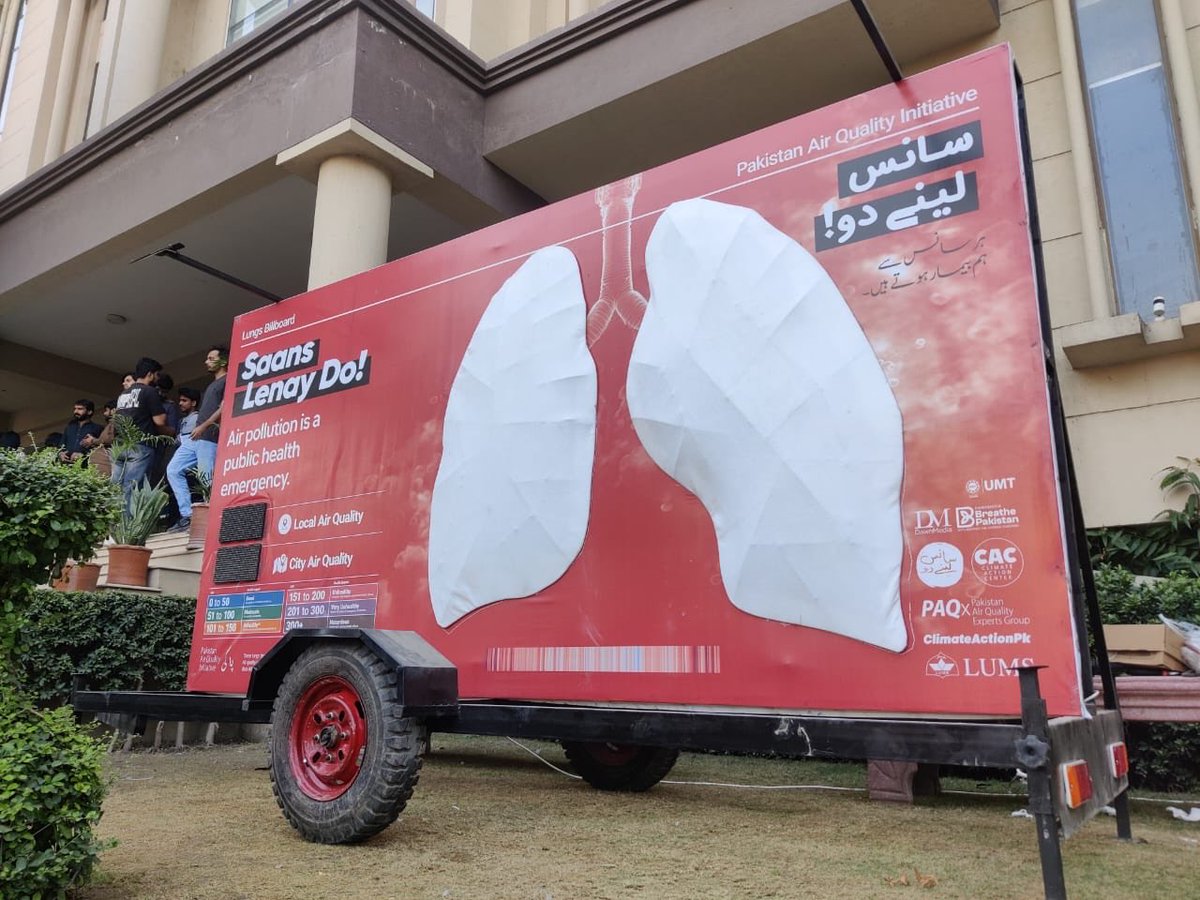
What’s going into your lungs, #Lahore?
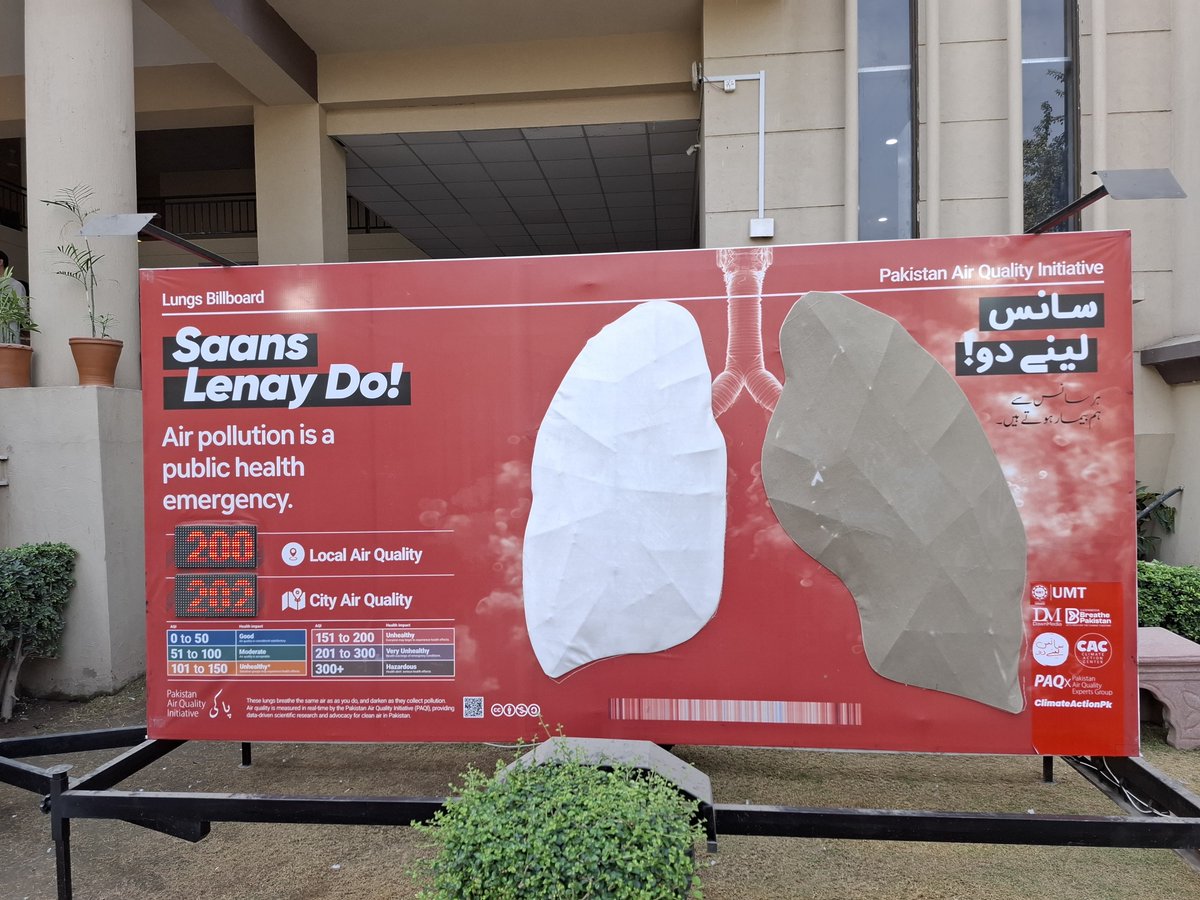
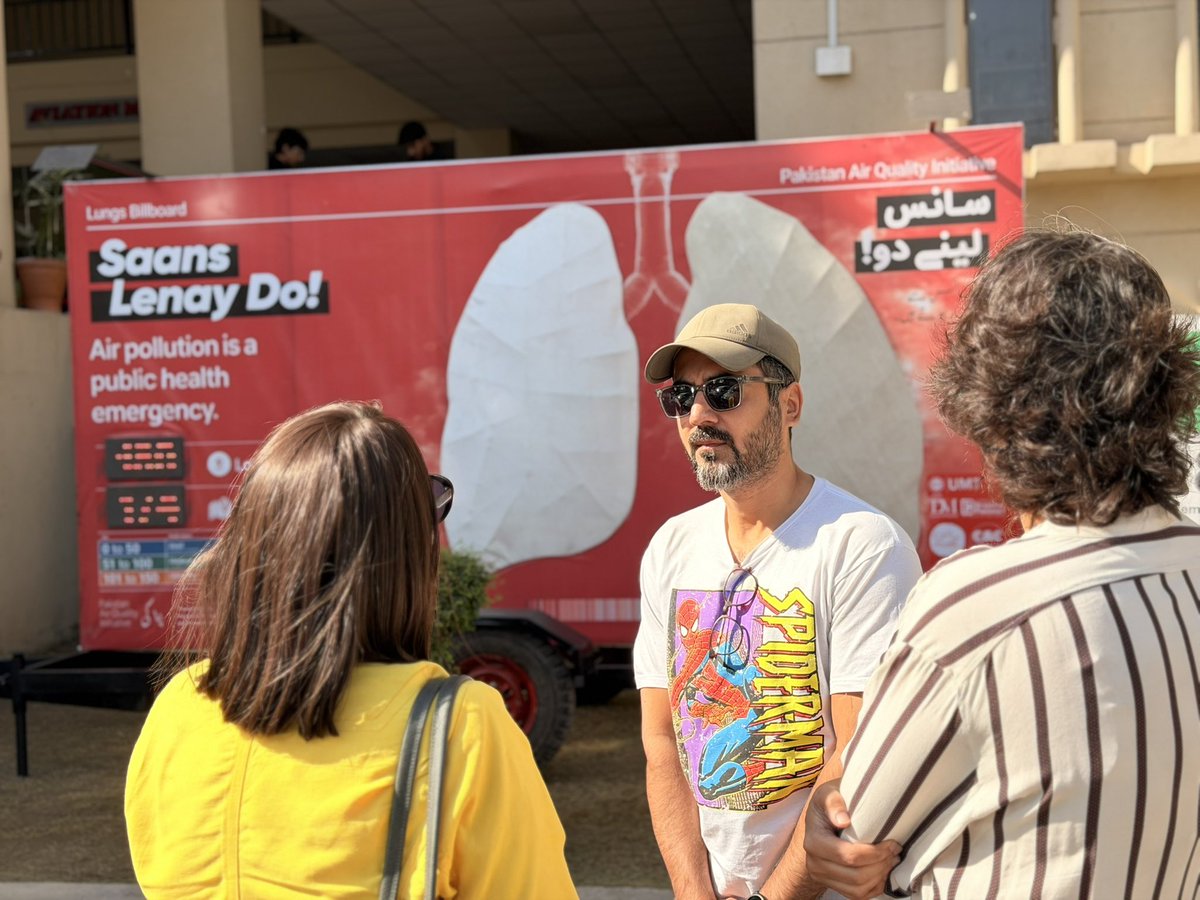
An installation has been set up in a University in the city (i.e. lots of green space, away from traffic, construction, etc). One side has a working fan inside to depict physical breathing inside our bodies. #SaansLenayDo
1st image (Nov 6th) 2nd image (Nov 10th)
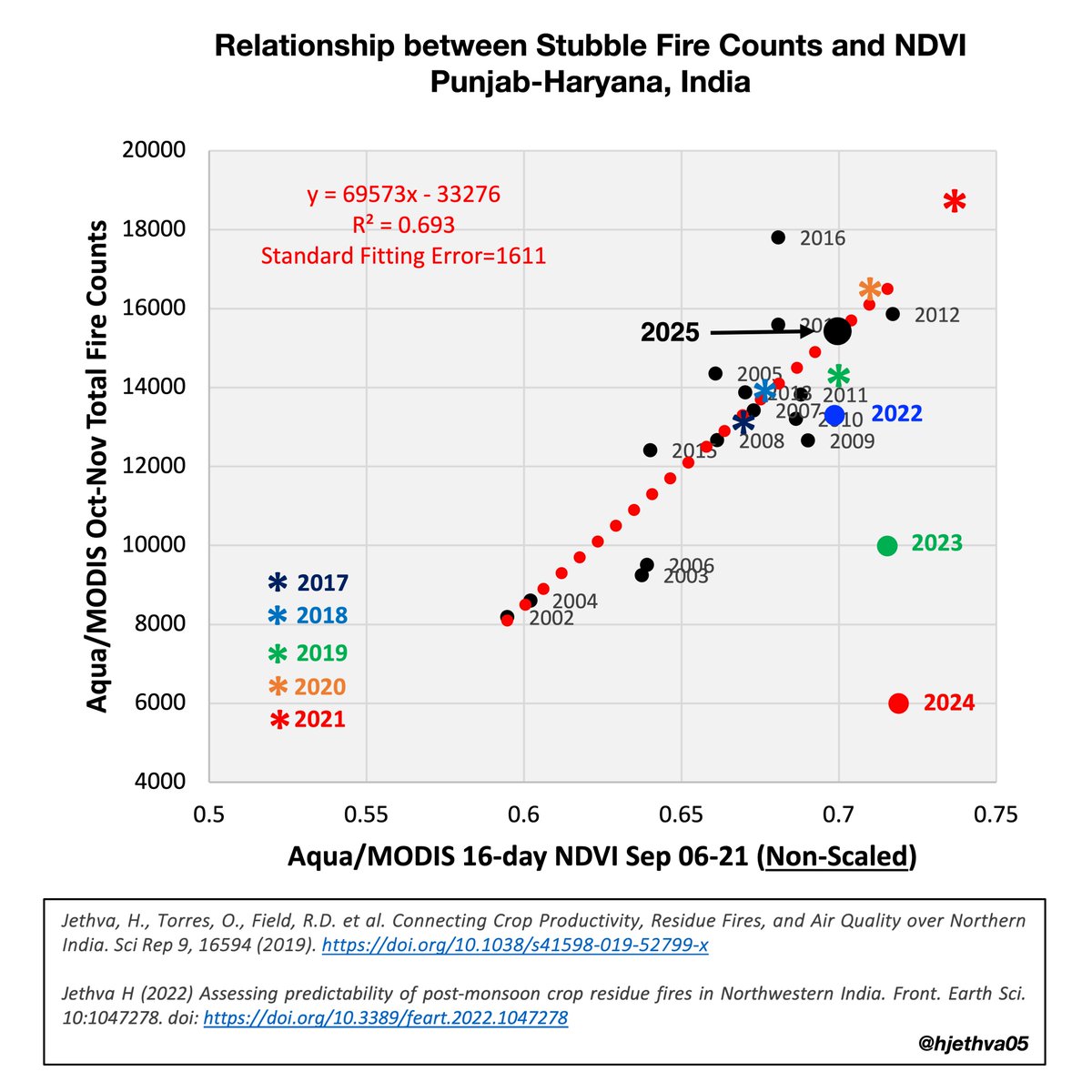
What’s in store for this year’s post-monsoon stubble burning season in NW India?
📈 Historical satellite record (2002–2021) suggests ~15,000 fire counts (via MODIS).
Predictions missed the mark in 2022–2024 due to shift in peak fires 🔥 to late afternoon, dodging satellite eyes
Let Us Breathe / Saans Lenay Do!
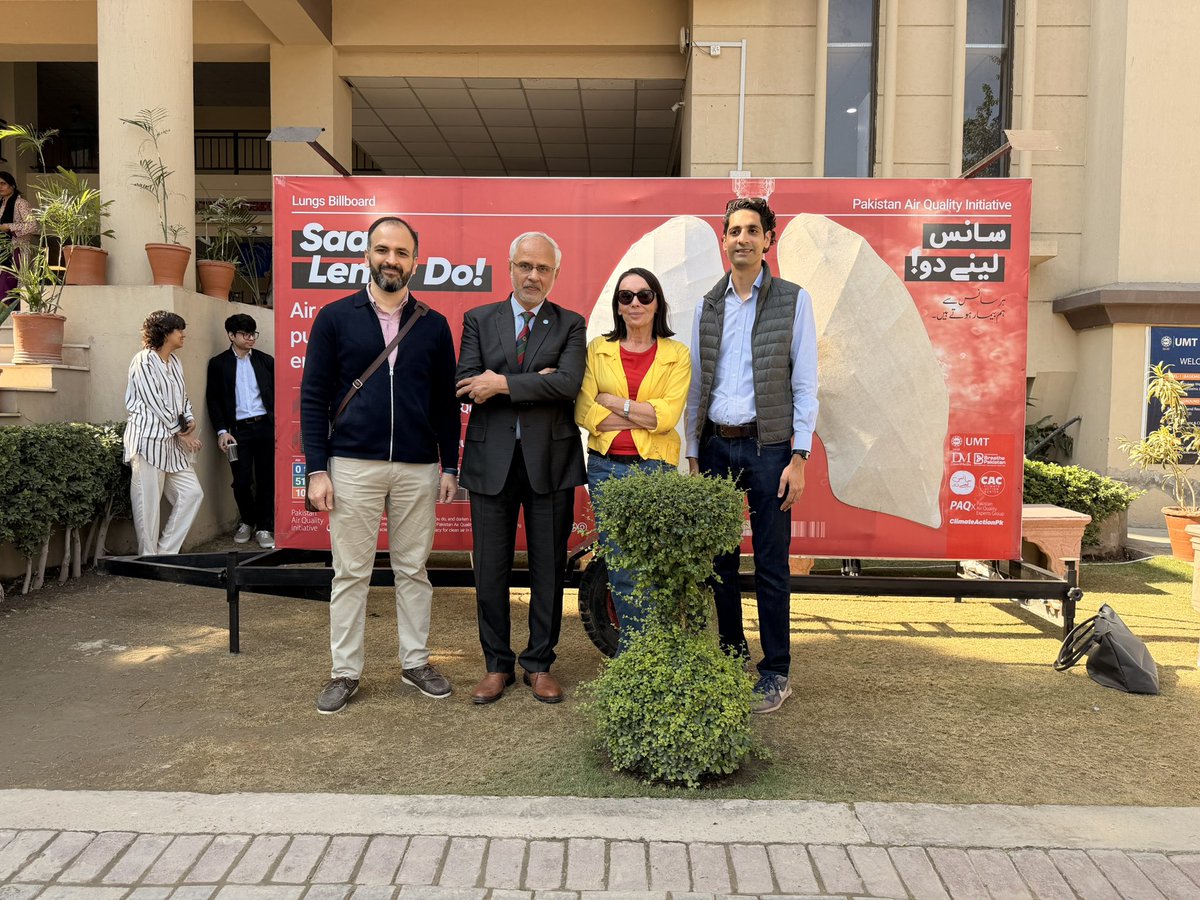
Today, we launched our Lungs Billboard at UMT University in Lahore, an artificial lung that breathes the same air you do. Watch the lungs turn black from Lahore's air pollution.
Is this the air we want to breathe?
🫁 Join us at the *Clean Air Summit on 28–29 November in Lahore* to discuss solutions to Pakistan's Air Pollution Problem -- hosted by Pakistan Air Quality Initiative (PAQI) and UMT University.
@icareforlungs
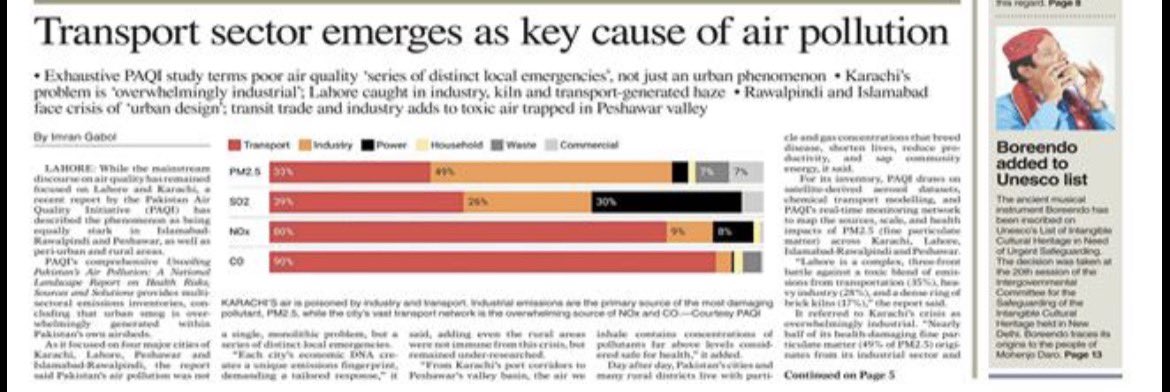
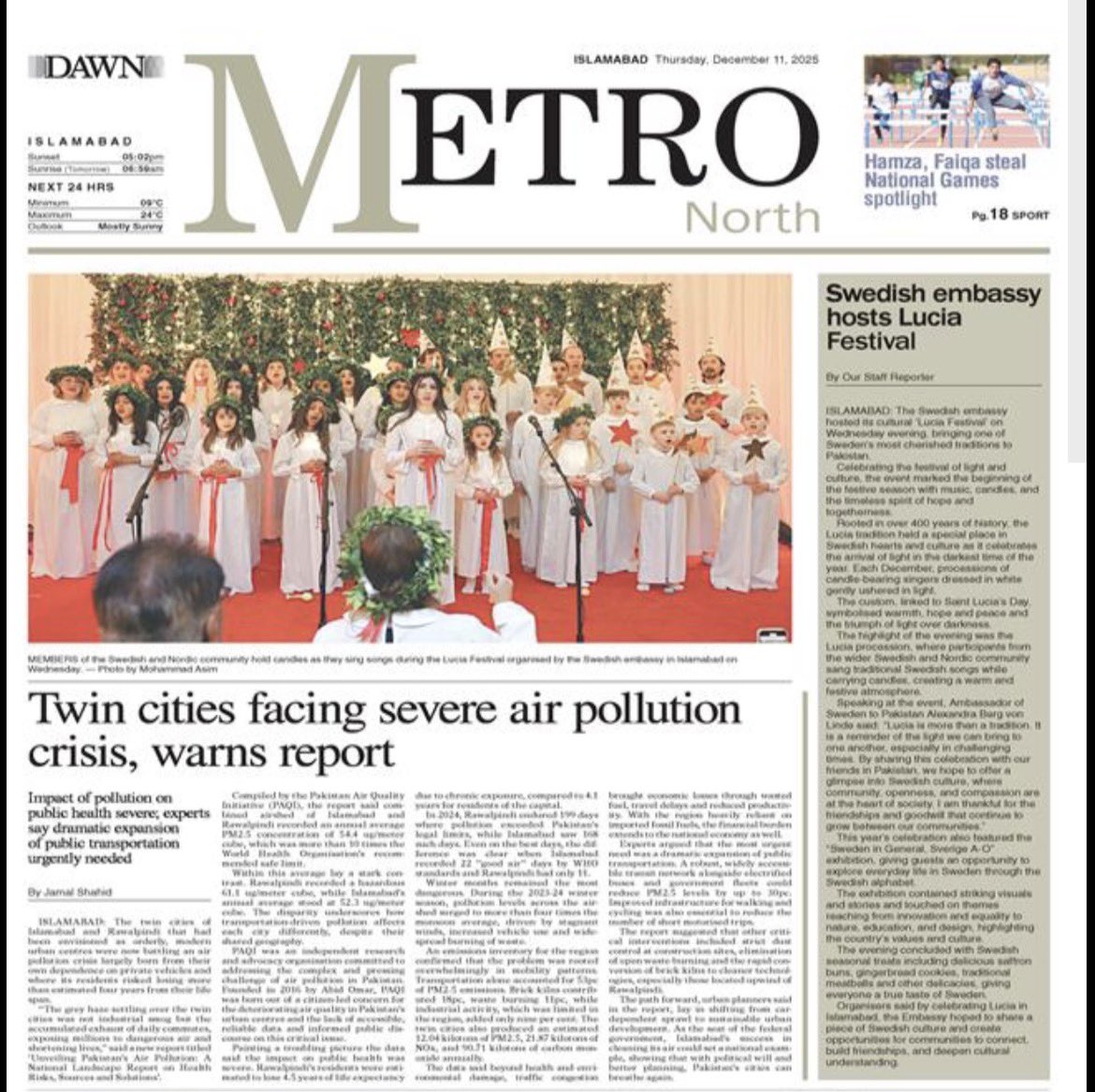
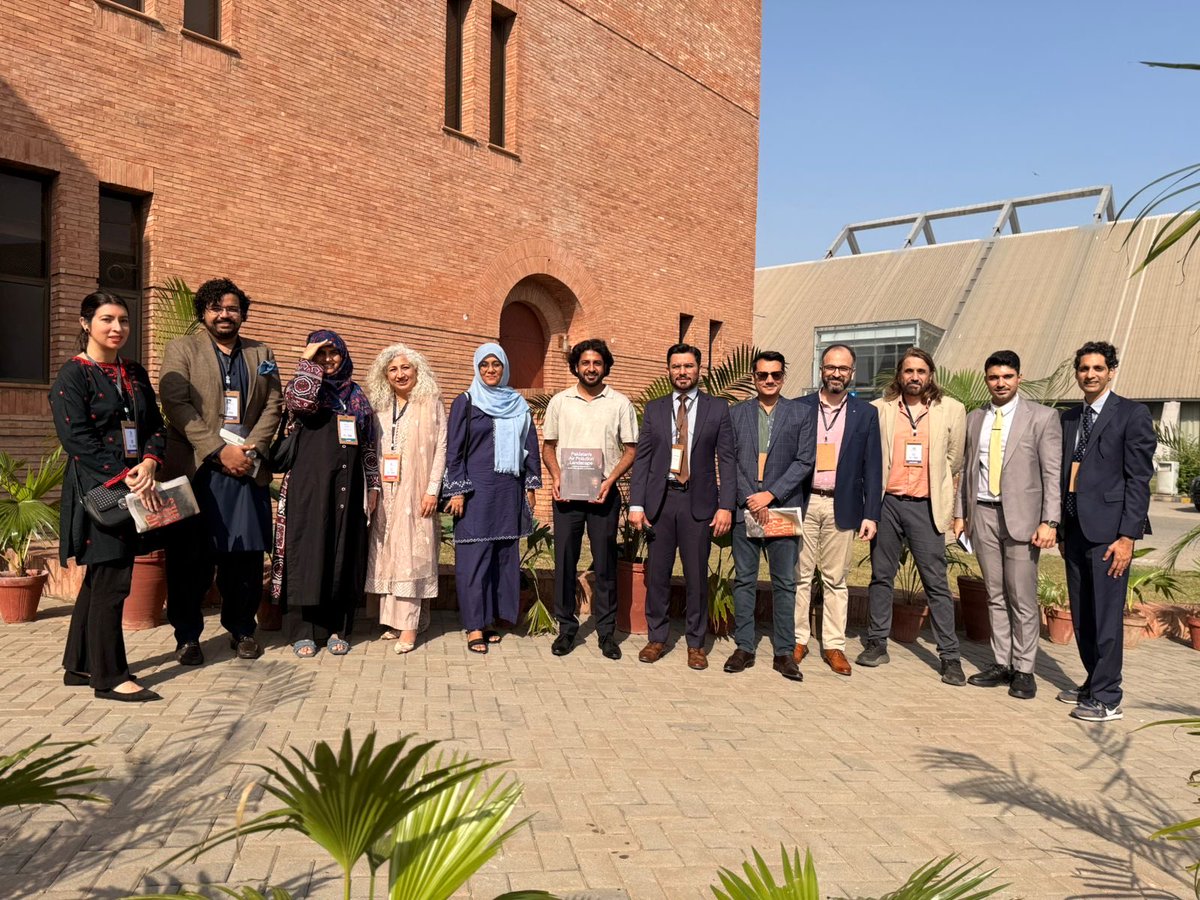
The Pakistan Air Quality Experts (#PAQx) group met together for a Pre-launch consultation on PAQI’s upcoming ‘Pakistan’s Air Pollution Landscape’ report. The report is set to be launched in the coming month.
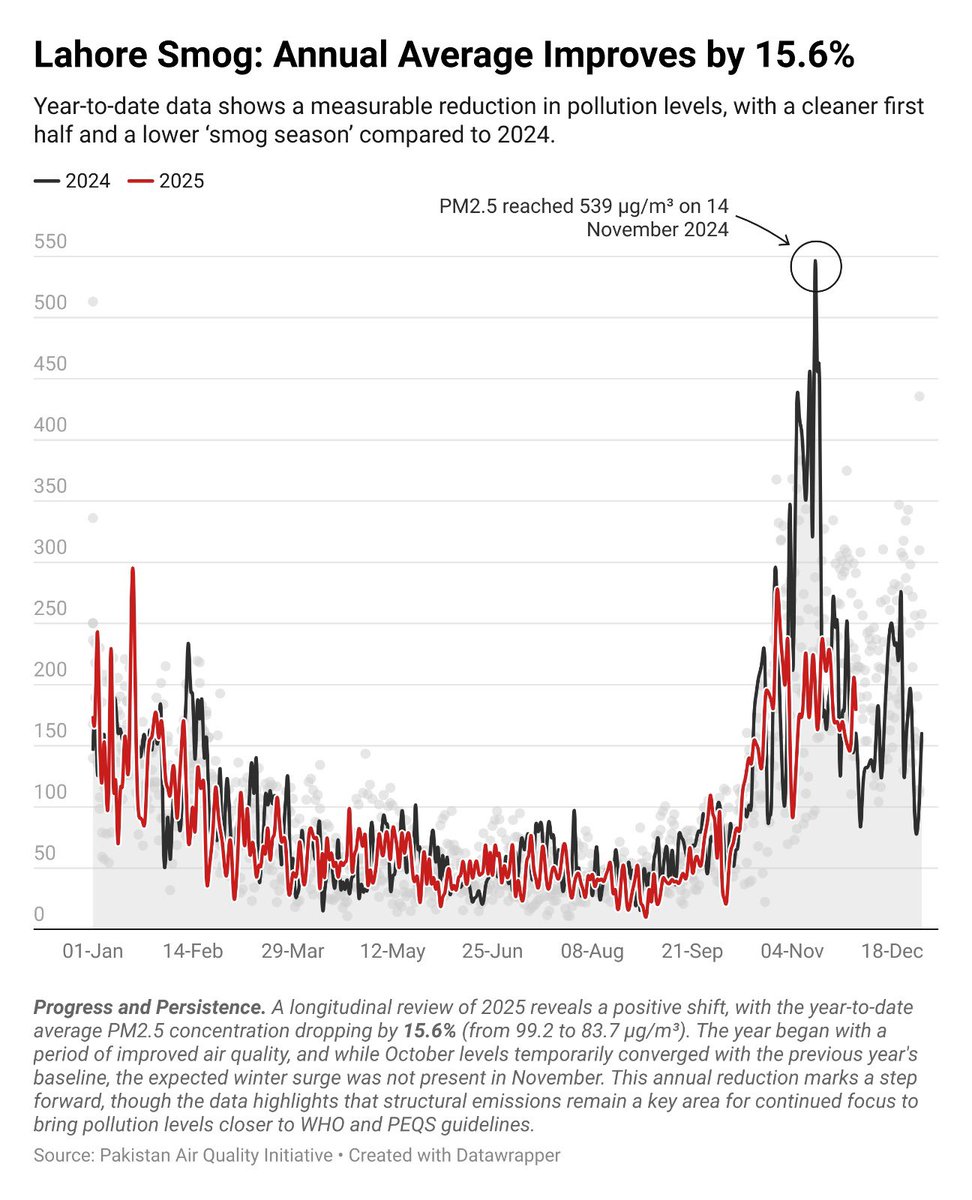
A factual look at Lahore's air quality as we enter smog season 2025
This chart compares 2025 (red) vs. 2024 (black) PM2.5 levels. After a cleaner start to the year, PM2.5 levels in October 2025 have risen to be comparable to those from October 2024.
This means we are entering November, the highest-risk month, with the same high pollution baseline that preceded last year's severe smog event.
This high baseline, combined with specific meteorological factors, is what creates a high-risk scenario for severe smog episodes.
Source: Pakistan Air Quality Initiative (PAQI) #SmogSeason #Pakistan
Classroom's in Lahore are worse off when the school opens up.
I have an indoor air quality set up in a school in Youhanabad, Lahore.
Mean PM2.5 during school hours (8 AM – 1 PM): 246.9 µg/m³
Mean PM2.5 outside school hours: 178.2 µg/m³
Average increase during school hours: +47.6 µg/m³ (~38.5 % higher when compared at 8 am vs 1 pm.
It is likely that doors/windows are opened which allow exchange with outdoor air.
Note: the peak of indoor PM2.5 concentration is different from outdoor peak (which usually occurs sometime at night)
We are excited to announce AQCLL, the Air Quality & Climate Lab @ #LUMS, in partnership with LUMS Energy Institute (LEI), being launched with the support of @BankAlfalahPAK.
AQCLL is the first-of-its-kind institutional undertaking in the country to develop specialized research on #AirQuality & #Climate. This project also further solidifies Bank Alfalah's commitment to #CleanAir and #Sutainability initiatives in #Pakistan.
[More details to follow]
You can’t fix what you can’t see.
@nytimes highlights how low-cost sensors put #AirQuality data in the hands of leaders and communities. Great to see @Breathe_London is inspiring others through @breathecities 👇 https://t.co/TgmfkAKxYt
These cannons cost Rs 45m+ each, consume massive amounts of water, and studies show they can increase fine particle (PM2.5) pollution.
Pakistan needs evidence-based policy, not spectacles. Our team at @PakAirQuality is working to build exactly that.
https://t.co/YR42Je0Ai3
The science says no. Lahore's new 'Anti-Smog Guns' look like action, but are they a solution or just expensive 'smog theatre'?
@abido new @dawn_com article, we examine the evidence. (Spoiler: it's not good).


















![PakAirQuality's tweet photo. We are excited to announce AQCLL, the Air Quality & Climate Lab @ #LUMS, in partnership with LUMS Energy Institute (LEI), being launched with the support of @BankAlfalahPAK.
AQCLL is the first-of-its-kind institutional undertaking in the country to develop specialized research on #AirQuality & #Climate. This project also further solidifies Bank Alfalah's commitment to #CleanAir and #Sutainability initiatives in #Pakistan.
[More details to follow]](https://pbs.twimg.com/media/G4gz52xXIAElhkO.jpg)


