A friend just back from Meghalaya: “Purba, it didn’t feel like India at all. People follow traffic rules. No one cuts you off. No one leans on the horn. Garbage goes in bins.”
And I thought — of course it didn’t feel like India. Because what we call “India” now is really just North India and Gujarat exported everywhere. Loud, entitled, convinced that rules are for other people.
You can read your entire evolutionary history in what your body does to food. Every gene you carry is a note your ancestors left about what they ate. And what we eat today has left no note yet, because we haven't had time to adapt to it
For me, this is a pivotal moment in my science communication career, from India perspective.
Probably the first time, a major national media invited me to write an fact-based piece on a completely rubbish alternative medicine system that enjoys government protection - Homeopathy.
Please make this your must read of the day. I dissect every common nonsensical claim from the homeopathy community and bury age-old myths associated with this 200-plus year old obsolete pre-science artefact that still enjoys an undeserving place in Indian healthcare and which also destroys many young careers.
Well done and thank you Indian Express and Ms. Rinku Ghosh, the lead on health, for this! I really welcome this change! No one should be afraid of reporting facts about health misinformation even if it is government supported or promoted. This is the people's right.
Full read:
Homeopathy survives for reasons that have little to do with effective healthcare.
https://t.co/mHHVjFgvWg
It was sometime in the early 2000s, at an Industry gathering in Mumbai, speaker after speaker stood up and thundered India is the IT superpower, ready to take on the world.
Then it was the turn of Pramod Haque to speak, he started -
I am as unabashedly an American as I am proud of my Indian origin, and it gives me great pleasure to see India's progress. But let me add a bit of a warning here to you all. We Americans are giving you the work of yesterday and the work of today, so we can work on the technology of tomorrow…’
That message has stayed with me since. I remember it every time a new wave of technology hits us.
I have narrated this to many people over the years; mostly, people smirked and moved on to talking about something else.
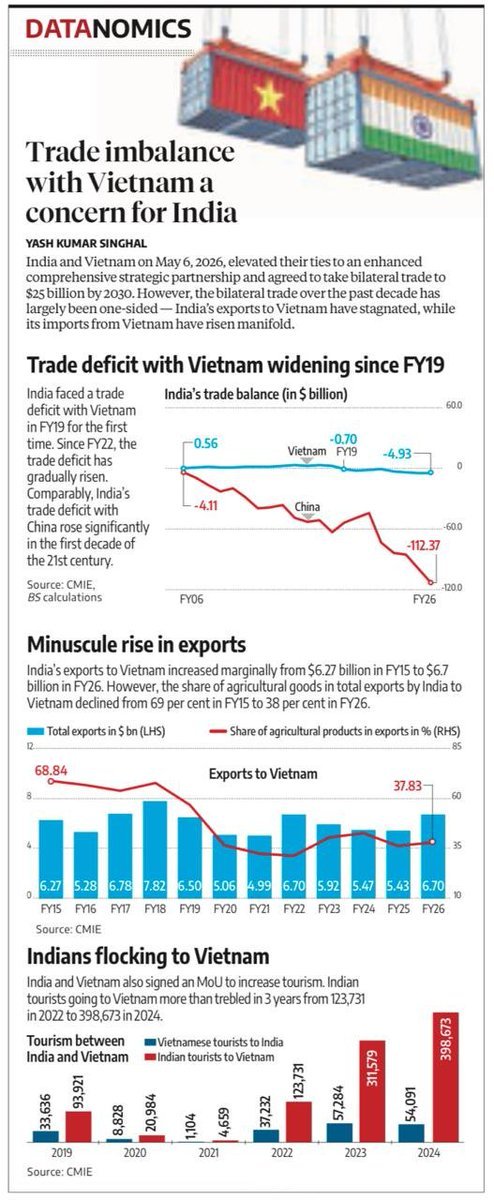
Many years ago, I gave two presentations on how China builds its industrial and technological ecosystem—one for an Indian audience and one for a Vietnamese audience. Although the content was largely the same and went into many details that were rarely mentioned in other settings, the feedback from the Vietnamese and Indian participants was strikingly different.
When I discussed the gaps between Vietnam and China, my Vietnamese friends listened very attentively to my analysis of Vietnam’s weaknesses. They even proactively acknowledged Vietnam’s deficiencies and asked me to analyze more specific issues in greater detail.
However, when I compared China and India, many Indian friends became quite argumentative. They tried to compete with or challenge the Chinese perspective on almost every point, to the point where I could barely develop my analysis. As a result, they might have won the debate, but missed a valuable opportunity to have a meaningful exchange.
So, I came to know which country would be the real winner for "China+1" many years beforehand.
I rarely post these kinds of charts because national comparisons are basically an invitation for people to get emotional and defensive.
But it must be noted that with similar population sizes, China's power generation per capita is now ~5x India's (and drawing close to OECD levels). Put another way, for India to reach similar per capita usage, it would need to produce ~5x more power than it does today.
This highlights an incredible dilemma: After India, there are still several billion more people who will also want more power...
- Brazil and Vietnam must 2x to hit China levels
- Indonesia must 5x
- Philippines must 7x
- Bangladesh and Pakistan must 10x
- Nigeria must 37x
- Ethiopia must 51x
The "energy transition" for already energy-rich countries is a big question - but it's just the lead-in for an even bigger, more challenging question: How do you assure power supply to support future demand for the billions of people in nations still trying to industrialize?
Without scalable and affordable energy solutions for the future, there's a good chance that China ends up being the last country to ever really make that leap.
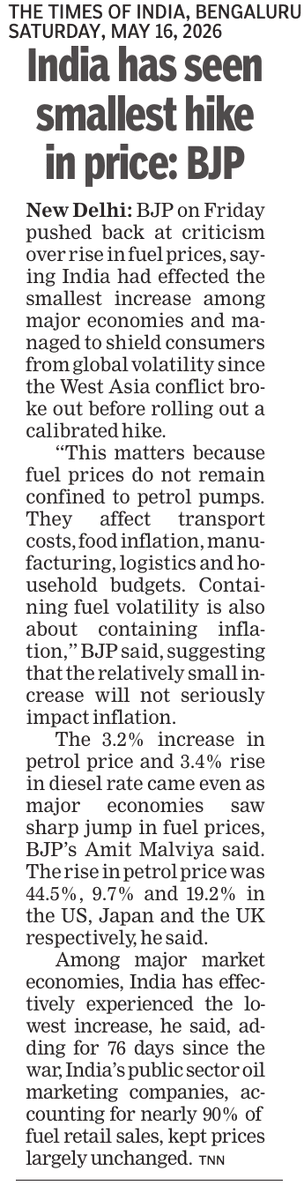
Reality check: Prices frozen 4 years since April 2022. Crude dipped/stabilized lower in 2023-25. Zero pass-through to consumers (just a ₹2 cut in March 2024 before polls). Govt pockets savings on the way down, hikes on the way up. Consumers get neither relief nor fairness. Classic BJP spin.
Billionaire Michael Milken joked “if a US company replaces the US-born CEO with a CEO born in India, I buy the stock”
But he reveals he hasn’t backtested the idea.
So we did.
In the last 15yrs, that would’ve 50x’d your money: 7.5x more $$ and >2x IRR vs S&P500: 30% vs 14%!
Dear @narendramodi ji,
If Indian cities and villages are kept greener and cleaner, our roads are made safer, food adulteration is strictly controlled, Indian heritage sites are better maintained, and public transport becomes more reliable and comfortable, many Indians would prefer spending their vacations in India rather than travelling abroad.
Never flying @flyspicejet again. They don't turn on the in-flight AC until the plane is airborne. Cabin crew watch helplessly as passengers sweat and suffocate.
This was a BOM-BLR flight (SG 559) last night. Pathetic.
Do other airlines do this as well? @TheSanjivKapoor
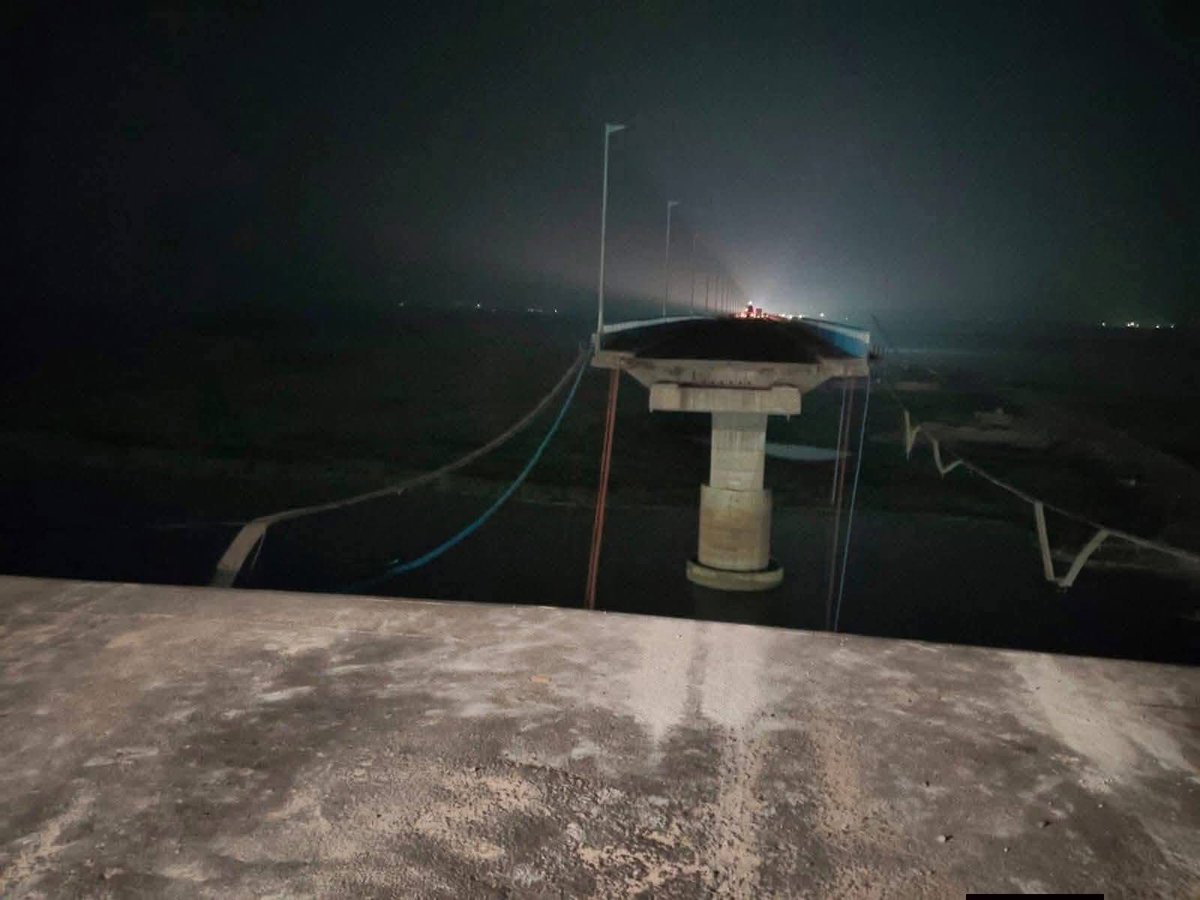
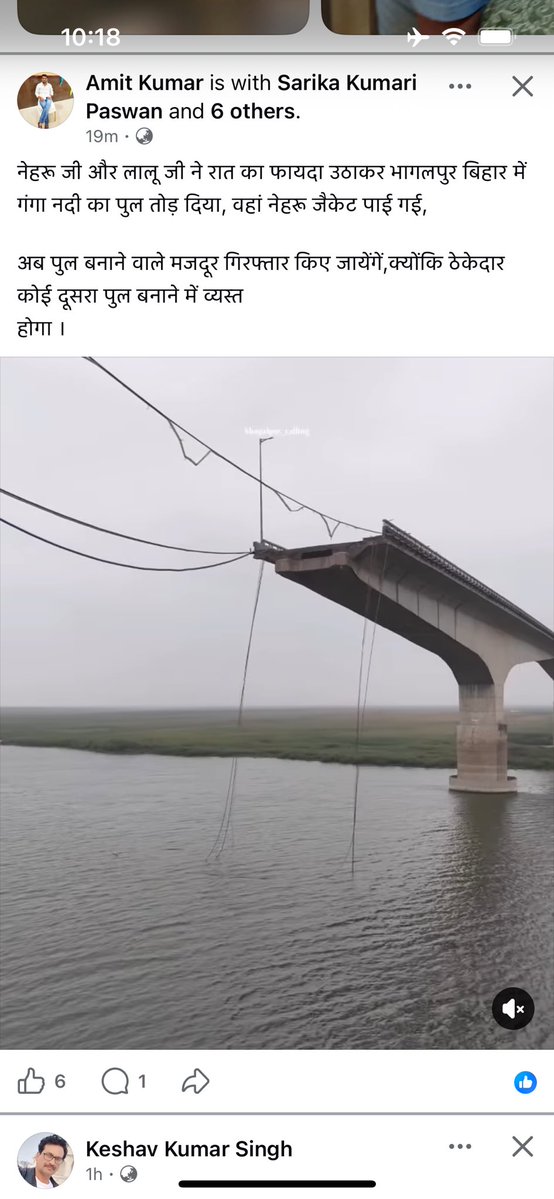
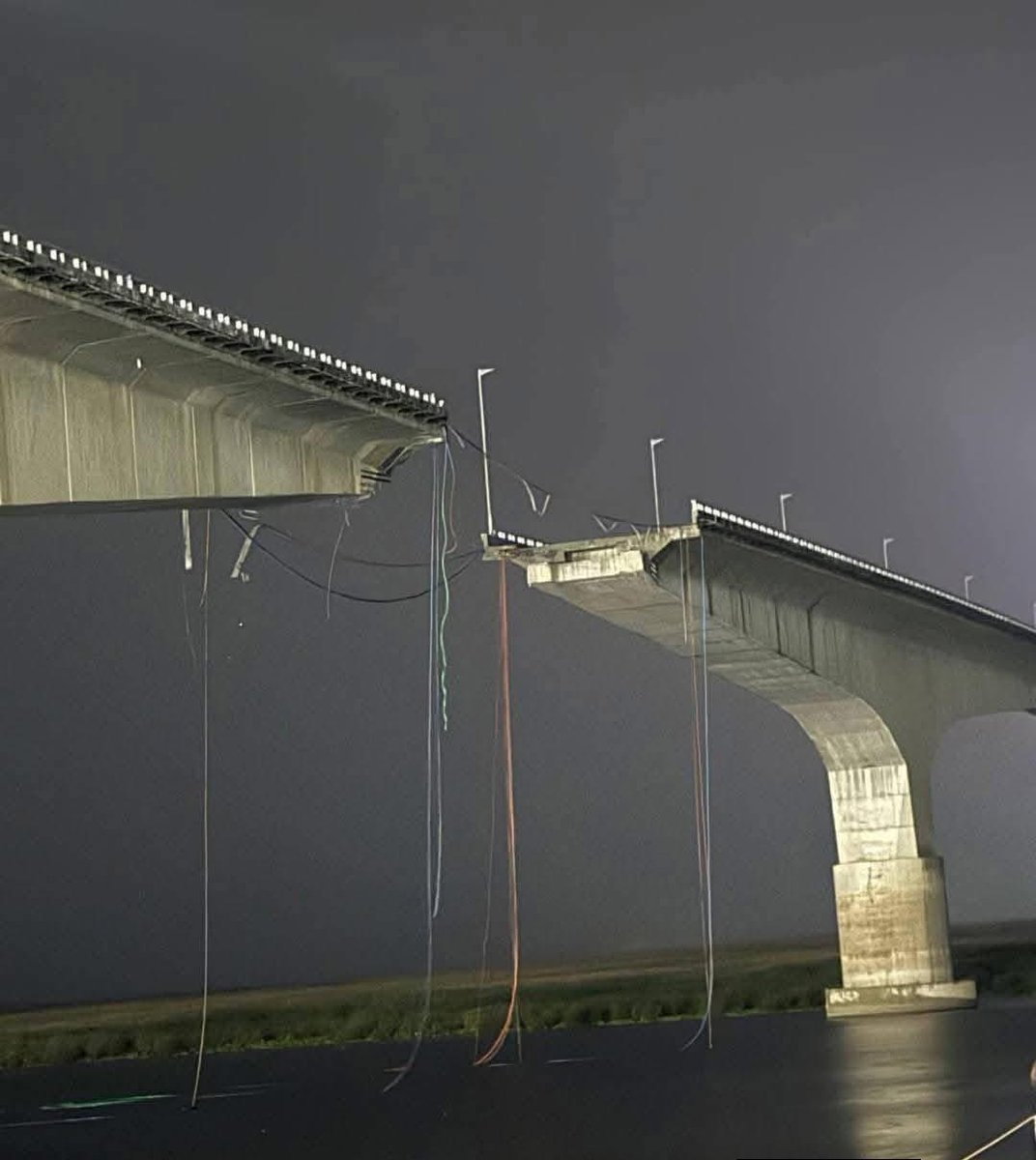
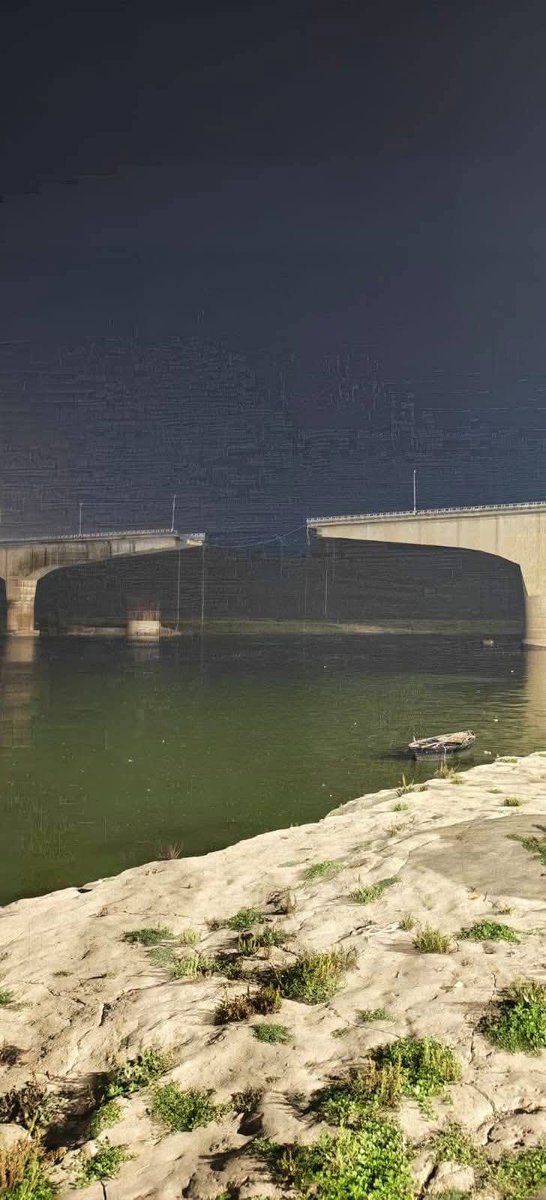
और अब भ्रष्ट NDA सरकार के सौजन्य से भागलपुर में विक्रमशिला पुल ने गंगा नदी में समाधि ले ली। भ्रष्टाचार का इससे भी बड़ा कोई प्रत्यक्ष प्रमाण चाहिए।
विगत महीने हम लोगों ने सरकार को आगाह किया था कि यह पुल गिर सकता है लेकिन आदतन सरकार ने अपनी भ्रष्ट व्यवस्था का बचाव करते हुए पल्ला झाड़ लिया। जिस वक्त पुल गिरा अनेक वाहन पुल पर थे लेकिन ईश्वर का आशीर्वाद रहा कि गिरने वाले स्लैब पर नहीं थे इसलिए जानमाल का नुकसान नहीं हुआ।
विगत दो साल में बिहार में 100 से अधिक पुल-पुलिया गिरे है तभी तो बिहार भ्रष्टाचार में शीर्ष पर है।
As a country with tropical climate, India needs mass cooling solutions.
Almost 6 decades ago, Lee Kuan Yew started completely air conditioning Singapore. He
credited air conditioning as one of the most significant factors in the nation's success. He believed that physical comfort was a prerequisite for high productivity in the tropics.
To quote Lee Kuan Yew:
"Air conditioning was a most important invention for us, perhaps one of the signal inventions of history. It changed the nature of civilization by making development possible in the tropics. Without air conditioning, you can only work in the early morning hours or dusk.
The first thing I did upon becoming Prime Minister was to install air conditioners in buildings where the civil service worked. This was the key to public efficiency."
Yesterday our central minister Jyotiraditya Scindia said that he doesn't use AC in his car, he doesn't sit in air conditioned environment and he just keeps an onion in the pocket to beat the heat. He implied that is an easy and inexpensive way to beat the heat.
It is well known that Scindia's home, office and luxury cars are equipped with AC.
Telling ordinary Indians to keep an onion in the pocket to beat the heat is mockery of our people.
We don't have what is required to become a Singapore. Our minister is no Lee Kuan Yew. The least Scindia can do is not to talk this kind of unscientific crap.
There is no slightest evidence that keeping an onion in your pocket would help you beat the heat.
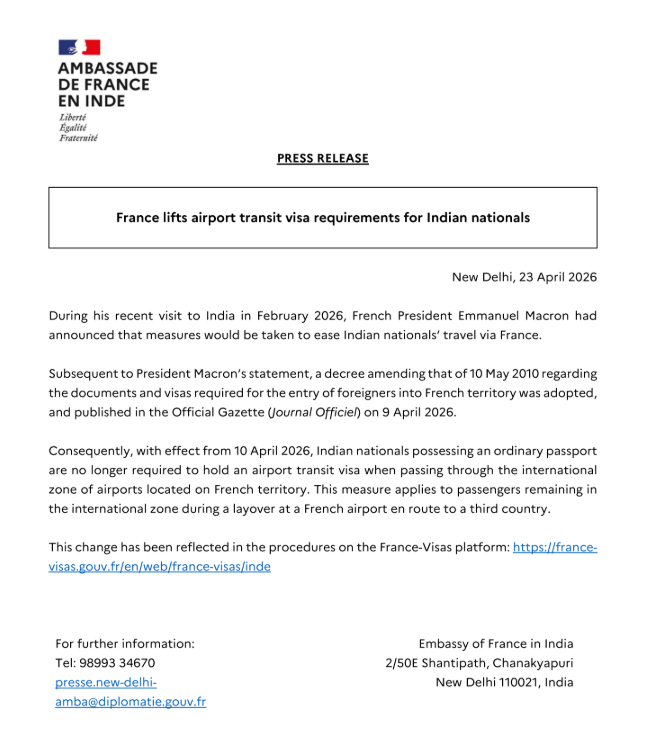
Embassy of France in India- "With effect from 10 April 2026, Indian nationals possessing an ordinary passport are no longer required to hold an airport transit visa when passing through the international zone of airports located on French territory. This measure applies to passengers remaining in the international zone during a layover at a French airport en route to a third country."
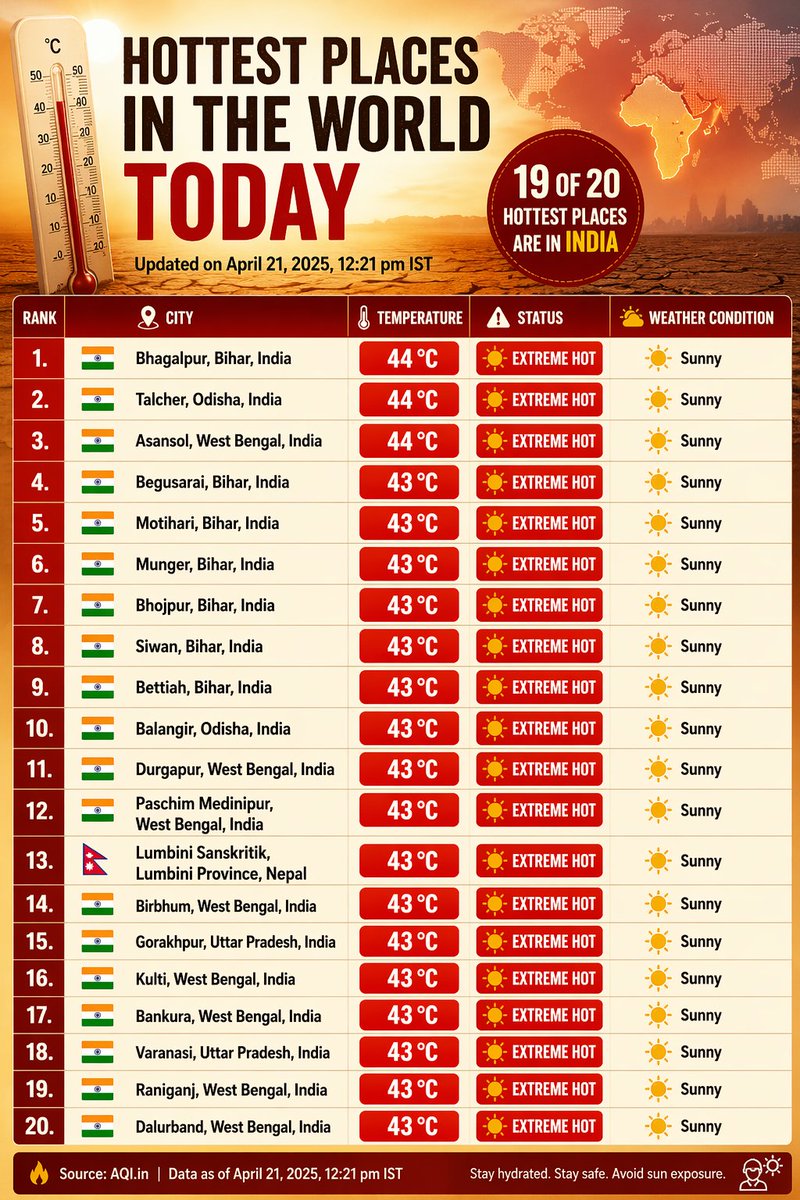
India is currently at the epicentre of a global heat surge, with 19 of the world’s 20 hottest locations recorded within the country, according to data released by https://t.co/WKCCeRyBvD on April 21 at 12:21 pm IST.
The weather office has said heatwave conditions are likely to persist from April 22 to April 24, with maximum temperatures expected to rise further, reaching up to 43 degrees Celsius during this period.
Read More: https://t.co/N1DQXdFFhl
#India #Summers #heatwave #Weather
Part 2. A hospital in India can take someone who has been blind for years and give them their sight back in six minutes. It costs less than a pizza. And they have done it 6.8 million times.
The hospital is called Aravind. It was started in 1976 by a man named Govindappa Venkataswamy, known as Dr. V. He was 58, had just been forced to retire, and his hands were crippled by arthritis so bad he could barely hold a pen. He had scalpels custom-made for his twisted fingers and still performed over 100,000 eye surgeries in his life.
Two years before he retired, Dr. V walked into a McDonald’s for the first time. He looked at the menu, looked at the assembly line in the back, and came out with an odd idea. He would sell cataract surgeries the way McDonald’s sold burgers.
So he mortgaged his house. His brothers and sisters pooled their life savings. He opened an 11-bed clinic in Madurai. Then he flew to Chicago and enrolled in Hamburger University, the actual McDonald’s training program, to learn how the assembly line worked.
At Aravind, cataract surgery is broken into small steps. Nurses prep one patient while the surgeon operates on another. Each surgeon switches between two tables. The operation itself takes about six minutes.
So far Aravind has seen 55 million patients and done 6.8 million surgeries. More than half of those patients paid nothing. Not a rupee. The ones who can pay subsidize the ones who cannot.
A surgery at Aravind costs between $40 and $125 depending on the lens. In the US, Medicare pays about $1,766 for the same operation. Aravind also has better results. Their complication rate is 1.5%, and serious eye infections happen in about 2 out of every 10,000 surgeries. Most American hospitals are not that good.
They built their own lens factory too, called Aurolab. Imported lenses were costing hundreds of dollars each, so Aurolab makes them for around ten. Today Aurolab produces roughly 10% of the world’s eye lenses and ships to 160 countries.
Every year, Aravind sends doctors and nurses out to rural villages for 2,500 eye camps. They screen people who have been blind for years, bus them to the hospital, operate on them, and bus them back home seeing.
Dr. V died in 2006. His family still runs Aravind. Harvard Business School has been teaching the story as a case study since 1993. I still do not see it in my feed.
A 58-year-old with crippled hands walked into a McDonald’s. Fifty years later, 6.8 million blind people can see.
White towels are a legacy of British era, when there were few roads, fewer cars and no ACs. Officer toured on horses and towels were an integral part of hygiene routine.
British left, horses were sent away, but towels stayed!
It’s not just towels, the size of tables and colour of ink are also defined by hierarchy.
When I was working at Joint Secretary level with the Vice President of India, I had to fight a stiff battle of sorts to order a smaller table that would fit better in my office. The system would not approve of a smaller table!
Regarding the colour of ink to be used for noting and signature, Sh. Arun Shourie has written a hilarious, if not ridiculous, memoir as minister.
In 1999, two officers in the Ministry of Steel made notings on files using red and green ink.
This raised a furore as they were junior officers. The seniors were scandalised and an enquiry was initiated.
India’s bureaucracy spent 13 months debating which colour ink officers could use on files.
The enquiry was routed through several ministries and departments:
Ministry of Steel wrote to Dept of Administrative Reforms
It referred to Directorate of Printing (ink experts)
Printing referred to Dept of Personnel & Training (DoPT)
DoPT threw the ball back: “it’s your Manual, you decide”
National Archives was consulted for longevity of ink colours
Ministry of Defence consulted for Army ink hierarchy
Conclusion after 13 months: juniors wrote in blue-black or blue ink, because that has the longest life of impression. In British era, the files had to travel to Britain, so juniors would write in ink that would stay for the longest.
The top brass would sign in green and red.
Ruling:
Two new paras were added to the manual of office procedure:
Para 32(9) says that only officers of Joint Secretary level and above may use red or green ink, and that too only in rare cases. Para 68(5), on the other hand, does not limit the use of these colours to any particular rank (as modern ball pen ink have no issues of shelf life for any colour!)
The white towel on the officer’s chair. The red telephone on the desk. The peon standing at the door. The green ink reserved for the senior sahib.
These are not accidents of history. They are architecture, the physical grammar of a bureaucratic culture that worships hierarchy.
1/ I read the actual policy wording documents (~200 pages) of India's 5 biggest health insurers: Star Health, HDFC Ergo, Care Supreme, Niva Bupa, ICICI Lombard. Not brochures - the legal contracts.
Here's what they're hiding.
(Thread 🧵)
@rajtoday I would like to see the designers, as well as the people who have approved of this design, be forced to commute in this train for a month straight... let it be... let`s see... May
Hate crime doesn't necessarily manifest itself in beating up someone or calling them racial names. It is the small things. One tends to ignore such things until they can't be ignored anymore.
TLDR: This is the 5th time someone has deflated my car tyres in Rohtak.