Programme officer, Water and Wetlands, IUCN thailand
But I'm still landscape architect who want to be landscape ecologist.
Free the river and break the levees
Explore what spatial planning means for major infrastructure and place-based responses, as well as how it shapes planning, delivery and outcomes.
This webinar delves into how collaboration on spatial thinking can help achieve wider benefits.
Register ➡️ https://t.co/KSYd8291UY
Without intervention, England will face severe water shortages in coming decades, as climate change-induced weather patterns, population growth & the expansion of industries such as data-centres put excessive demand on supplies and endanger life. https://t.co/uaGz43ZXxC
London's flood defences have just had a £1.4m boost–protecting more Londoners against flash flooding.
We're building a more resilient city–delivering on London's first ever Surface Water Strategy, driven forward by @MayorofLondon & partners following the devastating 2021 floods.
In December, the Govt will decide if it will renew the glyphosate licence until 2041…
•That’s 15 more years of impacts on worms, bees, soils and run-off into ponds and rivers, and glyphosate in your food. Sign Garden Organic’s petition NOW to ban this dangerous herbicide.
We are pleased to share that our book “#RoadEcology: Synthesis and Perspectives”, published by @SpringerNature, is now online, with the full volume and all chapters available here: https://t.co/a5tTWJIfsw @rafa_barri@Fernucht@ebdonana
🌎 Every day is Earth Day at Ducks Unlimited!
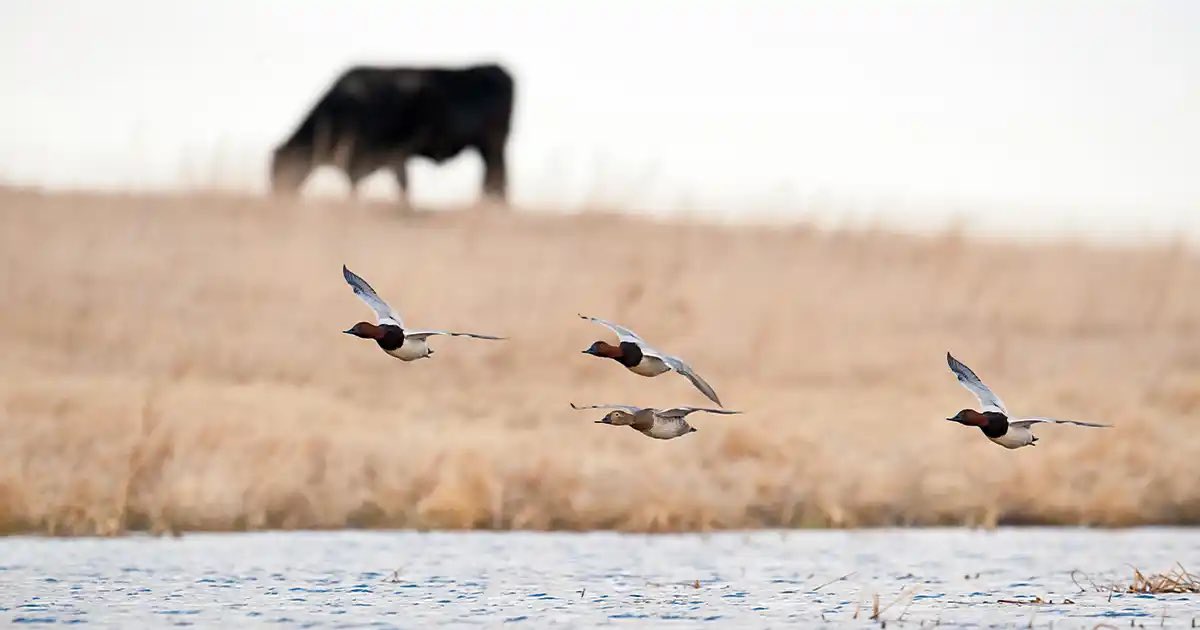
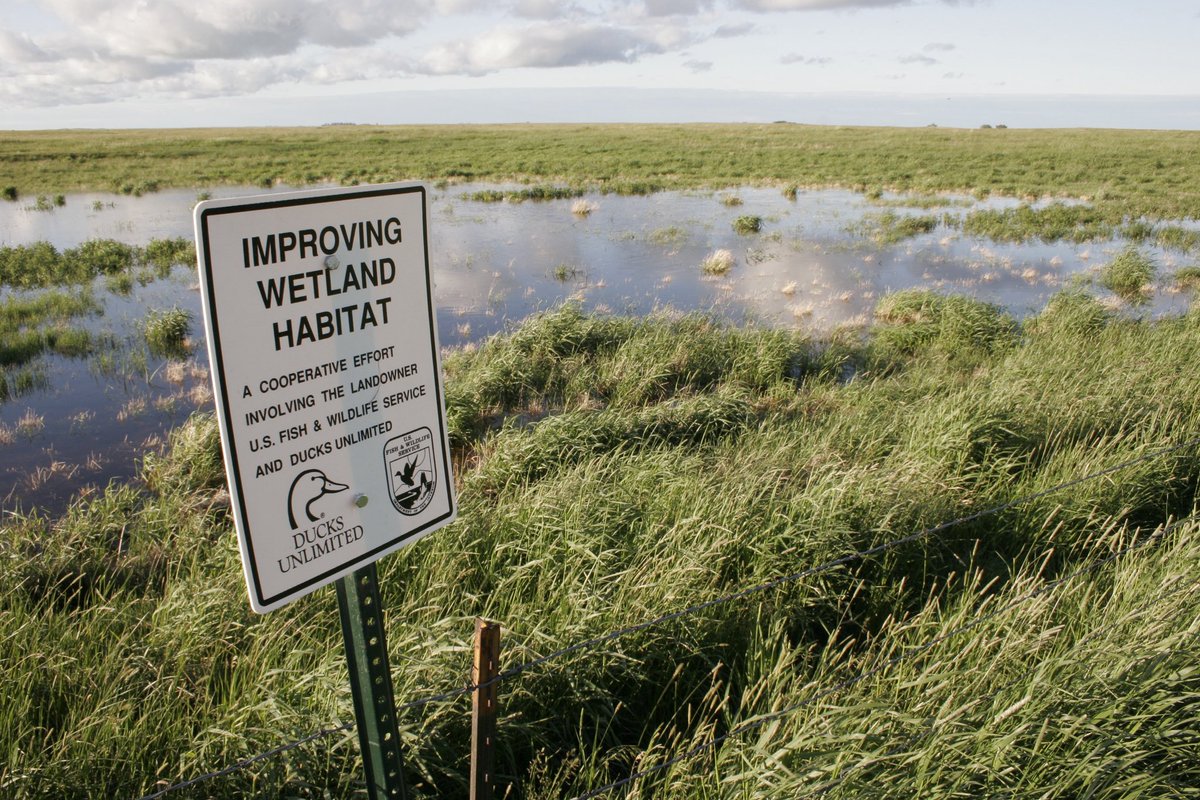
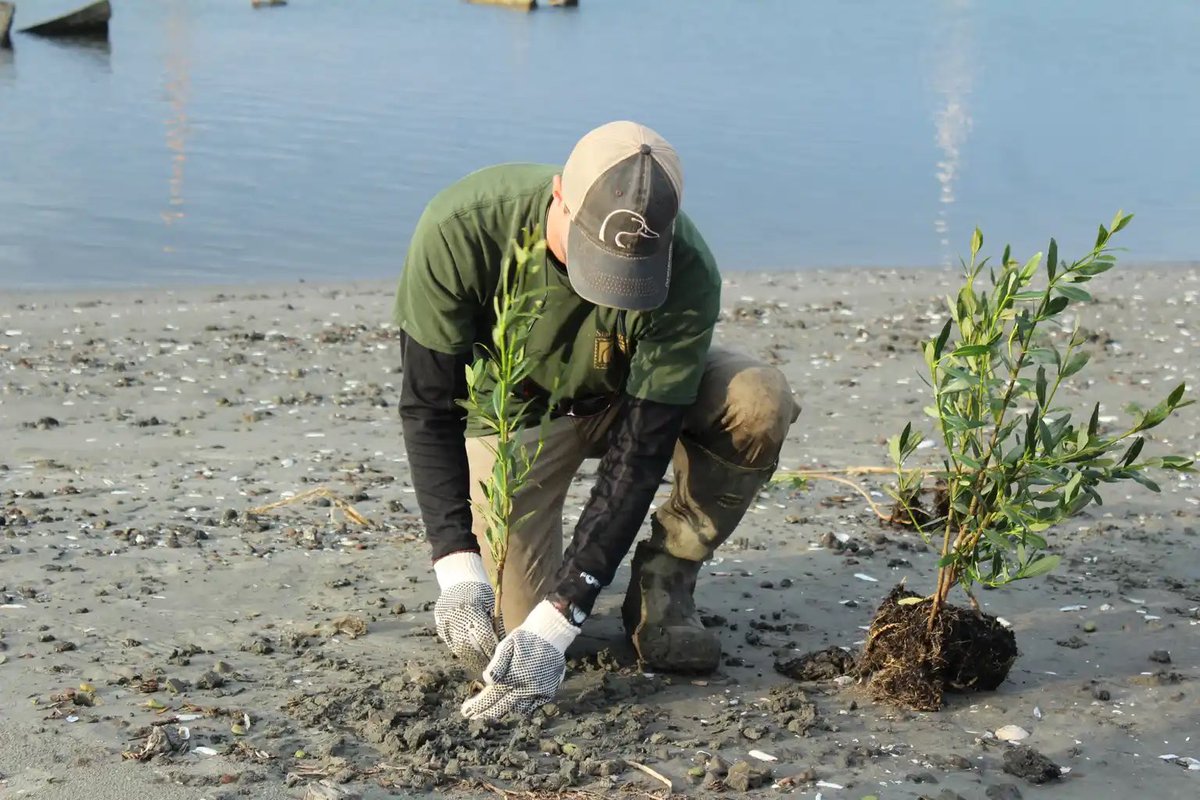
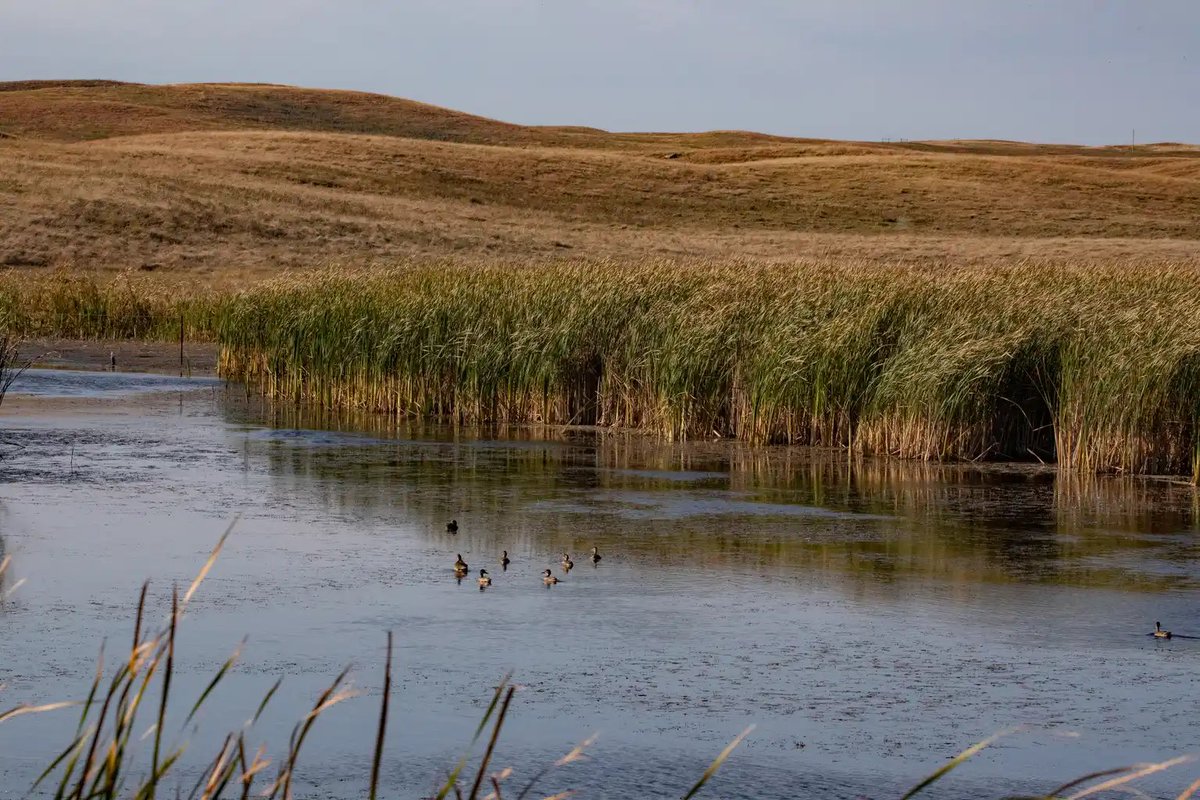
DU conserves, restores, and manages wetlands and associated habitats for North America’s waterfowl. These healthy wetlands also provide our communities with clean water, protection from storm damage, and places to enjoy the outdoors. DU encourages you to get outdoors and experience the natural wonders around us.
Thank you for supporting wetlands conservation—and for helping us protect these vital landscapes today, tomorrow, and forever. 💧🦆
To learn more on how to make a difference, click the link below!
https://t.co/QIPWtRK2RX
🌍 This Earth Day, SWS is looking ahead
Explore our new Strategic Plan guiding the future of wetland science, restoration, and collaboration
https://t.co/pn0R2HOVoW
#EarthDay#Wetlands#SWS2026
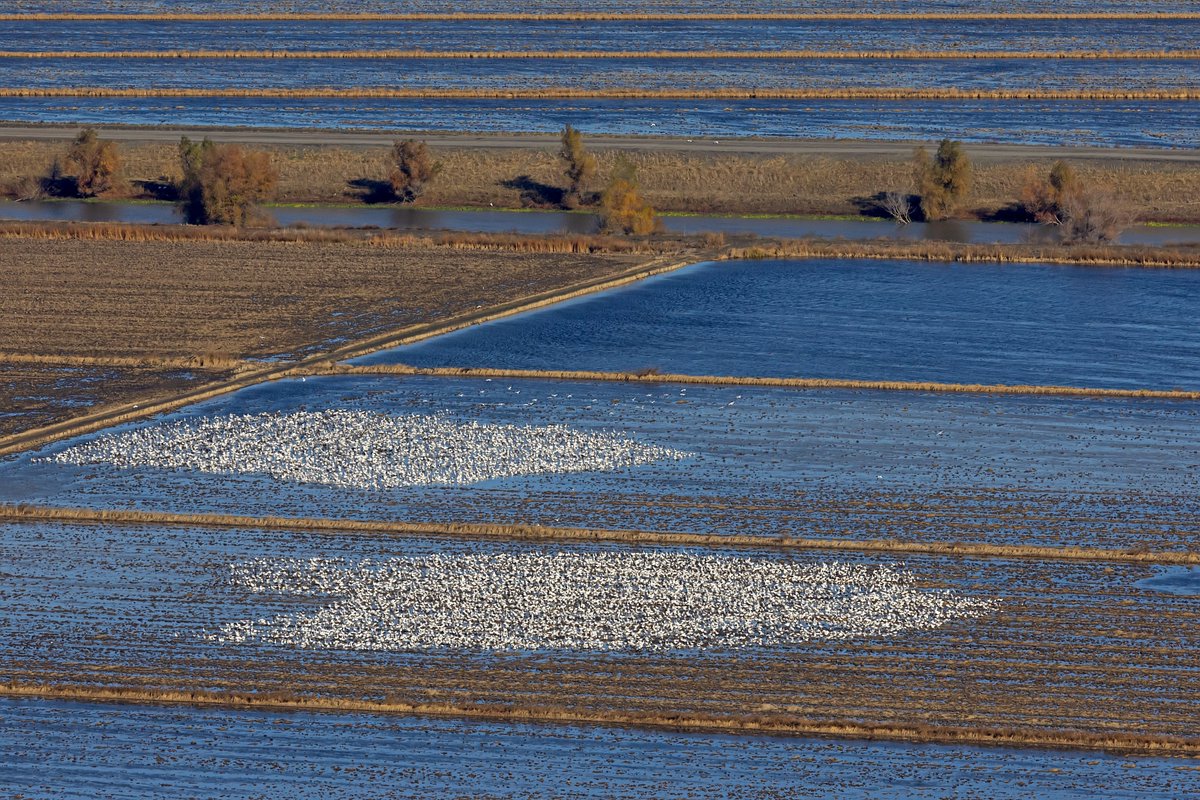
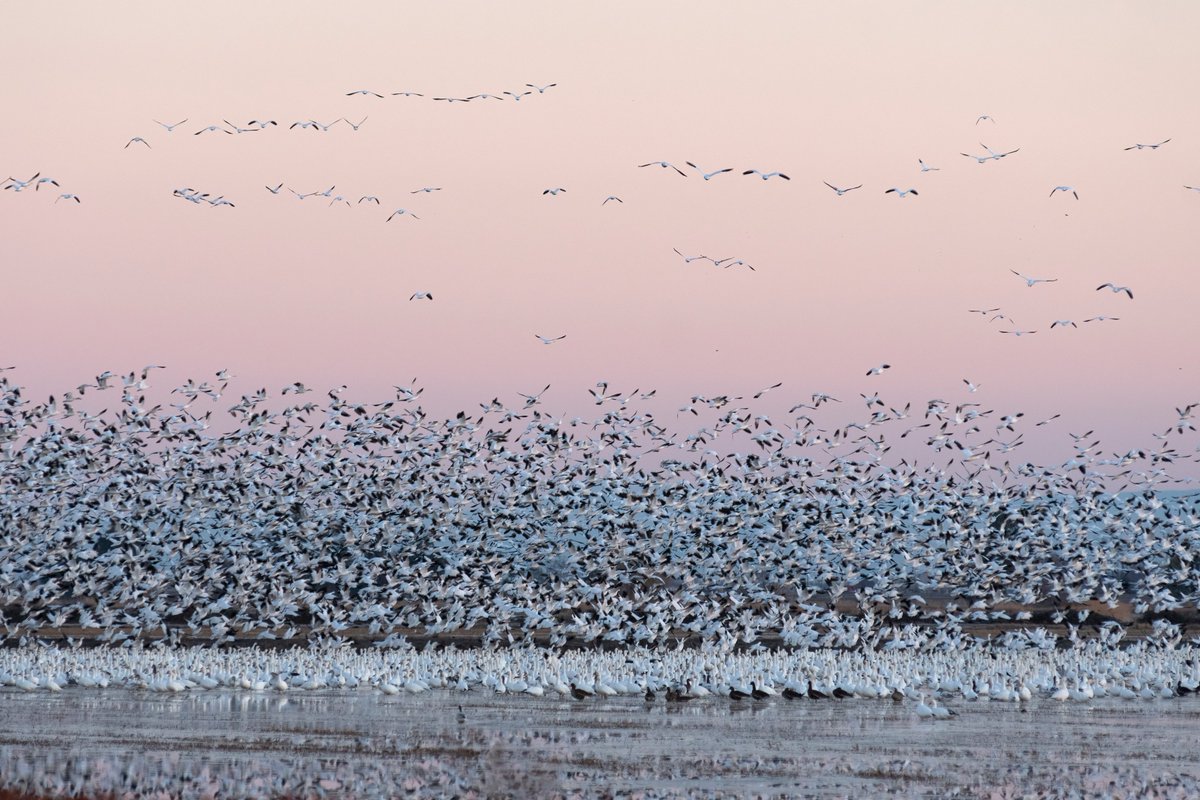
In 1991, CA law sharply restricted rice straw burning in the Sacramento Valley to improve air quality. Growers turned to winter flooding to decompose leftover straw. Today, 300,000+ acres of those flooded fields are among the Pacific Flyway's most important winter habitats.
"Wetlands are one of the critical life support organs for Earth. Aside from their filtering capacity, they are extremely productive environments for fish, wildlife and biodiversity. In fact, my guess is that most people who are activists for wetlands, came to that place, by first being users of them. Hunting, fishing, canoeing, birdwatching, and more, are common activities because there is so darn much to see there."
https://t.co/iZ5YpNr7he
Wetlands = the OG of water infrastructure. They stored flood water, filtered it & drove biodiversity and ecological productivity.
But...we drained them, and I think are still living with the hard consequences of those decisions.
Killing the Sponge 👇🏞️
https://t.co/iZ5YpNr7he
#wetlands #freshwater #biodiversity
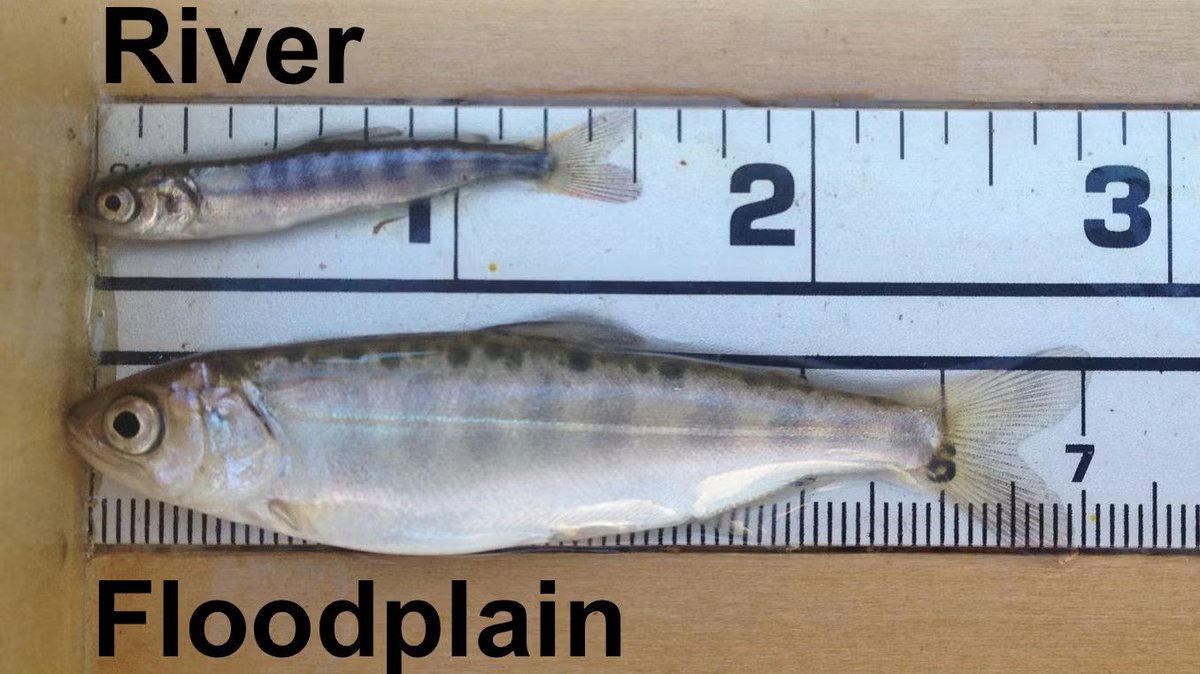
Fish fry that entered winter-flooded rice fields two months ago are heading toward the ocean.
Research shows salmon raised on rice floodplains grow 2–5x faster than in rivers.
Working landscapes and fish recovery support each other.
https://t.co/0dvzns3MlN