Looking for online fossils for your students to explore and study this semester? Check out our large, free Virtual Collection of over 500 3D models of specimens from collections and exhibits of @PRInstitution.
https://t.co/PYfIEOsZv3
#FossilFriday#OpenScience#geology
Happy #FossilFriday!!
Fossils of NY Card No. 7 is the Devonian glass sponge Hydnoceras bathense. Come see this specimen for yourself on display at the Museum of the Earth! Learn more about glass sponges, both living & extinct, on our @PaleoDigAtlas https://t.co/eoQYZpopDV
📣 ANNOUNCEMENT: Now accepting applications for our two student research grants, J. Thomas Dutro Jr. Award and John W. Wells Grants-in-Aid of Research Program.
Learn more and apply at https://t.co/Cwx4JPQeKD
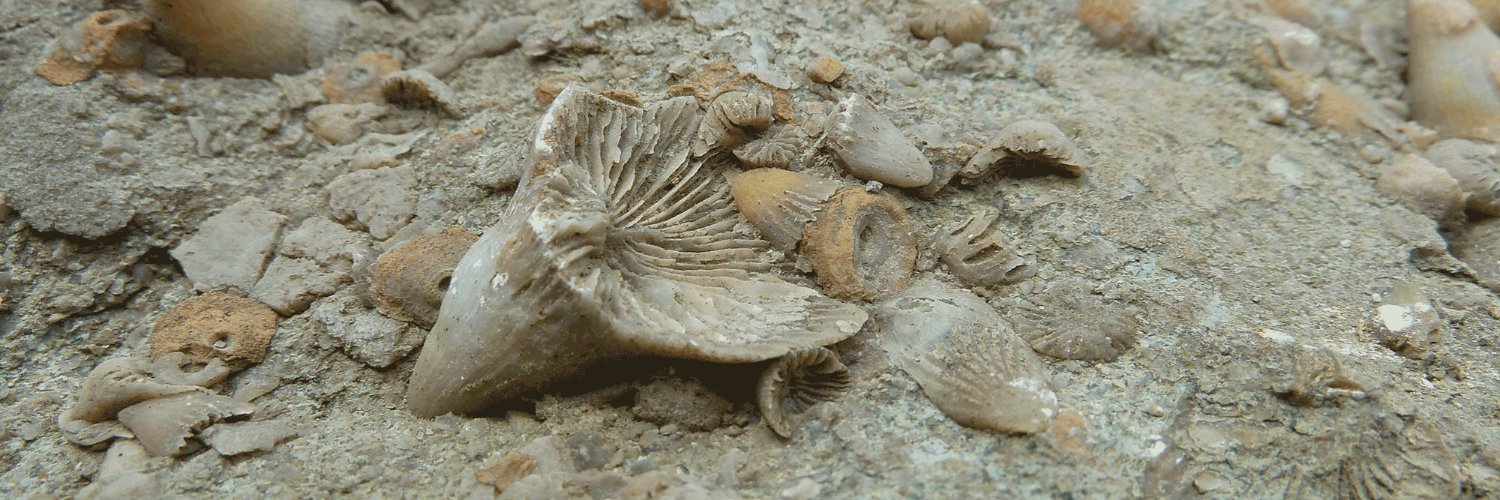
Happy #FossilFriday!! Fossils of NY Card No. 3 is the Devonian tabulate coral Pleurodictyum americanum. This specimen from our collection is from the Moscow Formation of Ontario County, NY. Learn more about tabulate corals on our @PaleoDigAtlas: https://t.co/bRapFknNei
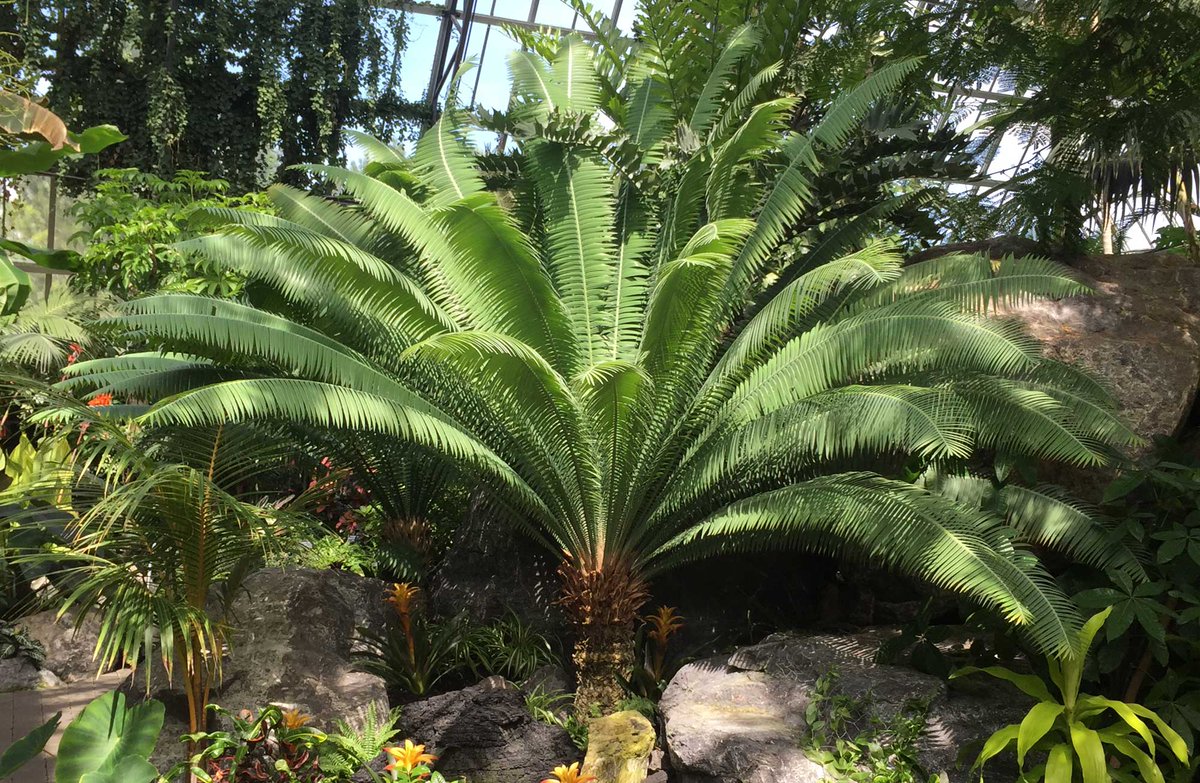
New page on using Nearest Living Relatives (in plants) in paleoclimate estimation has been added to the Digital Encyclopedia (📷 @ejhermsen). https://t.co/TgfNEaov0T
@niles_eldredge@PRInstitution Unfortunately, not in the video! However, we do have some Eldredgeops models on our trilobites page: https://t.co/s8eVGiOoSq
How about some Devonian fossils from NY for #FossilFriday? These are just some of the new 3D models that PRI summer intern Neil Pezzoni has created over the past month. They will eventually be incorporated into our upcoming @PaleoDigAtlas Devonian Atlas...stay tuned!
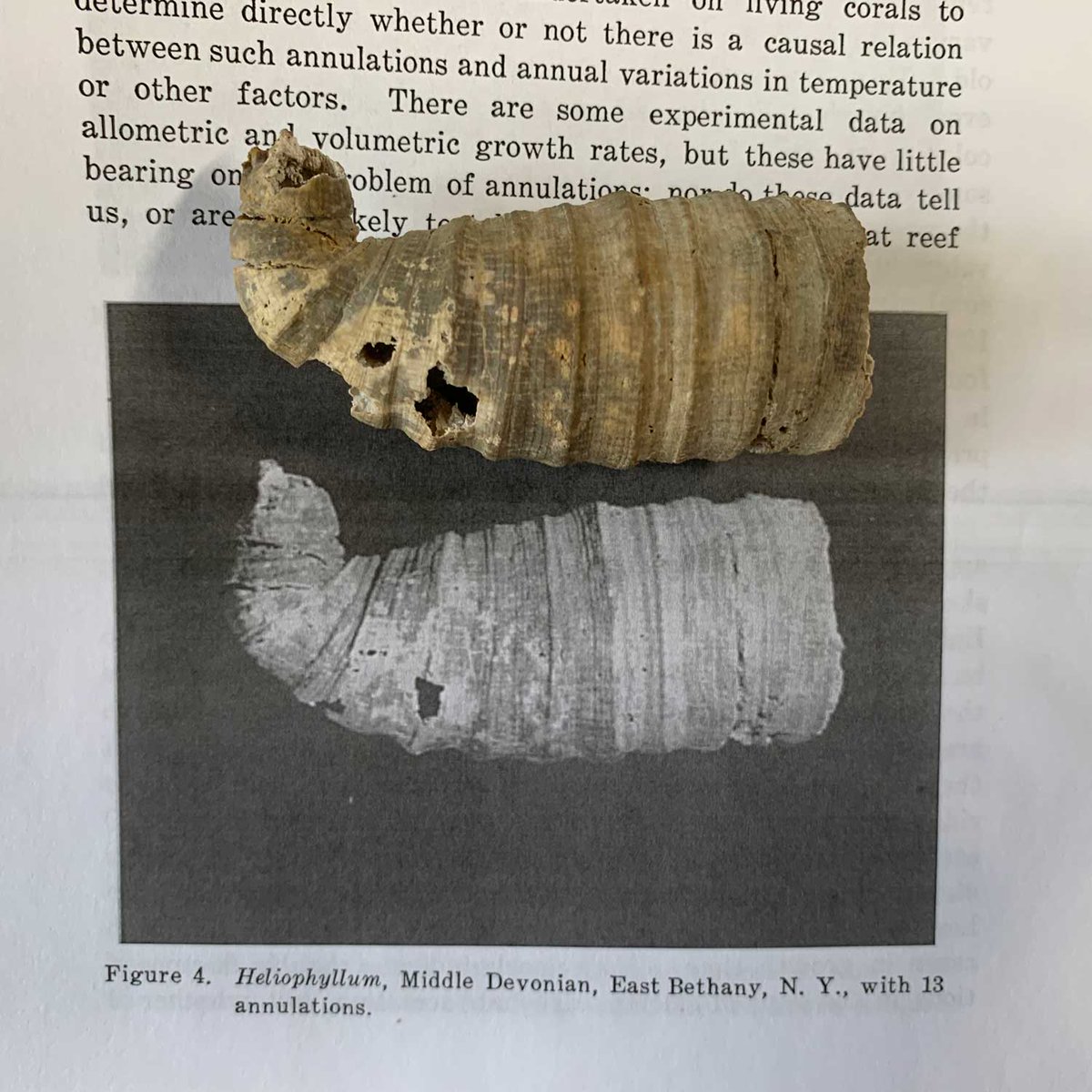
The specimen (PRI 83105) of the rugose coral Heliophyllum sp. that was part of John Wells's 1960s studies of the Earth's changing rate of rotation (figured in both Wells 1963 and 1966). More here: https://t.co/lRIaDyxfLK #FossilFriday
#FossilFriday In the 1960s, @CornellEAS professor John Wells used growth lines on rugose corals to provide evidence that Earth's rate of rotation has slowed over time. Here is a new 3D model of one of Wells's specimens from @PRInstitution; on @Sketchfab: https://t.co/NSk4T1bxhY
After a long hiatus, we are back to making 3D models of our fossils @PRInstitution. Here is the Devonian rugose coral Heliophyllum confluens (PRI 49869) from NY; specimen on exhibit in the Museum of the Earth, Ithaca, NY. Model on @Sketchfab: https://t.co/5ruUFpnSmX
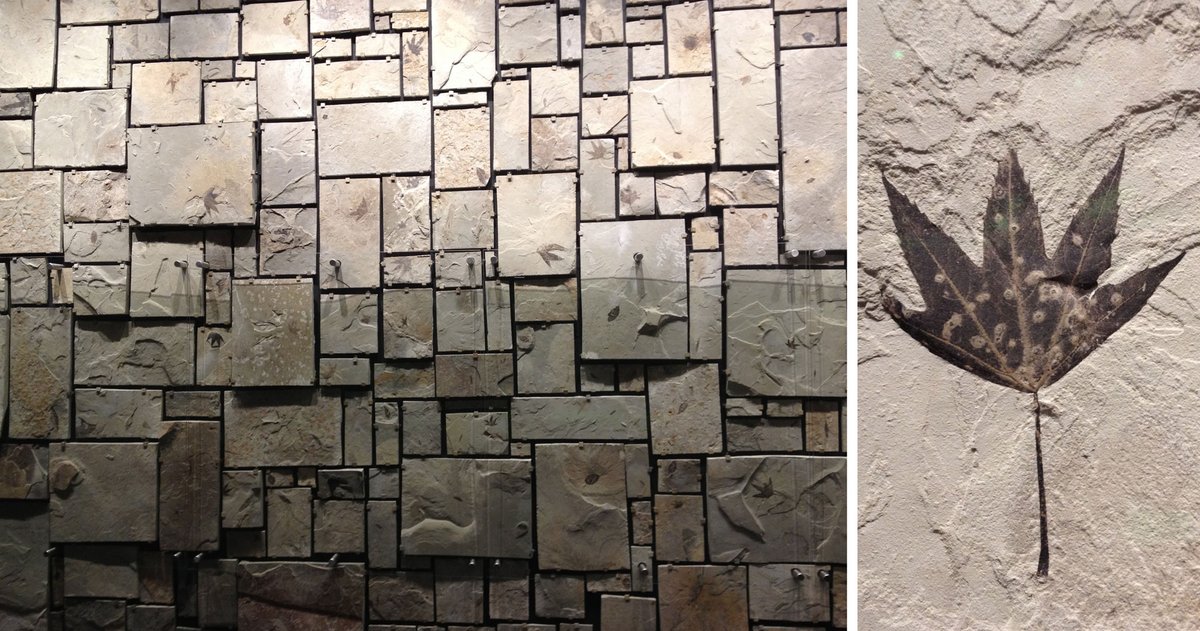
A new page on Leaf Margin Analysis (LMA) has been added to the Paleoecology chapter. LMA is a technique used to estimate mean annual temperature using fossil leaves of flowering trees and shrubs. 📷 J.R. Hendricks https://t.co/g2lfLa9euZ
@RussellGarwood@ajlkn@Sketchfab We are happy to hear that you are finding the models useful and are incorporating them into open-access educational resources. Thanks for your support!
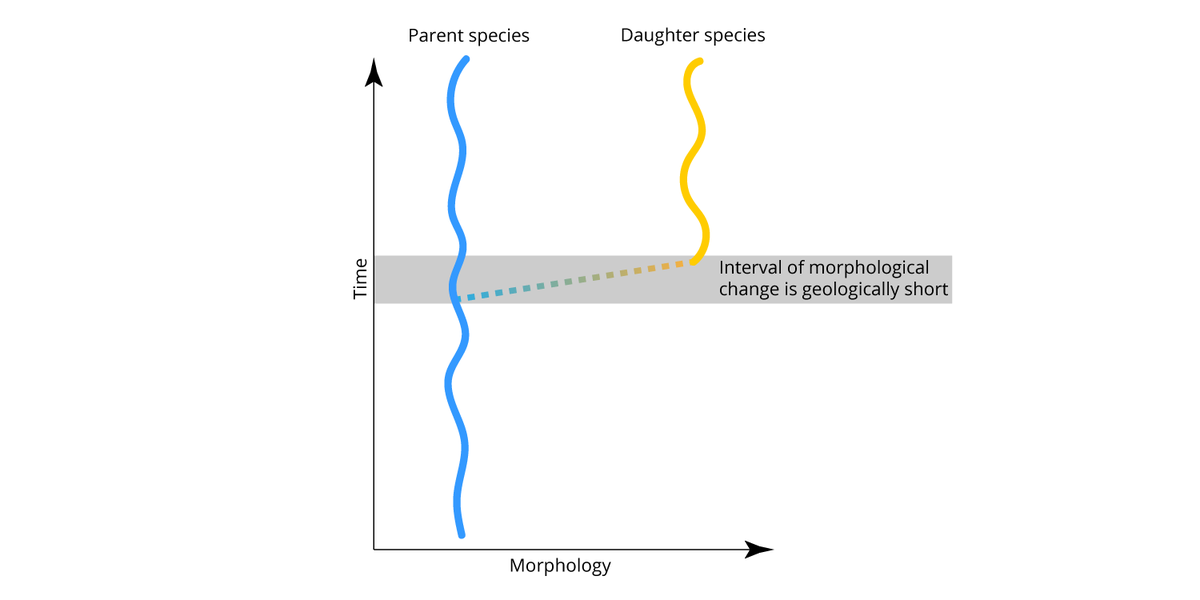
Want to know more about the idea of punctuated equilibrium and its connections to macroevolution? Check out this series of short videos developed by @KUbiology students in @Trilolight's class:
https://t.co/BNpqKbM68M
Today is International Museum Day! In celebration of this year's theme, #ThePowerofMuseums, check out 3 of our digital superpowers!
💻 Virtual exhibits: https://t.co/SmZXcb73NT
🐚 3D Virtual Collections: https://t.co/1DNIo9Po71
🌎🏠 Earth@Home: https://t.co/iiWsxDlLEw
#IMD2022
Excited to share we’ve added pages about fossils of the western US to Earth @ Home! You can now access coverage of fossils from the Southeast, South Central, Southwest, & western US. Stay tuned for fossil coverage from other regions. Happy #FossilFriday! https://t.co/YWcOfZqWGg
📍 🗺️ 🐌 Introducing the Earth @ Home Science Road Trip! We're sliming out with Gilbert D. Snail on an Earth science adventure across the US! Get ready to hit the road for the 🌎@🏠 #ScienceRoadTrip! Follow Gilbert's journey on social media & bookmark: https://t.co/FauK09CdgI!
February 21, 1885 the Washington monument was dedicated. The monument was made from white marble. Check out White Marble by @PaleoDigAtlas in #3D, #VR or #AR https://t.co/1baaGJVvzu via @sketchfab