Over several million years, mammalian diversity built up in Mexico before the Isthmus of Panama arose, making Mexico a ‘holding pen’ for mammals, researchers report.
https://t.co/WdZP5W1Mb8
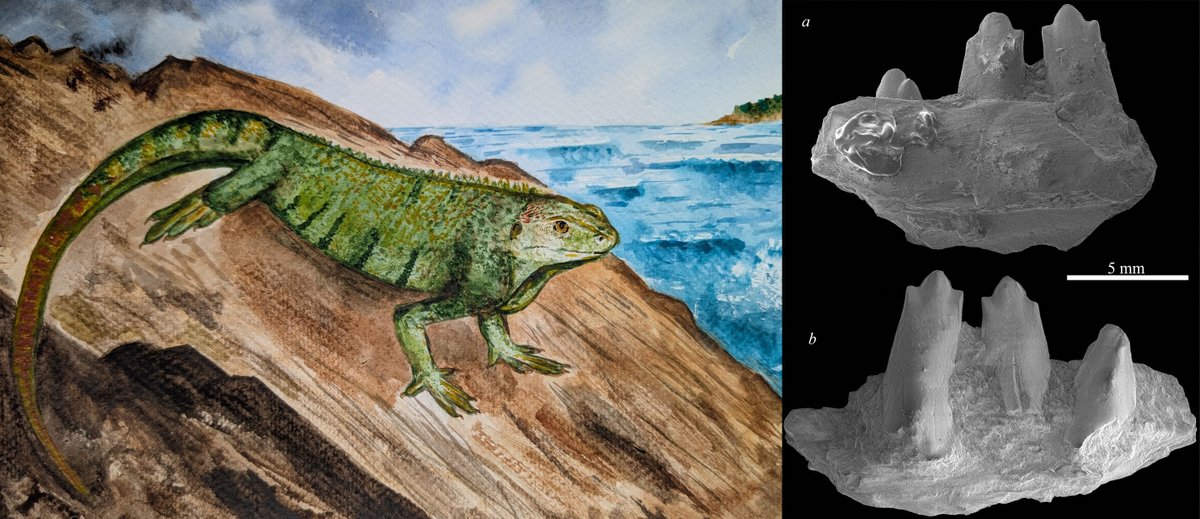
Our new paper on iguana fossil remains from the Eocene of Anatolia. This is the first reptile remain from the Eocene of Balkanatolia, a landmass characterized by peculiar endemic mammal faunas.
#openaccess in @SciReports
https://t.co/VYItLpoPhK
Many thanks to @NCN_PL for support
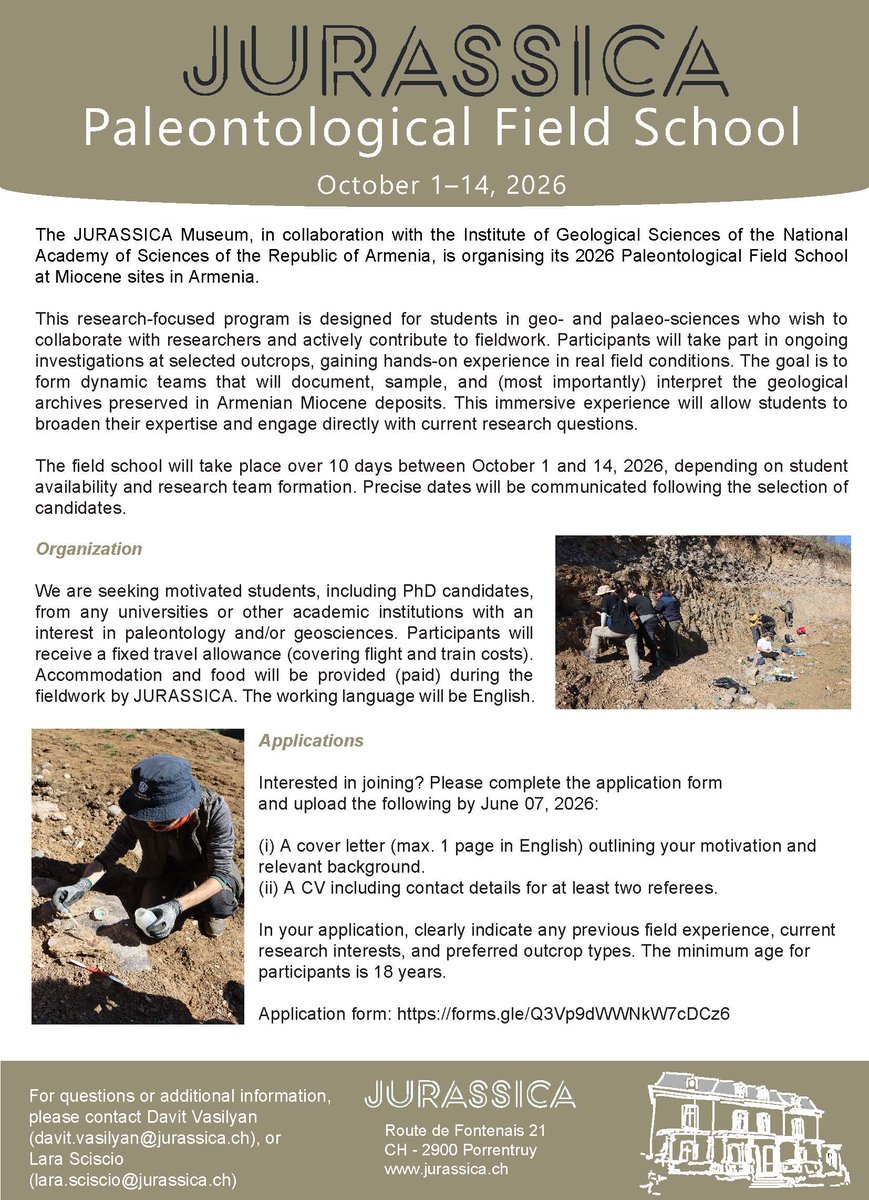
Applications are now open for our 2026 Paleontological Field School in Armenia!
See flyer below for more details.
📝 Apply by June 7, 2026
Application form: https://t.co/jc4iSGgRs5
🌊New publication alert!🌊
Recent contribution from our lab examining the cranial evolution of sea cows spanning an illustrious fossil record of 45 million years, transitioning from land to sea! Led by @saha_aatreyee
Excited to present our new paper on Sirenia!
Cranial restructuring in the evolution of Sirenia (Mammalia): Insights from 2D morphometric analysis of fossil and extant taxa by
@saha_aatreyee, Aditya Bhardwaj and @sunilbajpai2012 .
https://t.co/JSaWqkufHf
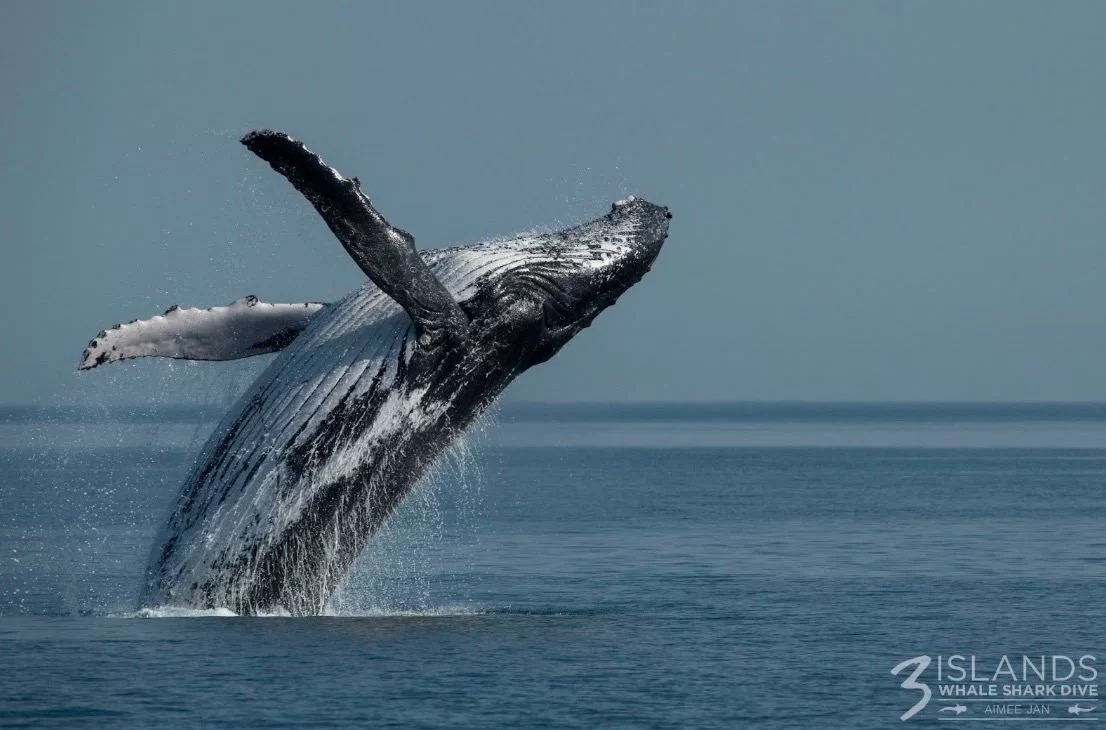
Today is #WorldWhaleDay. This extraordinary group has been on the planet for some 50 million years and have evolved from dog sized land hunters to ocean leviathans. Their very existence hangs in the balance however because of a comparatively small but highly destructive primate
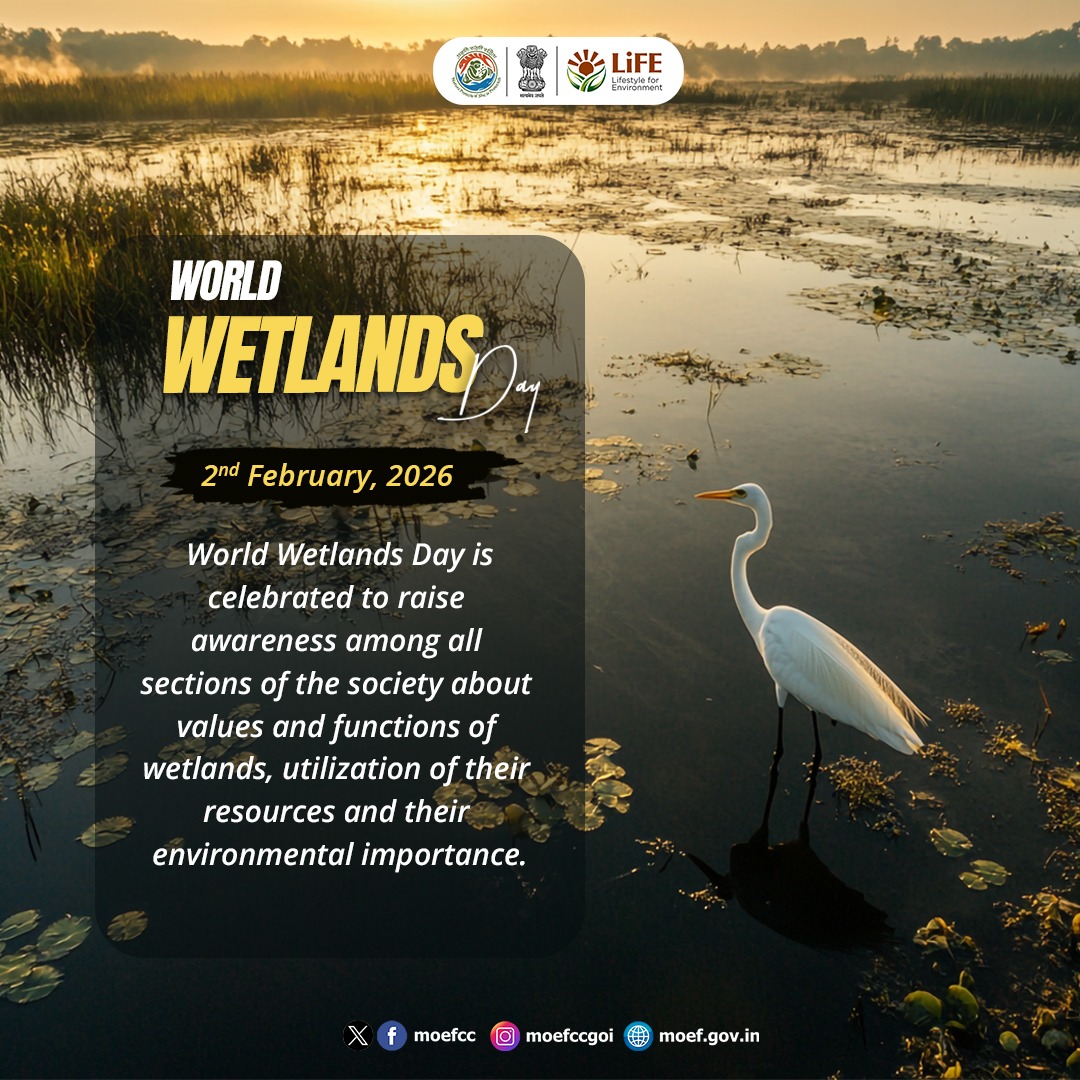
Wetlands play a crucial role in maintaining ecological balance and environmental well-being.
Together, let’s raise awareness and act for their conservation.
#MissionLiFE#WorldWetlandsDay#WorldWetlandsDay2026
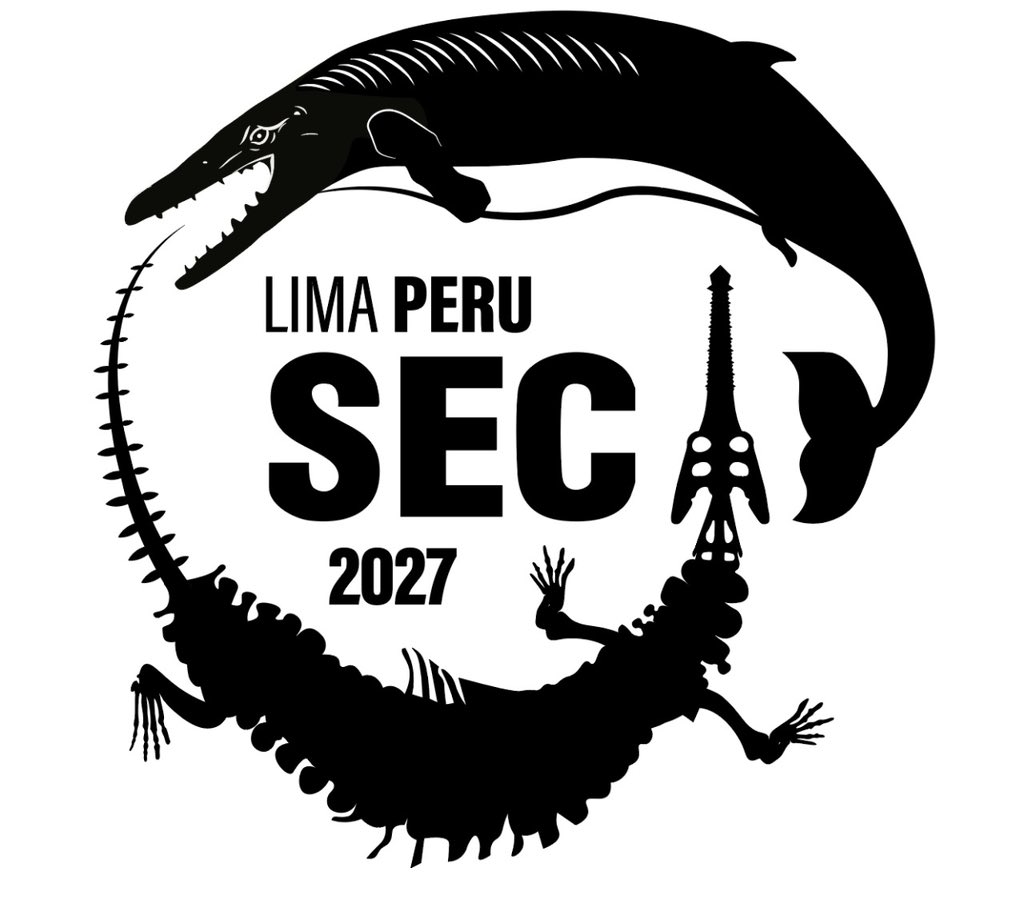
We are delighted to share the first circular of #SECAD2027, the meeting on Secondary Adaptations of Tetrapods to Life in Water, to be held in Lima, Peru, from 30 August to 3 September 2027. We look forward to welcoming you all!
Link:https://t.co/fKyywgvpHC
Big questions in #paleontology?
In a global effort involving ~ 200 scientists from 30+ countries, we identified the key questions shaping the future of paleontology.
Our work is now published in Paleobiology!
https://t.co/jq9uOsjRKx
@IISERPune@ECS_IISER_Pune@PaleoSoc
Our much-loved Extinctions online course has been "refreshed and repackaged" and is now FREELY available on Coursera. Signup and Enjoy!
https://t.co/ycgSijU4dV
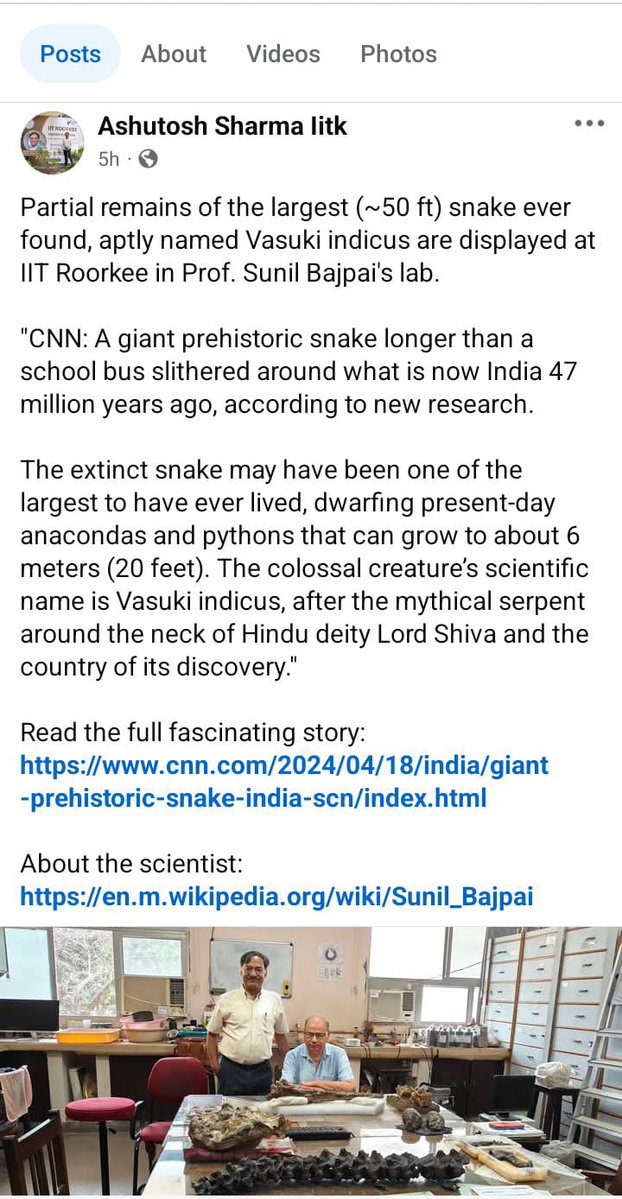
Prof. Ashutosh Sharma, President of the Indian National Science Academy (INSA), visited the Vertebrate Paleontology Laboratory in the Department of Earth Sciences at IIT Roorkee. https://t.co/JmfmoCPZ2c @sunilbajpai2012@iitroorkee@insa_academy
New article alert!
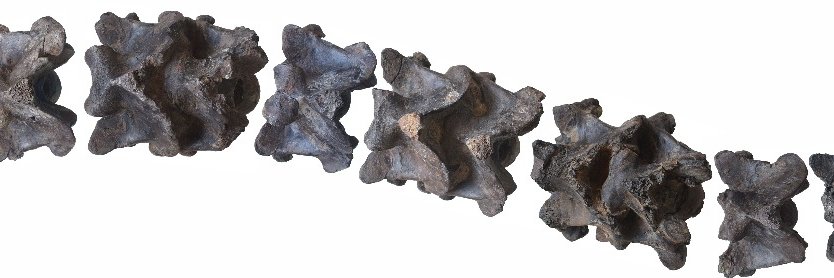
@debajitdatta_9 and @sunilbajpai2012 describe a diverse array of Eocene (c. 55-40 Ma) snakes from Kutch, India, including a new aquatic species Pterosphenus rannensis.
https://t.co/Gfgh8AiV1V
Since it's #WorldSnakeDay , have this new drawing of Vasuki indicus, one of the largest snakes (?) ever to exist, estimated at up to 15 m long (longer than Titanoboa?), eating a proto-sirenian in Eocene India because why wouldn´t it, it was hungry. :B
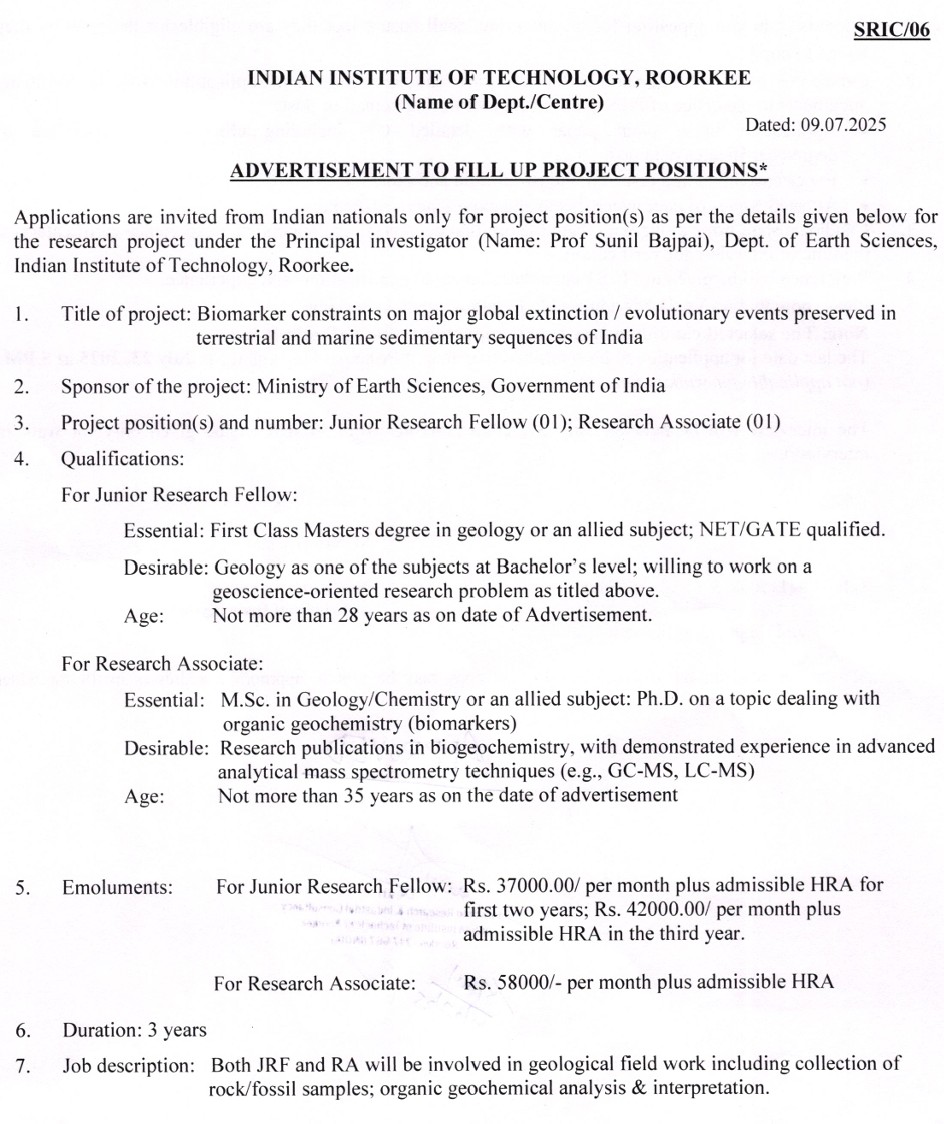
Calling interested applicants for two positions (a JRF and an RA) to work on an @moesgoi funded three-year project in our lab on major global extinction events using geological and paleontological records of India.
Deadline for receiving applications is 23 July until 5 pm.
New article alert!
@sunilbajpai2012 and @ishurautela7 review the biogeographic affinities of early Eocene (c. 55Ma) land mammals from India.
https://t.co/X5i5TkxeoL
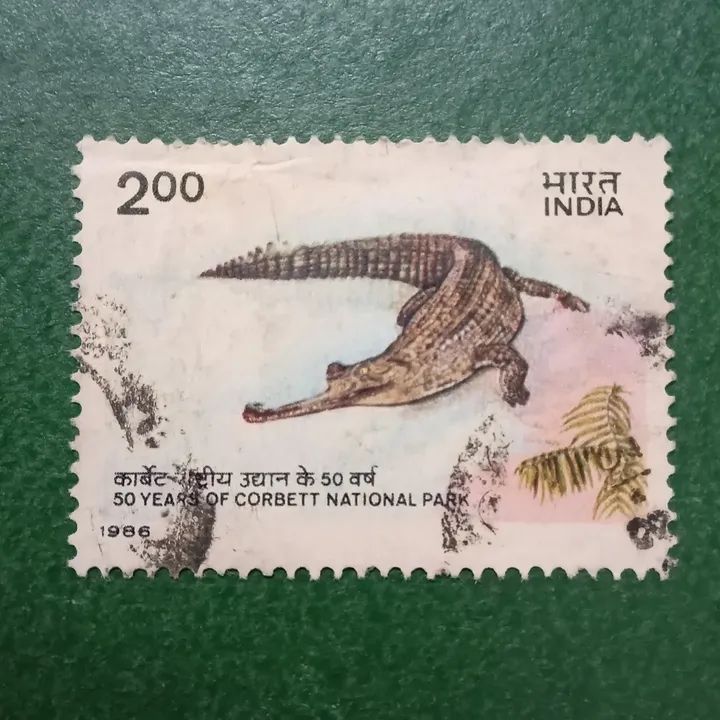
Crocodiles are not just predators — they are essential for the ecosystem.
They keep fish populations in check, support biodiversity, and even shape the water bodies they live in.
On World Crocodile Day, let’s shift the narrative from fear to understanding and protection.
Healthy crocodiles mean healthy rivers.
#kanha #kanhatigerreserve
#worldcrocodileday #crocodiles
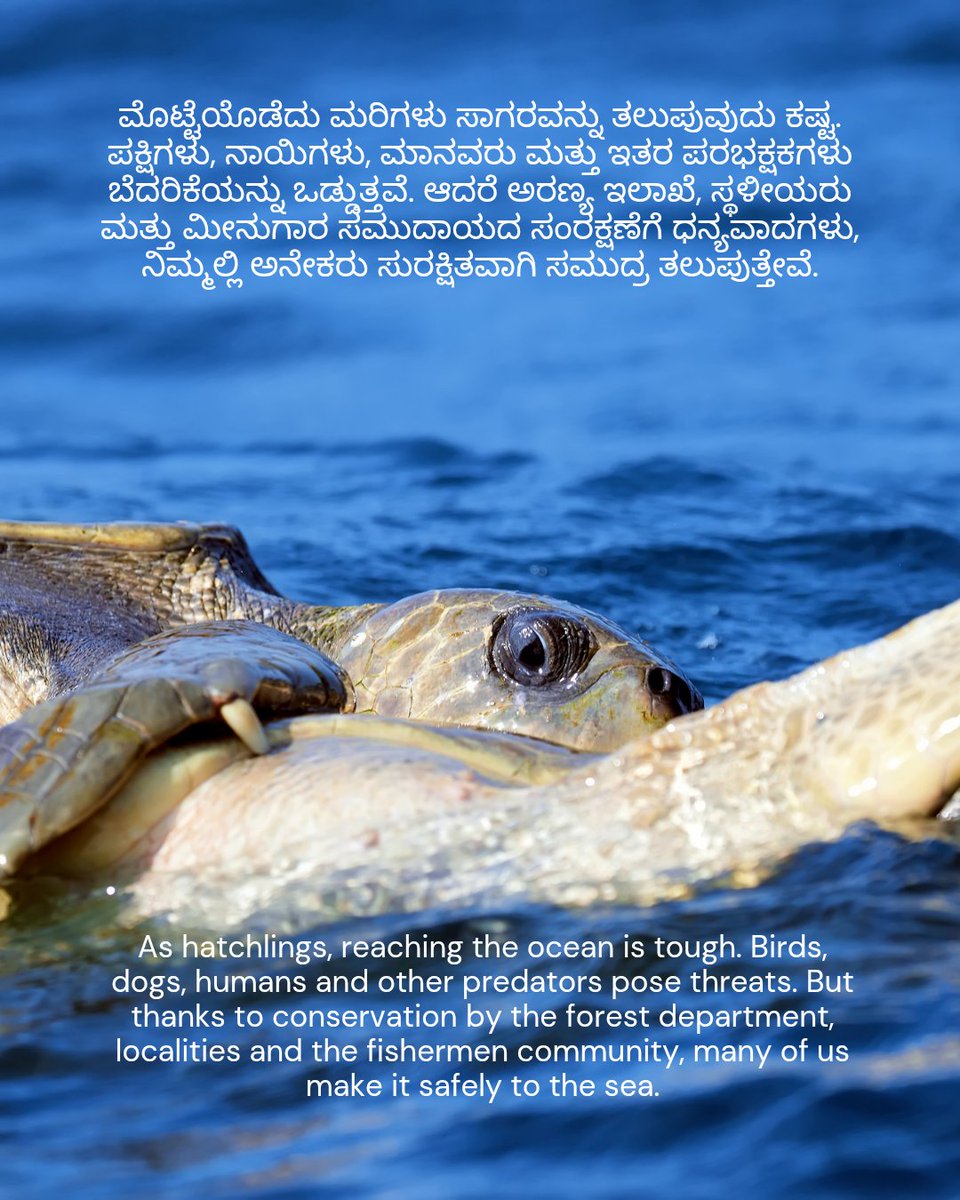
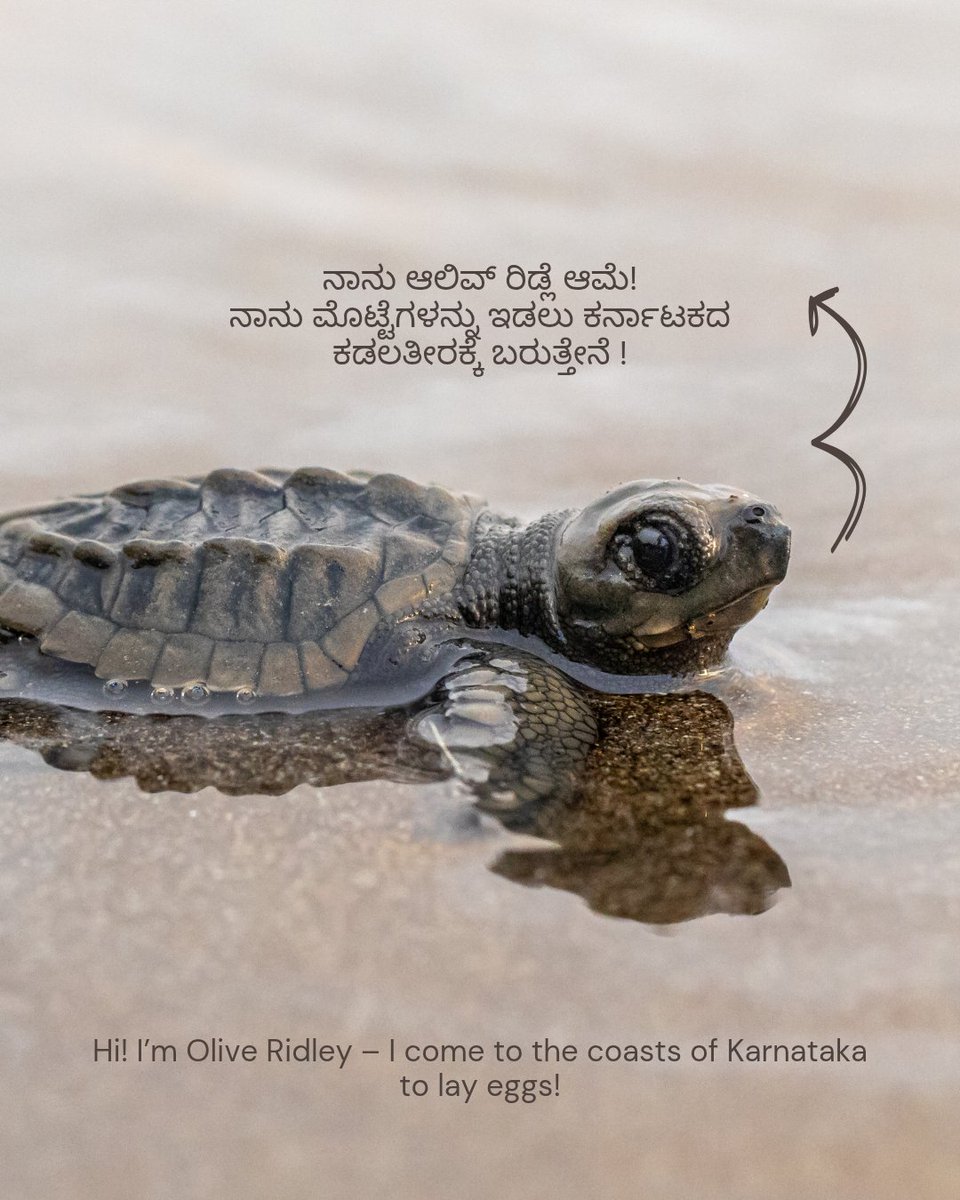
ವಿಶ್ವ ಕಡಲಾಮೆ ದಿನದ ಶುಭಾಷಯಗಳು!
Happy World Sea Turtle Day!
ಈ ದಿನದಂದು, ಕಡಲತೀರಗಳನ್ನು ಸ್ವಚ್ಛವಾಗಿರಿಸಿ, ಸಂರಕ್ಷಣೆಯನ್ನು ಬೆಂಬಲಿಸುವ ಪಣ ತೊಡೋಣ.
On this day, let’s promise to keep our beaches clean and support conservation.
#worldseaturtleday#seaturtle#conservation#kfd#aranya#karnatak