We’re fortunate to have @DrJeffMasters advising on our Hurricane Explorer and curriculum for our #NSFFunded GeoHazard project. Read his warnings about worsening hurricanes due to warm waters in the Gulf of Mexico. https://t.co/h7VpyziFMU
I love this model, it uses real world data, is based on real volcanic eruptions and is a great way to understand risks of natural hazards. You should check it out.
Try our free GeoCoder model with your middle and high school students today! Students use block code to set values for wind speed and direction, then run the model to watch tephra distribution. Free weeklong curriculum unit also available! https://t.co/sMYJ23oM1z
Found out I’ve been granted tenure by @buwheelock in the middle of working with educators and other stakeholders on #scistandards implementation guided by commitments to youth, equity, and justice
Get ready for #EarthDay! We have loads of free Earth science and geoscience resources, all for free, all with interactive models, case studies, and real-world data to engage your students! 🌎https://t.co/zmjBKIhyxy
Extreme rainfall events have become more frequent, causing widespread flooding. With our new #NSFfunded GeoHazard flood curriculum module, middle & high school students investigate the risks and impacts of inland flooding using interactive simulations. https://t.co/Kjj8gmyv8G
We’re thrilled that @mapping_gnome has so generously created maps of rock distribution for students to connect tectonic environments to rock genesis. Learn more about the maps, our new #TecRocks curriculum, and how to get involved! https://t.co/KXfoZDsoP2
Using our High-Adventure Science modules to explore unanswered questions in Earth science just got easier! We've updated a popular blog post about scoring the argumentation items. Try our newest resources to assess student understanding. #MondayMemories https://t.co/f0wRMFryhq
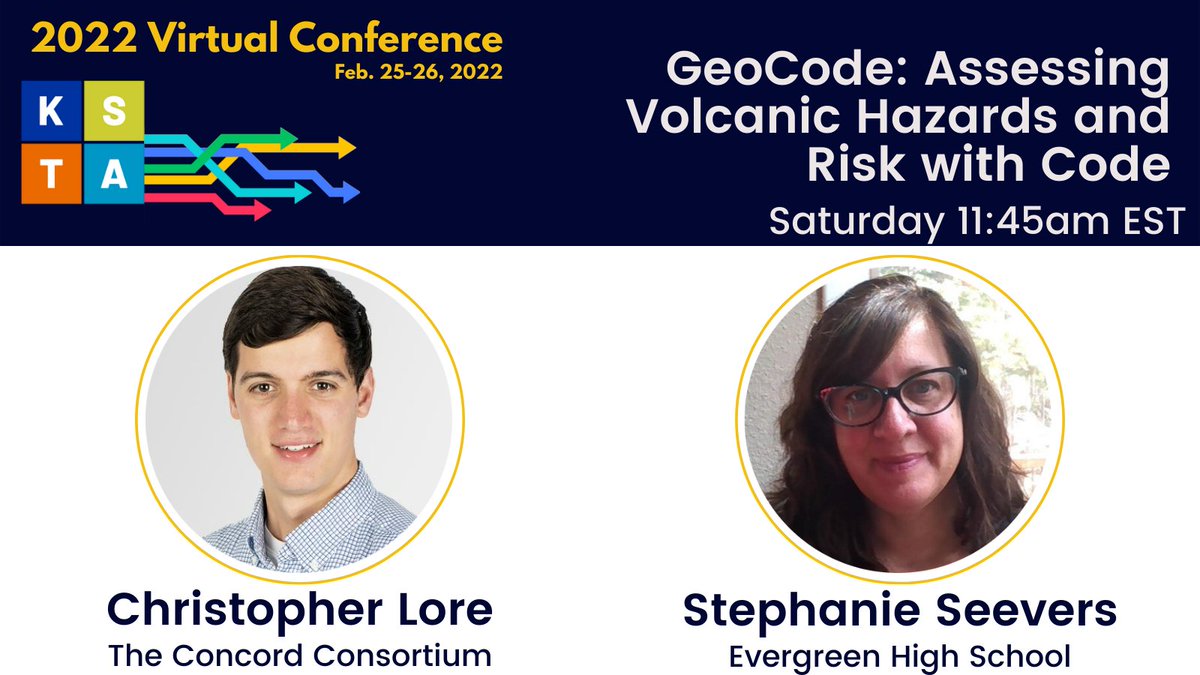
Don't miss @ConcordDotOrg Christopher Lore and Stephanie Seevers as they show you how to incorporate the 3D learning model into your Earth science lessons with GeoCode infusing geoscience curriculum with computational thinking practices. https://t.co/WCd3cCjEy6 for more
Free volcanic hazards curriculum for middle and high school students piloted by participating research teachers as part of #NSFFunded GeoCode project is now available to teachers worldwide! Extensive teacher support materials, too. Try it now! https://t.co/nTvy9jXJna
Try our revised Hurricane Module with new claim-evidence-reasoning questions, model enhancements, and updated teacher materials, including classroom discussion questions around socioscientific topics. https://t.co/V4VDX84b8K
Spark students’ natural interest in wildfires! Free wildfire curriculum for middle and high school students funded by @NSF. Investigate wildfire spread and intensity using innovative web-based model. Case studies and data from @forestservice@NASA & @NOAA https://t.co/Hfjtla5k9s
Spark students’ natural interest in wildfires! Free wildfire curriculum for middle and high school students funded by @NSF. Investigate wildfire spread and intensity using innovative web-based model. Case studies and data from @forestservice@NASA & @NOAA https://t.co/Hfjtla5k9s
Robert Constantinescu, an active contributor to our #GeoCode project and a Ph.D. candidate in volcanology at @USouthFlorida, worked with scientists from @uwiseismic to collect tephra fall samples after the recent La Soufrière volcanic eruptions. https://t.co/bDW2rCUota
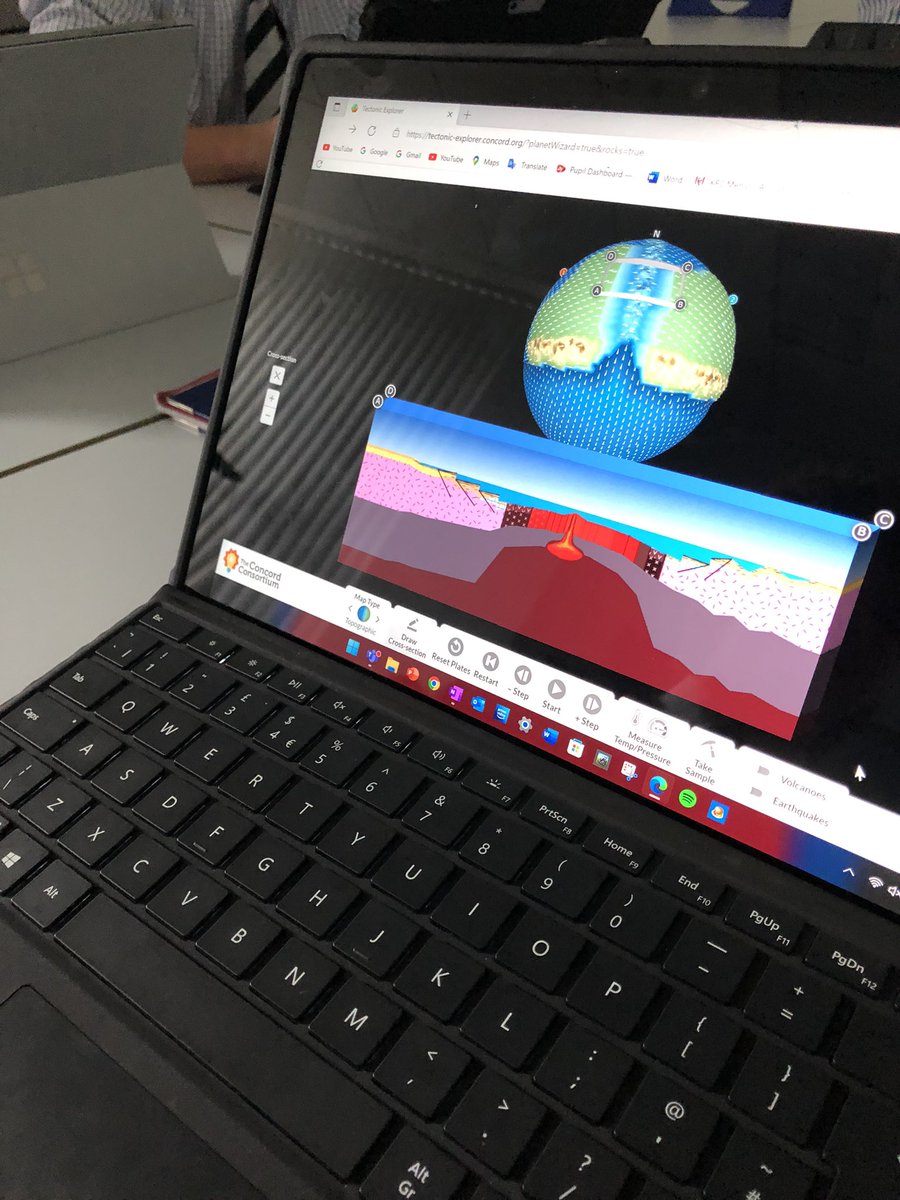
The rock cycle is typically taught with a simple diagram in #EarthScience classrooms. The problem? It’s hard to show processes through a static image. New features in our #TectonicExplorer 3D model connect rock formation with tectonic plate movements. https://t.co/tPmF2aNIlM
Through our partnership with @NatGeoEducation and our complementary missions to teach kids about the world & ignite large-scale improvements in teaching & learning through technology, we’ve developed engaging Earth science materials. Check out the new hub! https://t.co/w1JBxPkUjw
NEW RESOURCE ALERT!
Explore tectonic plates, climate change, energy choice, hurricanes, and more through our new Exploring with Models collection created in partnership with @ConcordDotOrg. https://t.co/HpmxUlFCFH