The Pamoja Critical Minerals Alliance is a continental social movement organised through national chapters, bringing together civil society organisations
Mineral wealth must sustain livelihoods and dignity. PAMOJA calls on the DRC to demilitarise artisanal mining sites and allow Congolese citizens to work peacefully, safely and without fear.
We urge SADC, the African Union and AMDC to support the protection of miners and communities.
#PAMOJA #DRC #ArtisanalMining #MineralJustice
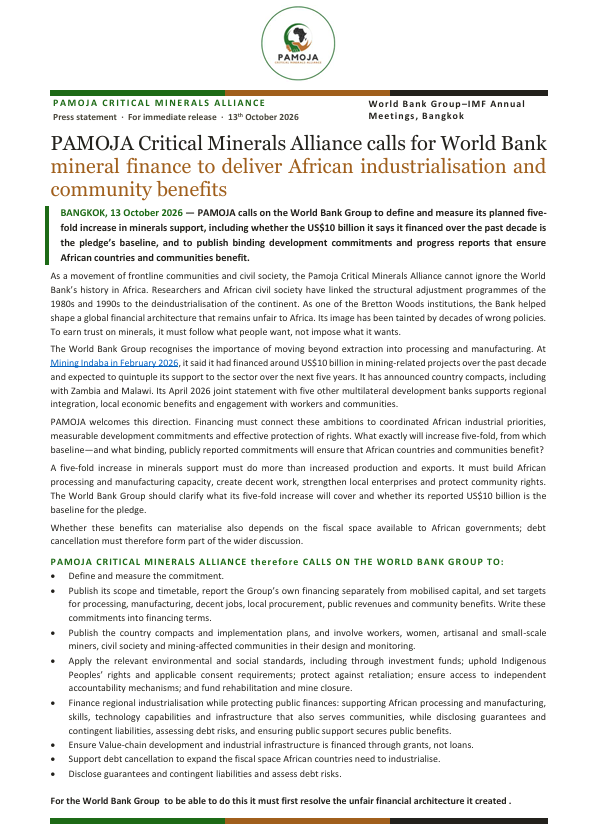
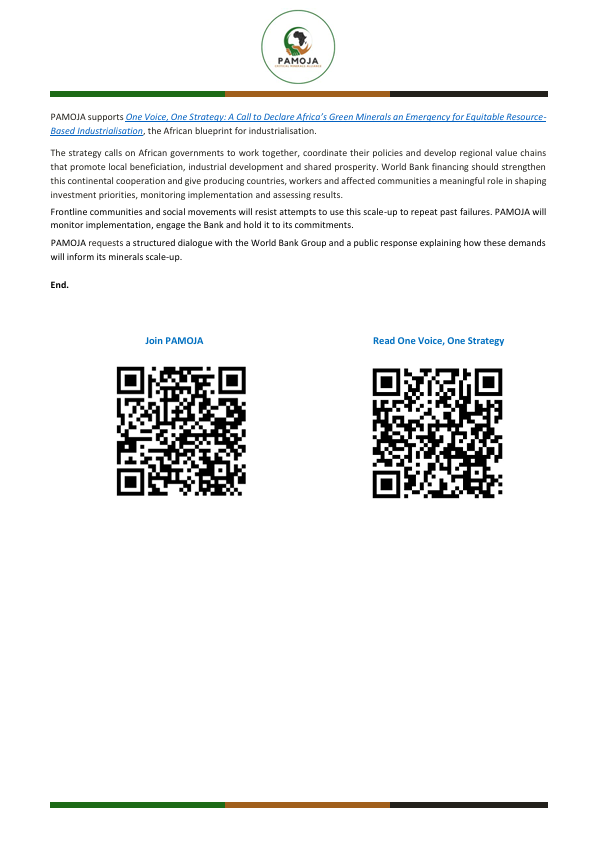
On 13 October 2026, at the @WorldBankGroup-@monetary_imf Annual Meetings in Bangkok, the Pamoja Critical Minerals Alliance (@PamojaCMA) issued a statement calling on the World Bank Group to show how its planned minerals scale-up will deliver African industrialisation and benefits for communities.
At Mining Indaba in February 2026, the Bank said it had financed around US$10 billion in mining-related projects over the past decade and expected to quintuple its support to the sector over the next five years. PAMOJA welcomes the Bank’s stated focus on processing and manufacturing. It asks what exactly will increase five-fold, from which baseline, and which binding, publicly reported commitments will ensure that African countries and communities' benefit.
Read Pamoja's full statement and calls for the World Bank Group
#CriticalMinerals #AnnualMeetings2026 #IMFWBG2026 #WorldBank #AfricanIndustrialisation #DebtJustice #PAMOJA
@ZELO_Infor, @zccinzim, @EJFWZim, @ForumMulher, @CentreEnvRights, @NaturalNetwork, @HakiRasilimali
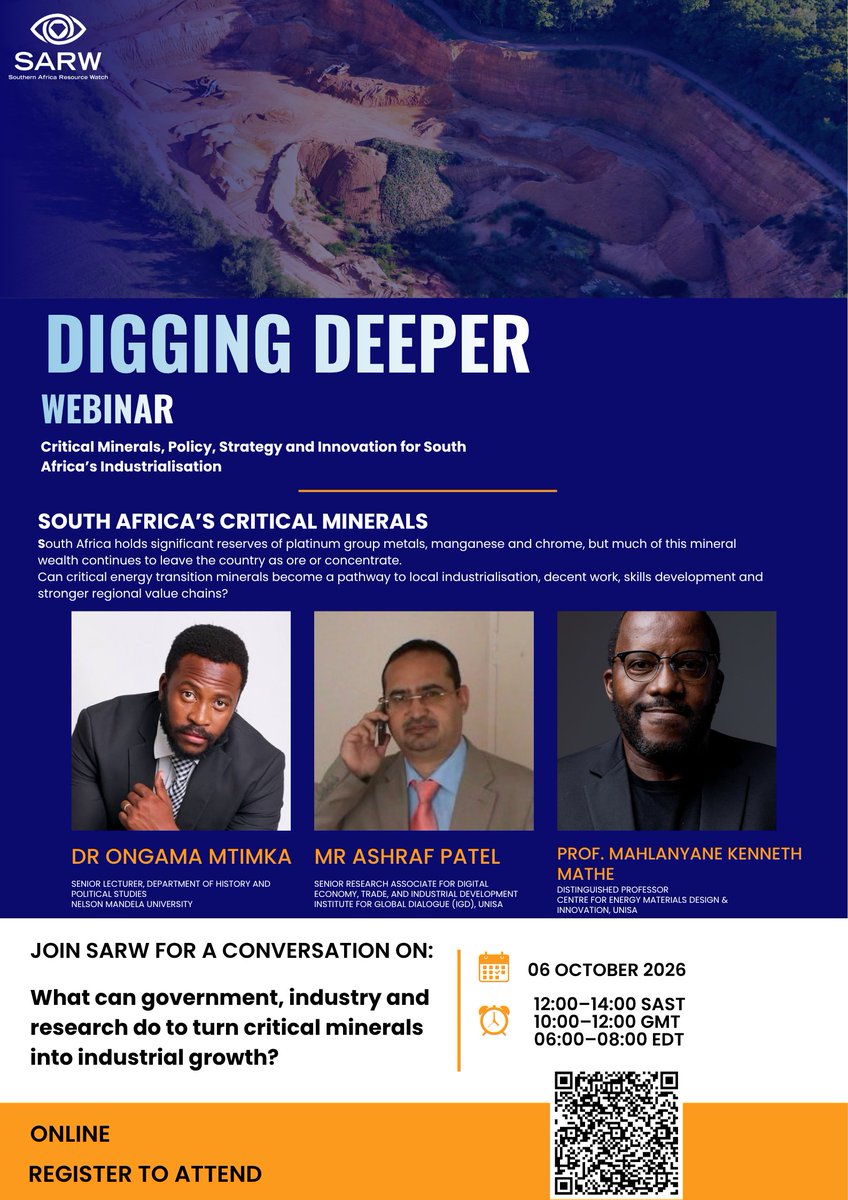
𝗗𝗜𝗚𝗚𝗜𝗡𝗚 𝗗𝗘𝗘𝗣𝗘𝗥 | 𝗖𝗥𝗜𝗧𝗜𝗖𝗔𝗟 𝗠𝗜𝗡𝗘𝗥𝗔𝗟𝗦 & 𝗦𝗢𝗨𝗧𝗛 𝗔𝗙𝗥𝗜𝗖𝗔’𝗦 𝗜𝗡𝗗𝗨𝗦𝗧𝗥𝗜𝗔𝗟𝗜𝗦𝗔𝗧𝗜𝗢𝗡
South Africa has significant reserves of PGMs, manganese and chrome. But much of this wealth still leaves as ore or concentrate.
𝗖𝗮𝗻 𝗦𝗼𝘂𝘁𝗵 𝗔𝗳𝗿𝗶𝗰𝗮 𝘁𝘂𝗿𝗻 𝗶𝘁𝘀 𝗺𝗶𝗻𝗲𝗿𝗮𝗹 𝘄𝗲𝗮𝗹𝘁𝗵 𝗶𝗻𝘁𝗼 𝗹𝗼𝗰𝗮𝗹 𝗶𝗻𝗱𝘂𝘀𝘁𝗿𝗶𝗮𝗹 𝗴𝗿𝗼𝘄𝘁𝗵?
Join SARW on 06 October.
📅 12:00–14:00 SAST
💻 Online
𝗥𝗘𝗚𝗜𝗦𝗧𝗘𝗥 𝗡𝗢𝗪. 👇
https://t.co/khygHE1GVZ
#CriticalMinerals #Industrialisation #SARW
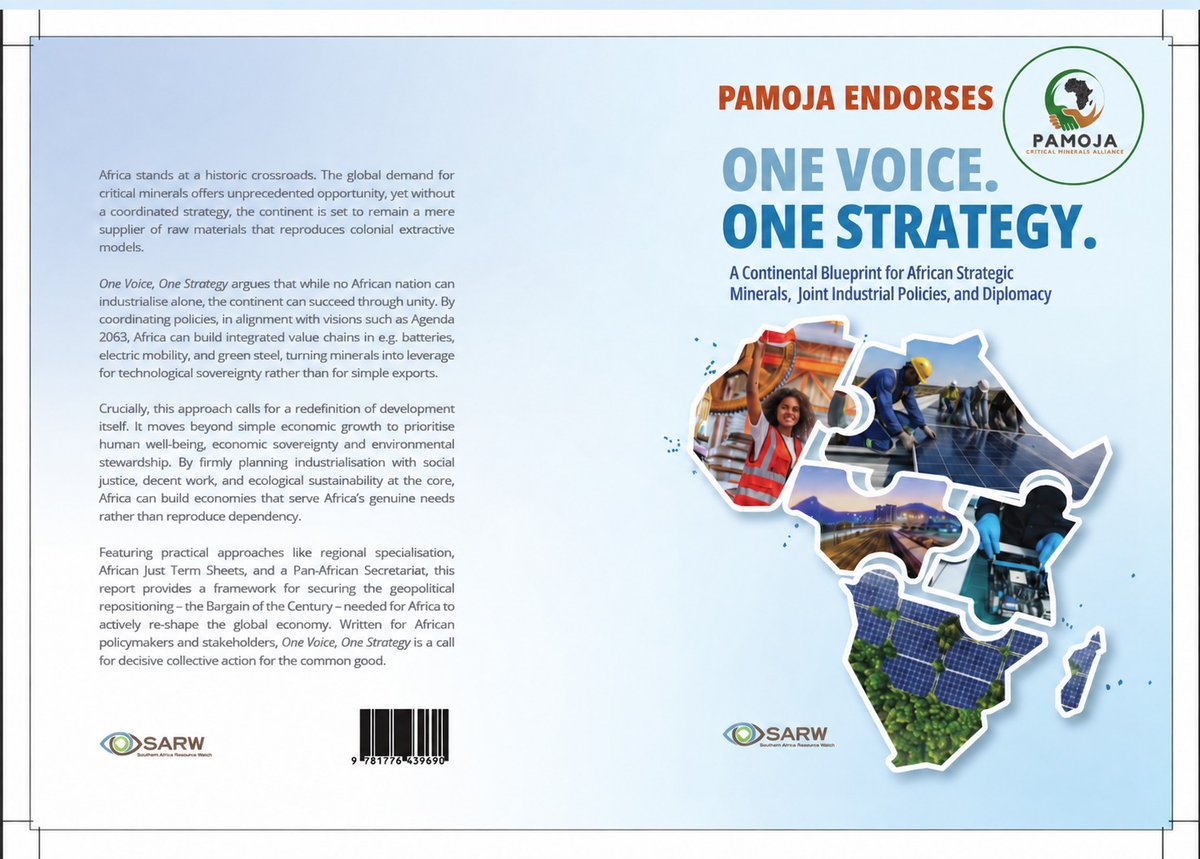
𝗣𝗔𝗠𝗢𝗝𝗔 𝗘𝗡𝗗𝗢𝗥𝗦𝗘𝗦 𝗢𝗡𝗘 𝗩𝗢𝗜𝗖𝗘, 𝗢𝗡𝗘 𝗦𝗧𝗥𝗔𝗧𝗘𝗚𝗬: 𝗔 𝗖𝗢𝗡𝗧𝗜𝗡𝗘𝗡𝗧𝗔𝗟 𝗕𝗟𝗨𝗘𝗣𝗥𝗜𝗡𝗧 𝗙𝗢𝗥 𝗔𝗙𝗥𝗜𝗖𝗔𝗡 𝗦𝗧𝗥𝗔𝗧𝗘𝗚𝗜𝗖 𝗠𝗜𝗡𝗘𝗥𝗔𝗟𝗦, 𝗝𝗢𝗜𝗡𝗧 𝗜𝗡𝗗𝗨𝗦𝗧𝗥𝗜𝗔𝗟 𝗣𝗢𝗟𝗜𝗖𝗜𝗘𝗦, 𝗔𝗡𝗗 𝗗𝗜𝗣𝗟𝗢𝗠𝗔𝗖𝗬
𝗔𝗙𝗥𝗜𝗖𝗔 𝗠𝗨𝗦𝗧 𝗦𝗧𝗢𝗣 𝗕𝗮𝗹𝗹𝗲𝘁 𝗘𝗫𝗣𝗢𝗥𝗧𝗜𝗡𝗚 𝗜𝗧𝗦 𝗠𝗜𝗡𝗘𝗥𝗔𝗟𝗦, 𝗝𝗢𝗕𝗦 𝗔𝗡𝗗 𝗙𝗨𝗧𝗨𝗥𝗘
The Blueprint calls for African countries to act collectively on strategic minerals to retain more value, build industries, create decent jobs and negotiate with greater strength.
In March 2026, a gathering of civil society, business leaders, former diplomats, development partners, African institutions and community organisations convened in Magaliesberg and called for Africa’s green minerals to be treated as an emergency for equitable industrialisation.
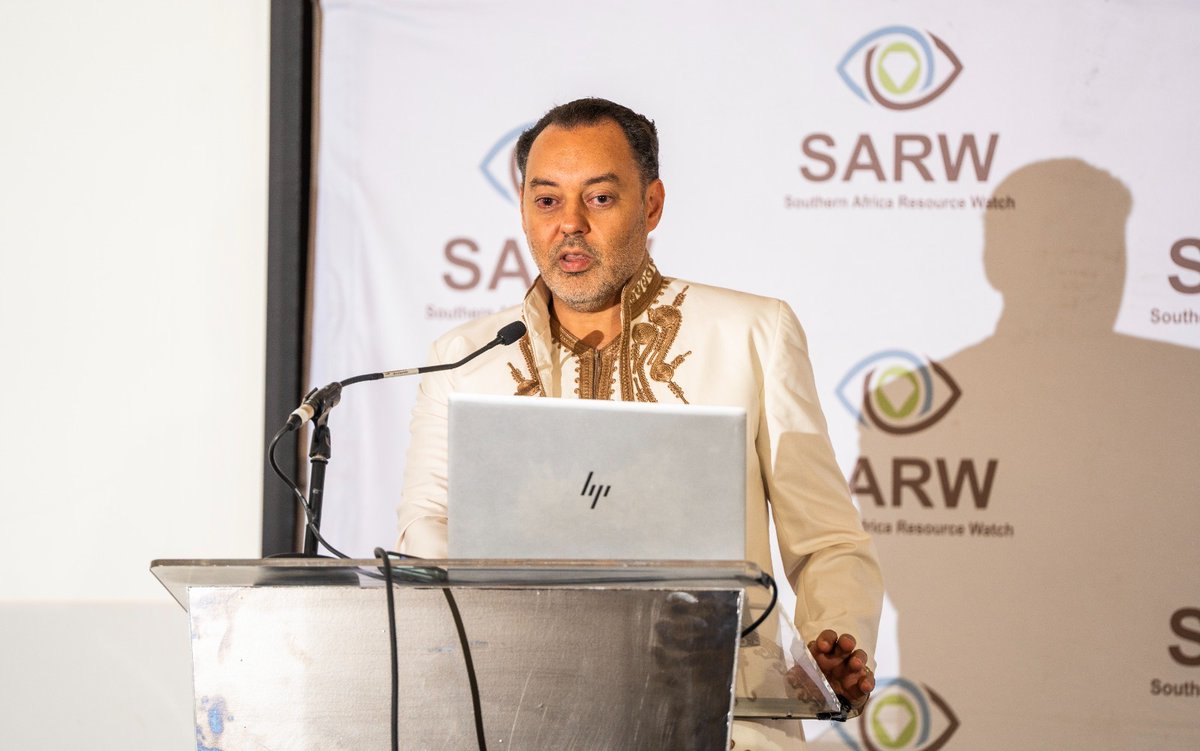
On 9 and 10 September 2026 in Pretoria, South Africa, that call moved forward with the launch of One Voice, One Strategy: A Continental Blueprint for African Strategic Minerals, Joint Industrial Policies, and Diplomacy.
The speakers made the case from different but connected angles.
Dr Claude Kabemba asked:
“Who controls them, who owns them, who transforms them and who benefits from them?”
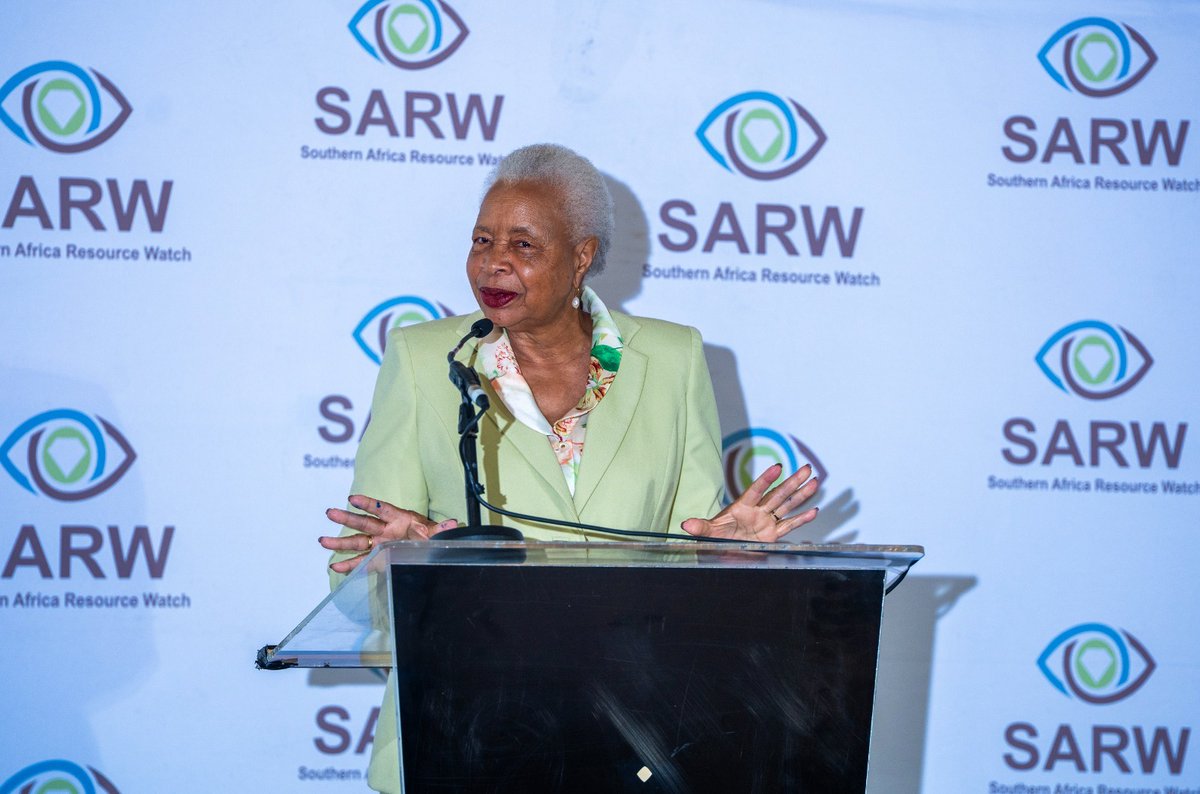
Keynote speaker Graça Machel reminded us:
“One voice, one strategy, yes — but more than this: common action.”
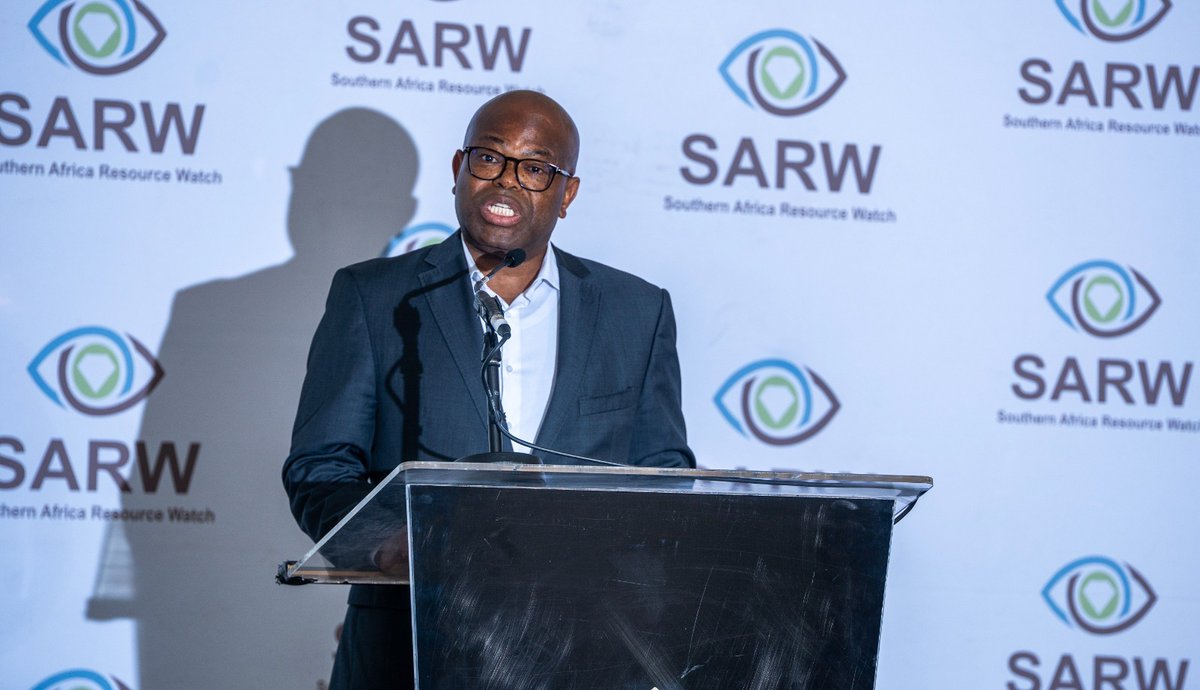
Professor @FadhelKaboub said:
“The question is whether Africa will negotiate as a bloc for once.”
Dr @KeRafitoson, PhD cautioned:
“African ownership doesn’t automatically mean justice.”
@DeproseM put the governance challenge plainly:
“You cannot be a crocodile out there when you are a lizard in your own house.”
Professor @eddymaloka stressed that transformation cannot happen without:
“The role of the state.”
Africa must stop exporting raw minerals and importing the higher-value technologies and products made from them. Our resources should build African industries, create decent jobs and strengthen African technology.
No country can do this alone. Governments must plan together, build regional value chains and negotiate common terms with external partners. One voice internationally must also include workers, women, young people and mining-affected communities at home.
Pamoja endorses One Voice, One Strategy: A Continental Blueprint for African Strategic Minerals, Joint Industrial Policies, and Diplomacy, and joins the call for common action.
Read the document:
https://t.co/23yJ2qZVvT
Watch the launch: https://t.co/c8iM8OS26G
Read the March 2026 call:
https://t.co/otFss0ZlHj
#OneVoiceOneStrategy #Pamoja #AfricanIndustrialisation #StrategicMinerals
From Extraction to Accountability: Community Evidence and Critical Minerals Governance in SADC
Communities across Southern Africa are already documenting mining impacts. The harder question: what happens next?
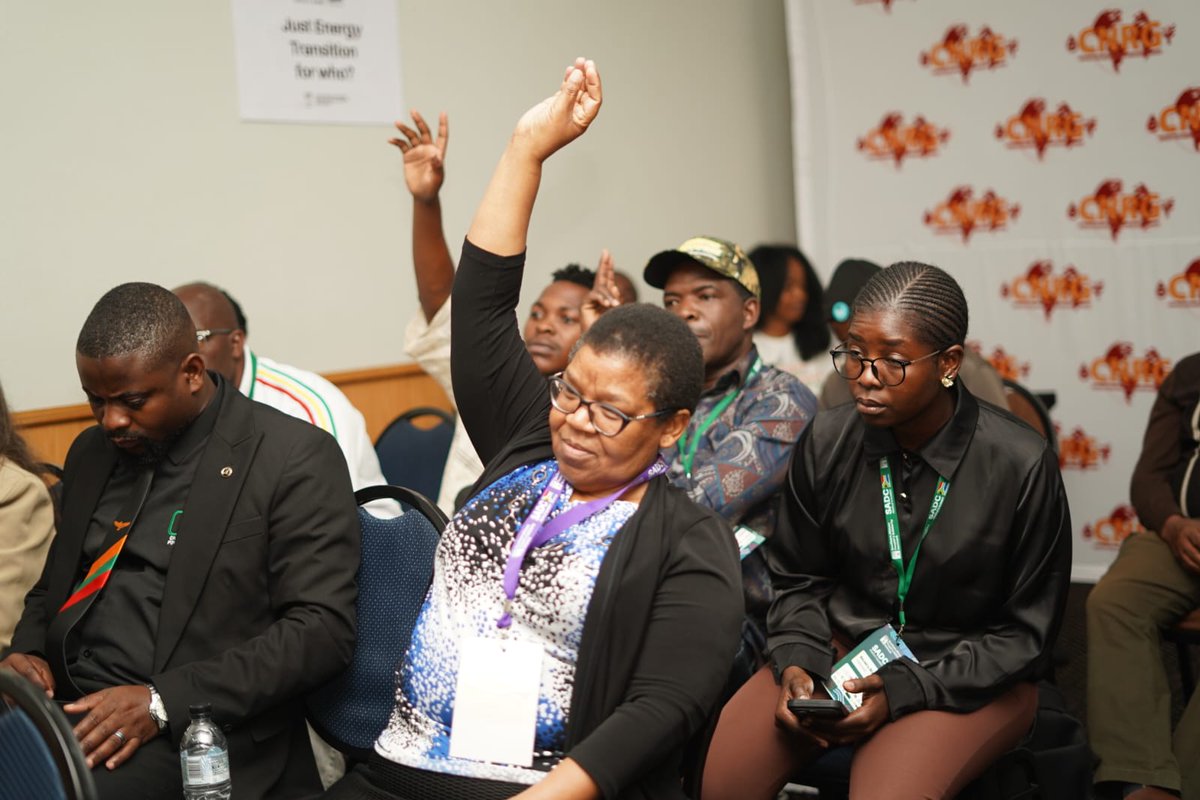
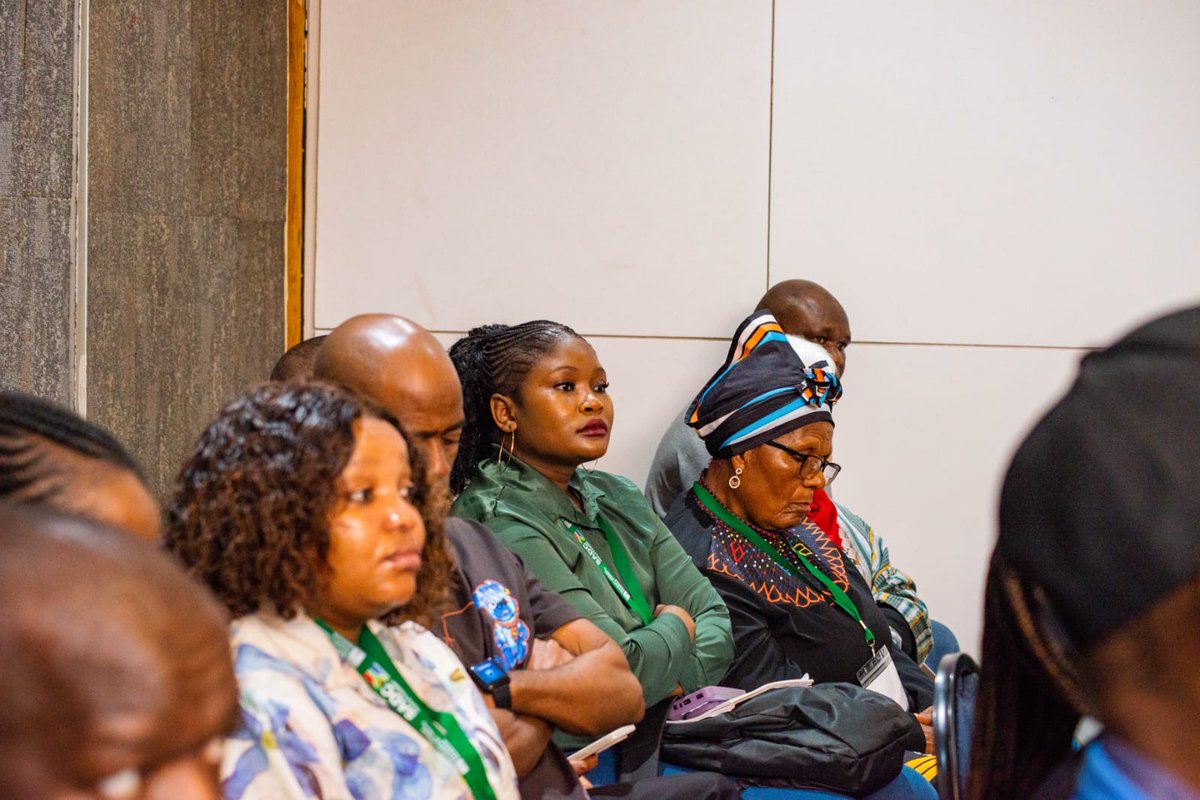
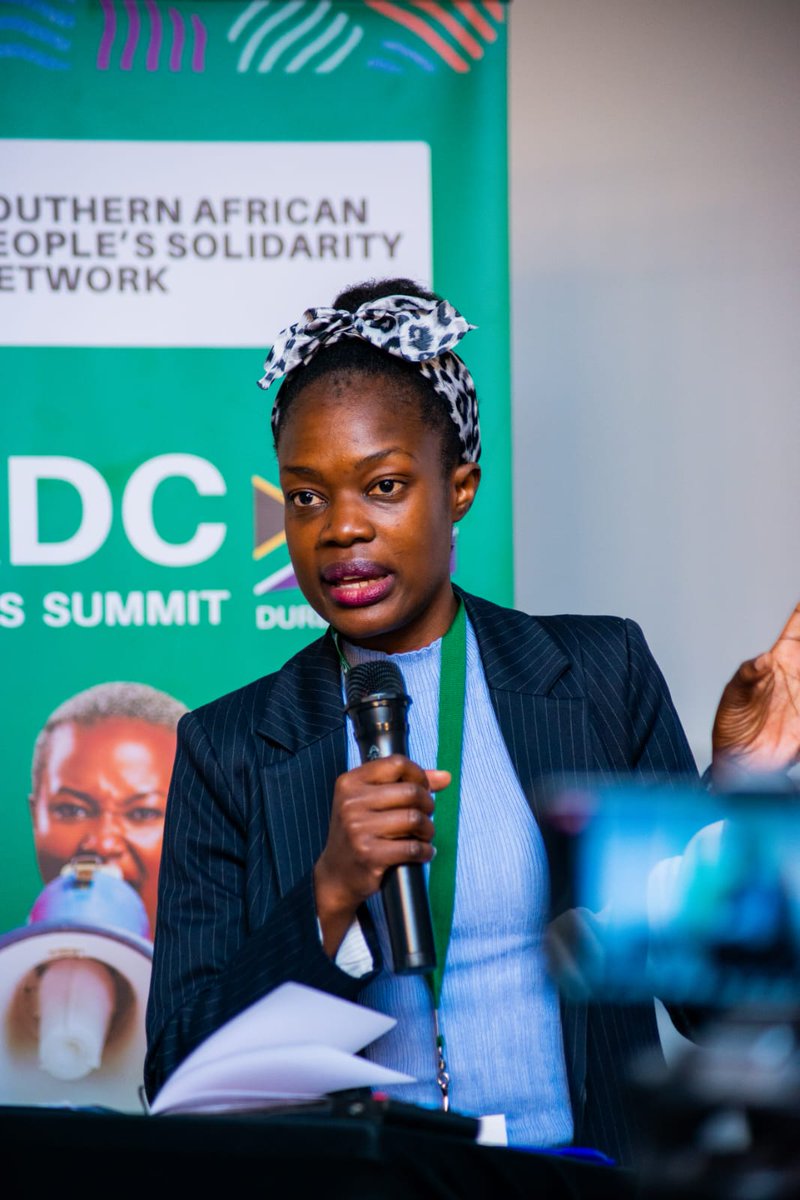
At the 2026 SADC People’s Summit, the Southern Africa Resource Watch (@The_SARWatch) and @CNRG_ZIM convened a session linking community evidence to accountability.
@NyarotaDonald (CNRG) and Adv Monica Mumbi Mbugua (@MMbugua64244) opened by centring community agency: “We do not speak for communities.”
@faraimaguwu, CNRG Executive Director, widened the lens to land, water, gender, civic space and the resource-curse risk within a green-transition narrative: “Let’s get our resources, our experts, our civil society together.”
Adv Mbugua: “The problem is often not that communities have nothing to say. The problem is whether anybody is listening — and whether what communities say can actually lead to accountability.”
SARW’s pathway: report → verify → protect → escalate → mobilise.
Then communities spoke. South Africa’s Rebecca Selomo (AMAP Monitor) described blasting impacts in Mzombana, Mokopane — cracked homes, dust, noise and water. Zimbabwe’s Mountain Mujakachi raised displacement, livelihood pressures and disproportionate impacts on women. Zambia’s Victor Chilufya raised acid drainage and grievance access. DRC evidence from Fungurume and Kassapa showed flooding, displacement and security risks; in Kassapa, Kambala Noe reported that after communities raised pollution concerns, authorities directed CDM to asphalt the Kassapa–Kamatete road — movement, not proof of remedy, but evidence that escalation matters.
Tanaka Admire Ndongera (CNRG) presented the Data Observatory, GBV and paralegal approaches. Adv Mbugua presented SARW’s ecosystem — AMAP, the Atlas and @PamojaCMA — connecting evidence to advocacy. “A dashboard is not accountability.”
The floor asked: How are monitors protected? Who provides legal support? Where do journalists fit? How do we avoid silos?
Five asks fed the SAPSN Declaration:
1. Protect civic space and community voices to organise and participate safely.
2. Protect land, livelihoods and the Right to Say No — FPIC and fair resettlement.
3. Make minerals work for African development — industrialisation, beneficiation and decent jobs.
4. Strengthen transparency and environmental justice — access to contracts, ownership and revenue data; companies bear pollution costs.
5. Build a common African approach and stronger regional bargaining power.
Cathrine Chimanda (CNRG) reinforced carrying community concerns beyond the Summit.
Africa's wealth must support industrialisation, justice and shared prosperity.
SARW and CNRG will continue via a webinar on monitor protection, grievance pathways and legal/media support.
Communities already produce evidence. The real test is whether it changes what institutions do.
#SADCPeoplesSummit #SARW #CNRG #AMAP #PAMOJA #CriticalMinerals #JustTransition
SADC People’s Summit: “What Happens in the DRC Is Already in This Room With Us”
Across the opening solidarity statements at the 2026 SADC People’s Summit in Durban, delegates described struggles that cross borders: extractivism, inequality, displacement, migration, conflict, shrinking civic space and communities carrying the costs of economies from which they benefit too little.
The Democratic Republic of Congo brought those concerns into sharp focus through the experiences of communities living at the heart of one of the world’s most important mineral economies.
Advocate Monica Mumbi Mbugua (@MMbugua64244), PAMOJA Programme Coordinator, ESG & Corporate Accountability Lead, and Research and Policy Officer at Southern Africa Resource Watch (@The_SARWatch) introduced a recorded solidarity message prepared by colleagues and communities in the DRC.
Communities spoke of poverty and unemployment despite immense mineral wealth; inadequate infrastructure and services; displacement; threatened rivers and soils; exclusion from decisions; and the need for a fair share of the benefits generated from their resources.
Their call was unequivocal:
“There can be no Just Energy Transition without justice for communities.”
Adv Mbugua connected those experiences to everyone in the room:
“What happens in the DRC is already in this room with us.”
The minerals extracted there travel far beyond mining communities — into the phones, laptops, batteries and technologies increasingly powering the global energy transition.
But the DRC contribution was not only testimony about harm. It also showed what community voice and sustained advocacy can achieve.
In an update from Kassapa, Lubumbashi, community monitor Kambala Noe reported that after pollution affecting Kassapa was raised with provincial and national authorities, CDM was directed to asphalt the road connecting Kassapa and Kamatete, with works underway.
Technology can also strengthen solidarity rather than replace it.
Through the Africa Mining Accountability Platform (AMAP), communities can document what they are experiencing. The African Critical Minerals Atlas (ACMA) connects local realities to the wider geography of extraction. The Pamoja Critical Minerals Alliance (@PamojaCMA) can help carry community evidence and advocacy across borders.
The people, however, remain the point.
By the end of the Summit, that principle was reflected in the wider call for stronger community participation, protection of workers and communities, fairer sharing of mineral revenues, and a rejection of a green transition that changes the minerals being extracted without changing who controls resources, bears the costs and receives the benefits.
Technology can help voices travel. Regional solidarity must help those voices carry power.
#SADCPeoplesSummit #DRC #SARW #CriticalMinerals #JustTransition #CommunityRights #RegionalSolidarity #AMAP #ACMA #PAMOJA
At the #SADCPeoplesSummit , SARW Programmes Manager Dr Kabaso Kabwe delivered the State of the SADC Region Address from a resource governance perspective.
Her challenge was clear:
The energy transition may change the strategic value of Africa’s minerals. It does not automatically change who sets the terms.
Who controls finance, processing and infrastructure?
Who captures the value?
Who carries the risk?
SARW’s response is also practical:
Africa Mining Accountability Platform (AMAP) — community evidence, accountability and remedy: https://t.co/Inm24UTHv1
African Critical Minerals Atlas (ACMA) — mapping the wider geography of extraction, corridors, infrastructure and value capture:
https://t.co/LQNG27EYbx
PAMOJA Critical Minerals Alliance — regional community and civil-society mobilisation for collective action.
https://t.co/qAJiAC33GU
The goal is economic sovereignty, beneficiation, stronger regional value chains and citizen power.
The test is whether Southern Africans are better off because those minerals were extracted.
#SARW #CriticalMinerals #JustTransition #AMAP #ACMA #PAMOJA
#ItIsInYourHands
“One hand may not change the world. Thousands might.”
Today, voices from mining-affected communities across Africa speak through a single gesture.
🖐🏿 Critical minerals must power people—not just economies. Many hands. One movement. #PAMOJA#MandelaDay2026
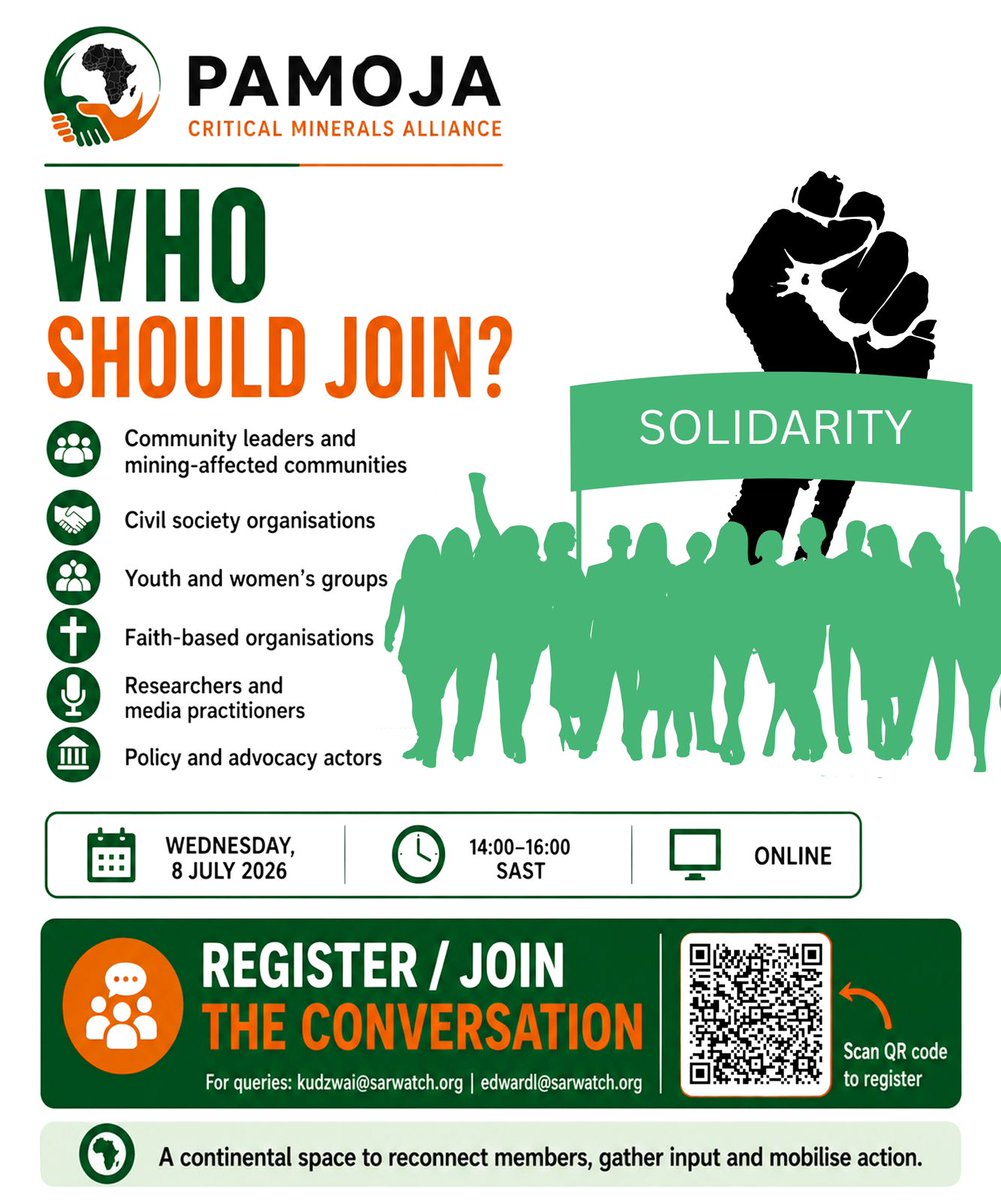
On 8 July 2026, the Pamoja Critical Minerals Alliance (PCMA) will convene the Pamoja Continental Webinar, bringing together members and other stakeholders from across Africa to advance the implementation of the Pamoja Declaration, adopted at the Alliance’s launch in Harare in February 2026. The webinar marks the next step in transforming a shared continental vision into coordinated action for equitable, people-centred governance of Africa’s critical minerals and energy transition.
The Pamoja Continental Webinar will bring together Pamoja members from its Malawi, Zimbabwe, Nigeria, South Africa, Tanzania, DRC, Mozambique, Ghana and Zambian chapters, Steering Committee members representing Labor, Youth, Women across Africa, Indigenous Peoples, Persons with Disabilities, and Faith-Based Institutions as our demands laid out in the Pamoja Declaration are moved from pledge to action.
Register by scanning the QR Code or following the link attached here: https://t.co/cE4HWmsrHM
We welcome all to join the webinar tomorrow as the Pamoja Continental Movement strives for mineral and energy justice throughout Africa and for its people.
“We declare that Africa must benefit from its minerals for the benefit of its peoples.” – Pamoja Critical Minerals Alliance Declaration.
Read the Pamoja Declaration here: https://t.co/urhZURldHa
Together, We Stand United: Pamoja!
@PamojaCMA, @CNRG_ZIM, @ActionAidZim, @zccinzim, @RuralYoungWomen, @CANZIM11, @greengovzw1
#Mobilisation #Justice #EnergyJustice #Solidarity #CriticalMinerals #GreenTransition #Pamoja #JustTransition #SustainableMining #EnvironmentalJustice #Youth #YouthLeadership #WomenInMining
As the #NorthernCape emerges as one of the world's most strategic sources of critical battery and steel minerals — particularly manganese, where South Africa holds over 80% of the world's known manganese resources — the need for transparency, accountability, and community participation in mining governance has never been greater.
"If these minerals are so critical, why don't we have a proper, functional hospital?", said Matlhogonolo Mochware, community activist, Kuruman.
From 15–19 June, Pamoja South Africa — led by the @The_SARWatch (SARW) in partnership with @IFNASA_1 (Indigenous First Nation Advocacy South Africa) — visited communities across the John Taolo Gaetsewe District impacted by the extraction of manganese and iron ore.
The team engaged directly with community leaders, traditional authorities, civil society representatives, and residents living alongside some of the world's largest manganese operations — gathering first-hand evidence on consultation, benefit-sharing, employment, health, and environmental impacts to inform @PamojaCMA's ongoing research and advocacy.
Despite the obstacles, Matlhogonolo's commitment to her community hasn't wavered: "I still feel that I can bring change to my community. Together our voices can be heard and count for justice."
The engagement reflects IFNASA's guiding principle that Indigenous People and local communities must equitably benefit from their natural resources and the energy transition. This aligns with Pamoja's broader commitment to ensuring that communities living closest to Africa's critical mineral wealth are not left behind in the global race for the energy transition.
Pamoja South Africa is part of a continental campaign seeking to mobilise grassroots voices and engage all spheres of African governments and mining companies to promote green minerals-led industrialisation and diversification, regional cooperation, good governance, transparency and community rights.
Read the Pamoja Critical Minerals Alliance Declaration here: https://t.co/6EJjeKw89R
#NorthernCape #Manganese #CriticalMinerals #PamojaCMSA #PamojaCMA #JustEnergyTransition #JohnTaoloGaetsewe #MiningAccountability #IFNASA #SARW
Today, the Mozambican State will hold discussions regarding its proposed revision of Mining Law which may radically benefit the country's ownership and sovereignty over its minerals.
The Pamoja Critical Minerals Alliance (@PamojaCMA) endorses this move, seeing the benefit such an effort can achieve for not only Mozambique, but the countries who take note of this action.
Read the PCMA's full statement of support to the Mozambican State below.
Together, We Stand United: Pamoja!
Read the Pamoja Critical Minerals Alliance Declaration in English, French, or Portuguese on SARW's website: https://t.co/kQC2qtyKTS
#AfricanSovereignty #MiningReform #Pamoja #AGMS #AMV
Mining wealth rarely stays where it is extracted. Development cannot be measured in exports alone. Communities face displacement, pollution, and lost livelihoods while profits leave the country.
The Pamoja Critical Minerals Alliance (@PamojaCMA) has committed to raising awareness on the these consequences of extractivism, and giving a platform to the very community whose rights to land, safety, and a green future must be upheld at every turn.
Read more on this https://t.co/JQM1LutrrY
#MiningJustice #ResourceGovernance #CommunityRights
Mining wealth rarely stays where it is extracted. Development cannot be measured in exports alone. Communities face displacement, pollution, and lost livelihoods while profits leave the country. The resources that Africa exports from its own ground rarely go to use in advancing Africa through its own Energy Transition.
The Pamoja Critical Minerals Alliance (@PamojaCMA) has committed to raising awareness on the these consequences of extractivism, and give a platform to the very community whose rights to electrification and a green future must be upheld at every turn.
Read the Pamoja Critical Mineral's Alliance Declaration here: https://t.co/ivQVML9LUT
#MythVSFact #Pamoja #PCMA #EnergyTransition #GreenTransition #MiningJustice #ResourceGovernance #CommunityRights
From extraction to transformation: 𝐑𝐞𝐟𝐫𝐚𝐦𝐢𝐧𝐠 𝐒𝐨𝐮𝐭𝐡 𝐀𝐟𝐫𝐢𝐜𝐚’𝐬 𝐜𝐫𝐢𝐭𝐢𝐜𝐚𝐥 𝐦𝐢𝐧𝐞𝐫𝐚𝐥𝐬 𝐟𝐮𝐭𝐮𝐫𝐞.
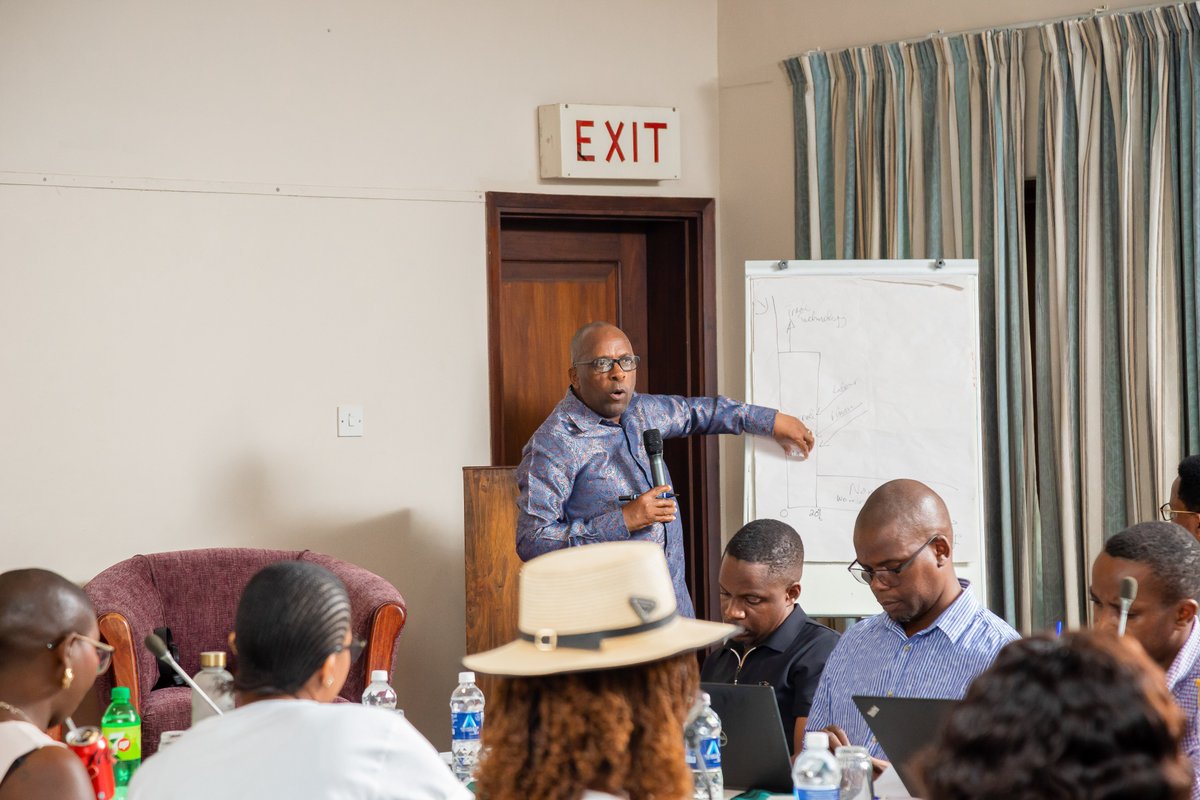
On 16 February 2026, the Southern Africa Resource Watch (SARW) convened the @PamojaCMA (Pamoja Critical Minerals Alliance) – South Africa Chapter Strategic Planning Workshop in Johannesburg.
At its core, the meeting was about one urgent question:
How do we ensure that critical minerals drive justice, not just extraction?
Bringing together civil society, community leaders, researchers, and industry actors, the workshop set out to shape a shared agenda for a just, inclusive, and industrialisation-driven CETM pathway.
What emerged was clear:
Communities are still too often placed at the margins of decisions that directly affect their land, livelihoods, and futures. Participants emphasised that 𝐜𝐨𝐦𝐦𝐮𝐧𝐢𝐭𝐲 𝐯𝐨𝐢𝐜𝐞 𝐦𝐮𝐬𝐭 𝐦𝐨𝐯𝐞 𝐛𝐞𝐲𝐨𝐧𝐝 𝐜𝐨𝐧𝐬𝐮𝐥𝐭𝐚𝐭𝐢𝐨𝐧 𝐭𝐨 𝐫𝐞𝐚𝐥 𝐩𝐨𝐰𝐞𝐫 𝐨𝐰𝐧𝐞𝐫𝐬𝐡𝐢𝐩, 𝐝𝐞𝐜𝐢𝐬𝐢𝐨𝐧-𝐦𝐚𝐤𝐢𝐧𝐠, 𝐚𝐧𝐝 𝐦𝐞𝐚𝐧𝐢𝐧𝐠𝐟𝐮𝐥 𝐛𝐞𝐧𝐞𝐟𝐢𝐭-𝐬𝐡𝐚𝐫𝐢𝐧𝐠.
There was also strong consensus that South Africa’s current approach remains fragmented. Justice, social, environmental, and economic is not yet fully embedded in critical minerals strategies, and weak coordination continues to slow progress.
At the same time, the conversation pushed beyond critique. There was a clear call for South Africa and the continent to position itself more strategically within global value chains, 𝐬𝐡𝐢𝐟𝐭𝐢𝐧𝐠 𝐟𝐫𝐨𝐦 𝐫𝐚𝐰 𝐦𝐚𝐭𝐞𝐫𝐢𝐚𝐥 𝐞𝐱𝐩𝐨𝐫𝐭𝐞𝐫𝐬 𝐭𝐨 𝐝𝐫𝐢𝐯𝐞𝐫𝐬 𝐨𝐟 𝐛𝐞𝐧𝐞𝐟𝐢𝐜𝐢𝐚𝐭𝐢𝐨𝐧, 𝐦𝐚𝐧𝐮𝐟𝐚𝐜𝐭𝐮𝐫𝐢𝐧𝐠, 𝐚𝐧𝐝 𝐢𝐧𝐝𝐮𝐬𝐭𝐫𝐢𝐚𝐥 𝐝𝐞𝐯𝐞𝐥𝐨𝐩𝐦𝐞𝐧𝐭. 𝐓𝐡𝐢𝐬 𝐢𝐬 𝐰𝐡𝐞𝐫𝐞 𝐭𝐡𝐞 𝐏𝐚𝐦𝐨𝐣𝐚 𝐂𝐫𝐢𝐭𝐢𝐜𝐚𝐥 𝐌𝐢𝐧𝐞𝐫𝐚𝐥𝐬 𝐀𝐥𝐥𝐢𝐚𝐧𝐜𝐞 𝐜𝐨𝐦𝐞𝐬 𝐢𝐧.
The workshop marked an important step in building 𝐚 𝐜𝐨𝐥𝐥𝐞𝐜𝐭𝐢𝐯𝐞 𝐩𝐥𝐚𝐭𝐟𝐨𝐫𝐦 𝐭𝐡𝐚𝐭 𝐜𝐨𝐧𝐧𝐞𝐜𝐭𝐬 𝐜𝐨𝐦𝐦𝐮𝐧𝐢𝐭𝐢𝐞𝐬, 𝐜𝐢𝐯𝐢𝐥 𝐬𝐨𝐜𝐢𝐞𝐭𝐲, 𝐚𝐧𝐝 𝐩𝐨𝐥𝐢𝐜𝐲 𝐚𝐜𝐭𝐨𝐫𝐬 𝐧𝐨𝐭 𝐨𝐧𝐥𝐲 𝐭𝐨 𝐫𝐞𝐬𝐩𝐨𝐧𝐝 𝐭𝐨 𝐞𝐱𝐭𝐫𝐚𝐜𝐭𝐢𝐯𝐞 𝐜𝐡𝐚𝐥𝐥𝐞𝐧𝐠𝐞𝐬, 𝐛𝐮𝐭 𝐭𝐨 𝐚𝐜𝐭𝐢𝐯𝐞𝐥𝐲 𝐬𝐡𝐚𝐩𝐞 𝐚𝐥𝐭𝐞𝐫𝐧𝐚𝐭𝐢𝐯𝐞 𝐩𝐚𝐭𝐡𝐰𝐚𝐲𝐬 𝐠𝐫𝐨𝐮𝐧𝐝𝐞𝐝 𝐢𝐧 𝐣𝐮𝐬𝐭𝐢𝐜𝐞 𝐚𝐧𝐝 𝐝𝐞𝐯𝐞𝐥𝐨𝐩𝐦𝐞𝐧𝐭.
🤝 Southern Africa Resource watch would like to thank; a diverse group of organisations and partners who contributed to this dialogue, including:
@Greenpeaceafric, #InstituteforGlobalDialogue, @HSRCza, @WoMin_Africa, @Earthlife_JHB, @CentreEnvRights, @groundWorkSA, @IFNASA_1, @unisa, @MandelaUni, @GGAfrica, @sekhukhuneenvi1, @UWConline (Institute for Social Development), @Southern_Trains
#CriticalMinerals #Governace #Sustainability #Justice #Advocacy #GreenTransition #EnergyTransition
Ndalama Bwalya engaged with the media as the Pamoja Youth spokesperson following the official release of the Pamoja Declaration at the #PamojaAfricaStrategy & #PamojaLaunch. Listen to her response to media questions and the link to read the declaration here
Following the official release of the Pamoja Declaration at the #PamojaAfricaStrategy and #PamojaLaunch, Ndalama Bwalya of the @TheCBUOfficial, Zambia's Student Union, engaged with the media as the Pamoja Youth spokesperson and shared her thoughts on the necessity of the Pamoja movement in this moment, as well as the importance of inclusivity, developmental rights, and empowerment that the movement strives to foster.
Listen to her response to media questions in the video below, an read the official Pamoja Declaration here: https://t.co/xYEWsTUTFt
@climatenewsrom@zccinzim@ActionAidZim@CNRG_ZIM@RuralYoungWomen@CANZIM11@greengovzw1@HakiRasilimali@ZELO_Infor
#Pamoja #Solidarity #JustTransition #SustainableMining #CriticalMinerals #EnvironmentalJustice #Youth #YouthLeadership #AfricanSolidarity
At the #PamojaAfricaStrategy & #PamojaLaunch, young leaders from across the continent reminded us that Gen Z are not only the leaders of tomorrow – they are the leaders of today.
In the youth-led session on “Youth Leadership in the Critical Minerals Era: From Mobilisation to Influence,” participants committed to mobilising in colleges, schools and youth structures through awareness raising and engagement with authorities with a simple message: mining in Africa must generate real wealth, serve the needs of its people and pass on a livable world to future generations.
On the podium were:
• @hunzviSimba, Advocacy in Action, Zimbabwe
• Dalma Mazivila, @AlternactivaMZ, Mozambique
• Patrick Balabala, League for Transparency in the Extractive Sector, DRC
• Ndalama Bwalya, Students Union, @cbu_zambia, Zambia
The young leaders highlighted a major contradiction that must be addressed immediately: highly educated youth remain excluded from mining and critical mineral value chains, from jobs and ownership of wealth. Fields such as engineering, chemistry and geology need skilled young Africans who can bring innovation, homegrown research and new economic energy into the mining sector and associated renewable energy value chains.
They also emphasised the social power of youth, whose voices have shaped political and social movements across Africa—from Kenya to Uganda, Nigeria and Mozambique. Harnessing this energy is essential to building a Just Transition and sustainable mining future for the continent.
As Dalma Mazivila from Alternacitiva, Mozambique, said:
“Youth need to take a seat at the decision-making table. To do that, we must engage with climate change and critical minerals, because this is the new reality Africa is facing. By protecting our resources and our people, we can make a real difference in our communities and future generations.”
The youth voice has pronounced itself.
As noted by Ndalama Bwalya of the Copperbelt University, Zambia's Student Union: Africa’s critical minerals era must include youth leadership, youth employment and youth voices in decision-making. Ndalama is also committed to popularising the Pamoja Declaration and mobilising tech-savvy youth across the continent through social media and digital platforms, including X, Facebook, YouTube, TikTok and AMAP.
@climatenewsrom@zccinzim@ActionAidZim@CNRG_ZIM@RuralYoungWomen@CANZIM11@greengovzw1@HakiRasilimali@ZELO_Infor
#Pamoja #Solidarity #JustTransition #SustainableMining #CriticalMinerals #EnvironmentalJustice #Youth #YouthLeadership #AfricanSolidarity
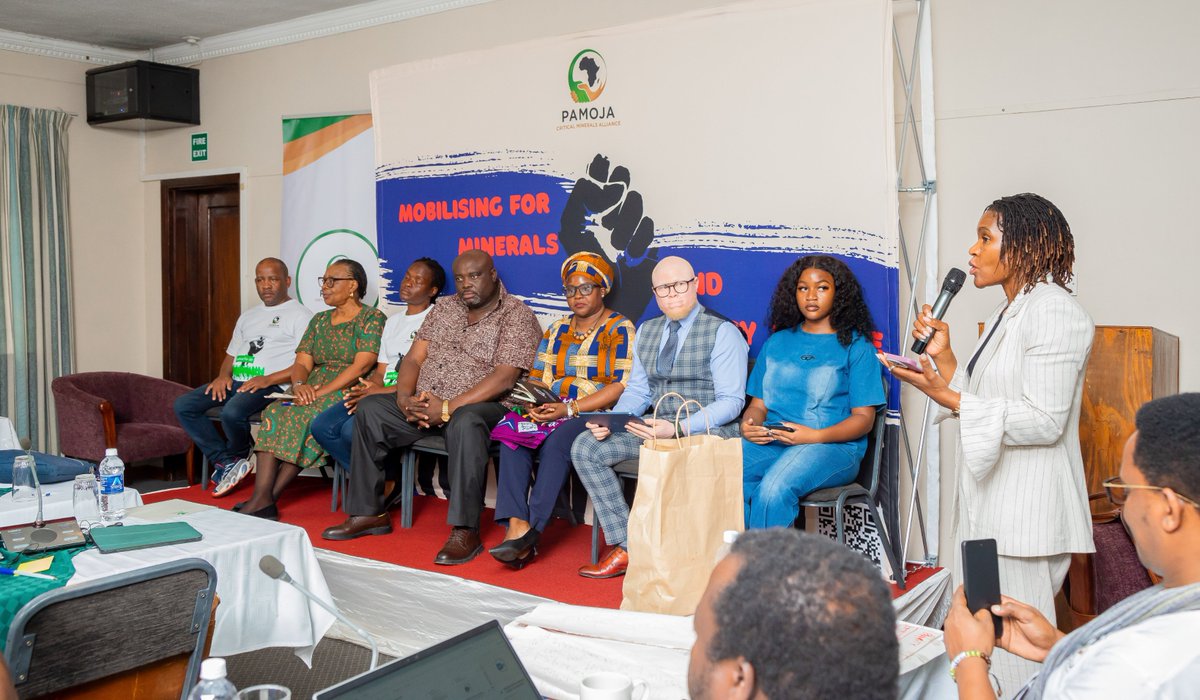
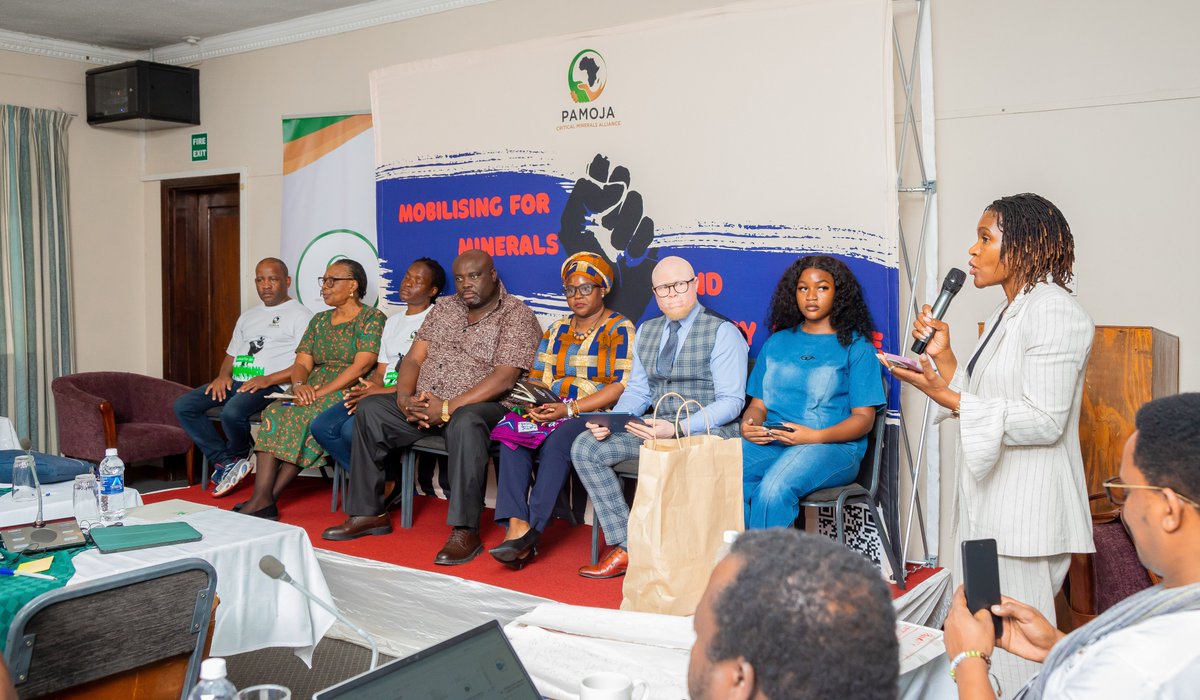
At the #PamojaAfricaStrategy and #PamojaLaunch, participants called for stronger solidarity with Indigenous peoples and frontline communities affected by mining. As one participant noted, “If Africa does not define a Just Transition for itself, it will continue to be defined for us.”
Faith leaders emphasised the need to amplify community voices, while advocates highlighted the systemic exploitation of Indigenous lands and called for fair compensation and stronger protection of community rights.
Discussions also stressed inclusion—ensuring women, youth, and persons with disabilities are represented in decision-making and benefit-sharing in the mining sector.
The Pamoja CMA Declaration reaffirmed key priorities: end forced displacement, protect ancestral lands and livelihoods, ensure transparent and equitable benefit-sharing, and place frontline communities at the centre of Africa’s Just Transition.
Pictured:
• Nzira De Deus, Executive Director of Forum Mulher
• Anthony Williams, Indigenous First Nation Advocacy South Africa
• Alan Herbert Onyango, Kenyan Disability Rights Advocate
• Reverend Suzzane Matale, Africa Methodist Church
• Reverend Wilfred Dimingu,@zccinzim
#Pamoja #Solidarity #JustTransition #CriticalMinerals #EnvironmentalJustice #Collaboration #WomenVoices #FaithBased #AfricaMining
See Dr. Godfrey Kanyenze's key takeaways from his keynote during the #PamojaAfricaStrategy & #PamojaLaunch session on “Social Movements and People’s Power: Connecting the Struggles and Amplifying Voices for Justice in Mining and Energy Systems.”
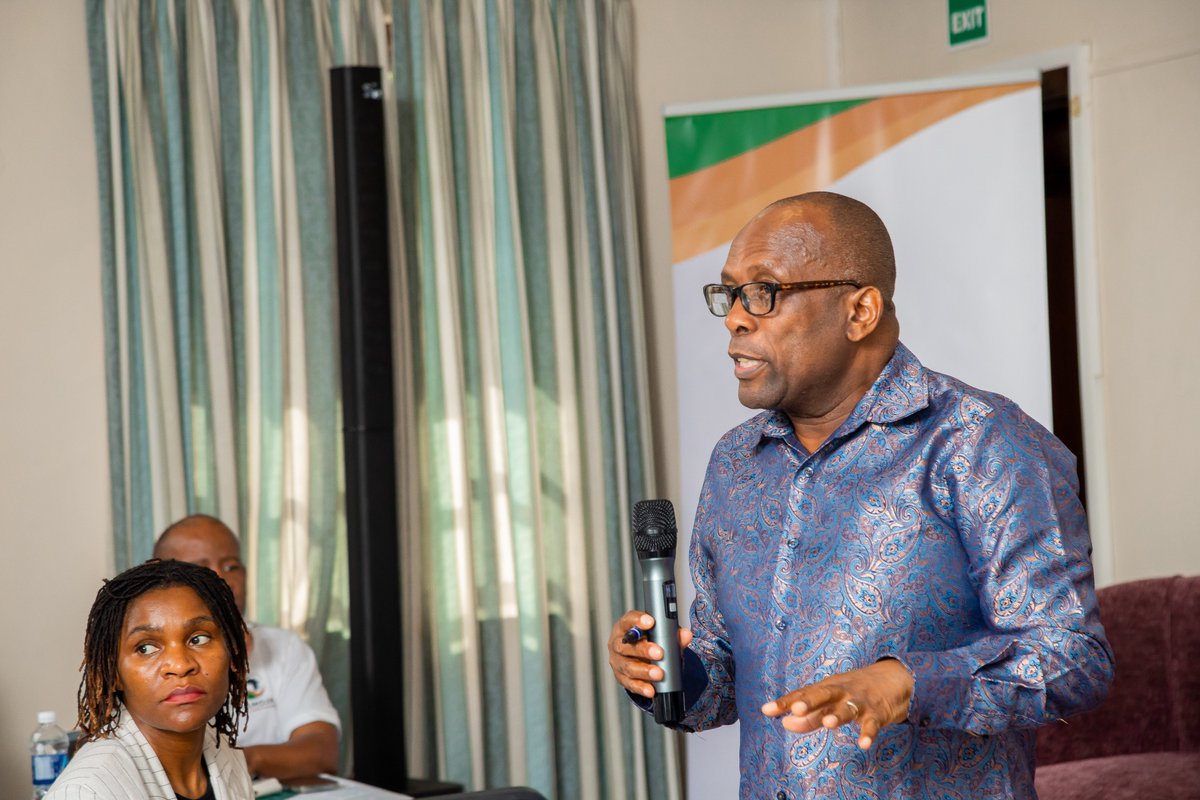
Dr Godfrey Kanyenze, Executive Director of the Labour and Economic Development Research Institute of Zimbabwe (LEDRIZ), delivered a keynote at the #PamojaAfricaStrategy & #PamojaLaunch session on “Social Movements and People’s Power: Connecting the Struggles and Amplifying Voices for Justice in Mining and Energy Systems.”
Drawing on his work on “dual enclavism,” Dr Kanyenze stressed that Africa’s underdevelopment stems from structural distortions rooted in colonial extraction and neoliberal globalisation. He argued that strong, united social movements — bringing together labour, faith groups, youth, women, and persons with disabilities — are essential to push governments toward beneficiation of minerals and other natural resources as a pathway to equitable industrialisation and inclusive development.
His message was clear: transforming this reality requires organised people’s power.
He called for movement unity, evidence-based advocacy, and Africa-first mineral strategies that prioritise beneficiation, decent work, regional value chains, and community-centred development.
As the race for critical minerals accelerates, the question remains: Will the energy transition reproduce enclave economies under a green label, or can people’s movements reshape it to advance equitable resource-based industrialisation?
The Pamoja Declaration captured this call, committing to mobilisation grounded in Pan-African thinking, equitable resource-based industrialisation, and transformative social change for the dignity of African people.
To read more on Dr. Kanyenze's keynote speech, follow the link to Spiked Media's article: https://t.co/h3gVIbmBp2
#Pamoja #CriticalMinerals #JustTransition #AfricanMiningVision #PeoplePower #PanAfricanism
A Aliança Pamoja para Minerais Críticos torna pública a sua Declaração sobre Minerais Críticos, Industrialização e Salvaguardas de Sustentabilidade
Na quinta-feira, 26 de fevereiro, a Pamoja Africa anunciou a adoção da Declaração da Aliança Pamoja para Minerais Críticos durante os eventos #PamojaAfricaStrategy e #PamojaLaunch.
Lida por Alan Herbert, defensor dos direitos das pessoas com deficiência no Quénia, a Declaração apresentou uma forte posição política em defesa da justiça mineral e energética.
A Pamoja comprometeu-se a mobilizar a voz de todos os cidadãos em toda a África — incluindo povos indígenas, líderes sindicais, organizações baseadas na fé, jovens, mulheres, pessoas com deficiência e organizações comunitárias. A Declaração dá especial ênfase ao apoio a grupos de base e organizações que representam ou acompanham comunidades específicas detentoras de direitos, e que frequentemente enfrentam barreiras para serem ouvidas.
Compromete-se também a reforçar a capacidade de intervenção das vozes africanas — especialmente das comunidades marginalizadas — na definição dos futuros dos setores mineral e energético, num contexto marcado pela corrida global aos minerais críticos de África, essenciais para impulsionar a ação climática, os equipamentos de defesa e segurança, as infraestruturas de inteligência artificial, os semicondutores e a indústria eletrónica.
A mensagem foi clara: sozinhos, só podemos ir até certo ponto — mas juntos, somos imparáveis.
Juntos, Permanecemos Unidos: Pamoja!
Para mais informações, leia a Declaração completa no nosso website: https://t.co/ivQVML9LUT
#Pamoja #Solidariedade #TransiçãoJusta #MineraisCríticos #JustiçaAmbiental