🚨 India is planning to build its own Samsung, Vivo, or Xiaomi.
• India could see its first strong indigenous smartphone brand by mid-2027.
• The government has launched a ₹62,500 crore scheme to support Indian smartphone brands.
• The scheme will support Indian brands, product design, R&D, and local sourcing.
• Indian brands must have more than 51% Indian ownership to qualify.
• India already makes 99.2% of the mobile phones sold in the country.
• Indian brands once had around 35% market share in 2015 but now have less than 1%.
• Lava is expected to be one of the biggest beneficiaries of the new scheme.
• The government aims to create ₹39 lakh crore worth of mobile phone production and 60,000 direct jobs in five years.
• The bigger goal is to make India a country that not only manufactures smartphones but also creates a global smartphone brand.
Road Built by Prestige!!
This is what world class we need. ORR deserves the same respect as CBD.
Instead of Whitetopping , give up the responsibility of ORR to Private builders. They will create the best infra what Tech area deserves.
@krishnabgowda@lkatheeq@KBGBlrDevUpdate
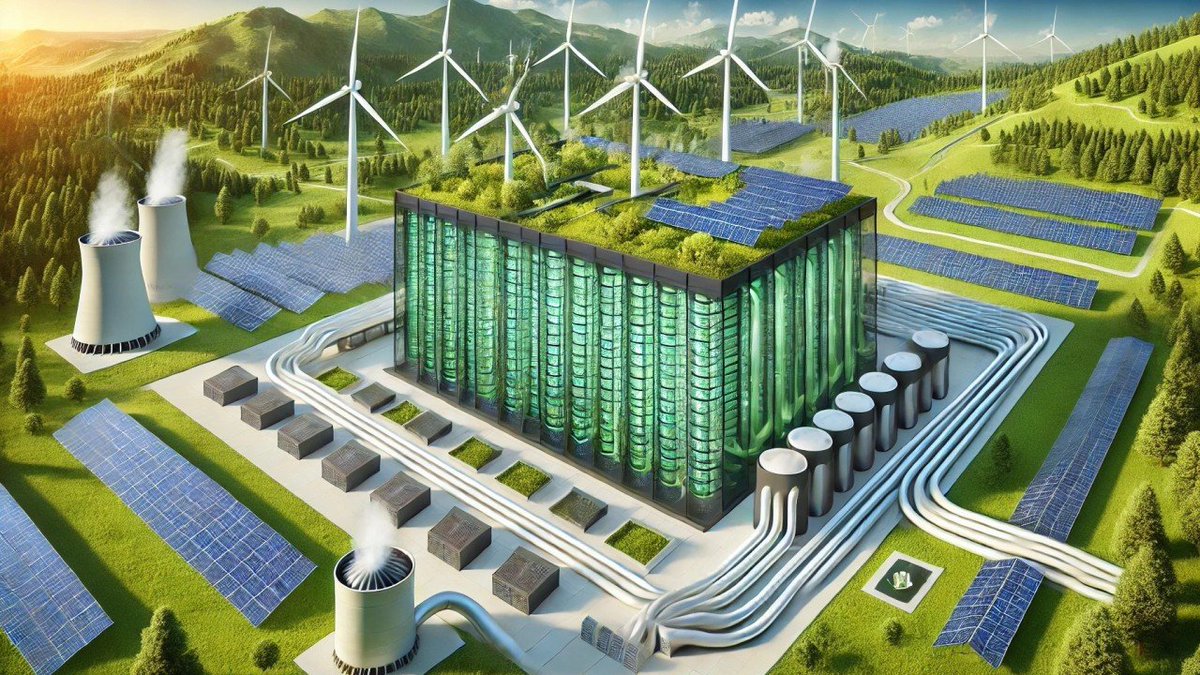
🚨 AP govt approves a ₹31,387 crore Green AI Data Centre in Visakhapatnam.
🔹AM AI Factory will establish a 512 MW facility at Amanam, Bheemunipatnam
🔹Expected to create 1,000 jobs
🔹Facility to be developed under AP’s Data Centre Policy 2024–29
#AndhraPradesh #Infrastructure #Vizag
in last 10 year over 20 cities have developed lakefront/riverfronts/sea fronts, mostly in BJP ruled states.
it shows growing demand and priority for public spaces being given
𝐈𝐧𝐝𝐢𝐚, 𝐮𝐧𝐝𝐞𝐫 𝐂𝐨𝐧𝐠𝐫𝐞𝐬𝐬, 𝐦𝐢𝐬𝐬𝐞𝐝 𝐭𝐡𝐞 𝐬𝐞𝐦𝐢𝐜𝐨𝐧𝐝𝐮𝐜𝐭𝐨𝐫 𝐫𝐚𝐜𝐞 𝐨𝐧𝐜𝐞. 𝐍𝐨𝐰, 𝐮𝐧𝐝𝐞𝐫 𝐏𝐌 𝐌𝐨𝐝𝐢, 𝐢𝐭 𝐢𝐬 𝐛𝐮𝐢𝐥𝐝𝐢𝐧𝐠 𝐭𝐡𝐞 𝐜𝐡𝐢𝐩 𝐧𝐚𝐭𝐢𝐨𝐧 𝐨𝐟 𝐭𝐨𝐦𝐨𝐫𝐫𝐨𝐰.
For decades, India had the talent but lacked the ecosystem and policy push to manufacture semiconductors at scale. Then the game changed. ⬇️
• 2007–13: Semiconductor plans stalled amid delays, red tape and failed proposals under the UPA.
• 2021: India Semiconductor Mission launched with a ₹76,000 crore commitment.
• 2025–26: Micron’s Gujarat facility began production, marking a major milestone for chip manufacturing in India.
• ₹1.66 lakh crore: Investment across 10 projects in six states.
• Semicon 2.0: ₹1.27 lakh crore to strengthen the wider ecosystem, from equipment and materials to chemicals, gases and chip design.
• By 2030: A $100 billion semiconductor market, with India aiming to meet 75% of its domestic chip demand through local production.
From missed opportunities to building an entire ecosystem from the ground up, India is determined not to miss the semiconductor revolution again.
𝐖𝐚𝐭𝐜𝐡 𝐭𝐡𝐞 𝐟𝐮𝐥𝐥 𝐯𝐢𝐝𝐞𝐨 𝐭𝐨 𝐬𝐞𝐞 𝐡𝐨𝐰 𝐈𝐧𝐝𝐢𝐚 𝐢𝐬 𝐭𝐮𝐫𝐧𝐢𝐧𝐠 𝐝𝐞𝐜𝐚𝐝𝐞𝐬 𝐨𝐟 𝐝𝐞𝐥𝐚𝐲 𝐢𝐧𝐭𝐨 𝐚 𝐭𝐞𝐜𝐡𝐧𝐨𝐥𝐨𝐠𝐢𝐜𝐚𝐥 𝐥𝐞𝐚𝐩 𝐟𝐨𝐫𝐰𝐚𝐫𝐝.
🎥🇮🇳