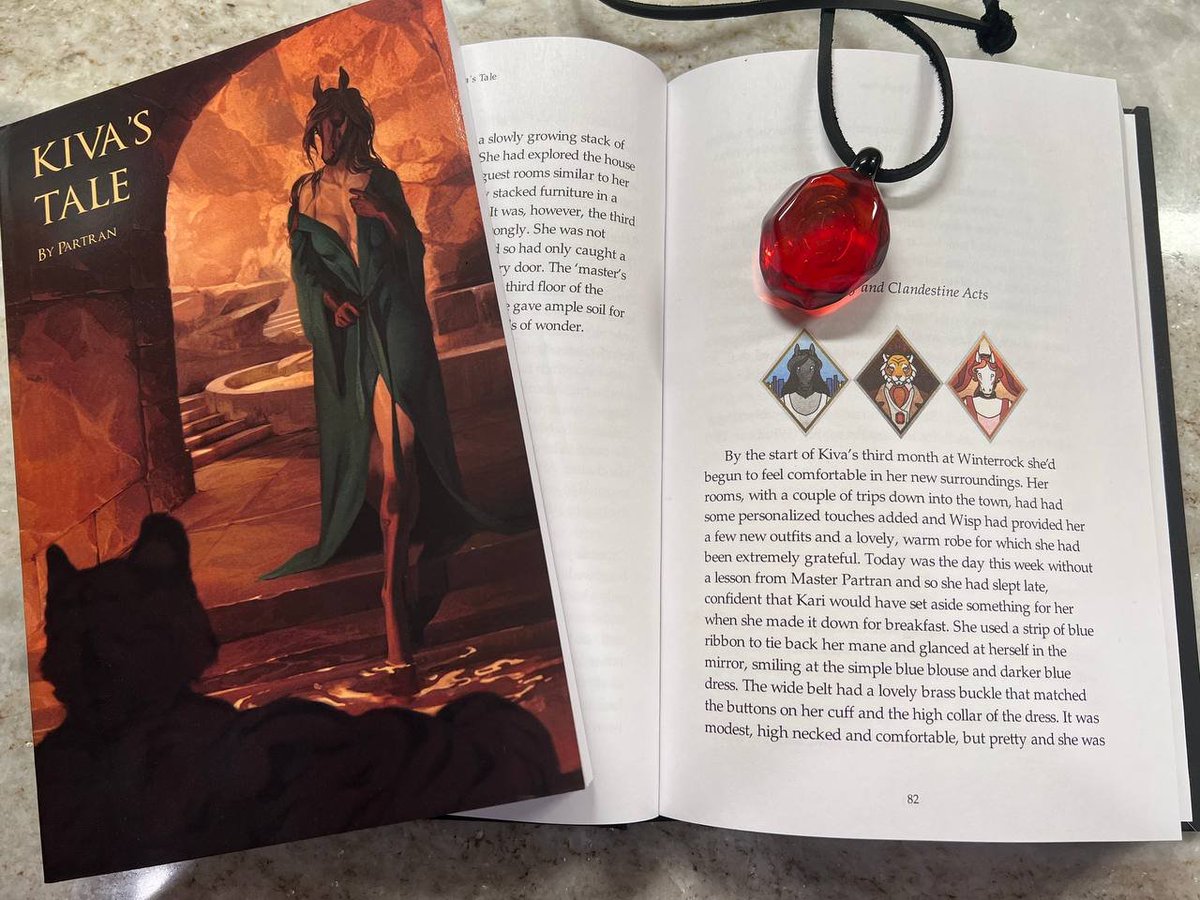
If you held off because you prefer physical books to digital media it's finally time!
Kiva's Tale is now available in paperback or hardback from the link below!
Thanks again to @HonovyArt and @eshpur for their illustration work!
https://t.co/40mf4NOnSz
You just know that horrible pervy fetish novels in the Harry Potter universe have titles like "My Pureblood Husband cucked by a Mudblood" and "Imperioused to the Muggle's Wand"
Patrzę na niego i podziwiam. To jeden z najmniejszych ptaków w Polsce zaraz po mysikróliku i zniczku i wygląda mi tu na taką bambaryłkę, która nawet nie wzleci, a okazuje się, że to spryciula niesamowita. Strzyżyk.
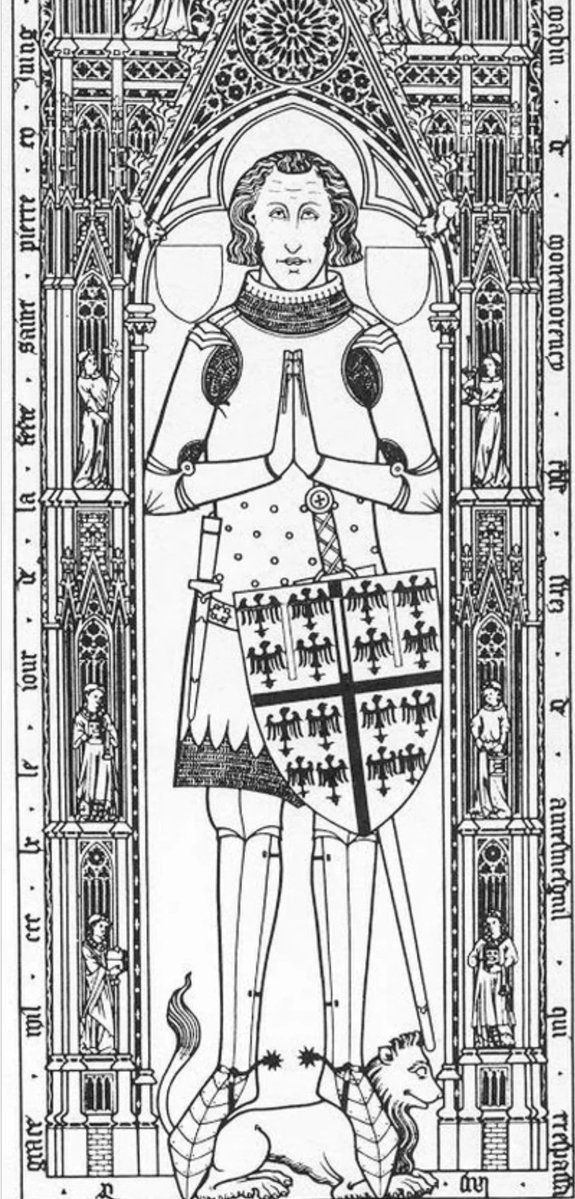
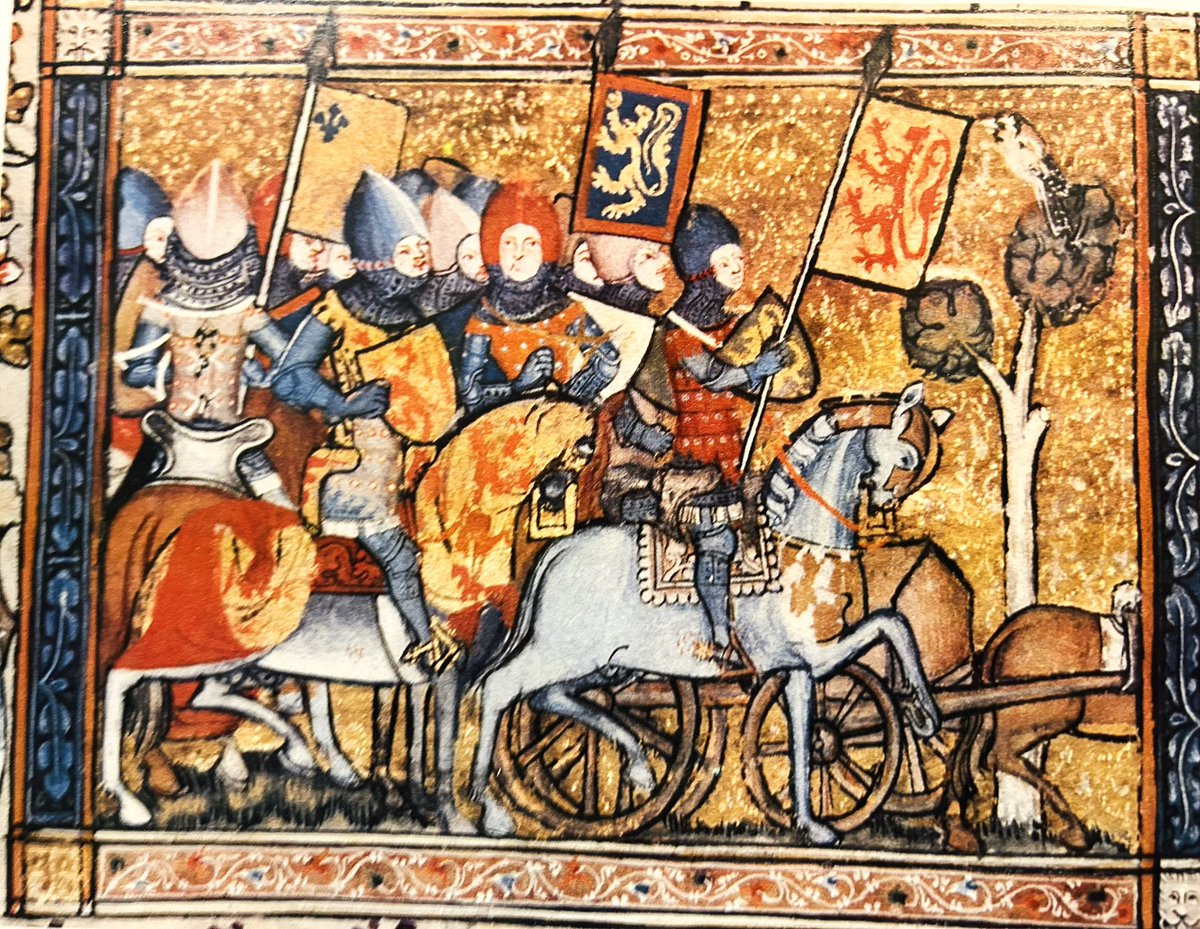
⚔️Early to Mid 14th C. plate Armor in Europe & the development of the one piece breastplate👇🏻
The “Coat of Plates” developed in the 13th century was probably the most common form of body armor for European Knights (in addition to mail & gambeson) up until the mid 1300’s.
The knight Raoul de Nesle, killed at the Battle of Courtrai in 1302, listed his arms in his inventory as consisting of “gambesons, mail hauberks, bascinets, kettle hats (chapel de fer), padded cuisses, and both half and full greaves and coats of plates.
By 1330 the coat of plates is frequently mentioned in most wills & inventories of knights-illustrations often hide these coats of plates as they were worn over the hauberk but beneath the surcoat.
One of the most important sources of info on these mid 14th century coats of plates is the grave finds at the Battle of Visby from 1361(see pictures)-the defenders were buried in their full armor; this is practically unheard of; but it gave us incredible examples of the coat of plates and their construction during this time.
The majority of knights at The Battles of Crecy and Poitiers in 1346 and 1356 would have worn a coat of plates over a mail hauberk or gambeson.
Various materials were used for their construction including latten (a copper alloy), whalebone, and cuir bouilli (boiled hardened leather).
By the 1350s effigies start to show the evolution of a single large plate covering the upper chest, accompanied by small plates to cover the shoulders (proto spaulders).
To prevent loss in battle, guard chains were often riveted to this plate which were then attached to the great helm or bascinet etc., sword and dagger.
By the 1360s this plate had increased in size and covered the chest as far as the diphragm.
Although there is literary evidence for a single piece steel breastplate as early as 1340, they only start to show up frequently in artwork and effigies in the 1360s and 1370s. Most knights are depicted with plate defense for the limbs (also splinted limb defenses)whilst still wearing a mail hauberk and coat of plates.
It was not until the last 2 decades of the 14th century did full steel breastplates and the full plate harness become more common.
The proliferation of water wheel powered furnaces and trip hammers in Europe during the mid 14th century was one of the main technological catalysts for the development at scale of large pieces of plate armor like the one piece steel breastplate.
European smiths could now work with and stamp out large sheets of iron, no longer needing to make body armor out of hundreds of small plates.