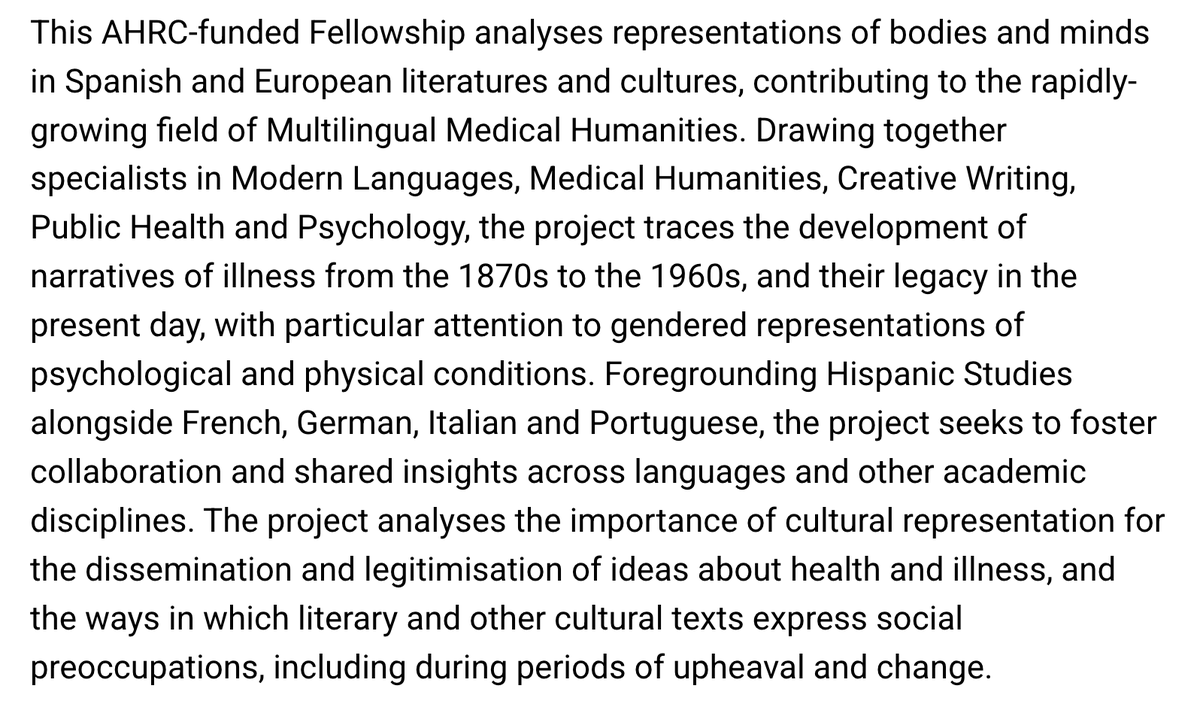
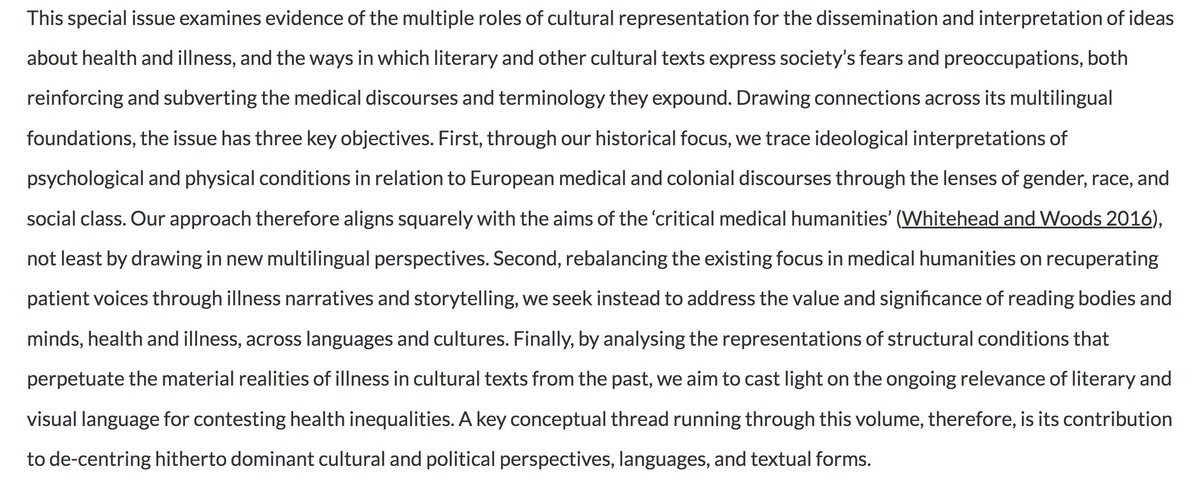
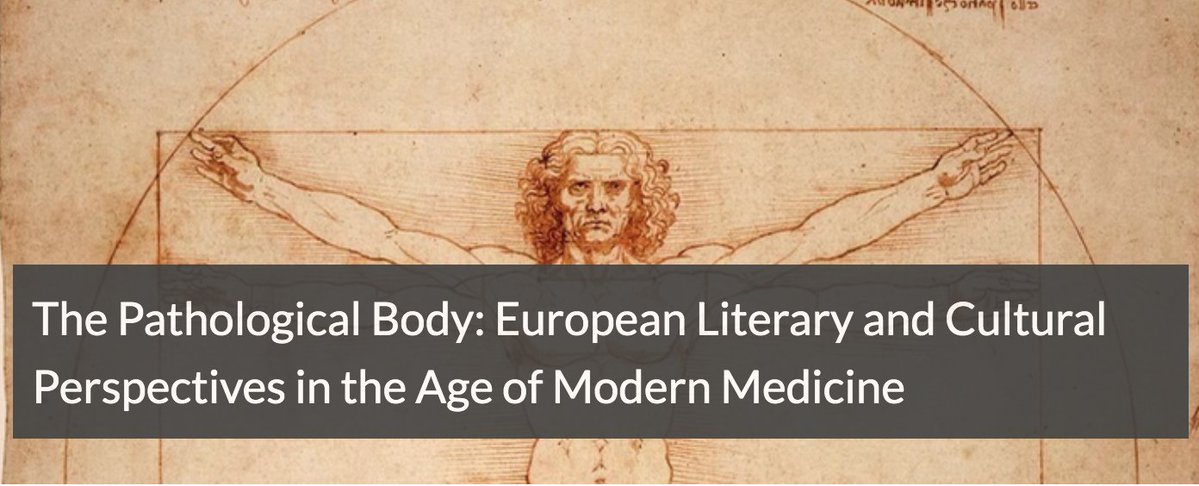
📢 OA @openlibhums special issue for those interested in literature, languages, and the body 📢
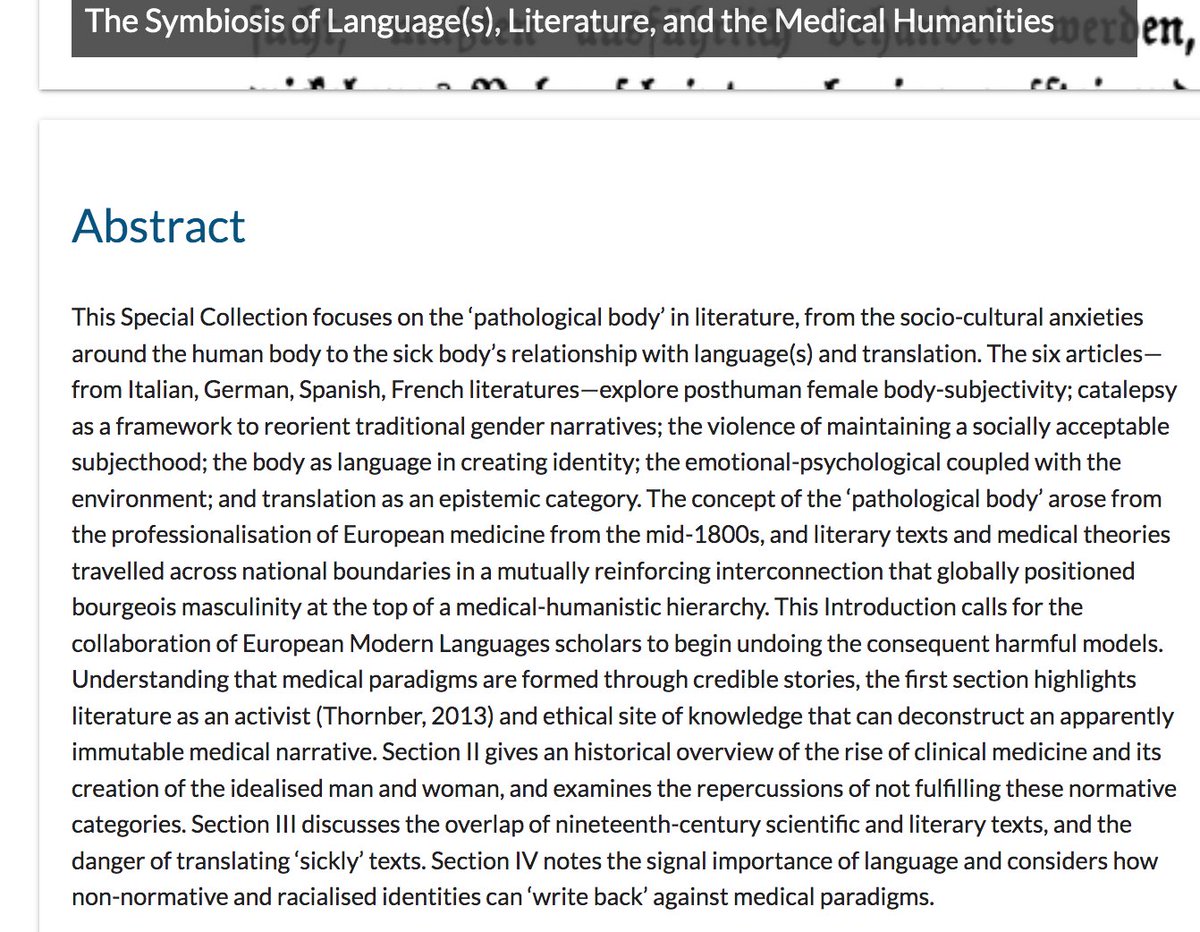
The Pathological Body: European Literary and Cultural Perspectives in the Age of Modern Medicine
#ModLangs#MedHums#Literature
The quilting section at Spotlight makes the 'are women suited to surgery?' discussion seem ludicrous. Quilters have been piecing fabric and driving needles through complex designs for centuries. Needle holders, right angle forceps, cutting blades- all here. #ILookLikeASurgeon
New publication in open access 📢
Catherine Malabou and Contemporary French Literature and Film
"How do we engage with our metamorphic bodies and brains in ways which resist social and political violences [...]?"
My book Catherine Malabou and Contemporary French Literature and Film: Witnessing Plasticity is now PUBLISHED Open Access with Edinburgh University Press: https://t.co/5yurRtWYHL
alice wong introduced me to the 10 principles of disability justice and i think they are vital to the continued existence of the human race so i am sharing them
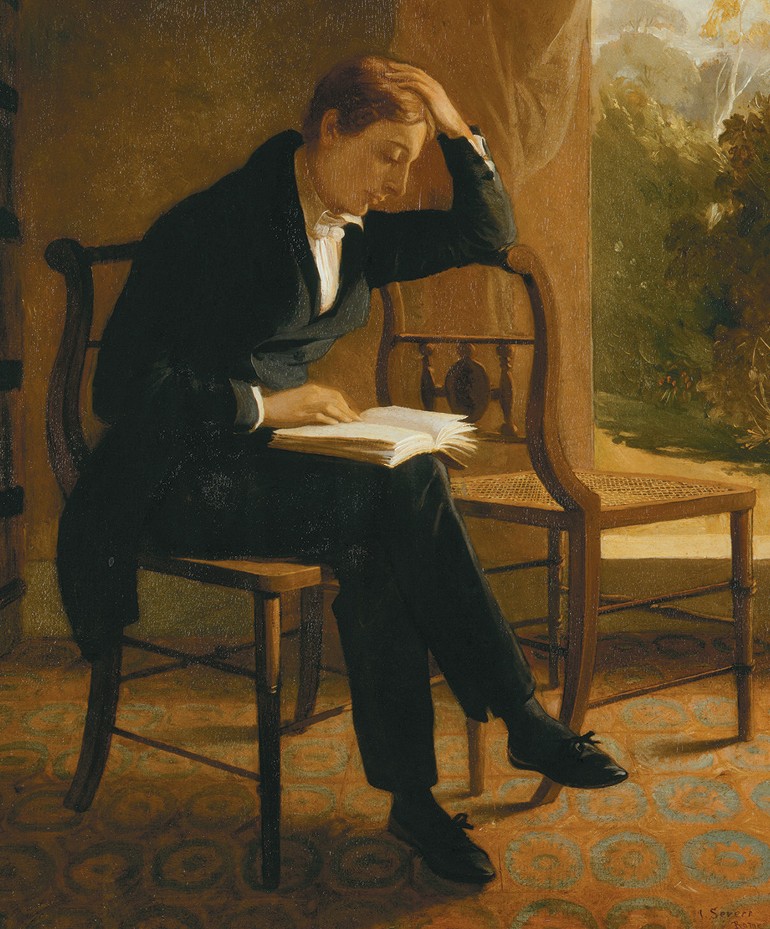
Poet John Keats (1795-1821) once considered a career in medicine, apprenticing at the age of 14 to the family doctor. Although he later abandoned this idea, he drew on his physician’s vision to interpret the nature and meaning of life. Medical elements emerge in his poem “Ode to Psyche.” https://t.co/50PGAtj6zJ .
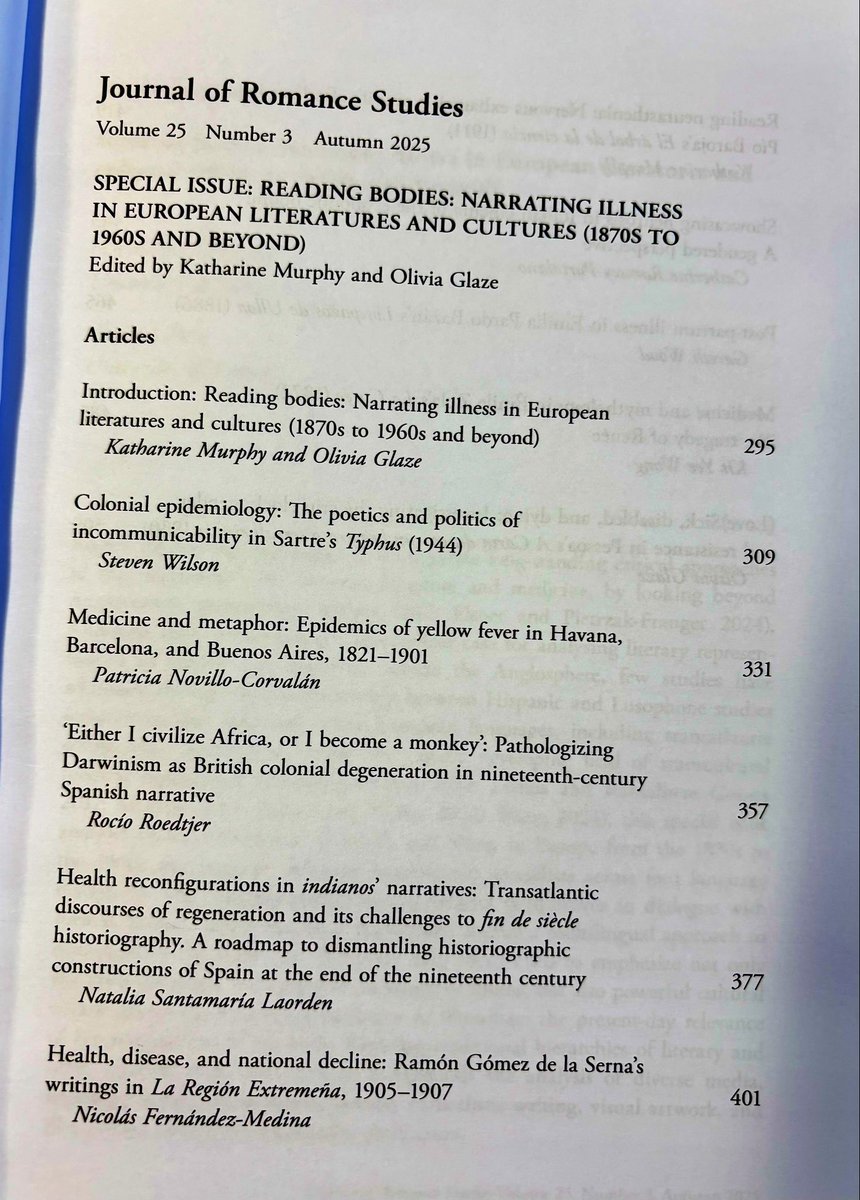
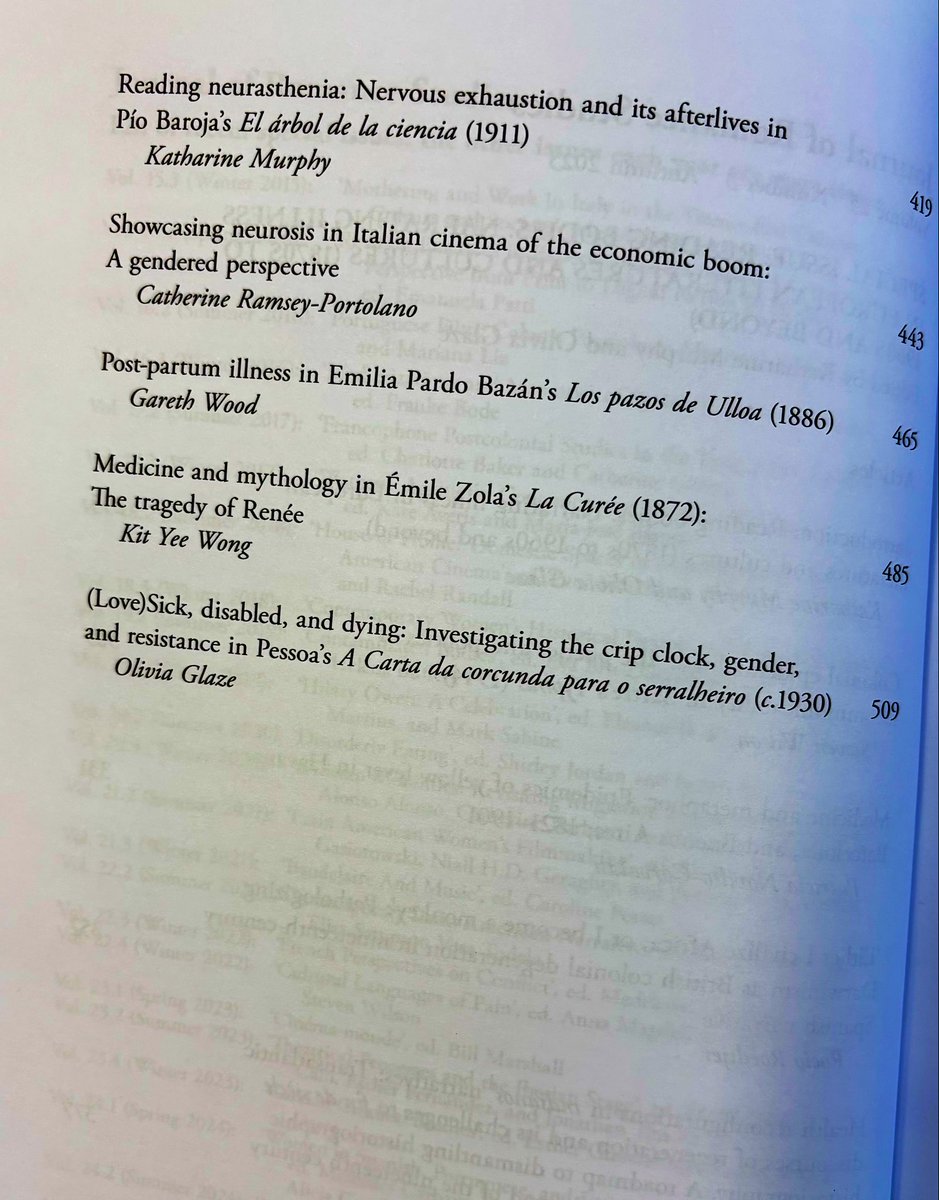
A treat to receive the hard copy of Katharine Murphy and Olivia Glaze’s special issue, ‘Reading bodies: Narrating illness in European literatures and cultures (1870s-1960s & beyond)’. Looking forward to reading all the articles. https://t.co/D0K66YLCqW
New publication: ‘Colonial epidemiology: The poetics and politics of incommunicability in Sartre’s Typhus (1944)’, in Journal of Romance Studies special issue on Reading bodies: Narrating illness in European literatures and cultures (1870s-1960s & beyond) https://t.co/34b8VbTFnp
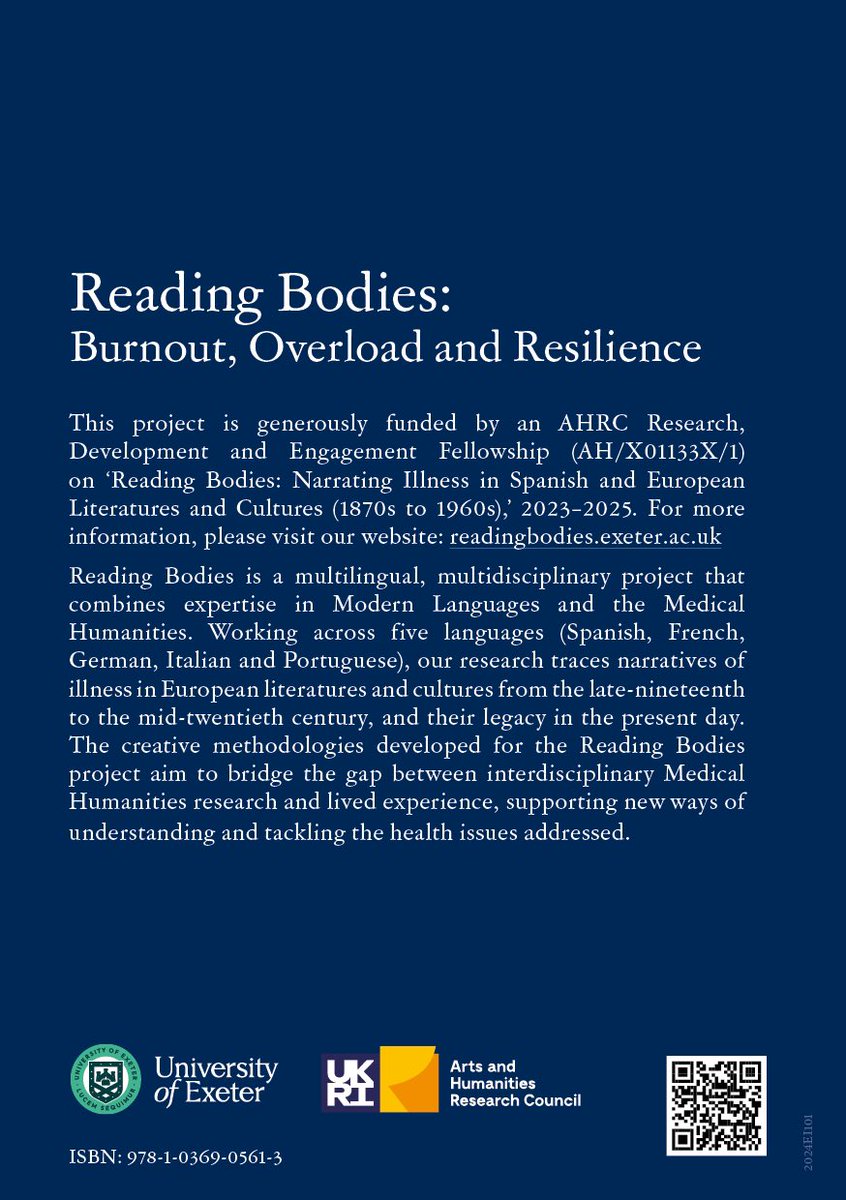
The special issue is part of a much bigger project about bodies and minds in European literatures and cultures. See the project website
#ModLangs#MedHums#Literature@ExeterModLangs
https://t.co/qMRbkrkzfZ
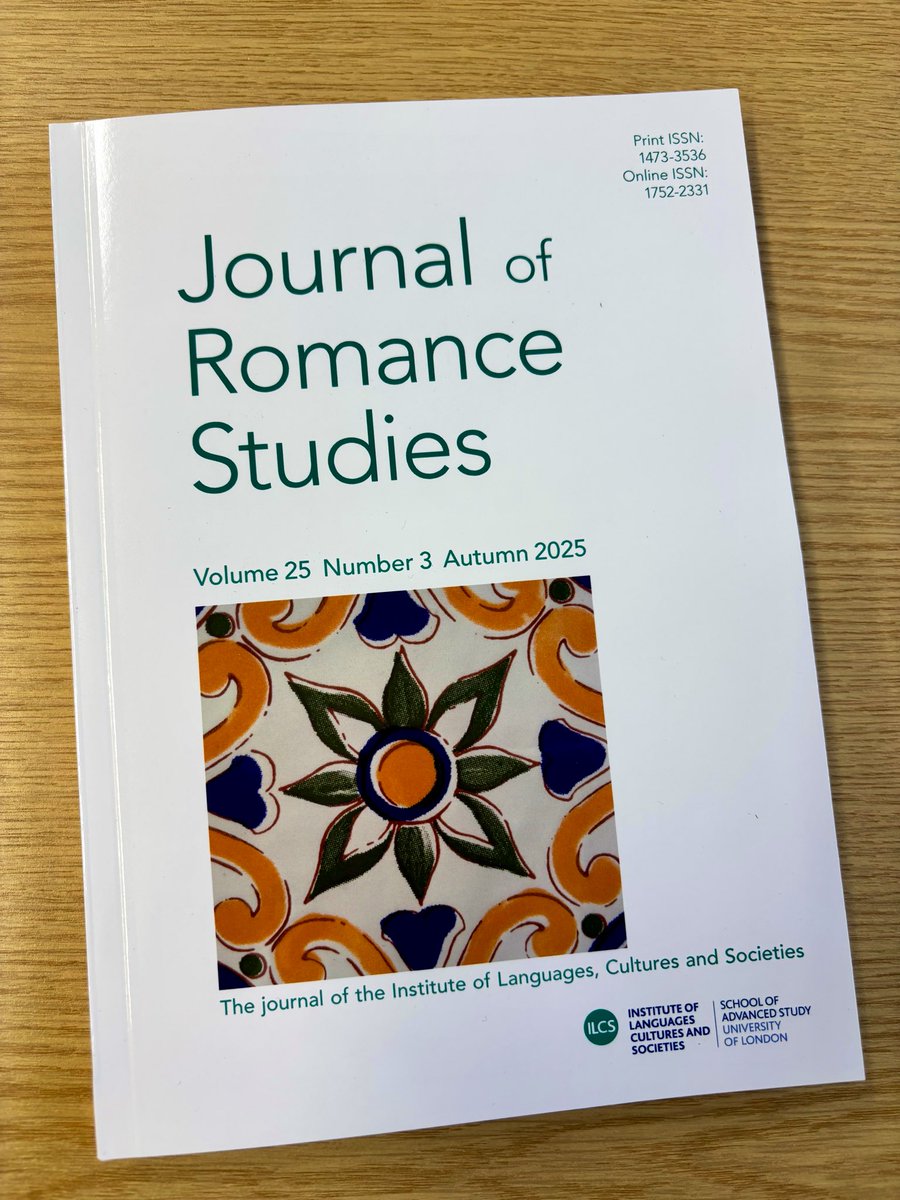
📢 The current issue of Journal of Romance Studies (25:3) is out!
'Reading Bodies: Narrating Illness in European Literatures and Cultures (1870s to 1960s and Beyond)', ed. by Prof. Katharine Murphy and Dr Olivia Glaze
The introduction is OA
https://t.co/zAtwMVyacP
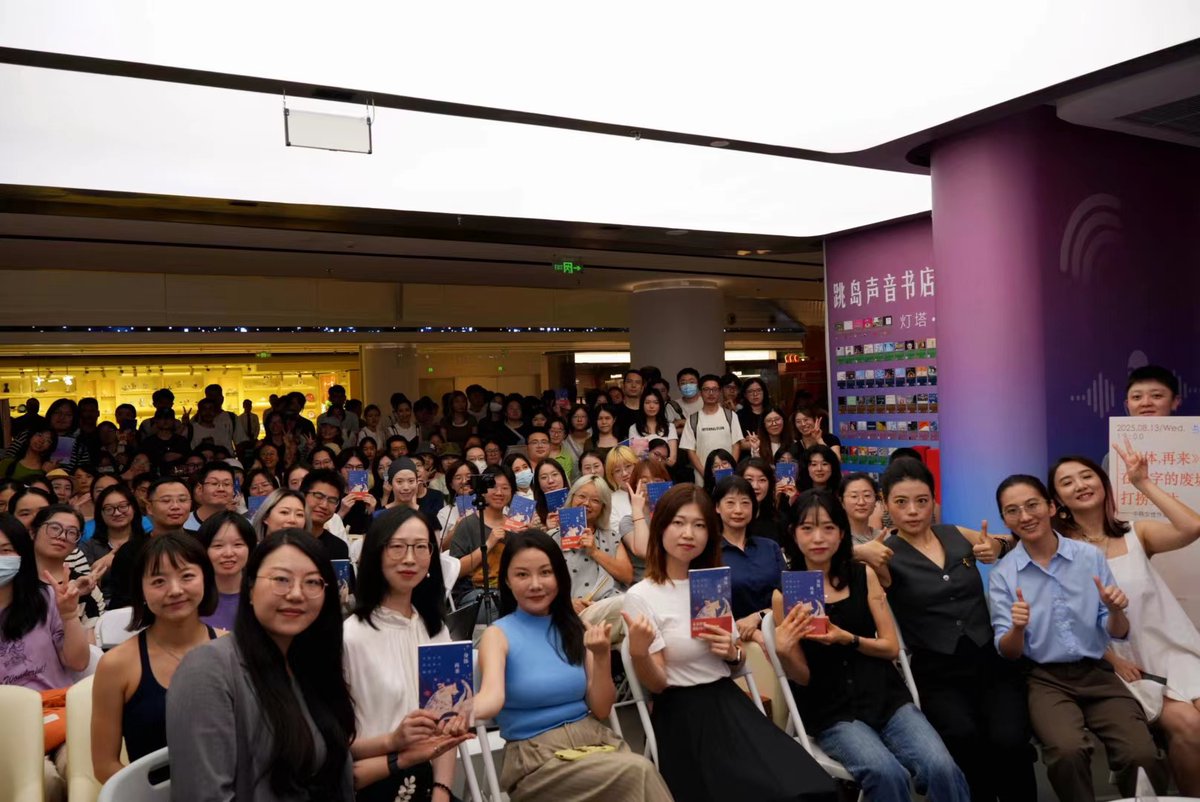
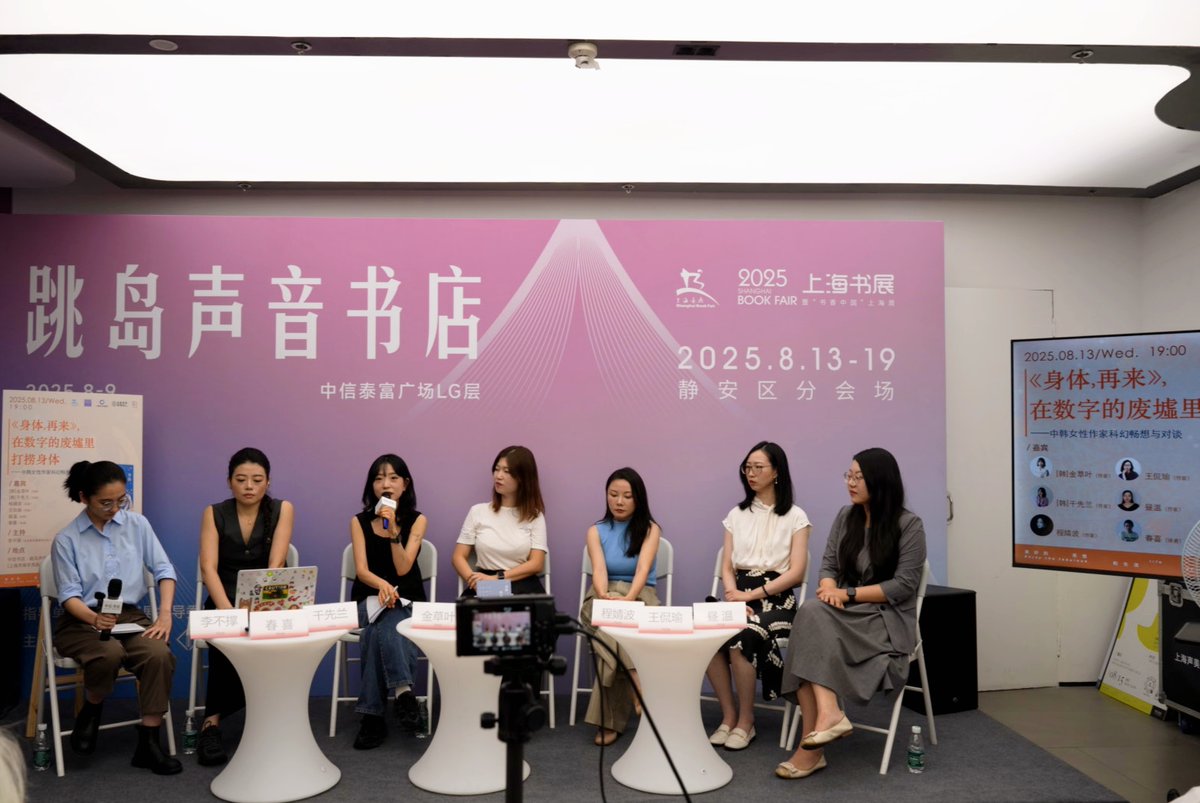
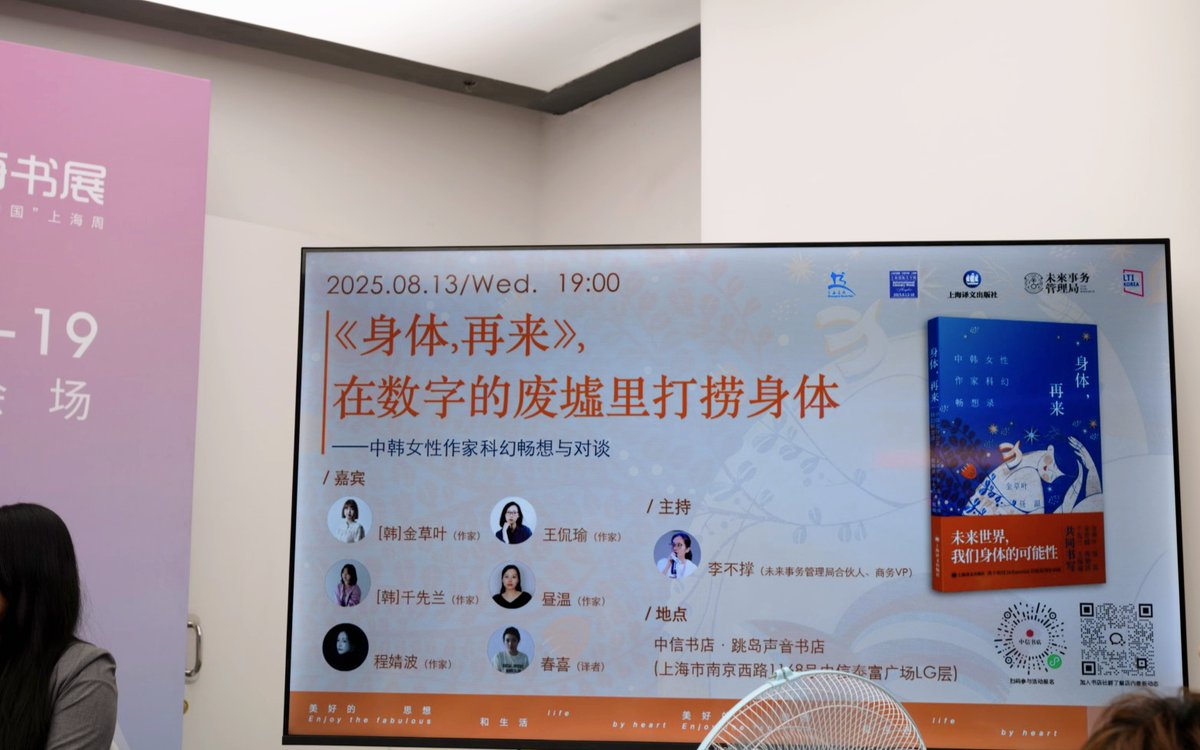
"Body, Again -- SF Anthology of Chinese & Korean Female Writers" is officially launched in China, after its successful launch in Korea! Newly written stories on "body" from Kim Choyeop, Cheon Seonran, Kim Cheonggyul, Cheng Jingbo, Zhouwen, and me🥳🤩😃
The Vagina Museum is just one month away from closing. Forever. A perfect storm of circumstances means that we may have to close our doors permanently and cease all digital activities. But we're not going to go down without a fight. Save the Vagina Museum. https://t.co/jc0IjjtInF
‘Any effective response to the anti-gender movement will entail a critique of the new forms of authoritarianism and the passions they exploit.’
NEW: Judith Butler on Trump and ‘gender ideology’.
https://t.co/zSdnc9848L
🚨 Did you miss our symposium but wish you hadn't? 🚨
The video recording and transcripts of Disability and Fairy Tales: Keeping the Magic, Confronting the Stigma are now available!
https://t.co/kr6EBK8HYK
#Folklore#FairyTales#Disability
It's one year since the open-access medical humanities special issue 'The Pathological Body' was published.
Take a look if you're interested in literature, languages, bodies, and the global impact of C19th European medicine that shaped modern life.
https://t.co/egGPtSNIWQ
We're excited to share our Reading Bodies creative anthology with Riptide Journal, co-edited by Katharine Murphy and Sally Flint. Read a digital version via flipbook here!: https://t.co/PCIY0xAIYP
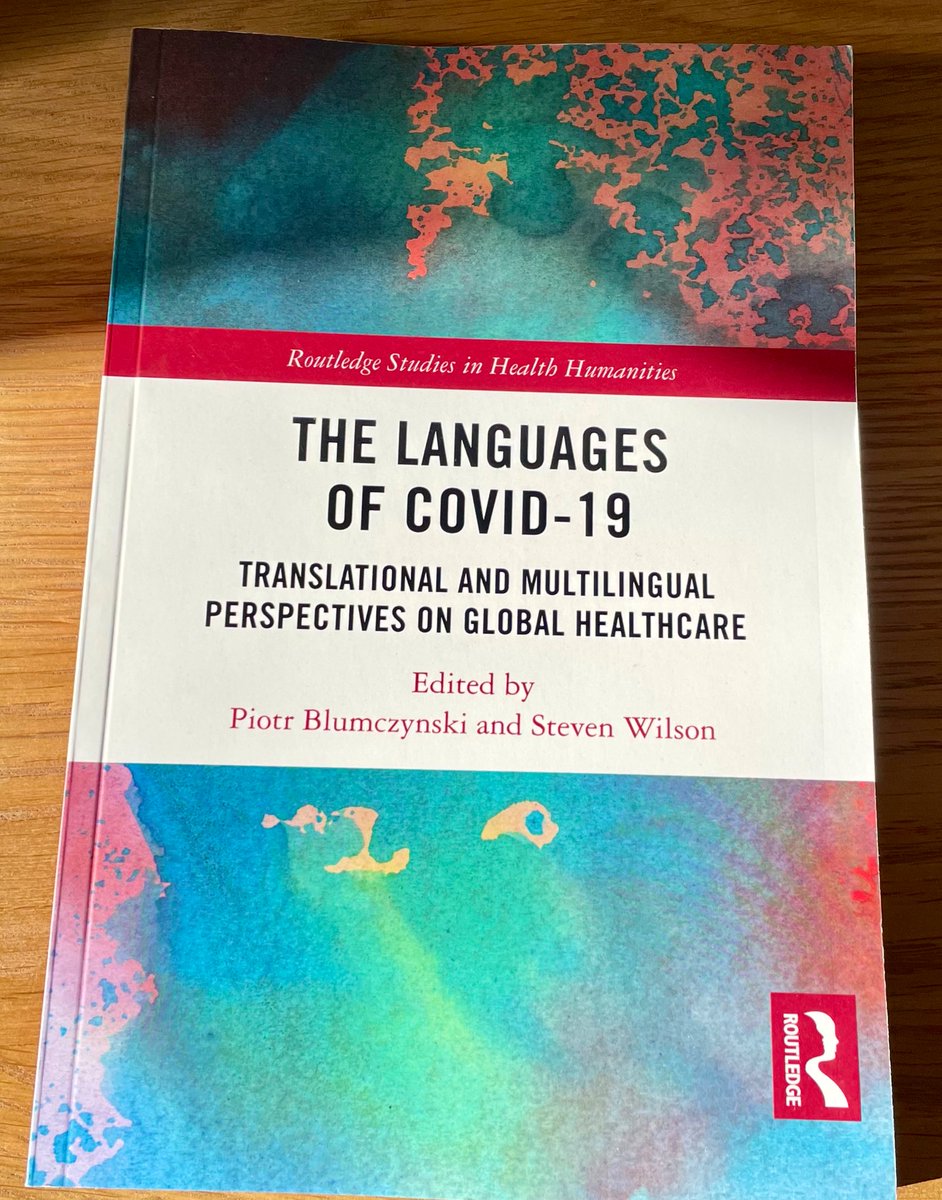
📕The Languages of Covid-19 is out now in paperback (and #OpenAccess here: https://t.co/hENBQ6xD9w). The book’s legacy lies in the case it makes for linguistic sensitivity and translational mediation as *essential* elements of global healthcare and future pandemic preparedness.