We are a group of researchers with the ambitious aim to improve population health, health equity and environmental sustainability in cities around the world 🌍🏘️
✨ Released today! 🌎
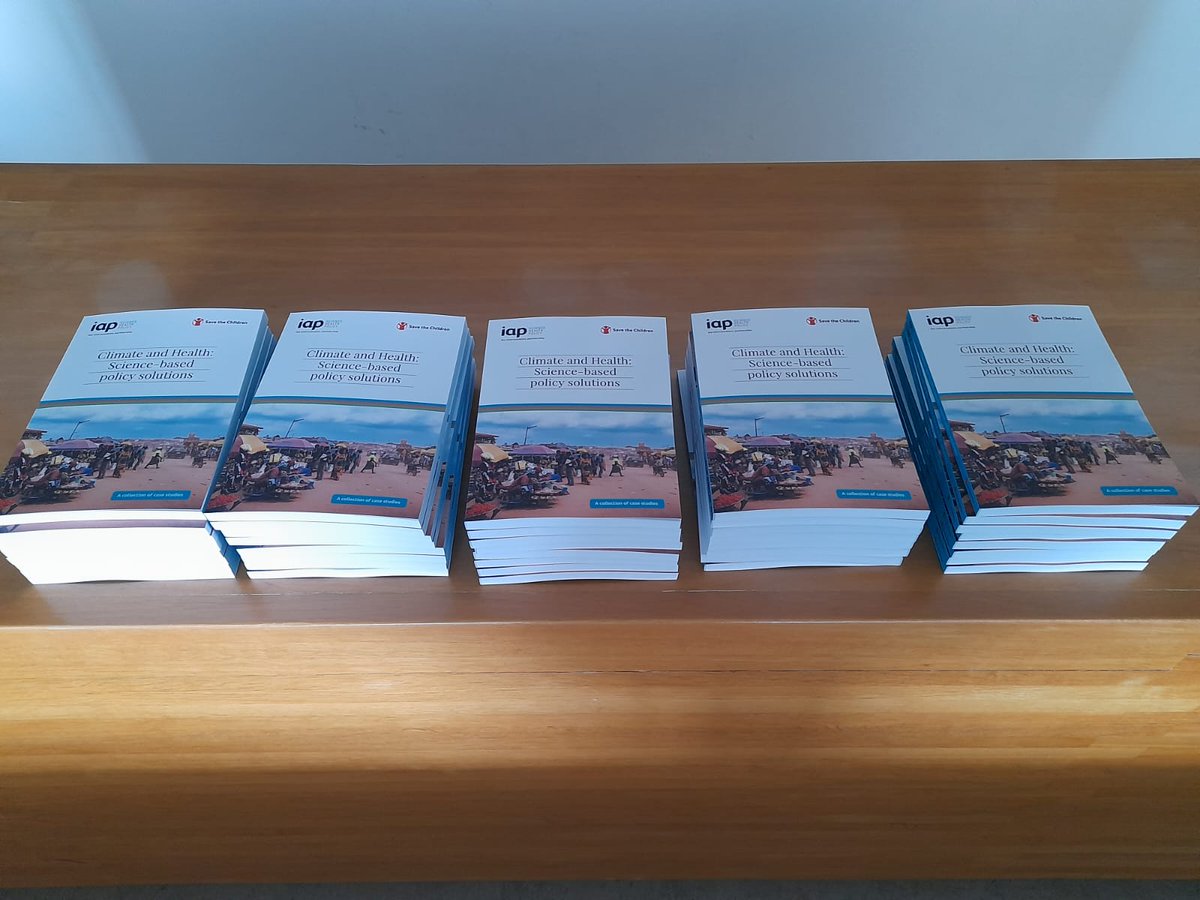
🌦Climate and Health: Science-based policy solutions - a collection of case studies👩🏫
IAP in collaboration with @SavetheChildren#SustainableAction#ClimateandHealth
Read and download the single case studies: https://t.co/5BiSWrqZru
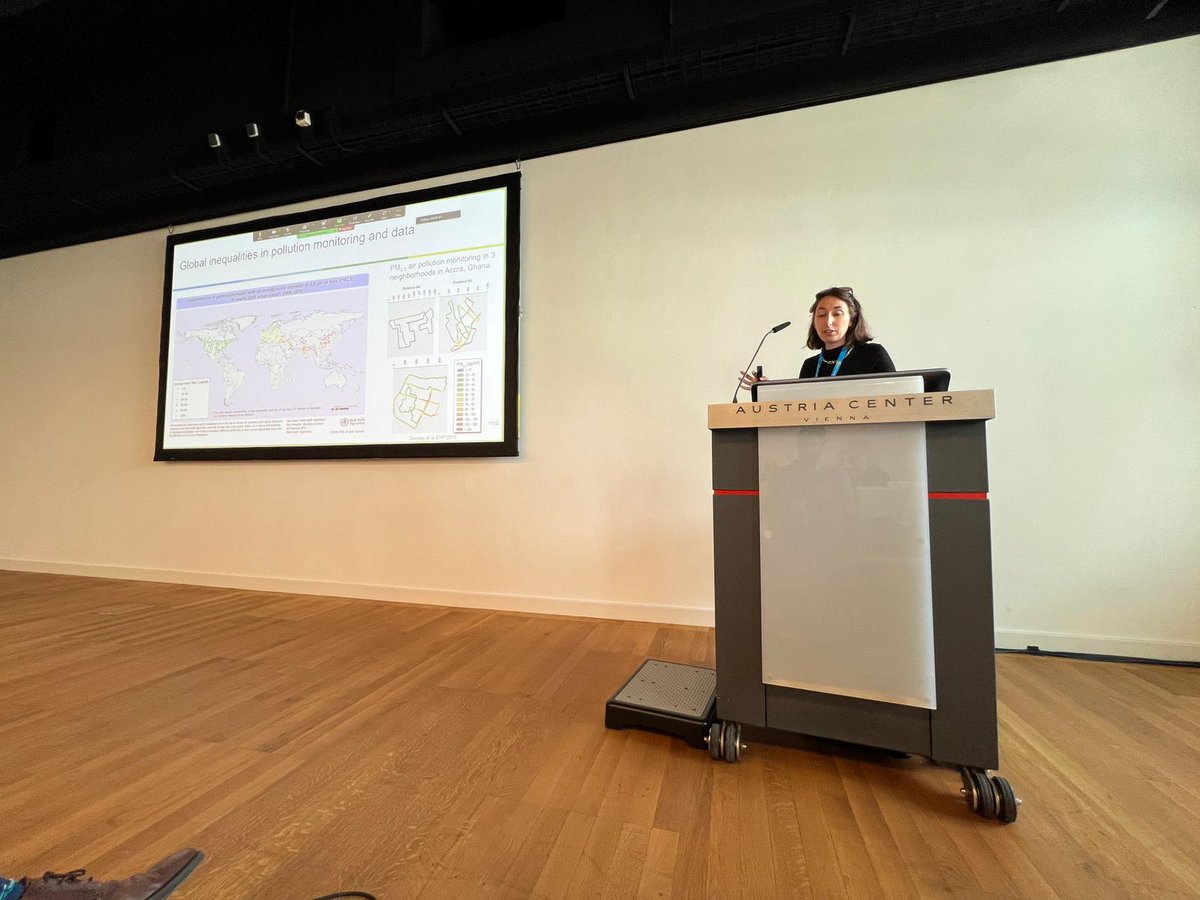
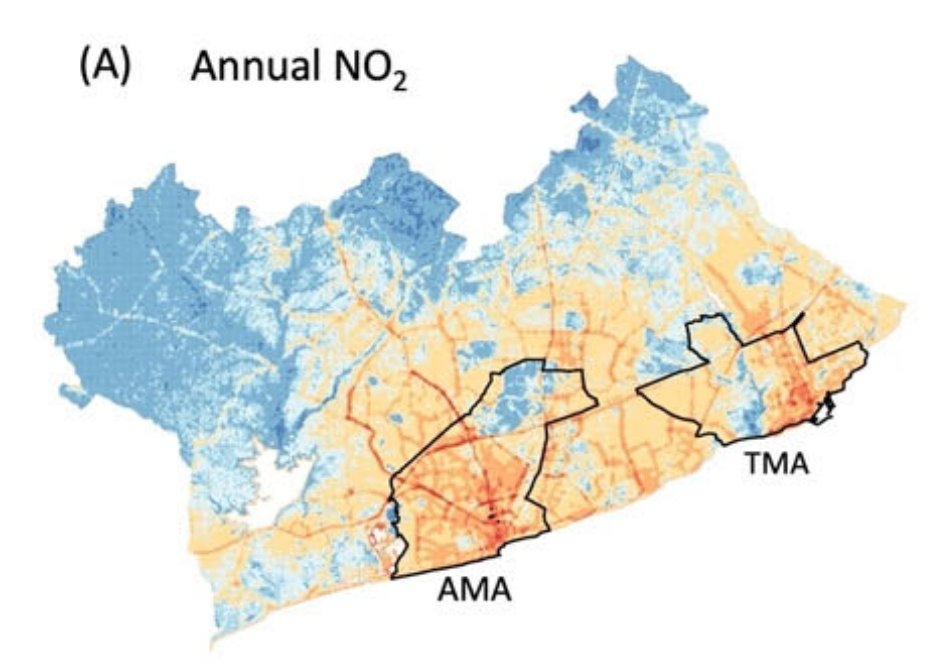
Double act by @ThickNavyRain and I at #EGU24 in the air quality session summarising 5 years of work by the @Pathways2Equity team to measure and model environmental exposures in Accra, Ghana and what comes next for new health studies led by @raphazi1
🔴 GOING LIVE @ 2:00 PM!
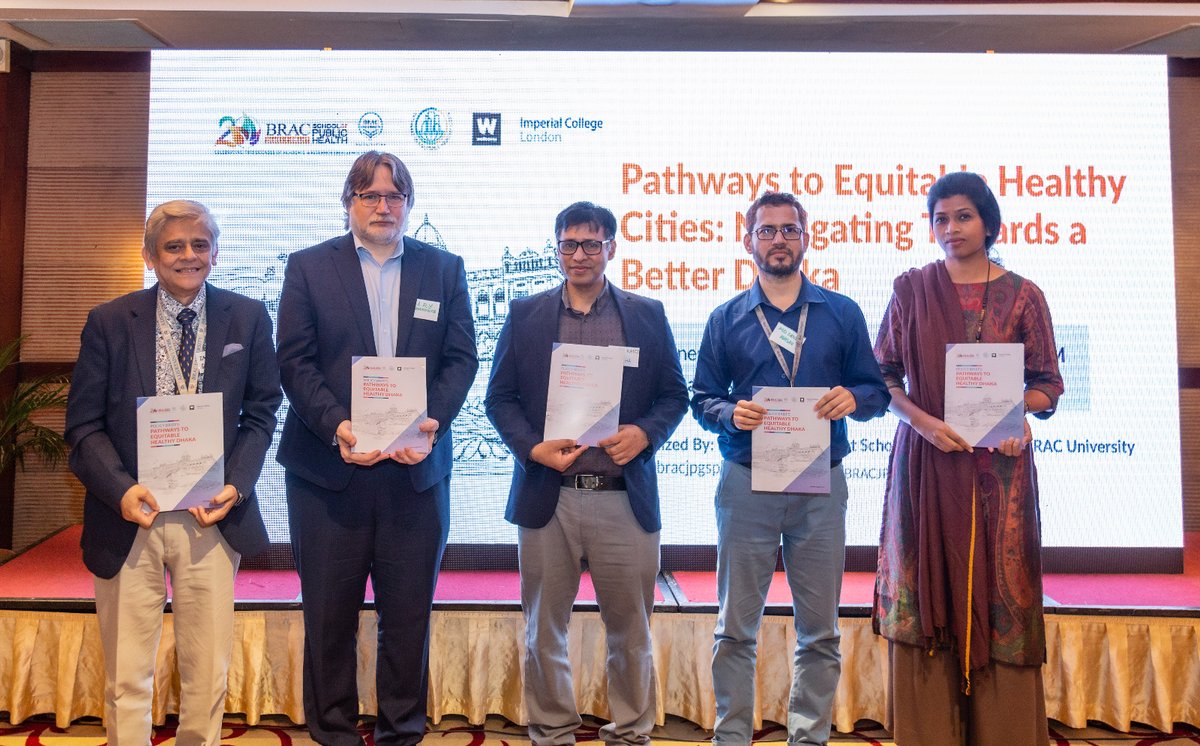
We are hosting a #seminar on "Pathways to Equitable Healthy Cities: Navigating Towards A Better Dhaka" where the findings of the #PATHWAYS research project will be disseminated.
👉 Watch LIVE: https://t.co/VmnqL27BT4
#HealthyCities#Pathways2equity
My PhD journey has been an awesome experience. I am grateful to Professor Samuel Agyei-Mensah(@UnivofGh), Prof Majid Ezaati, Prof George Owusu, Dr Sivakumar Aruna (@imperialcollege) and Dr Ernest Agyemang. Funding was through Pathways (@Pathways2Equity of @wellcometrust)
@Tsinghua_Uni News article in on the recent Pathways publication in @CommsEarth 🏙️an analysis of the relationship between PM2.5 exposure and excess cardiopulmonary death burden in the population https://t.co/S55pnB6Sya
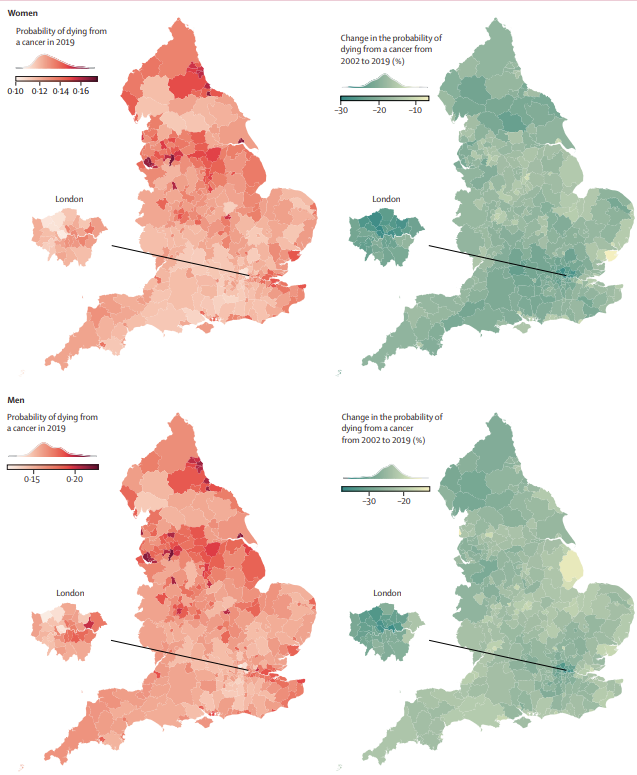
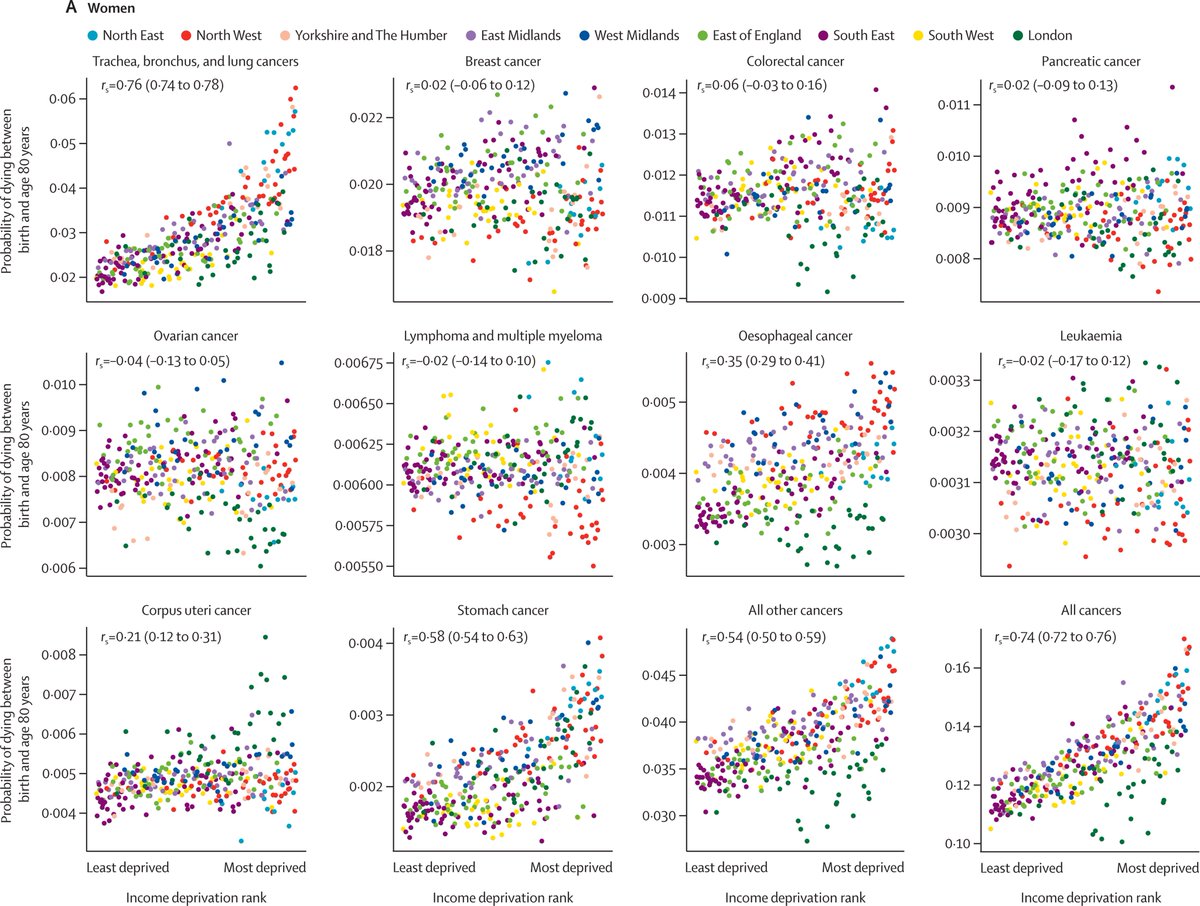
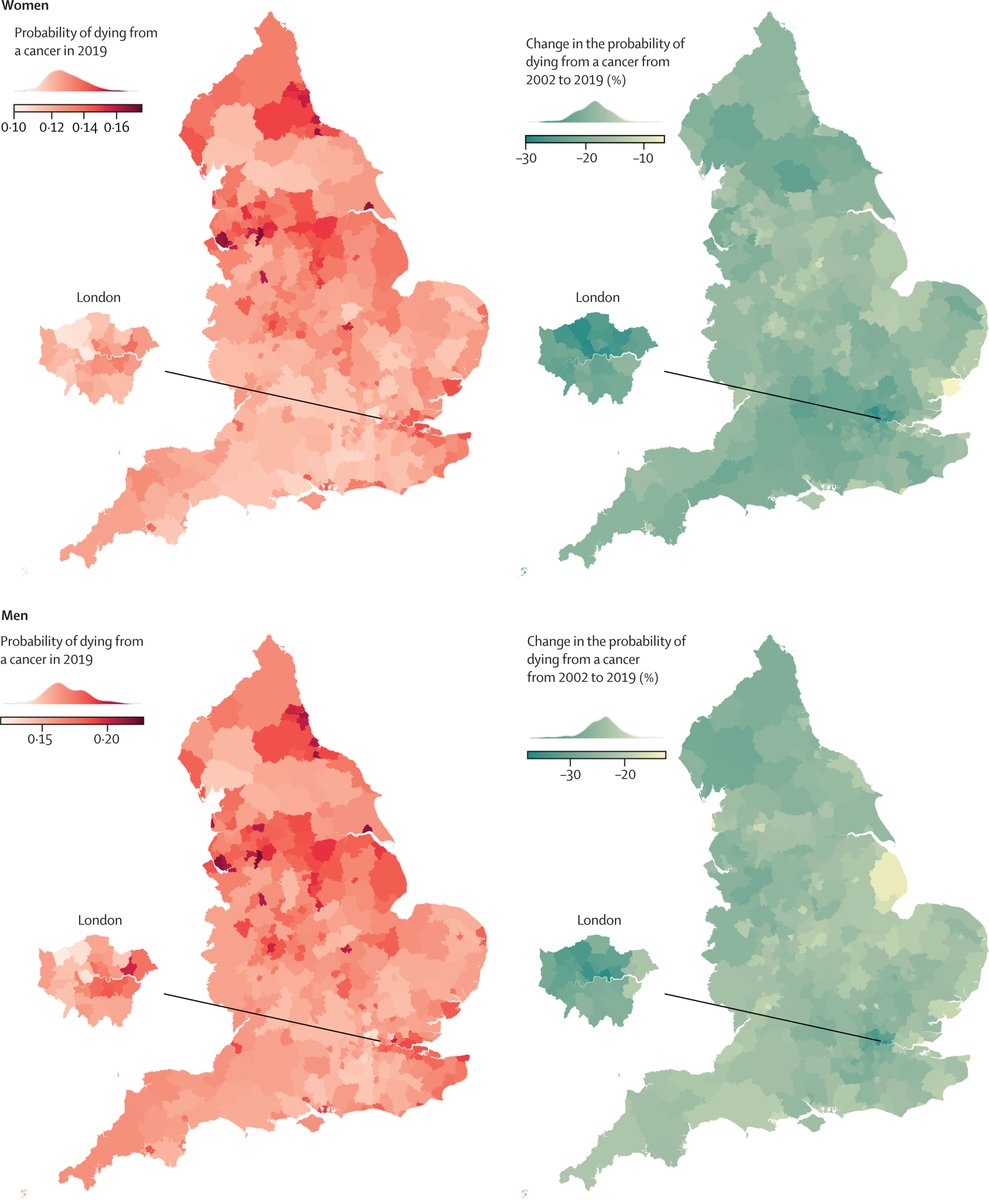
"In the poorest areas the risk of dying from #cancer is 70% higher"
Professor Majid Ezzati spoke with @AndrewMarr9 on @LBC about new research that shows that the risk of dying of cancer in England varies hugely depending on where people live
📽️ https://t.co/OpIZBctjUx [@ 53:45]
Read the policy brief on Climate Change Adaptation
for Health, including evidence from Pathways case study (also to be released shortly) on equitable flood adaptation in Tamale, Ghana using co-production methods. Produced by @IAPartnership@SavetheChildren https://t.co/JDs5ihea2c
New @ImperialSPH research finds risk of dying of #cancer in England varies hugely depending on where people live.
Published in @TheLancetOncol, findings highlight stark inequalities across the country.
#PublicHealth https://t.co/olrhgPUBrb
The risk of dying from cancer in some poorer areas of England is far higher than the risk seen in wealthier areas, with northern cities such as Liverpool, Manchester, Hull, and Newcastle among the worst affected, a study has found
https://t.co/bSp5yRCwxm
NOW OF: A population-based, spatiotemporal study of of vital registration data from the UK Office for National Statistics aims to estimate trends in mortality from leading cancers from 2002 to 2019 for the 314 districts in England.
https://t.co/ewHqK1tEwf
Risk of dying from cancer in some poorer districts of England over 70% higher than wealthy districts, a new study in @TheLancetOncol suggests
https://t.co/iTYJcKgRyt
The greatest inequality across districts was for cancers where factors such as smoking, alcohol and obesity have a large influence on the risk of getting cancer.
Find out more:
https://t.co/dHnX8GGgNJ
The risk of dying of cancer in England varies hugely depending on where people live, according to new research led by Professor Majid Ezzati
Read the study below 👇











![ImperialSPH's tweet photo. "In the poorest areas the risk of dying from #cancer is 70% higher"
Professor Majid Ezzati spoke with @AndrewMarr9 on @LBC about new research that shows that the risk of dying of cancer in England varies hugely depending on where people live
📽️ https://t.co/OpIZBctjUx [@ 53:45] https://t.co/dRgromGEzl](https://pbs.twimg.com/media/GBUm9fYXoAAtb_V.jpg)