El Hoy No Circula es una estafa.
Pagas impuestos, tenencia y verificación… y aun así te prohíben usar tu coche.
Además, diversos estudios concluyen que el programa NO sirve para bajar la contaminación.
Entonces esto no es política ambiental, es control y recaudación disfrazados de ecologismo.
El gobierno te culpa a ti de la contaminación, mientras ellos queman combustóleo en Tula y mantienen transporte público obsoleto.
En realidad la contaminación la generan sus decisiones, pero la terminas pagando tú.
Esto NO ES DISCIPLINA, es violencia.
Toda la familia se tuvo que meter para que este salvaje dejara de golpear salvajemente a su hijo.
Ojalá den con este HDP y lo retiren de los menores, es un peligro.
https://t.co/l4CJlVpOqq
🚨🇲🇽 | LE LAVÓ LA CARA AL NAROGOBIERNO: La actriz Salma Hayek, quien vive en una mansión en Estados Unidos, elogió al narcorégimen asesino de Sheinbaum por ignorar la crisis de inseguridad y la falta de insumos médicos en México para invertir fondos públicos en hacer películas.
Quieren minimizar a toda costa el aumento de casos de sarampión en México.
Minimizar el desastre del tren interoceánico.
Minimizar el huachicol fiscal.
Y lo de Carlos Manzo, mejor ni hablar: hicieron todo lo posible por apagar el tema.
Yo ya sé cómo operan.
El problema es que la realidad ya no obedece consignas
y la historia los está alcanzando.
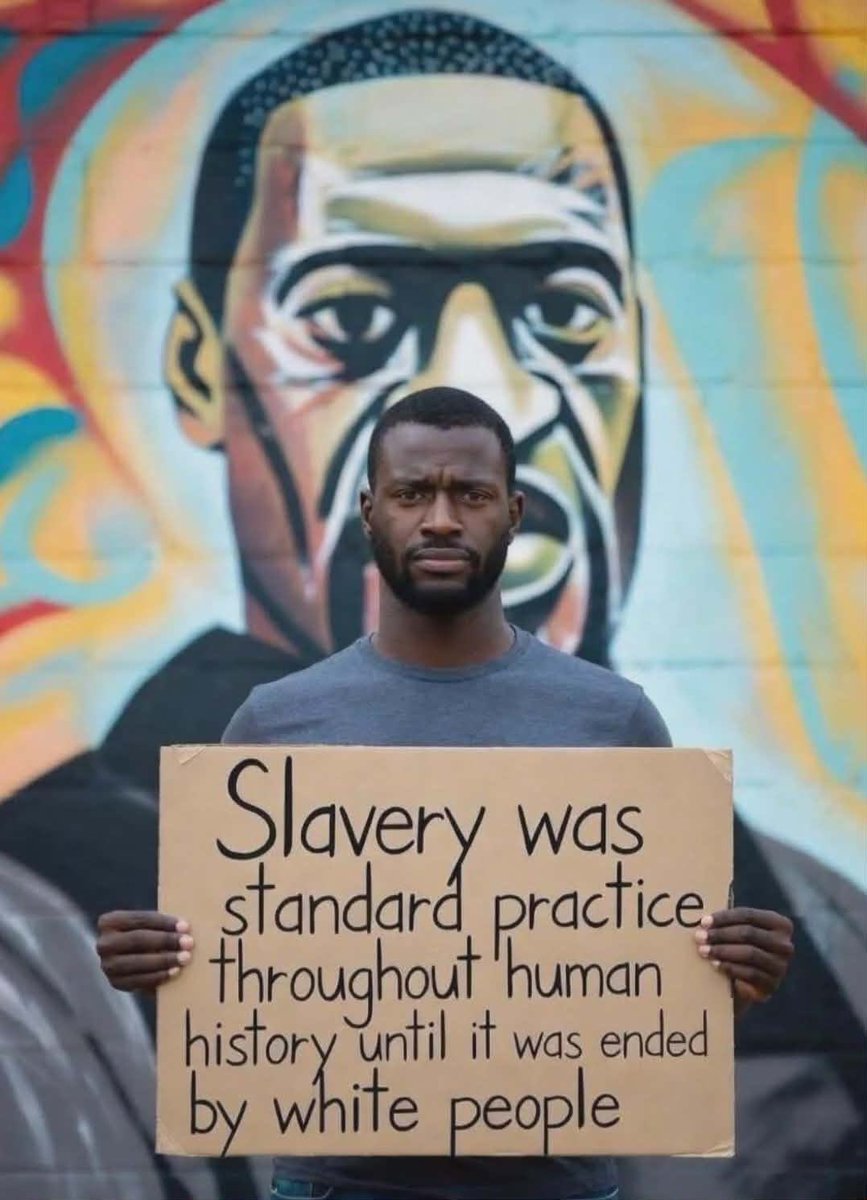
If black and brown people can be proud of their races, why not whites?
If black and brown people can be indigenous and native, why not whites?
It’s this lack of symmetry and equality that’s driving current resentments on all sides.
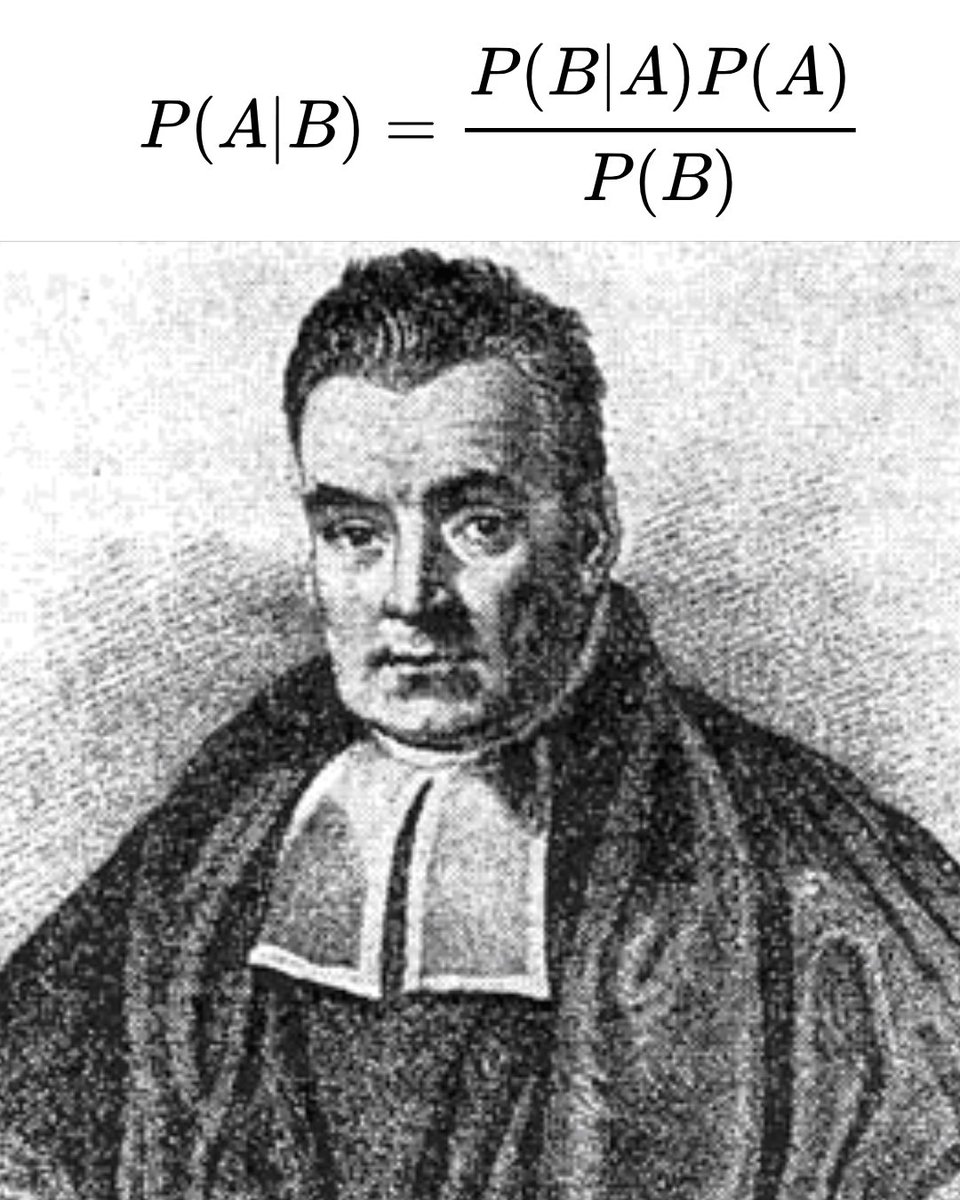
Bayes’ theorem is probably the single most important thing any rational person can learn.
So many of our debates and disagreements that we shout about are because we don’t understand Bayes’ theorem or how human rationality often works.
Bayes’ theorem is named after the 18th-century Thomas Bayes, and essentially it’s a formula that asks: when you are presented with all of the evidence for something, how much should you believe it?
Bayes’ theorem teaches us that our beliefs are not fixed; they are probabilities. Our beliefs change as we weigh new evidence against our assumptions, or our priors. In other words, we all carry certain ideas about how the world works, and new evidence can challenge them.
For example, somebody might believe that smoking is safe, that stress causes mouth ulcers, or that human activity is unrelated to climate change. These are their priors, their starting points. They can be formed by our culture, our biases, or even incomplete information.
Now imagine a new study comes along that challenges one of your priors. A single study might not carry enough weight to overturn your existing beliefs. But as studies accumulate, eventually the scales may tip. At some point, your prior will become less and less plausible.
Bayes’ theorem argues that being rational is not about black and white. It’s not even about true or false. It’s about what is most reasonable based on the best available evidence. But for this to work, we need to be presented with as much high-quality data as possible. Without evidence—without belief-forming data—we are left only with our priors and biases. And those aren’t all that rational.
Las rosas son rojas
Las violetas son azules
Los morenistas son socialistas y demagogos.
Toda la oposición mexicana también lo es.
Feliz Día del Amor y la Amistad para todos!
https://t.co/wi8133Bvvl