A typical adult human has approximately 30 to 36 trillion eukaryotic cells (belonging to the human organism itself). Since all human cells have a defined nucleus and organelles, 100% of the body's own cells are eukaryotic.
An average adult male has about 36 trillion human cells, while an average adult female has about 28 trillion. Red blood cells (erythrocytes) account for approximately 84% of the body's total cell count. Although they are very small and lose their nucleus as they mature to maximize oxygen transport, they derive from the organism's own eukaryotic lineages.
*** Self Cells (Eukaryotic) vs. Prokaryotic Cells (Microbiome): Trillions of bacteria and archaea (prokaryotic cells) also inhabit the human body, mainly in the digestive tract. The ratio of prokaryotic to eukaryotic cells is almost 1:1, debunking the old myth that bacteria outnumbered human cells by a 10-to-1 ratio.
What you see in the video is completely real and astounding: although we usually imagine the cell as a "bag of liquid with a nucleus," it is actually a hyper-dense, highly active biological metropolis. If we count the structural and functional elements, as well as the biomolecules that make up a single average human cell, the numbers are truly astronomical:
** Water molecules accounts for roughly 70% of the cell's weight.
** Proteins: ~2,000 to 10,000 million. Proteins are the "machines," "tools," and "citizens" you see moving in the video. There are more than 10,000 distinct types of proteins operating simultaneously.
** RNA (messenger and transfer): ~10 to 50 million molecules. These are the copies of instructions traveling from the nucleus to manufacture proteins.
** Lipids (fats): ~10,000 to 100,000 million. They form the outer membrane and the membranes of organelles, acting as the system's "walls" and "streets."
** Organelles (the "factories" and infrastructure):
**** Mitochondria: Between 500 and 2,000 per cell (heart cells or liver hepatocytes can have thousands; red blood cells have none).
**** Ribosomes: ~1 to 10 million (the factories constantly assembling proteins).
**** Lysosomes and Peroxisomes: ~100 to 1,000 (waste recycling and digestion centers).
** The Nucleus and DNA: Contains 1 complete genome distributed across 46 chromosomes, totaling about 3 billion base pairs of DNA. Unraveled, the DNA of that single cell would stretch about 2 meters in length.
What gives the video that "marine ecosystem" or "living coral" appearance in high-resolution microscopy is the cytoskeleton and molecular motors:
** The Cytoskeleton (A massive network of microtubules and filaments that constantly change shape, giving the impression of contracting arms or tentacles)
** Molecular Motors: (Proteins that literally "walk" along microtubules carrying cargo-filled vesicles, mimicking the movement of animals or transit systems)
** Vesicle Traffic: (Thousands of tiny membrane spheres budding off and fusing every second to transport materials from one point to another)
30 trillion cells, each containing billions of elements... And that's without descending to the atomic level...
Bach's Cello Suite No. 2 in D minor, BWV 1008: When a Single Line Opens an Entire World
A classical painter sometimes needs no more than a single ink brush and two shades of light and shadow to create an entire three-dimensional world.
He requires no abundance of colour.
Nor does he need to cover the canvas with countless details.
Simply by adjusting the balance between light and darkness, the flat surface gradually acquires depth. The viewer no longer notices individual strokes of ink, but instead senses an entire world unfolding before the eyes.
Bach's Cello Suite No. 2 in D minor, BWV 1008 is built upon much the same principle.
At first hearing, it is easy to think that one is listening to nothing more than a solo cello.
There is no orchestra behind it.
No multitude of voices sounding together.
Yet the more attentively one listens, the more apparent it becomes that Bach does not create depth by adding more sound. Instead, he allows a single musical line to suggest several layers of sound existing simultaneously within the listener's imagination. Much like a monochrome ink painting that nevertheless reveals light, shadow and the distance between forms, the music opens a space far greater than the notes themselves.
From the very first phrases, Bach begins to sketch that sense of depth.
On the page there is only one continuous melodic line. Yet within that single line, low and high notes are constantly interwoven. The performer must do more than play each note accurately. Certain notes must be allowed to emerge like a bass voice, while others continue to sing as though they belong to an independent melody.
As a result, the listener no longer feels that only one cello is speaking.
Instead, it seems as though several voices are quietly conversing with one another.
In painting, a single darker brushstroke can suddenly create the illusion of distance and perspective upon a flat surface. Bach achieves something remarkably similar through sound. With only one melodic line, he allows the listener's ear to complete the remaining dimensions for itself.
As the musical picture gradually comes into focus, Bach begins to give each line greater substance.
Compared with the First Suite, he employs chords and double stops far more frequently. Whenever two or more notes sound together, the music ceases to feel like a single slender line and begins to acquire weight and dimension.
In Chiaroscuro painting, it is the shadows that give form its vitality. Without them, objects appear flat and lacking in depth. The chords in BWV 1008 serve much the same purpose. They are not there to make the music heavier, but to reveal that beneath a melody which appears beautifully simple lies a far broader architectural design.
At times, the cello descends into its deepest register, supporting the harmonic foundation while continuing to sing its own melody.
A single instrument then fulfils several roles at once, much as a shadow within a painting both defines the contours of an object and quietly supports the balance of the entire composition.
The same subtle craftsmanship continues throughout the dance movements.
On the surface, the listener still perceives the regular pulse of dances such as the Sarabande or the Courante. Yet Bach carefully places harmonic accents and intervallic leaps where they are least expected. The felt rhythm therefore does not always coincide with what the eye sees upon the page.
In a painting, the viewer's gaze rarely settles immediately upon the source of light. Instead, it is gently guided through alternating regions of brightness and shadow before the whole composition finally reveals itself. Bach's music unfolds in much the same way. The rhythm remains balanced, yet the emotional current beneath it is constantly shifting, inviting the listener to discover ever deeper dimensions concealed beneath its calm surface.
At the conclusion of the Prélude, Bach makes another strikingly unusual choice.
After hundreds of continuously flowing notes, he does not continue writing dense melodic lines.
Instead, he leaves only five sustained chords, like the final strokes of a sketch.
The rest is entrusted to the performer.
Each musician may choose a different manner of arpeggiating those chords, provided the harmonic structure Bach has established remains intact.
A painter will sometimes lay down the brush before every detail has been completed. It is precisely that remaining openness which allows the light within the painting to continue living in the viewer's imagination. Bach leaves a similar space. He establishes the structure, while entrusting the extent to which that musical space continues to resonate to the hands and imagination of each performer.
By this point, the listener begins to realise that Bach never sought to transform the cello into a miniature orchestra simply by layering more and more sound. He pursued something far more subtle: allowing every musical line to suggest far more than it literally contains. A single note may evoke an entire bass voice. A single chord may open an entire landscape of sound. A rhythmic gesture may set emotion moving in several directions at once. And one solitary cello can create the impression of a musical world vastly larger than the sound actually produced.
A Chiaroscuro painting is not remembered for each individual brushstroke. What remains is the feeling that light and shadow together have opened a world of remarkable depth. BWV 1008 leaves much the same impression. Bach does not expand the music by writing more notes; he invites the listener to expand what they themselves perceive. When the final sound fades away, what lingers is not merely the voice of a solo cello, but the sense of a musical space that continues to resonate within the imagination, fashioned from a single, unbroken line.
Nous sommes dans le sud du Latium, à Sperlonga, l'ancienne colonie grecque d'Amyklai. Jouant avec la grotte et l'anfractuosité du rivage, le général romain Tiberius Néron y fait construire une élégante villa au milieu du Ier siècle avant J.-C. C'est probablement entre ces murs que naît son fils, Tibère, en -42.
Quelques années avant l'accession de Tibère au trône impérial, à son retour d'exil, la villa Speluncae (« de la Grotte ») va connaître d'importants agrandissements pour finalement s'étendre sur plus de 22ha. Tibère fait également aménager la caverne de son enfance pour en faire un triclinium, une salle de banquet rupestre.
👉Ora ci si preoccupa molto del pieno di benzina o di non poter prendere un aereo per andare in vacanza in Grecia o a Ibiza. Ma passato questo shock energetico, cui sopravviveremo e che sarà presto finito, ci troveremo davanti a un paio di problemi che nel frattempo sono cresciuti tanto.
👉 Per sua natura, l'Ue non adotterà mai politiche razionali, perché se lo facesse dovrebbe sciogliersi. Dunque si va verso un peggioramento della crisi industriale. L'indebolimento della domanda interna alla ricerca della competitività non subirà pause, e con essa non si attenuerà la compressione salariale, di cui l'immigrazione, anche irregolare, è componente fondamentale.
Nè l'Ue chiuderà le porte alla Cina. Molte grandi aziende tedesche hanno un enorme volume d'affari con la Cina e il governo tedesco sinora si è schierato con esse, di fatto tenendo in ostaggio l'intera Europa. Inoltre, il Green Deal, che è ancora tutto lì, dipende in gran parte dai rapporti con la Cina.
👉 La soverchiante capacità industriale cinese sta ancora gonfiando il suo surplus commerciale, acuendo lo squilibrio mondiale. Ora tutti dicono che Pechino dovrebbe sostenere la domanda interna, sostenere i redditi per far crescere i consumi, riequilibrando così la bilancia commerciale e smettendo di campare sulla domanda altrui. Ma come può l'Ue, che fa esattamente la stessa cosa comprimendo la domanda interna per favorire la competitività, chiedere una cosa simile alla Cina? Non può, e soprattutto non può competere con l'enorme corsa agli investimenti in Cina, dove i cicli spinti e accelerati hanno prodotto un'industria di alta qualità a prezzi imbattibili.
👉Gli Stati Uniti, nonostante il caos apparente, sono ancora lì. L'economia presenta chiaroscuri, con alcuni dati non lusinghieri. I dazi non hanno prodotto inflazione, nonostante le cassandre, come ha riconosciuto anche la Fed, che ora è più preoccupata della crescita che dell'inflazione. In alcuni casi, minori importazioni hanno provocato effettivamente un aumento della produzione interna. In altri casi no, dunque l'effetto dei dazi è misto, sinora, ma certamente non c'è stata inflazione.
Negli USA incombe una crisi del credito privato che coinvolgerà anche l'Europa (quante banche europee partecipano al business del credito privato americano? Poche o tante, l'impatto ci sarà). I dati sull'occupazione continuano ad essere inaffidabili, per usare un eufemismo, ma c'è da pensare che non si stiano creando molti posti di lavoro negli USA. Se e quanto c'entri l'intelligenza artificiale è ancora oggetto di valutazione.
Nonostante questo, Wall Street è ai massimi, le grandi aziende fanno utili e gli afflussi di capitale negli USA aumentano. La differenza con il resto del mondo è proprio che l'ampiezza del mercato dei capitali USA oscura i problemi dell'economia produttiva.
👉In definitiva, però, è la capacità dei governi di decidere e agire di conseguenza a fare la differenza. Cina e Stati Uniti hanno strumenti e capacità di fare questo, ed anche se vi fosse una crisi finanziaria, essi hanno la capacità di intervenire. L'Europa no. L'Unione europea è un sacco vuoto, ma il problema non è questo. Il problema è che l'Ue viene spacciata come soggetto politico in grado di decidere e agire, cosa che non è. Questo crea la falsa idea che qualcuno a Bruxelles possa fare qualcosa. Non è così. Prima si smette di raccontare la favola dell'Unione che "fa cose", meglio sarà.
Dopo 1.000 miliardi di investimenti green, dopo anni di desertificazione industriale e centinaia di miliardi di sussidi pubblici, l'Ue ora scopre che da petrolio e gas dipende la nostra civiltà e non sa fare altro che dire: consumate meno. Nessuna responsabilità politica, mai.
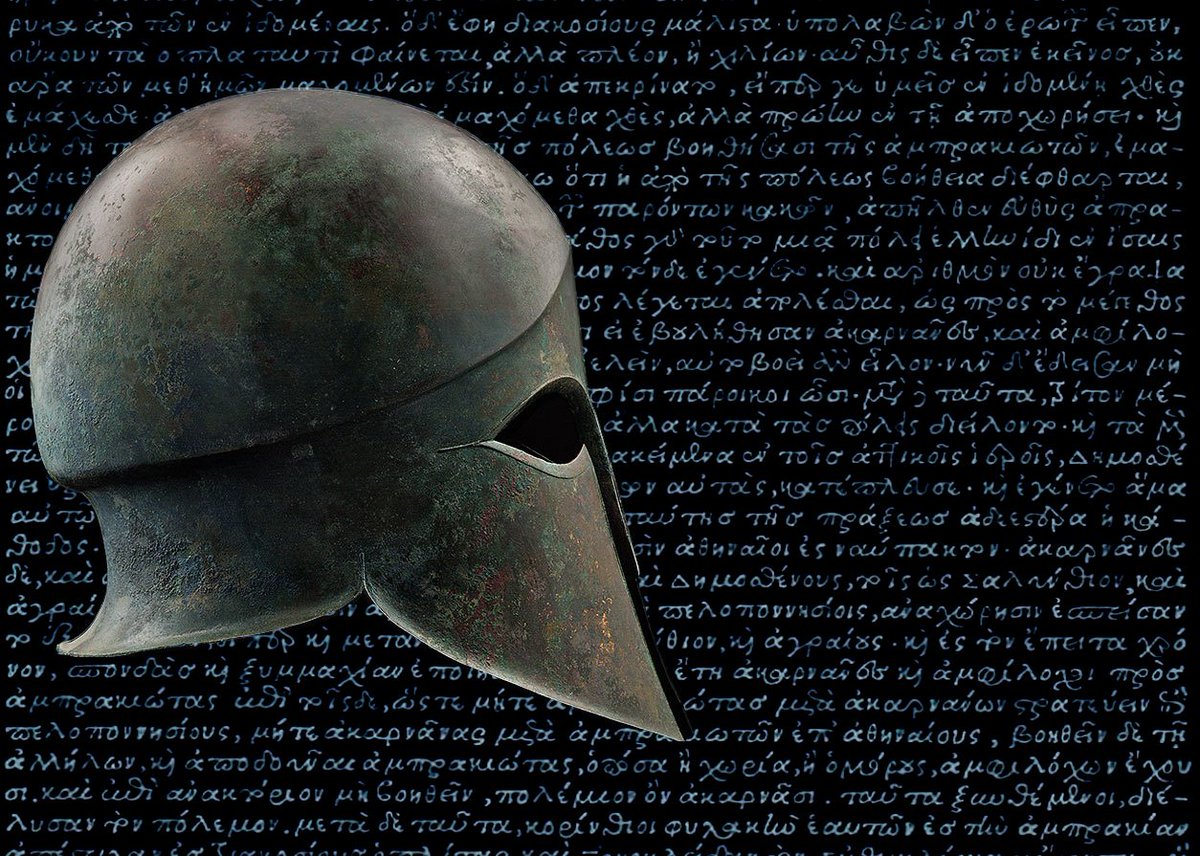
'Consider the vast influence of accident in war, before you are engaged in one. For the longer a war lasts, the more it becomes an affair of accidents and chances. Twists of fate that none of us can foresee, risks taken in the dark. It is a common mistake when entering upon a war to begin at the wrong end: rushing first to action, and waiting until you have suffered a disaster to actually pause and think.'
- Thucydides, Peloponnesian War (1.73)
I dazi di Trump sono la risposta alla svalutazione competitiva dell’euro (cioè della moneta che doveva evitare le svalutazioni competitive), ma lui vuole più svalutazione competitiva! 😂 Vi ricordate di quando vi dissi che l’euro non serviva a impedire la svalutazione della lira ma a favorire quella del marco? Ecco, oggi ve lo confessa candidamente anche lui: senza una qualche droga l’economia tedesca in piedi non sta, poverina, ma è strano che questo dato per noi evidente venga ammesso da chi la mitizza! 😂
Non si può fare! È in violazione dei Trattati!
(quante volte l’abbiamo ascoltato, quando si trattava di tasse, sanità, pensioni, istruzione?)
Poi scopri che li stanno facendo a pezzi, pur di mandare altri 90 miliardi a Kiev, con lo zampino della Bce.
Oggi su @LaVeritaWeb
Ancora? Se c'è stata "corruzione" è stato per indurli anzitutto a entrare nell'euro, che asfalta i paesi periferici (cioè che non producono abbastanza valore da scambiare con l'estero per allinearsi al livello di consumi, e di redditi, dei paesi "centrali"), con un illusorio "effetto ricchezza" (dato dal, peraltro transitorio, potere d'acquisto di una moneta troppo forte), che li spinge ad importare, nel caso anzitutto dalla Germania (automobili, ma, coessenzialmente, anche in un forte settore della difesa), indebitandosi commercialmente fino al punto da non avere più capacità (privata) di restituzione.
E i creditori finanziari privati, in euro, dell'eurozona, hanno voluto indietro fino all'ultimo centesimo. A qualunque costo...e tramite le regole predisposte dall'UE (che ha, ex post rispetto alla crisi da indebitamento con l'estero, appositamente creato l'ESM per garantire l'espropriazione di tutti gli assets greci): e quindi, in essenza, col divieto "fondativo" di bail-out degli Stati (che è un vero e proprio divieto di solidarietà tra paesi dell'eurozona, nonché un divieto di intervento della BCE, mentre il moral hazard del creditore - che ben poteva conoscere il livello di rischio del credito crescente concesso -, viene, normativamente, ritenuto del tutto irrilevante).
E pensare che tutto questo, molto più inavvertitamente (anzi, con forti invocazioni mediatiche), è stato altrettanto fatto con i paesi €uropei che prosperavano, o comunque progredivano, con un'economia capitalista con forti partecipazioni statali nel core industriale, e che non erano dipendenti dalle esportazioni di materie prime (e perciò meno vulnerabili). La normalizzazione neo-liberale fu realizzata, nella stessa direzione, mediante privatizzazioni, liberalizzazioni, distruzione progressiva del welfare e riforme permanenti del mercato del lavoro. Per preparare l'avvento della moneta unica, cioè la convergenza; o per farne pagare le conseguenze a chi, incautamente, vi fosse entrato senza "fare i compiti a casa" (trattamento Grecia).
Quando hai un unico istituto emittente, - indipendente puro, immerso nella monocultura della moneta neutrale e adespota, e del ripristino degli effetti sociali disciplinanti del gold standard, verso un intero continente ritenuto in preda alle "Costituzioni socialiste" https://t.co/mWTSZplFBZ - , non hai bisogno di minacce esterne da parte di altre istituzioni sovranazionali che non siano quelle create dal trattato a cui hai aderito festosamente.
L'Italia è riuscita nel non comune compito di passare per entrambe le fasi punitive (convergenza e "correzione" della crisi di bilancia commerciale travestite da problemi di debito pubblico), senza dover nemmeno premere troppo sull'acceleratore della costante macelleria sociale (tranne le "annate d'oro" dei governi Amato-Ciampi e di quello Monti, che stabilirono, a propulsione crescente, la velocità di rotta, peraltro tenuta poi fedelmente negli anni successivi).
Ed essere fra i "punishers" non è neppure servito ai paesi "virtuosi" ad evitare di essere asfaltati con le transizioni verde e digitale, avendo pensato, sbagliando, di poter dominare il processo di cinesizzazione delle catene globali di produzione (ossia la globalizzazione, oggi un groviglio inestricabile, nonostante le apparenti "contromisure"), nonché di farla franca con il gas russo a basso costo.
Naturalmente, questo vale a livello popolare, per le masse dei subalterni: le oligarchie liberali cosmopolite, rispettive, tutt'ora si sentono trionfanti.
Oggi, visto che non riescono a stare dentro ciò che loro stessi hanno imposto, i tedeschi dicono che bisogna tenere conto delle emissioni durante tutto il ciclo di vita dell'automobile, non solo allo scarico.
Ah, bene! Allora leggono La Verità (quasi due anni dopo)! #2035
THEY’RE BUILDING THE MACHINE THAT ENDS CAPITALISM AS WE KNOW IT
OpenAI needs $1.4 trillion. Not wants. NEEDS.
Their $20 billion revenue today must become $650 billion or the entire operation collapses. That’s 32x growth in 5 years while their flagship model already ranks 95th as competitors match performance at 20% lower cost.
The math doesn’t math.
But here’s the real nightmare: To power this AI arms race, America needs 25 to 40 new nuclear reactors operational by 2028. Not approved. Not planned. OPERATIONAL.
That’s rewiring the entire US energy grid in 36 months for machines that may never generate the promised returns.
JPMorgan’s confidential models confirm what insiders whisper: OpenAI burns $46 billion through 2029 while the “nonprofit” mission that earned public trust got gutted into a profit-maximizing corporation. The original foundation now holds just 26% stake. Tax benefits secured. Accountability vaporized.
SoftBank just printed $16.6 billion in paper gains on a valuation built entirely on future promises, not present profits.
Every American household will see this in electricity bills by 2027. Every taxpayer already subsidizes the semiconductors. Every ratepayer funds the reactors.
Meanwhile, China watches and builds their own version, unshackled by profit requirements or public markets.
This isn’t a company anymore. It’s a referendum on whether artificial general intelligence justifies restructuring civilization itself.
The venture capitalists betting trillions believe superintelligence arrives by 2029 and solves everything: cancer, climate, poverty, mortality itself.
They’re probably wrong.
But they’ve already spent your money proving it.
If Q1 2026 revenue misses by 10%, the world’s most valuable startup becomes the most expensive collapse in technological history.
The fuse is lit. The blast radius is global. And nobody voted for this.
Full Deep Dive here - https://t.co/PE95dYgrw9
A Warning from History.
A year after WW1 ended, A French Pilot, Jacques Trolley de Prévaux, flew an Airship from the Belgian coast to the devastated battlefields of France where millions died.
Lost for decades this is part of what he saw remastered in color and HD.
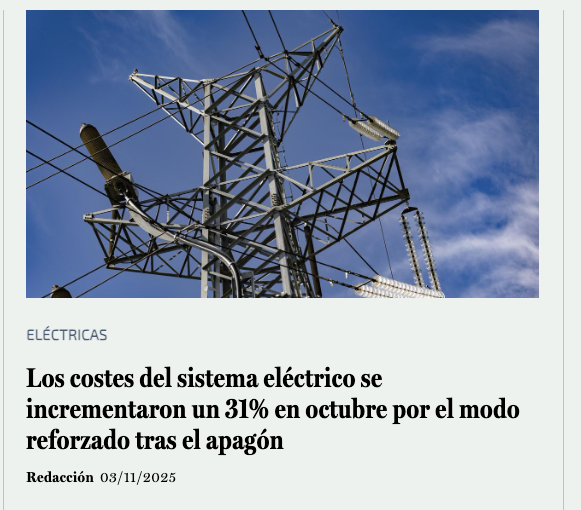
I costi del sistema elettrico (spagnolo, ndr) sono aumentati del 31% a ottobre a causa della modalità potenziata dopo il blackout.
Ma non ditelo a nessuno. 😇😇😇
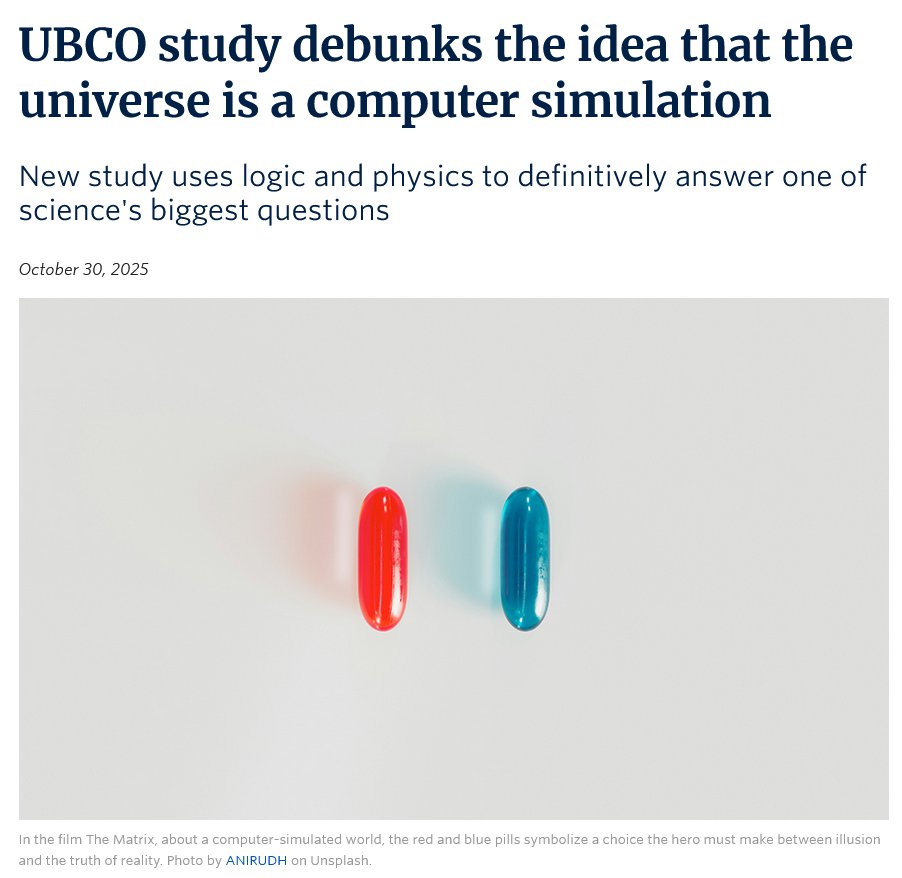
Researchers have mathematically proven that the universe cannot be a computer simulation.
Their paper in the Journal of Holography Applications in Physics shows that reality operates on principles beyond computation.
Using Gödel’s incompleteness theorem, they argue that no algorithmic or computational system can fully describe the universe, because some truths, so called "Gödelian truths" require non algorithmic understanding, a form of reasoning that no computer or simulation can reproduce.
Since all simulations are inherently algorithmic, and the fundamental nature of reality is non algorithmic, the researchers conclude that the universe cannot be, and could never be a simulation.
OpenAI employee:
"the agent builder we released today was built end-to-end in under six weeks, with Codex writing 80% of the PRs"
this matches the AI-2027 report's 2026 forecast:
- coding automation goes mainstream
- agents work like teammates
- AI R&D is 50% faster from algorithms, not just compute