This must be an incredible job!
Just imagine being the one to open the doors of the Sistine Chapel and take in all its breathtaking beauty before anyone else, first thing in the morning!
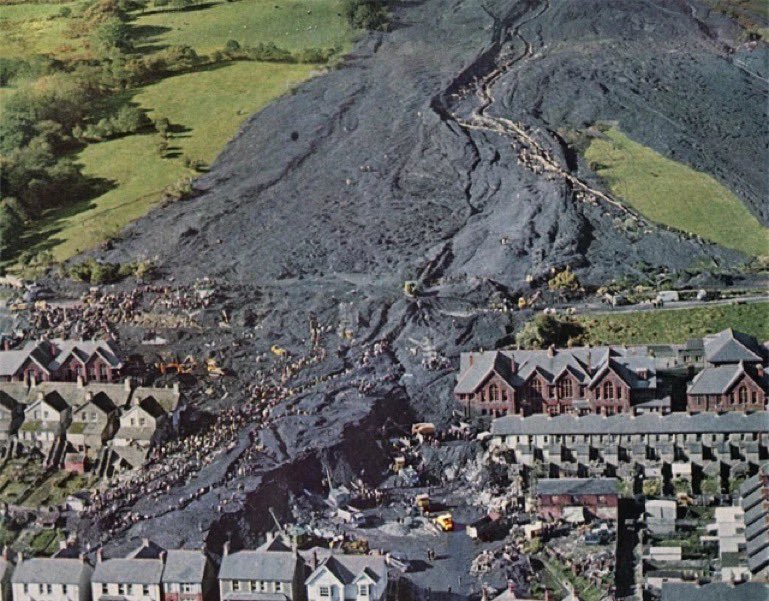
At 9.15 am on Friday, October 21, 1966, a waste tip above the mining village of Aberfan in the valleys of Wales in the UK began to slide down the mountainside, firstly destroying a farm cottage and killing all its occupants. It then approached Pantglas Junior School, where the children had only just returned to their classes after their morning assembly.
The waste tip had been created on a mountain slope which overlaid a natural spring. Heavy rain led to a build-up of water within the tip which caused it to suddenly slide downhill as a slurry.
The slide - containing over 150,000 tonnes of slurry - then engulfed the school and about 20 houses in the village, killing 144 people, including 116 school children and 28 adults.
News of the tragedy travelled fast and hundreds of people stopped what they were doing and headed to Aberfan to try and help with the rescue. It was futile, as nobody was rescued alive after 11am and it was nearly a week before all the bodies were recovered.
Queen Elizabeth visited the town in the wake of the disaster. It remains to this day one of the few displays of public emotion from the usually stoic monarch as she broke down in tears at the sheer tragedy. https://t.co/4YRZ9RiVd1
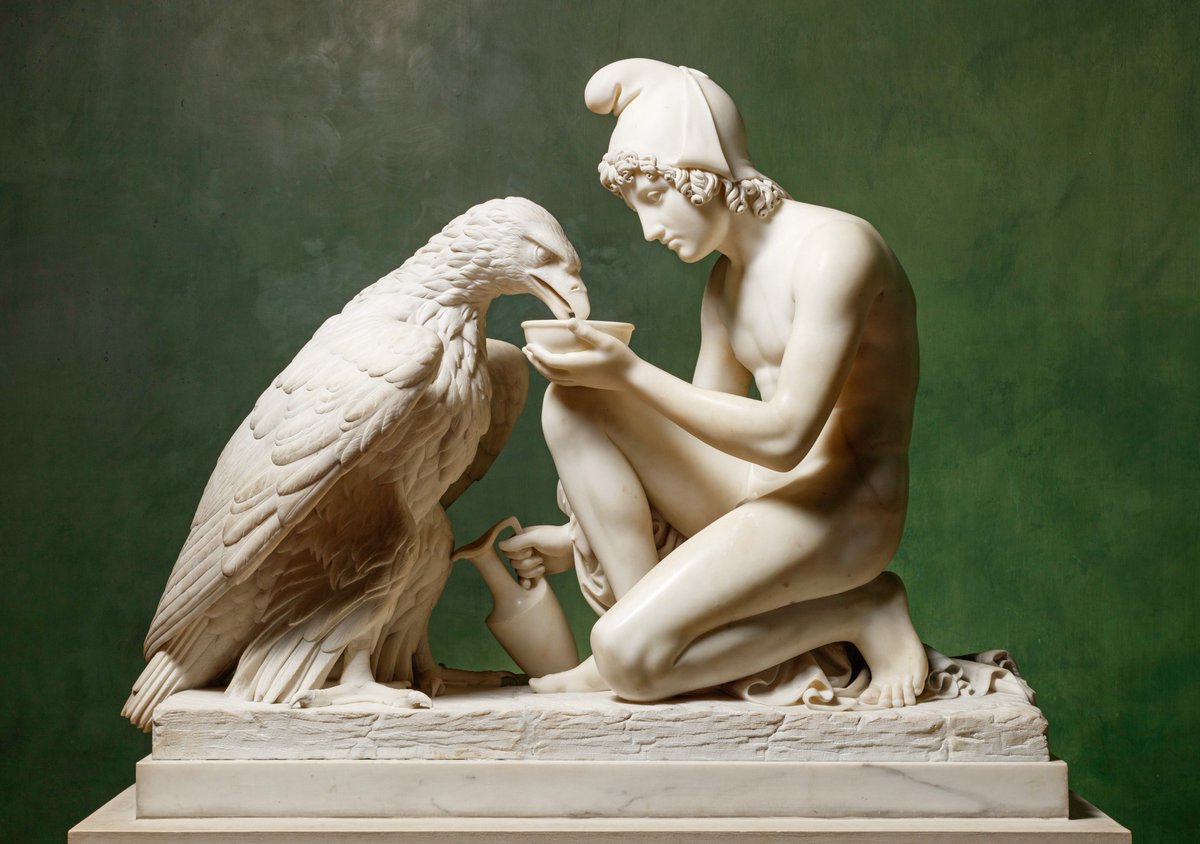
Ganymede offers a cup to Zeus in the form of an eagle. The shepherd boy Ganymede, most beautiful of all mortals, was abducted by the eagle of Zeus and carried to Mount Olympus where he became cupbearer to the immortal gods. Zeus later placed Ganymede in the sky as the constellation Aquarius (the water carrier), which is adjacent to Aquila (the eagle). Sculpted by Bertel Thorvaldsen, 1817.
This is first European map of Tenochtitlan, capital of Aztec Empire, made in 1524 CE, and a mural of city made by Diego Rivera in 1945.
City, which was built on an island in what was then Lake Texcoco, left Hernán Cortes' men in awe and many of them wondered if they were dreaming.
#archaeohistories
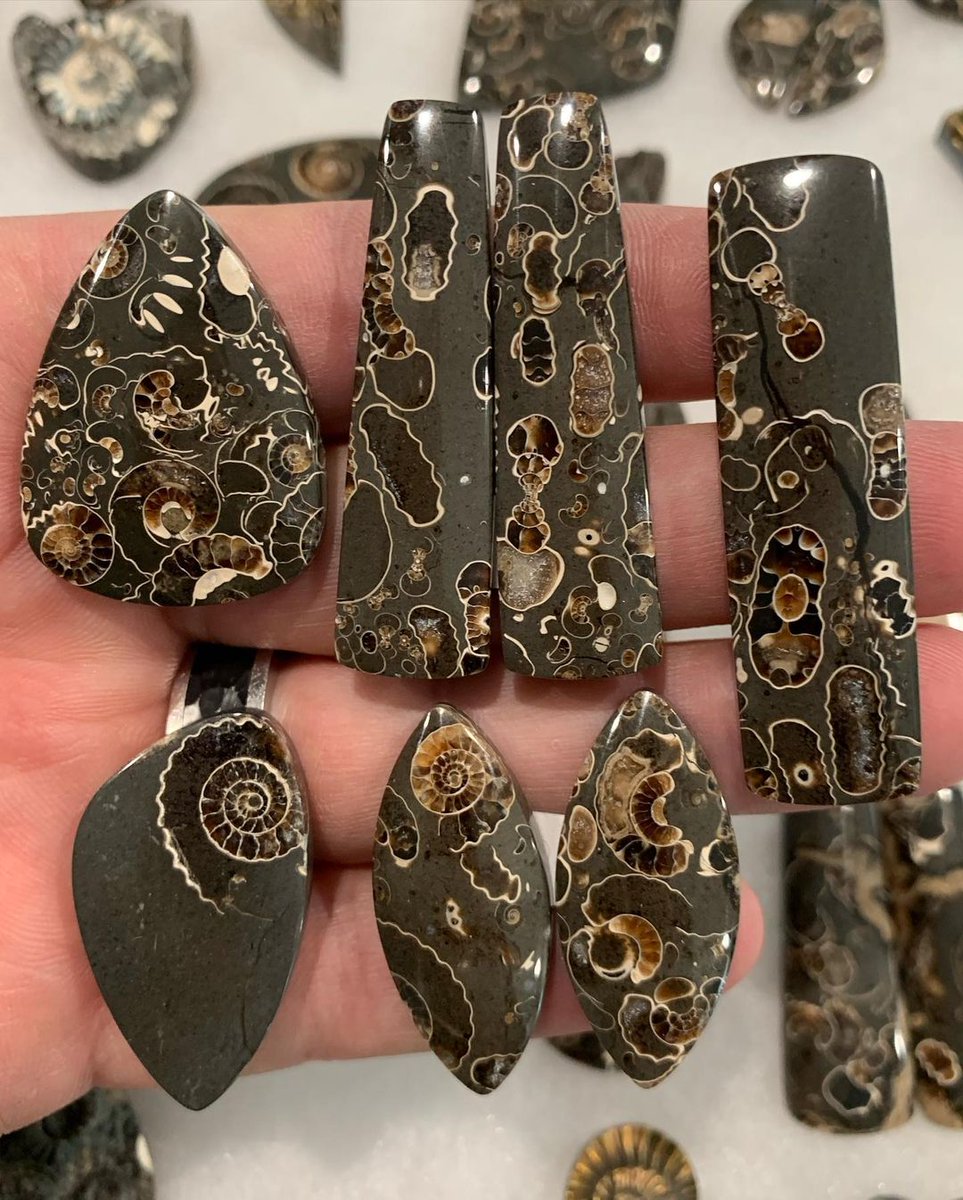
“Marston marble” is not actually a marble at all, but a conglomeration limestone of tiny, rare ammonites from the Jurassic Period, approximately 200 million years old. from Somerset, England
Photo: Rare Earth Mining Co.
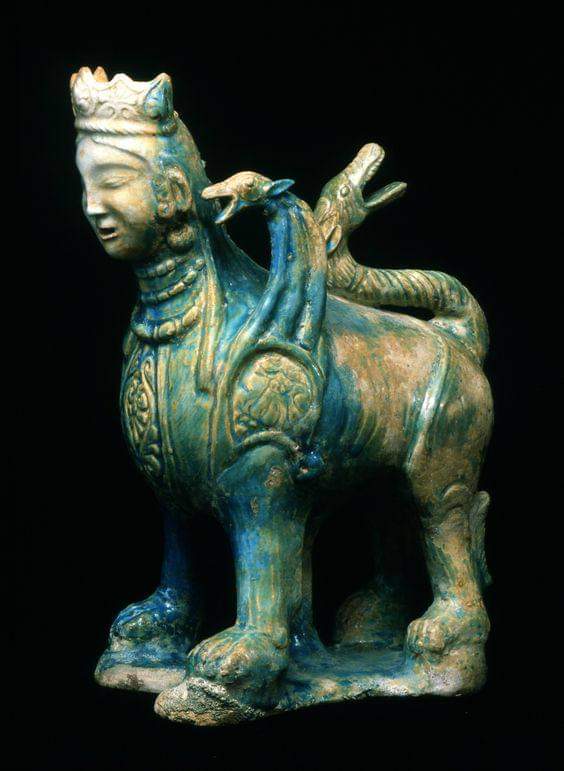
Sphinx carved fritware, painted in an opaque white and turquoise glaze, dated 12th Century CE.
It was found in Rafiqa, Syria in 1924. This sphinx was once a fountain figure, it has a pipe inside to carry water up to figure's head.
National Museum of Damascus
#archaeohistories