Our research is focused on chloroplast biogenesis in plants: the import of nucleus-encoded proteins, and the role of ubiquitin-dependent regulation by CHLORAD.
Excited to share some of my PhD research, "TOC159 receptors use a galactolipid-specific bipartite signal for chloroplast targeting in Arabidopsis thaliana" now published in @CommsBio
https://t.co/Zhqo8E7NT2
🌾Researcher Spotlight:
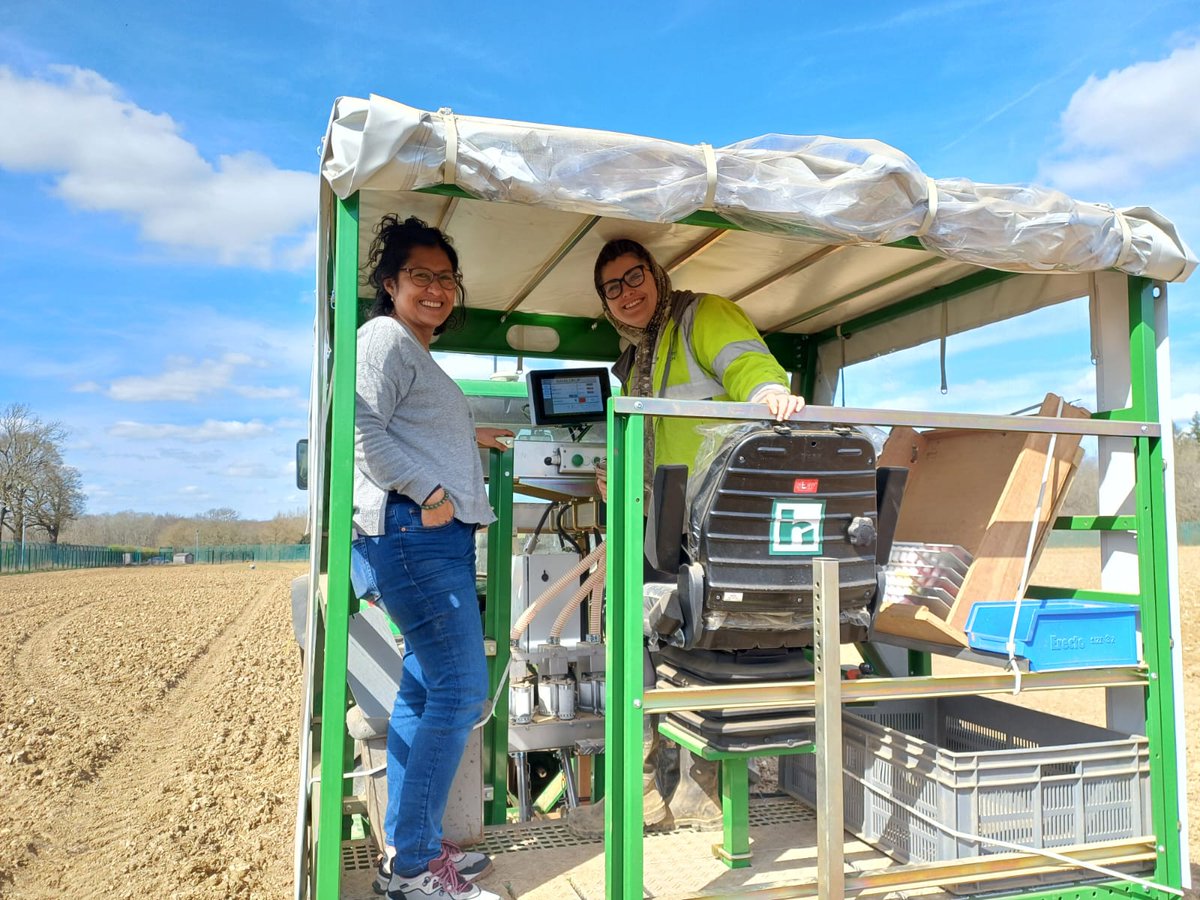
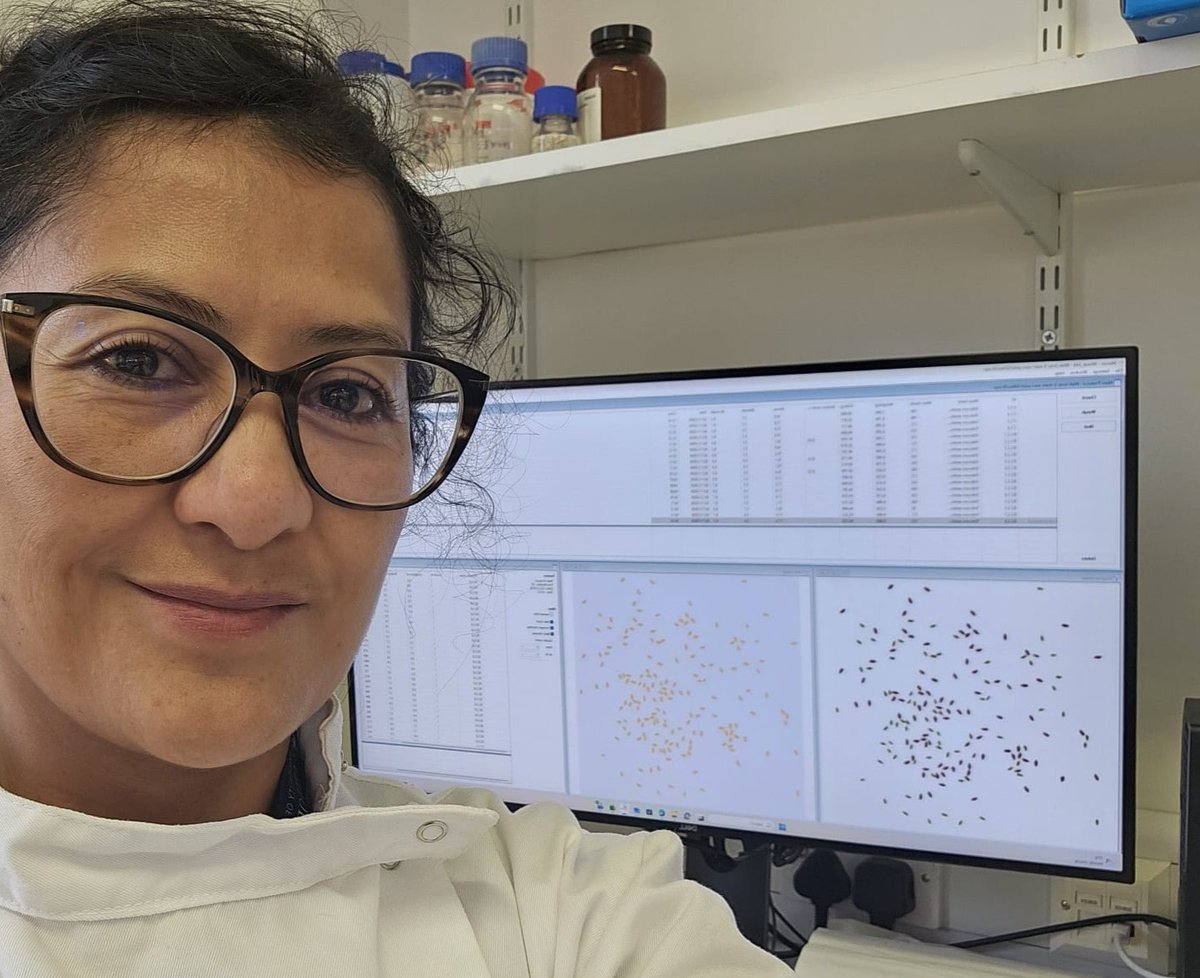
Meet Ursula who is using the CHLORAD pathway to improve crops. She has developed “stay-green” wheat that photosynthesises longer for better yields and stress tolerance, with field trials in the UK and close collaborations with industrial partners.
🌱Another Exciting Opportunity!
The Jarvis Lab is recruiting a Research Assistant to study the assembly of the chloroplast-associated protein degradation (CHLORAD) machinery.
Application Deadline: 12 noon, 24 November 2026
Apply here: https://t.co/14gTXsnAYK
🌱Exciting Opportunity!
The Jarvis Lab is recruiting a Postdoctoral Research Associate to study the structure and function of the chloroplast-associated protein degradation (CHLORAD) machinery.
Application Deadline: 12 noon, 24 November 2026
Apply here: https://t.co/6Rzgz9krVZ
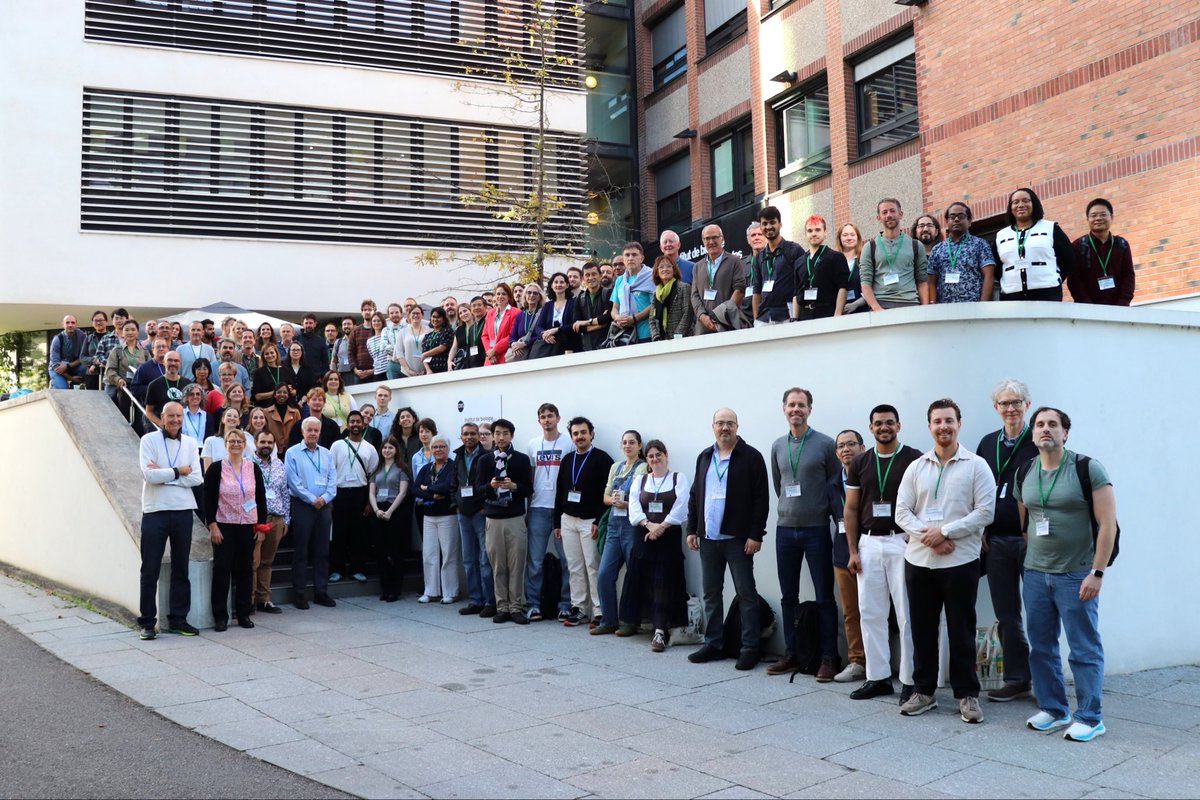
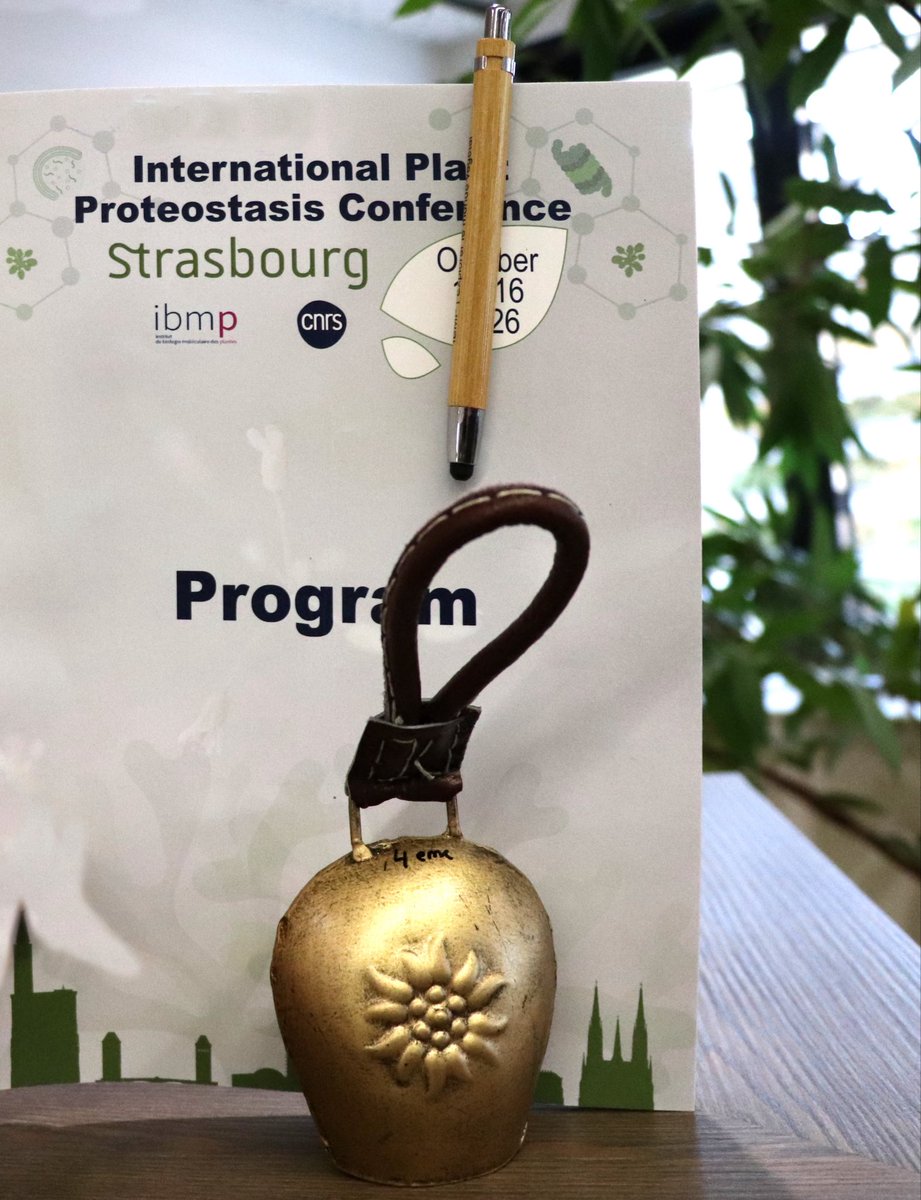
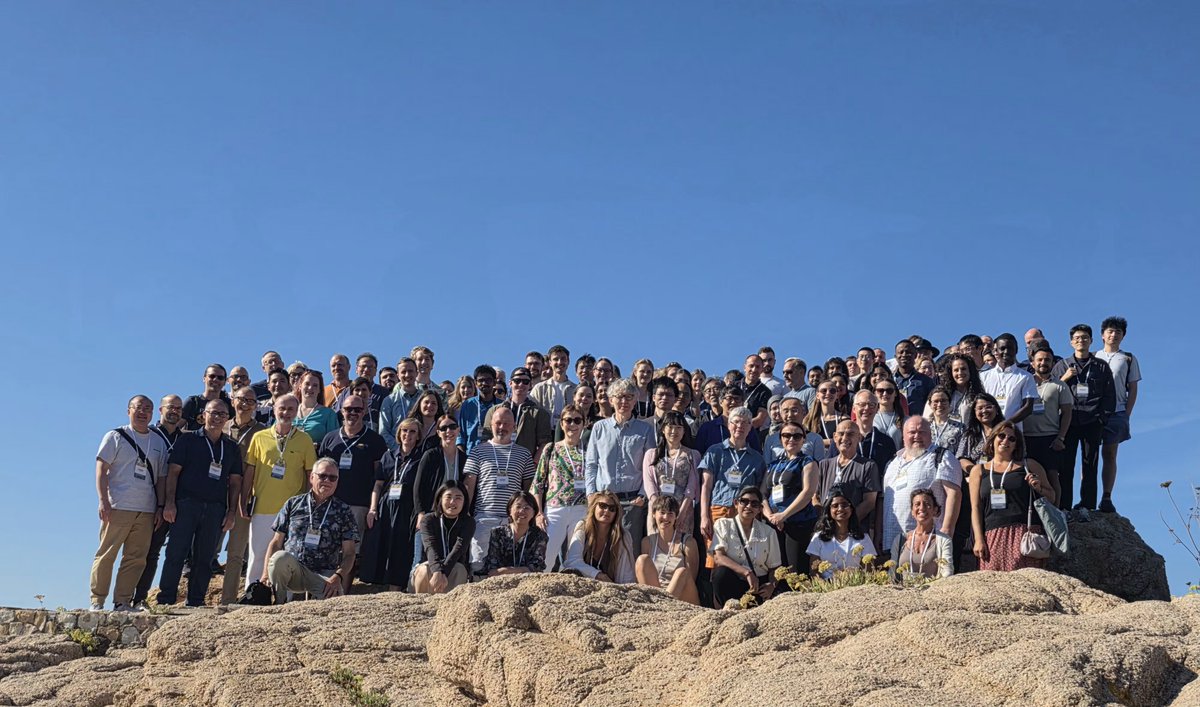
🌱 It was a pleasure sharing updates on our research in protein import into chloroplasts and its regulation by the ubiquitin-proteasome system at the 5th International Conference on Plant Proteostasis in Strasbourg. Until next time!
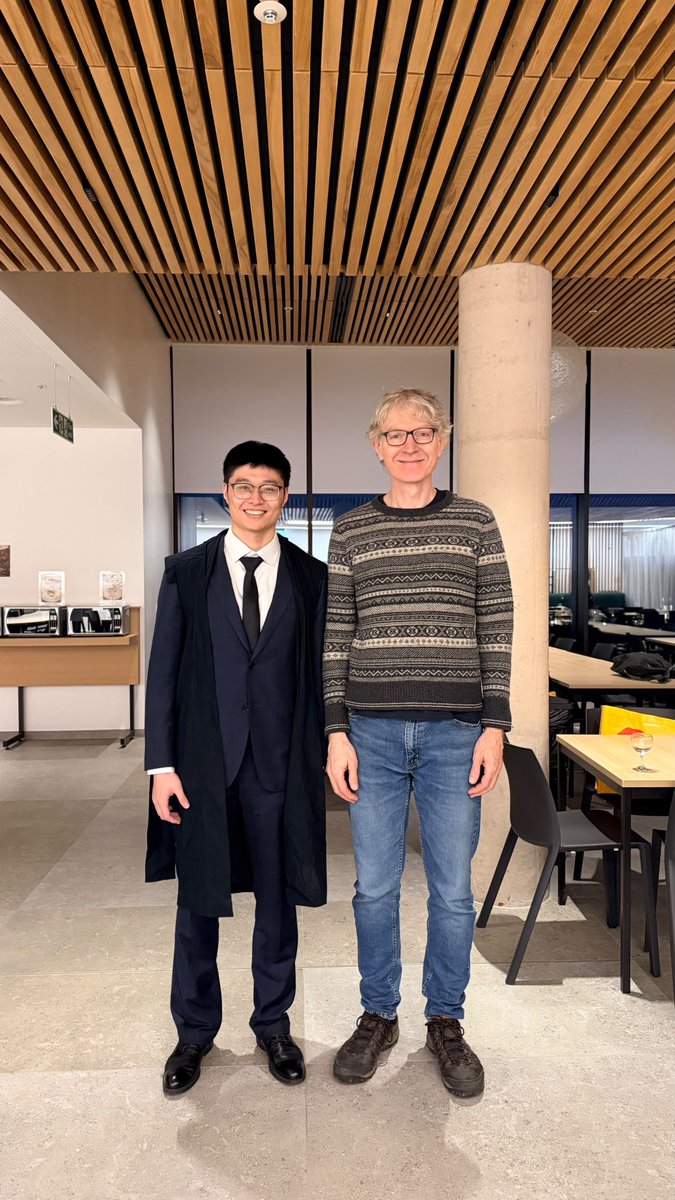
Congratulations to Shuyang Cheng on the successful completion of his DPhil viva today! 👏
We are delighted to celebrate this important milestone and all the hard work that has gone into your research. Well done, Dr. Cheng! 🥂 @ShuyangC87304
🌱Our new preprint in @biorxiv_plants uncovers a novel role for Toc90 in regulating chloroplast senescence and photosynthetic protein abundance in Arabidopsis.
📄:https://t.co/jFBT5cCRzq
🌱 New paper in @TrendsPlantSci, "Ubiquitin signalling redefines nutrient trade-offs in crops". Engineered E3 ligases rebalance root-shoot growth and pair cold tolerance with better phosphate uptake, a new route to climate-resilient crop breeding.
📄: https://t.co/l79DR2zTnF
Pleased to contribute to this @NatureComms review by @PaulJarvisLab comparing ERAD, mitochondrial quality control pathways, and CHLORAD, highlighting conserved mechanisms and organelle-specific adaptations. https://t.co/NYViBHc93T
Check out our new review of Cdc48-dependent proteolysis at the ER, mitochondria and chloroplasts, now published in @NatureComms:
https://t.co/9hoPDKc03l
🧪Researcher Spotlight:
Meet Anne, a DPhil student investigating the role of CDC48 adaptor proteins in the CHLORAD pathway, and Nic, a visiting student from Heidelberg, who is assisting Anne in studying the roles of specific TIC components in chloroplast protein import.
Yesterday we said goodbye to Mudassar, a visiting postdoctoral researcher in the Jarvis Group studying the role of TOC75 in TOC complex assembly. Wishing you the very best in your future endeavours! @AwanCemb16318
Celebrating our colleague, Weifeng Zhang today who received the Star in Plants Award from the Molecular Plant Biology Section of @OxfordBiology@UniofOxford for his contributions to research on CHLORAD!
Congratulations, Weifeng!
Our new study characterizes the assembly of two functionally distinct chloroplast protein import complexes (TOC-P and TOC-N) in the outer membrane of plant chloroplasts.
Huge thanks to @IvanAhelLab and @SKhalidLab, for a fantastic collaboration!
https://t.co/StbrWOvcCa
🌱Exciting Opportunity!
The Jarvis Group is recruiting a Research Assistant to study the mechanism and structure of the chloroplast-associated protein degradation (CHLORAD) system.
Term: 3 years
Application Deadline: 12 noon, 19 June 2026
Apply here: https://t.co/VyKn1pSkho
Interested in protein targeting and translocation?
Register for the upcoming EMBO workshop set in the stunning Spanish resort near Girona/Barcelona (Eden Roch).
Deadlines: abstract submission (1st June) and registration (30th June)
https://t.co/zvInoSfeOY
Our new study characterizes the assembly of two functionally distinct chloroplast protein import complexes (TOC-P and TOC-N) in the outer membrane of plant chloroplasts.
Huge thanks to @IvanAhelLab and @SKhalidLab, for a fantastic collaboration!
https://t.co/StbrWOvcCa