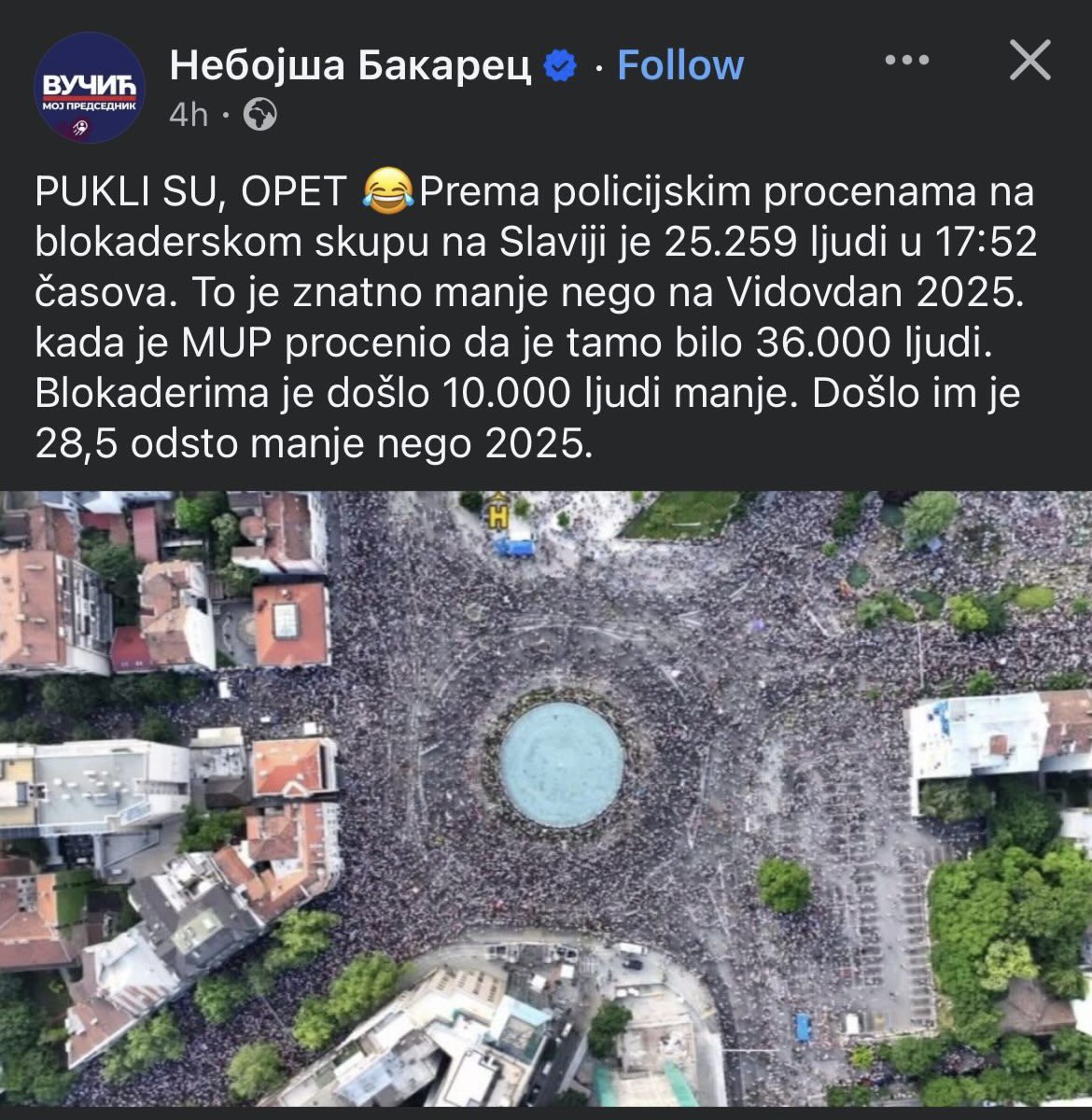
@biljanicaaa D’Hondt metod neproporcijalno daje više mesta najuspešnijoj listi što možemo videti po tom primeru. Zato svaki glas koji ne ode studentskoj listi, nego bilo kojoj opoziciji, daje veću šansu da SNS lista bude prva, time i da najverovatnije oformi vlast.
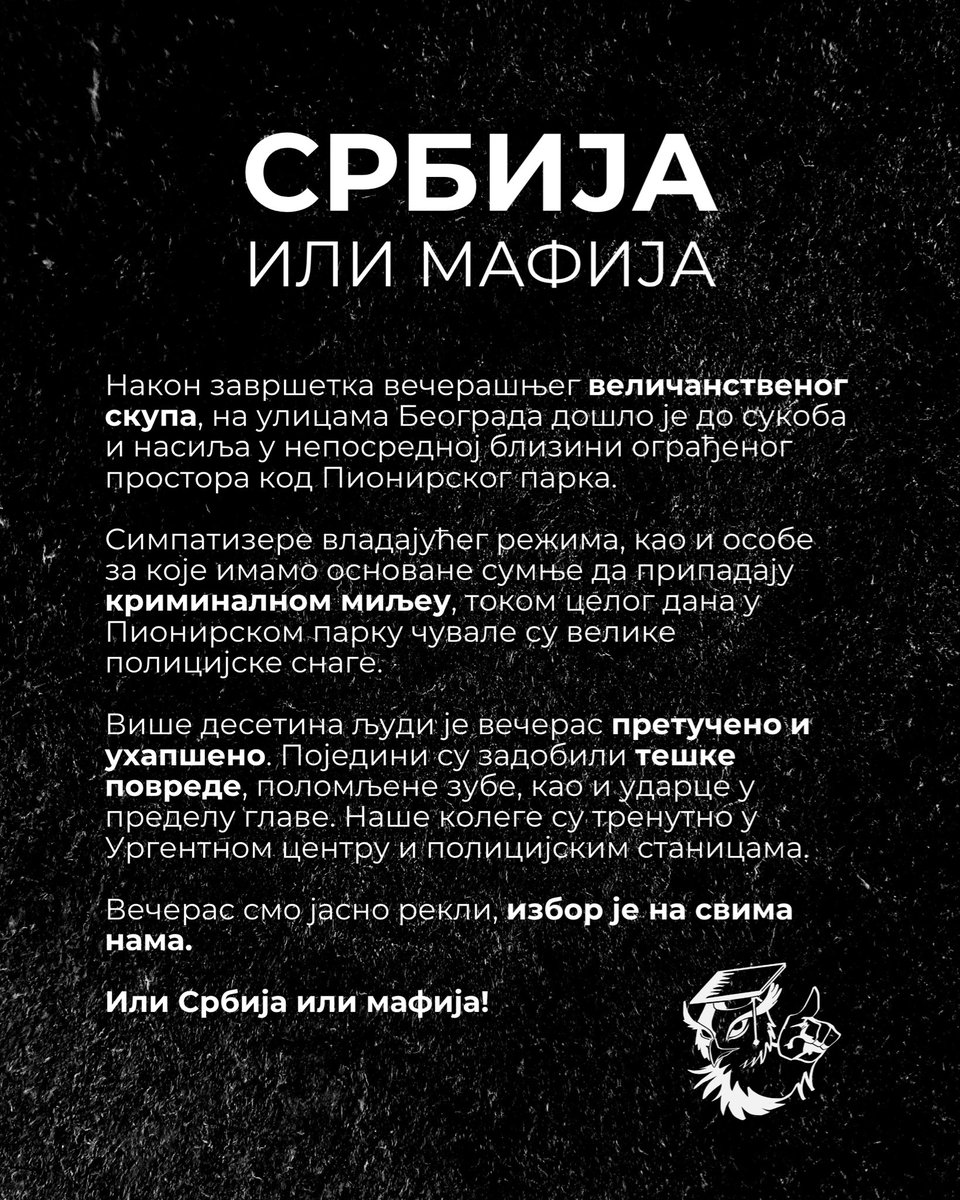
РАЗЛИЧИТИ У УВЕРЕЊИМА, УЈЕДИЊЕНИ У БОРБИ
Последњих дана сведочимо увредама, подсмеху и омаловажавању људи који су стајали у редовима како би се поклонили Појасу Пресвете Богородице.
Као покрет који окупља људе различитих уверења, сматрамо важним да подсетимо на једну једноставну ствар: право на достојанство не зависи од тога у шта неко верује.
Међу студентима и грађанима који већ скоро две године стоје раме уз раме налазе се православци, католици, муслимани, атеисти, агностици и они који своја уверења чувају за себе. Не делимо исте погледе на сва питања, и управо зато наше заједништво има посебну вредност. Не повезује нас истоветност, већ спремност да поштујемо једни друге упркос разликама.
Зато не прихватамо да било ко буде понижаван због своје вере, као што не бисмо прихватили ни да неко буде нападнут зато што не верује. Без обзира на то да ли човек снагу проналази у вери, науци, породици, заједници или неком другом животном ослонцу, његово достојанство мора бити полазна тачка сваког разговора.
Људе који стоје у редовима не треба посматрати кроз политичку или идеолошку призму. То нису „ови“ или „они“. То су наши суграђани. Међу њима има студената, радника, пензионера, родитеља, младих и старих. То су људи различитих уверења и животних путева, које је на исто место довела потреба за духовношћу, надом или молитвом.
Слобода уверења једна је од темељних вредности сваког демократског и слободног друштва. Друштво у којем се људи исмевају због вере није ништа боље од друштва у којем се осуђују зато што не верују.
Србија у којој желимо да живимо јесте она у којој су сви грађани једнаки; у којој се различитости не доживљавају као претња, већ као богатство; у којој има места и за оне који се моле у храму, и за оне који у храм не улазе.
Зато позивамо све да се уздрже од осуда, увреда и подела.
У том духу одјекује и мисао патријарха Павла: „Чувајмо се од нељуди, али се још више чувајмо да и ми не постанемо нељуди.“ Зато је важно да у другоме видимо прилику да преиспитамо сопствену меру човечности.
Јер друштво не градимо тако што једни друге делимо на „наше“ и „њихове“, већ тако што једни у другима препознајемо човека.
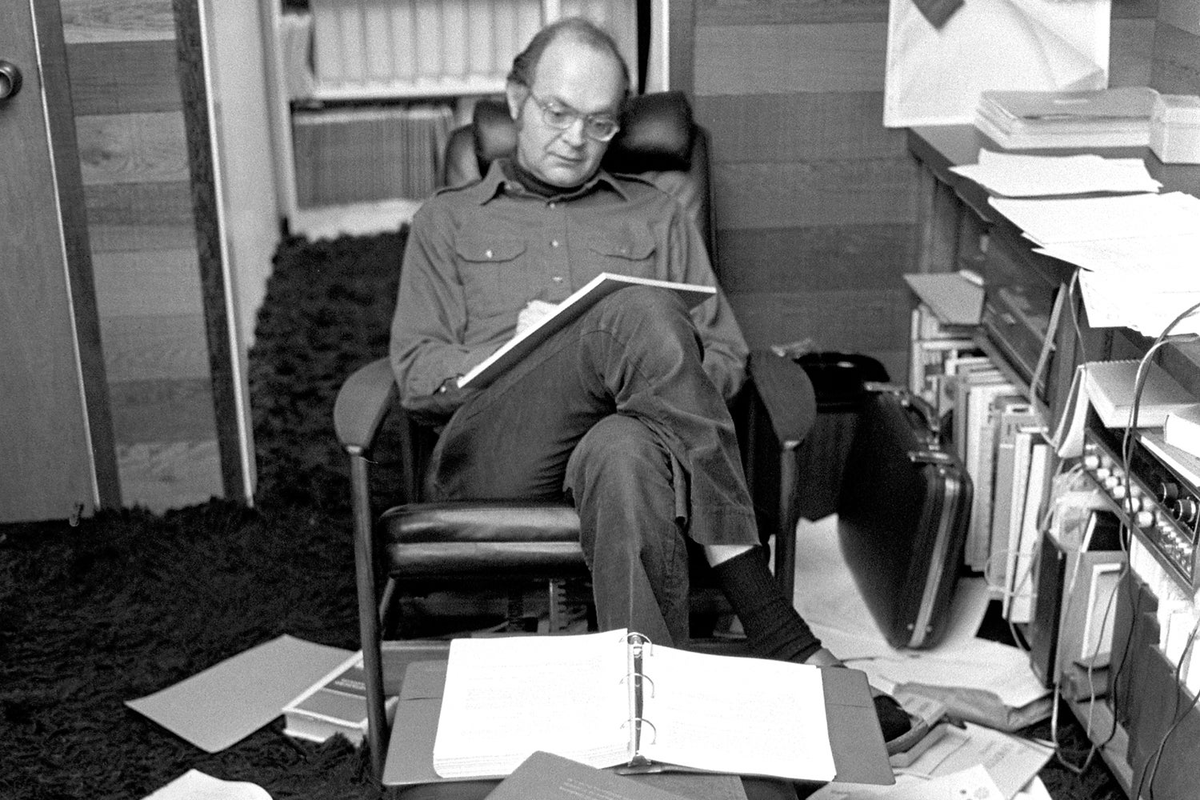
A computer scientist won the Turing Award at 36 and then walked away from almost every other project for the next 50 years to write one book that he has still not finished at age 88, and it may be the most important book in his field.
His name is Donald Knuth. He won the Turing Award in 1974, which is the closest thing computer science has to a Nobel Prize.
He was 36 years old. He had already written volumes one, two, and three of a book series called The Art of Computer Programming. He was the youngest person ever to receive the award at that point in its history.
Almost anyone else would have ridden that moment for the rest of their career. Founded a company. Sat on boards. Gone on speaking tours. Knuth did the opposite. He went back to his desk and kept writing.
He started the book in 1962. He was 24 years old. His publisher had asked him to write a short paperback on compilers. He sat down to outline it and discovered that to explain compilers properly he would have to explain the deeper algorithms underneath them first.
The short paperback became a draft outline of 12 chapters. The 12 chapters became a planned 7-volume series. The 7-volume series became the project he is still working on 63 years later.
Volume 1 came out in 1968. Volume 2 in 1969. Volume 3 in 1973. He was producing books faster than most academics produce papers. Then everything stopped.
In 1977 he received the printed proofs of the second edition of Volume 2. He looked at the pages and was so disgusted by how the publisher had typeset his mathematical notation that he could not bring himself to release the book.
The equations looked ugly. The fonts looked wrong. The spacing was off. He decided he could not in good conscience publish another volume of TAOCP until the typesetting problem was solved.
So he paused the book.
He stopped writing TAOCP and spent the next 8 years inventing TeX from scratch.
TeX is the typesetting system that every academic paper, every math textbook, every physics journal on earth now uses. Every PhD thesis in the sciences is set in TeX. Every paper on arxiv. Every equation in every paper Anthropic, OpenAI, and DeepMind have ever published. The system that the entire scientific publishing world runs on exists because one man refused to compromise on how the second edition of Volume 2 looked.
He gave the entire TeX system away for free. He never tried to commercialize it. He went back to writing TAOCP.
In 1992 he retired from Stanford at the age of 54. Most professors retire to slow down. Knuth retired to speed up. He explicitly said he was leaving teaching because he needed every remaining hour of his life to keep writing the book. He stopped using email on January 1, 1990.
He answers no calls. He takes paper mail only. He is on a personal mission to finish a multi-volume series that nobody is forcing him to write, on a deadline that only exists in his own head.
Volume 4A came out in 2011. Volume 4B in 2022. He is currently working on Volume 4C. Volumes 4D, 4E, 4F, 5, 6, and 7 are still ahead of him. He is 88 years old. He will almost certainly die before he finishes.
The thing that should haunt anyone reading this is the math of his choice.
Every modern incentive structure tells you to optimize for speed. Ship the imperfect version. Get it out the door. Iterate later. Move on to the next thing.
Knuth has spent 63 years doing the exact opposite. He pays a $2.56 reward in hexadecimal dollars to anyone who finds an error in his published books. Real checks, until check fraud made him switch to certificates of deposit. He treats every single error in every single volume as a personal failure. He revises. He rewrites. He goes back to fix issues that nobody else could have spotted.
He could have written 30 books in 63 years. He chose to write one.
The reason is the one almost nobody understands the first time they hear it. There is a category of work that loses all its value when it is done quickly.
A reference book that engineers will rely on for the next 200 years is not the same kind of object as a blog post that has to ship today. The slow project and the fast project look like the same activity from the outside. They are completely different games.
Bill Gates once said in an interview that if you can read the whole of TAOCP, you should send him your resume. He meant it. He was not joking. The man who founded Microsoft was telling the world that the rarest skill on earth is being able to finish a book that one man has spent his entire adult life writing for an audience that mostly does not have the patience to read it.
The book may never be finished.
The man writing it knows this and keeps writing anyway.
The work outlives the worker. That is the entire point.
Deo govora akademika Radomira Sajčića na Slaviji.
"Naučna istraživanja obezbediće širenje horizonta znanja, ali i industrijski razvoj, ne onaj koji se zasniva na subvencijama datim stranim firmama koje napuštaju zemlju čim subvencije prestanu, već na intelektualnim postignućima domaće inteligencije koja će ovladavati tehnologijama dvadeset i prvoga veka."
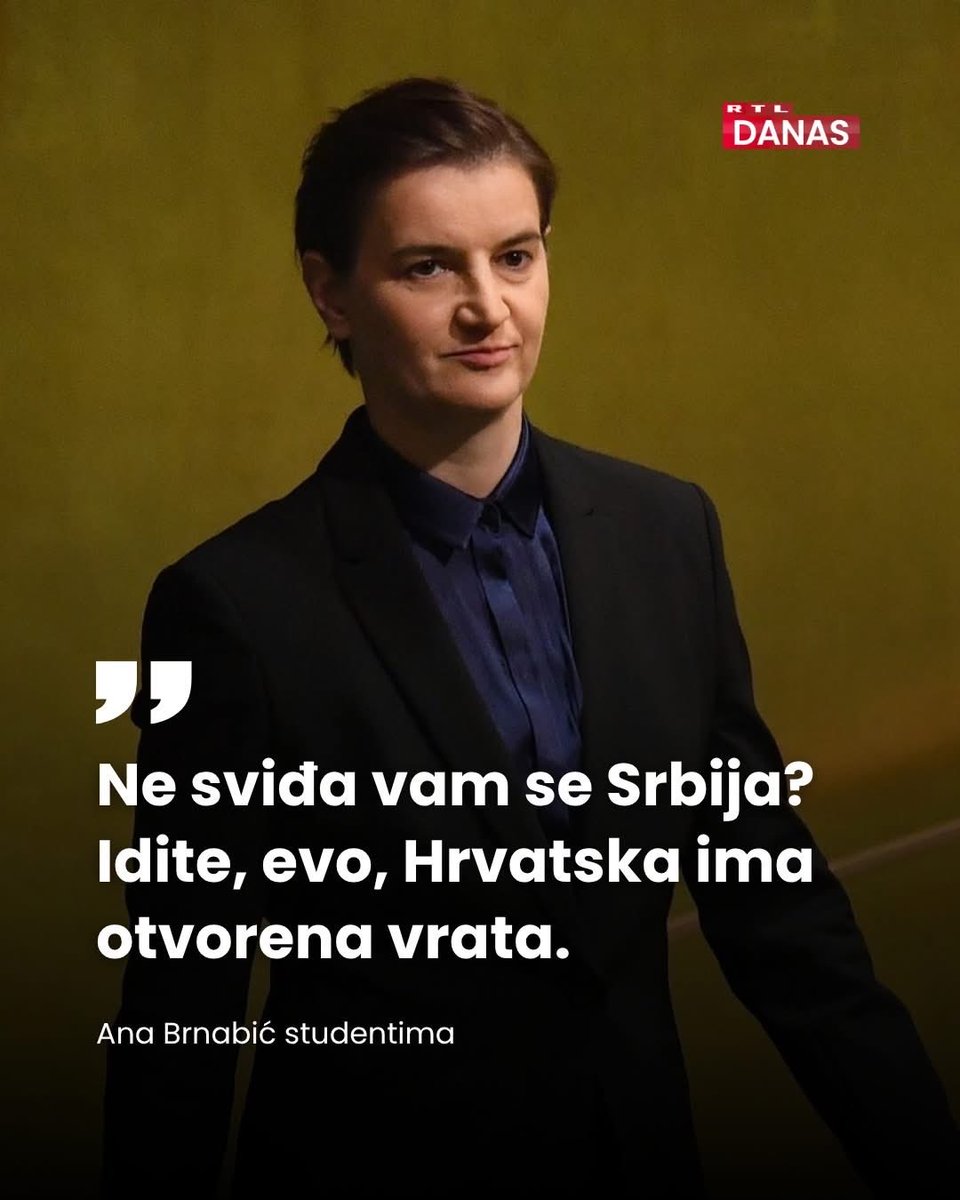
Замисли усташом те назива багра која три пута одбија да донесе резолуцију о усташком геноциду над Србима у НДХ и која неће чак ни да то назове геноцидом јер "то би значило наредн��х сто година лоших односа са Хрватима" (Вучић).
Спаси нас Боже ових што "бране" српство док 1/2