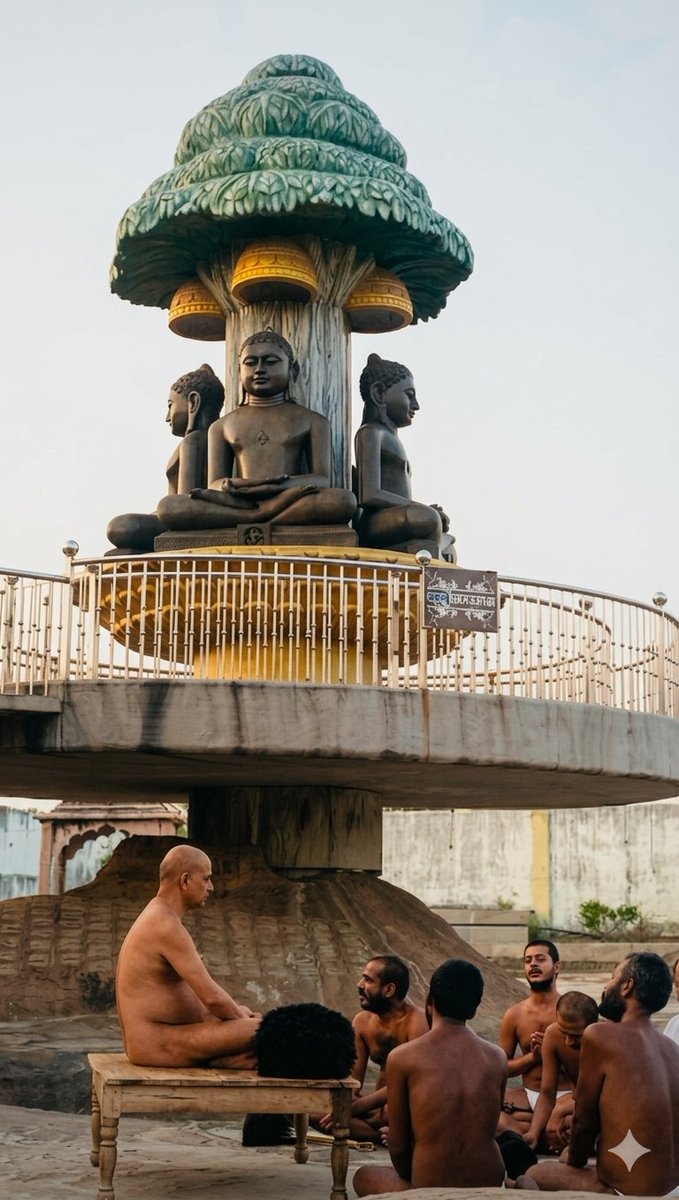
सावित्री बाई फुले पुणे विद्यापीठ के vice Chancellor द्वारा दिगंबर जैन मुनि अक्षय सागर जी को यूनिवर्सिटी में प्रवेश के लिए मना कर दिया गया, इसके पहले भी भारत के कई तथाकथित पढ़े लिखे लोग, भारत की प्राचीनतम जैन संस्कृति, दिगम्बर जैन धर्म के प्रति निम्न स्तर का रवैया ��िखा चुके हैं।
भगवान वर्धमान महावीर की 1,100 साल पुरानी एकाश्म ग्रेनाइट की मूर्ति दिखाई गई है, जिसे तेलंगाना में जैन धर्म की सबसे ऊंची मूर्ति माना जाता है। विवरणः नौ फुट ऊंची यह मूर्ति पारंपरिक कायोत्सर्ग (खड़ी) मुद्रा में उकेरी गई है स्थानः यह सिद्दिपे�� जिले के नांगुनुरु गांव के दक्षिण में
Parshvanatha Jain Basadi, Kabaturu
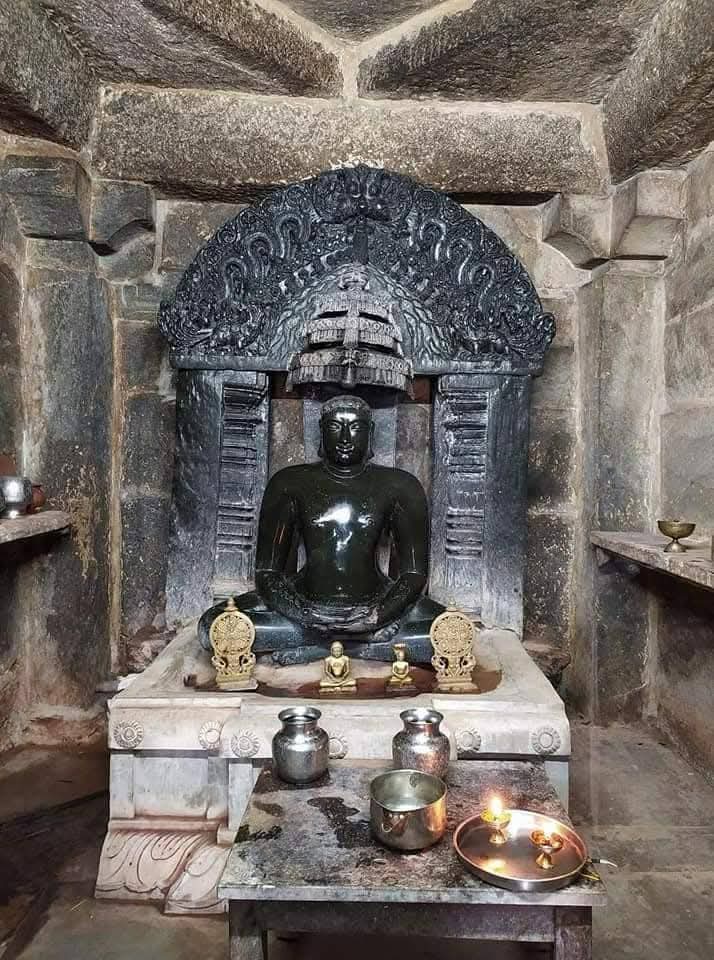
The Parshvanatha Jain Basadi in Kabaturu village, Soraba taluk, Shivamogga district, stands as a significant remnant of ancient Jain heritage and Kadamba-era architecture. Constructed in 1017 CE by Queen Mallaladevi, wife of Kadamba king Kirtivarma, the temple once symbolized the region's architectural grandeur.
Built primarily with laterite stone (locally known as jambitṭige), the Basadi features a sanctum housing a 1.52-metre-tall seated idol of Lord Parshvanatha, beautifully adorned with a multi-hooded serpent canopy and chamaradharis (attendants holding fly-whisks). The premises contain several inscriptions related to Jain monks who undertook the sacred Sallekhana vow (ritual fasting unto death).
Though historically linked to the Kadamba dynasty of Banavasi (3rd–6th centuries CE) and once an important centre of Jain culture, the Basadi has fallen into a state of neglect. What remains today are mostly brick ruins and scattered stone carvings lying exposed on the ground. Designated as a protected monument by the Archaeological Survey of India (ASI), the site has unfortunately lost much of its former glory and prominence within the Jain community due to inadequate maintenance and conservation efforts.
This once-magnificent temple is a poignant reminder of the need for urgent restoration. Preserving such invaluable cultural and historical treasures is essential to safeguard our shared heritage for future generations.
All my content in one place 🙌
If you enjoy Jain history, temples & dharmic content, stay connected across platforms ❤️
📌 Pinterest
https://t.co/IOktSa57Hh
📸 Instagram
https://t.co/r0gG46HVng
🎥 YouTube Shorts
https://t.co/91ObI4qEy5
📘 Facebook
https://t.co/aZ7QwS7v9P
🐦 Twitter / X
https://t.co/j2wlYvEkSx
Support by following & sharing 🙏
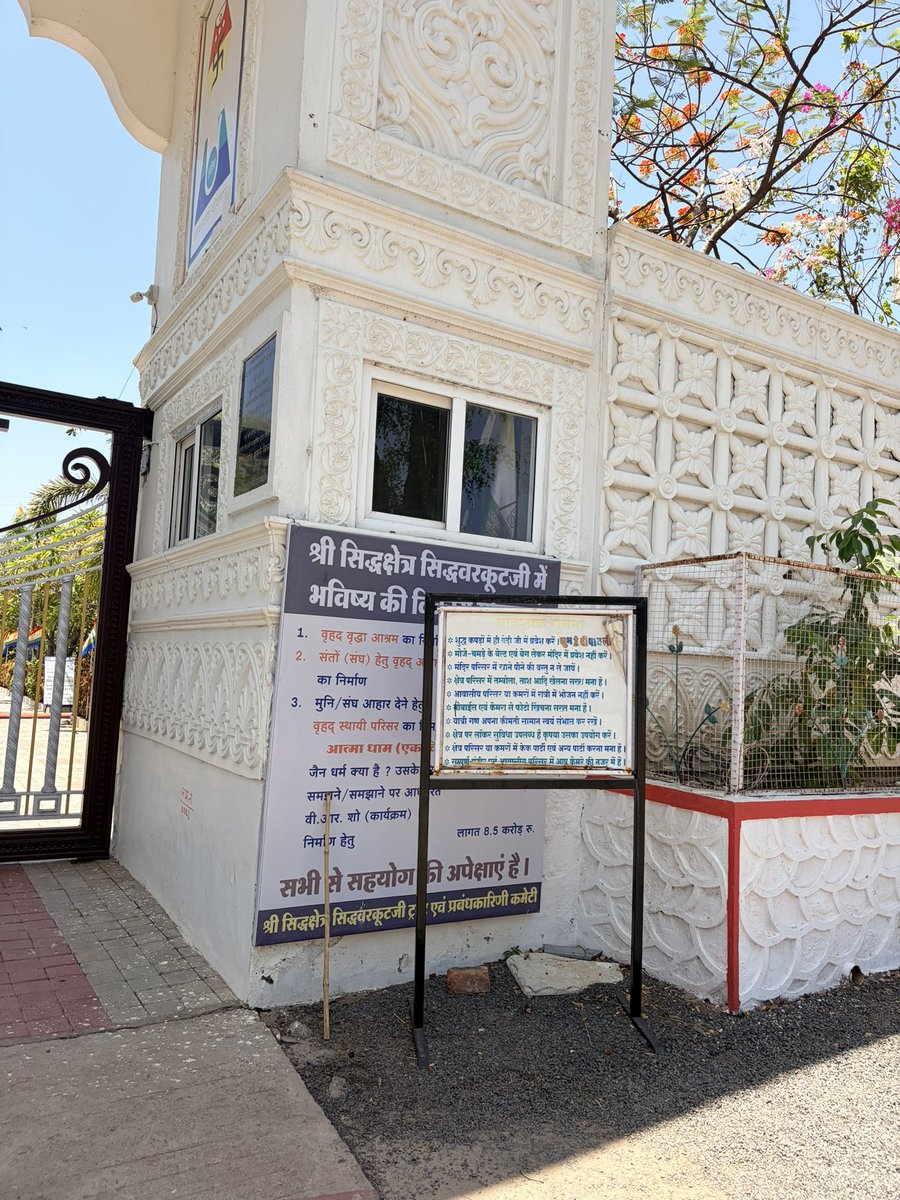
Siddhwar Koot Siddh Kshetra near Omkareshwar is celebrated as a moksha bhoomi, where 2 Chakravartins (universal emperors), 10 Kamdevs (divine figures of beauty), & 3.5 crore Jain ascetics are believed to have attained liberation as detailed in the Jain Granth Nirvankand
#Jainism
In JAINISM, GOD (TEERTHANKERS) aren't worshipped for their DIVINITY,
They are worshipped for their QUALITIES (गुण), which appear when their all KARMAS are shed by Rigorous Penance (तपस्या)। #Jainism
Today is Chaitra Krishna Navami , which is Adinatha Janma Kalyana.
While Magha Krishna Chaturdashi is Adinatha Moksha Kalyana, which is celebrated as Jina Ratri in South Indian Jain Tradition
Jainism in Sri Lanka
Jain Sources , Mahavamsa and Dipavamsa of Buddhism do describe a narrative where Jainism (referred to as Niganthas or Nigantha ascetics) had a presence in ancient Sri Lanka before early Buddhism.
Jain tradition maintains that the religion was well-entrenched in Sri Lanka long before the arrival of Mahinda (Ashoka's son) and the formal introduction of Buddhism.
Legendary Roots: Some traditions even link Jainism to the era of Ravana, claiming he was a pious Jain who erected a temple at Trikutagiri.
Jain sources often cite that Jainism flourished under the reign of 21 early Sri Lankan kings. This "21 kings" reference (roughly spanning the early Anuradhapura period, from ~4th century BCE into the 1st–2nd century BCE or slightly later depending on chronology) is the key point cited in Jain sources. It implies the site continued in use for generations before declining.
As Buddhism became the official state religion, the "Niganthas" lost their lands and social standing.
Many Jains are believed to have either migrated to the Jain strongholds of South India or were gradually absorbed into the growing Buddhist.
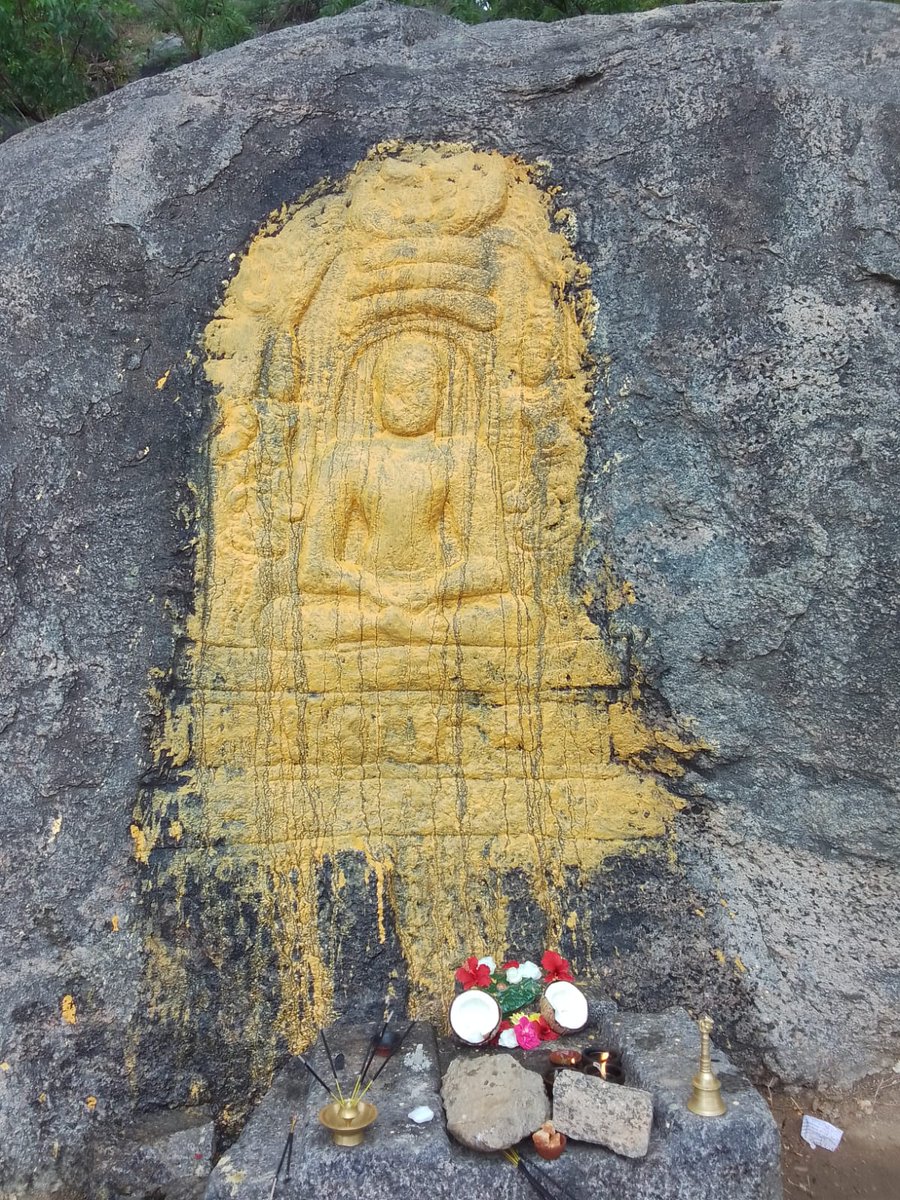
Iconography of many status here are similar to south Indian Jain Iconography