I ghostwrite for Series A / B founders, turning complex products into clear, credible growth narratives that support revenue and leadership credibility.
An investor hears your name. They look you up. They spend ninety seconds scanning whatever's there.
In those ninety seconds, they're answering three questions:
Does this person see the market clearly? Can this person recruit a room? What's the risk profile?
They're not evaluating your product yet. They're evaluating you.
And most founders have nothing there for them to find except a Series A press release from two years ago.
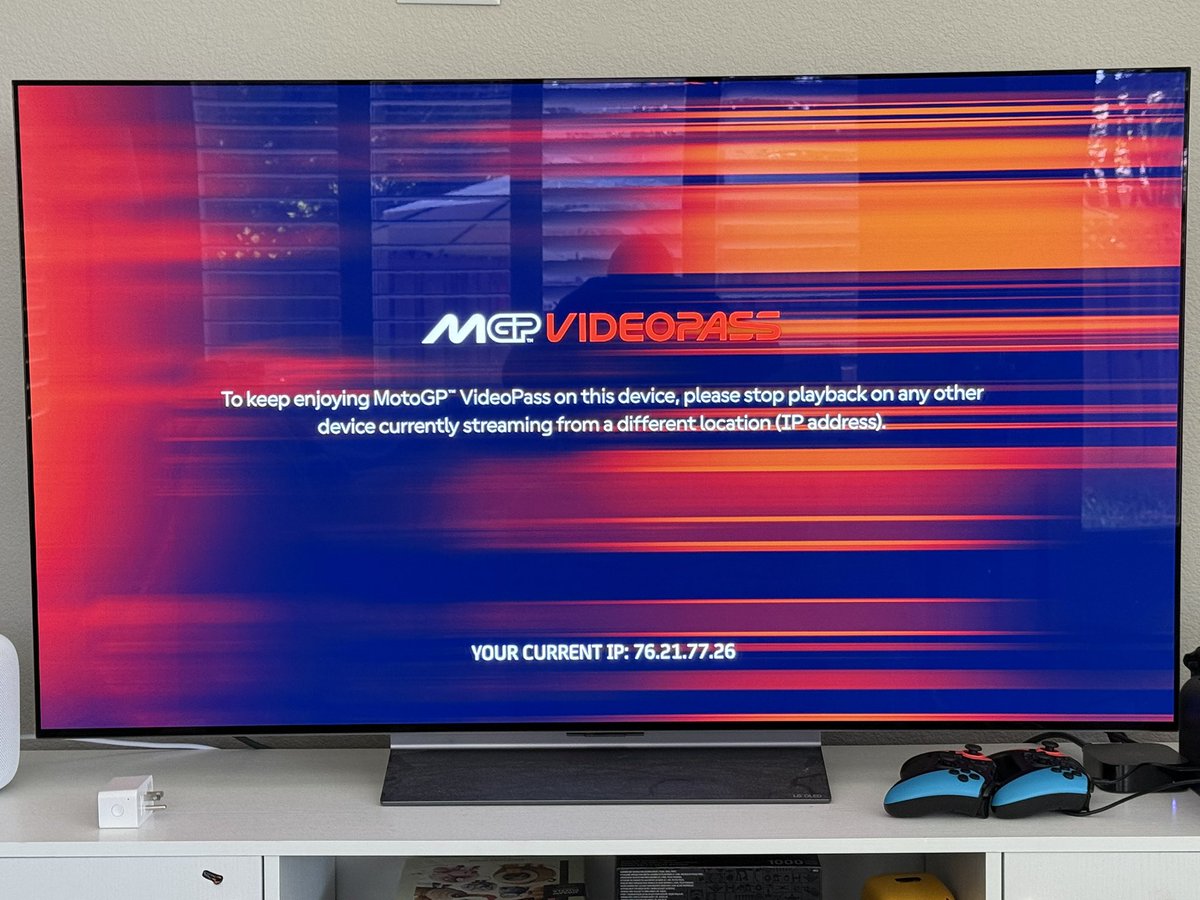
How is the @MotoGP app still so bad at delivering coverage?!!
Everyone I know in California has this problem, getting wrongly kicked out of the live feed every few minutes with a message falsely accusing them of watching on multiple devices.
Be more like the F1 app, which actually works reliably.
At some point after Series A, the founder's voice gets replaced by the company's voice.
The company's voice is safe. Approved. Forgettable.
The problem isn't that companies need a voice. The problem is that no one believes the company. They believe the founder.
And once you hand that off, it's very hard to get back.
Your voice is a strategic asset. Not a vanity project. Not "thought leadership."
It directly affects the three things you actually care about:
→ Capital — investors are evaluating you months before you're in the room
→ Revenue — buyers research the founder before they ever talk to sales
→ Talent — candidates have stopped trusting careers pages. They're evaluating you directly.
Something predictable happens after closing Series A.
The board meetings start. The org chart gets complicated. There's a Head of Marketing now, a comms person, maybe a PR agency.
And somewhere in that transition, the founder's voice gets replaced by the company's voice.
The company's voice is safe. Approved. Forgettable.
But the market doesn't stop forming opinions about you just because you stopped showing up.
https://t.co/PejoI6NuYI
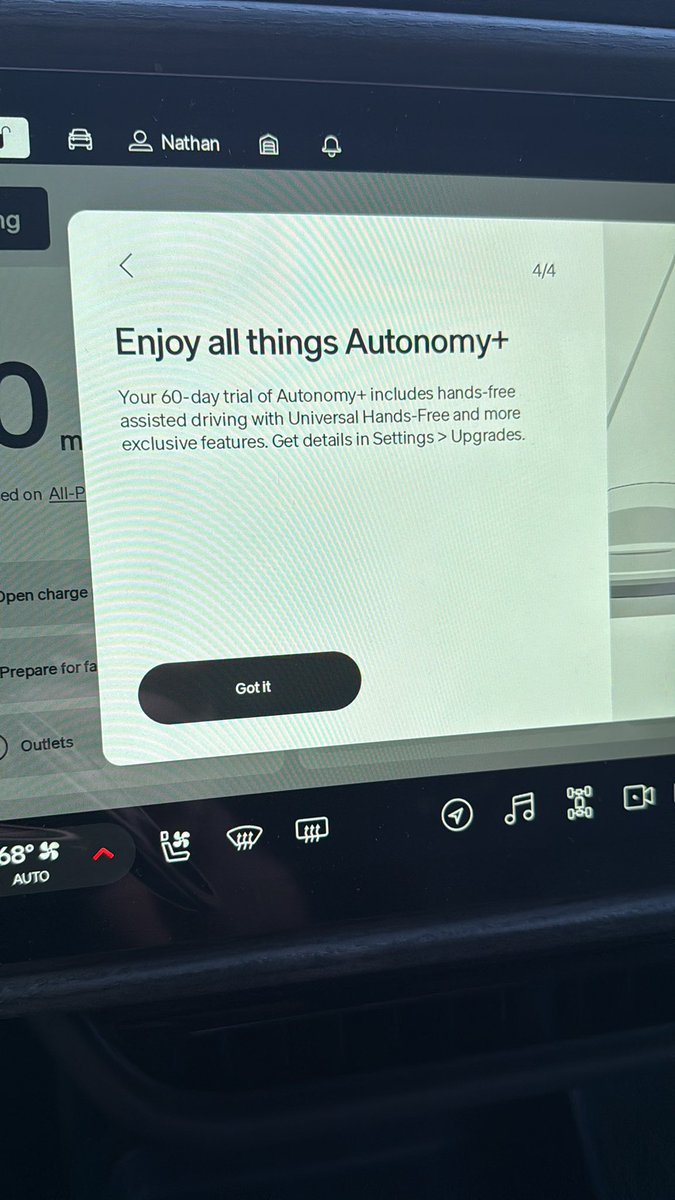
Unbelievable, @Rivian.
Taking a feature away from its drivers (universal hands-free) and selling it back to them…
I guess my next lease will be with a different manufacturer, because I don’t give money to jerks.
@ChatGPTapp just now, on @salesforce .... LOL 😂😂😂
Every Salesforce instance eventually becomes:
▶︎ 200 required fields nobody trusts
▶︎ 12 pipeline stages that all mean “🤷♂️”
▶︎ Notes nobody reads
▶︎ Dashboards nobody believes
▶︎ And one heroic SDR with a Google Sheet “just to keep it straight”
The tragedy isn’t Salesforce itself.
It’s that companies confuse control with signal.
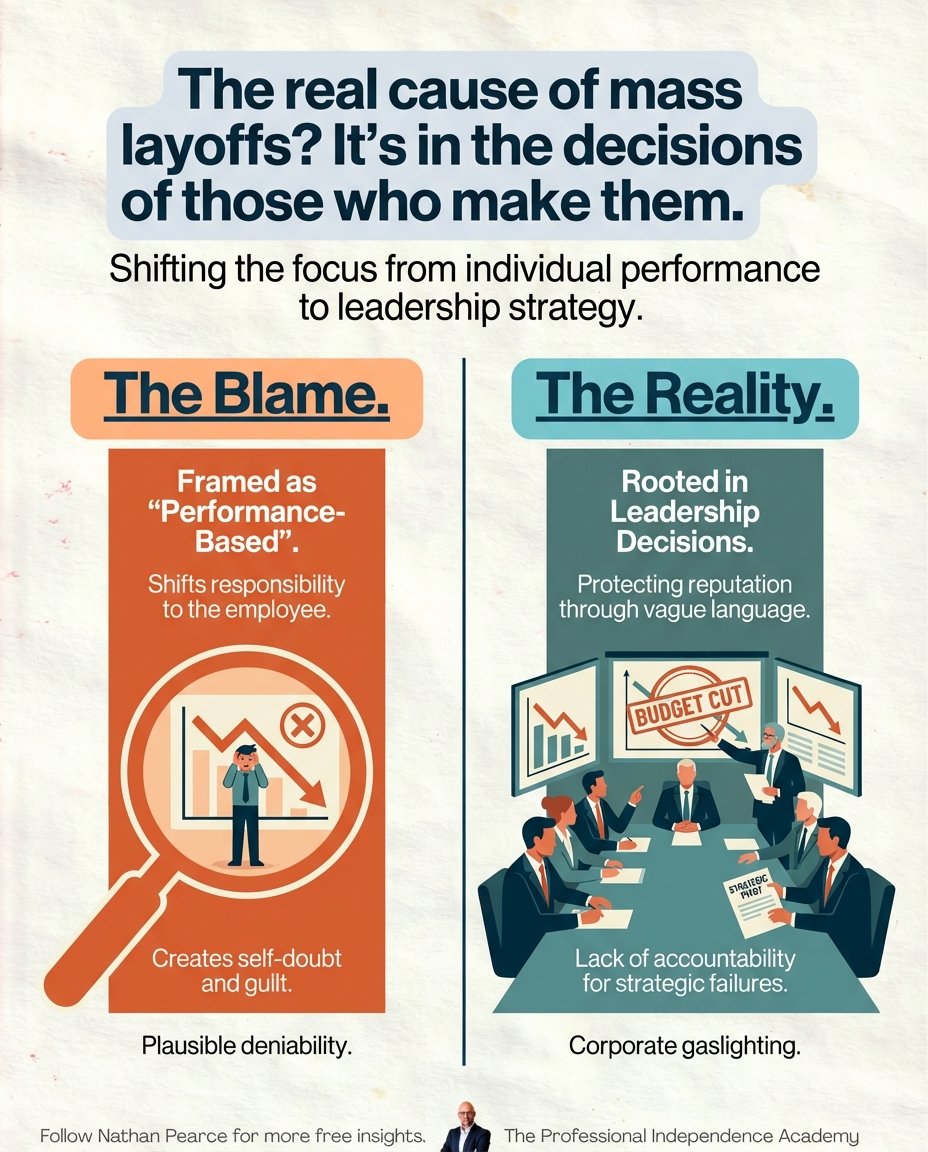
Calling layoffs “performance-based” without specifics isn’t transparency.
It’s reputation management.
Leadership avoids accountability
and employees absorb the doubt.
That damage lasts longer than the layoff.
It’s layoff season.
Most people respond by applying harder.
That’s the mistake.
Recruiters don’t read resumes anymore, they search.
If your language doesn’t match what they’re hunting for, you don’t exist.
Layoffs aren’t performance-based.
They’re spreadsheet-based.
When the music stops,
stellar reviews don’t save you.
Visibility outside your employer does.
Most bad outcomes don’t come from bad intentions.
They come from reacting while triggered.
Clarity before you respond prevents damage you can’t undo.
Think clearly.
Respond intentionally.
Get Clearheaded: https://t.co/A60Nseo3V7
I ignored my network until March 2020 forced me to use it.
People still showed up.
And I realized how lucky, and careless, I’d been.
Your network isn’t for emergencies.
It’s something you earn before you need it.
A toxic leader doesn’t need to be loud or cruel.
They just need to be good at managing up
and invisible to the people who sign their checks.
That’s how damage hides in plain sight.
Note to CEOs:
Your executives know how to manage you.
The question isn’t whether you trust them.
It’s whether you’ve verified what life looks like three levels down.
Culture doesn’t break at the top.
It erodes where leaders stop looking.
If you need a vacation to tolerate your job,
you don’t have a job problem.
You have a boundaries problem.
Time off shouldn’t be a pressure release valve.
It should be rest.
Build work that respects your life—or burnout just waits.
At Series A/B, people trust the founder more than the company.
When founders go quiet, that trust doesn’t move to the brand.
It evaporates.
Your voice is still the moat—especially when the company starts to scale.
Try the free 5-day email course today:
"5 Mistakes Founders Make With Their Personal Brand"
https://t.co/YozrU3DCDZ