Making a splash! 🌊QUB is ranked #1 in the UK and 14th globally for UN SDG 14: Life Below Water by @timeshighered — recognising the contribution of our staff, students & partners to marine sustainability 🐟🐢
#ImpactRankings#SDG14
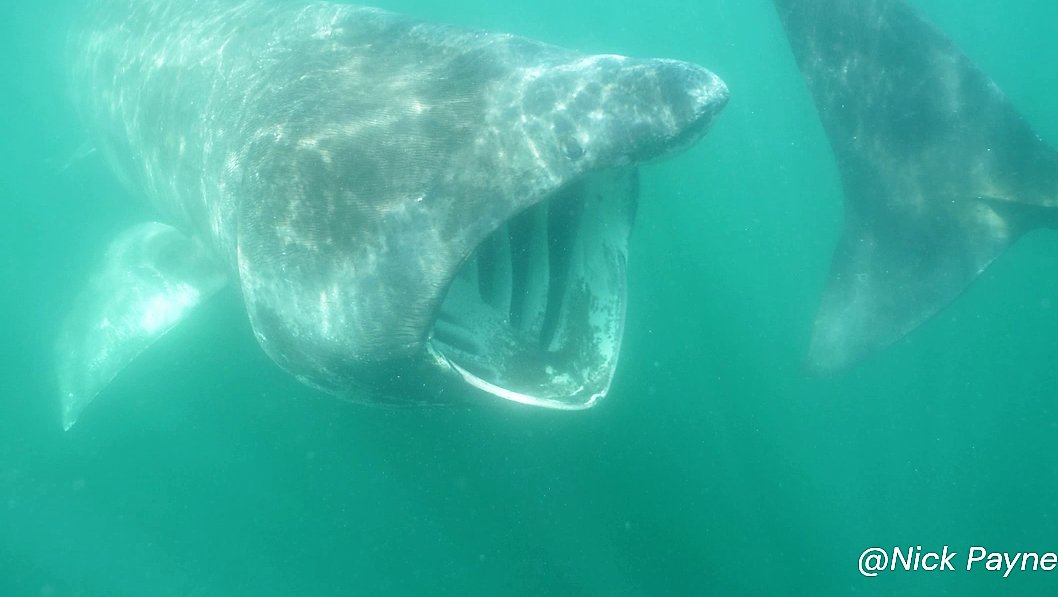
Our new paper in Animal Biotelemetry shows acoustic telemetry's role in monitoring basking sharks, revealing cross-border connectivity, annual site fidelity, hotspots, and potential grouped movements @SEUPB@SeaMonitor1@QUBelfast@EdinburghNapier https://t.co/9N1LqSRFWV
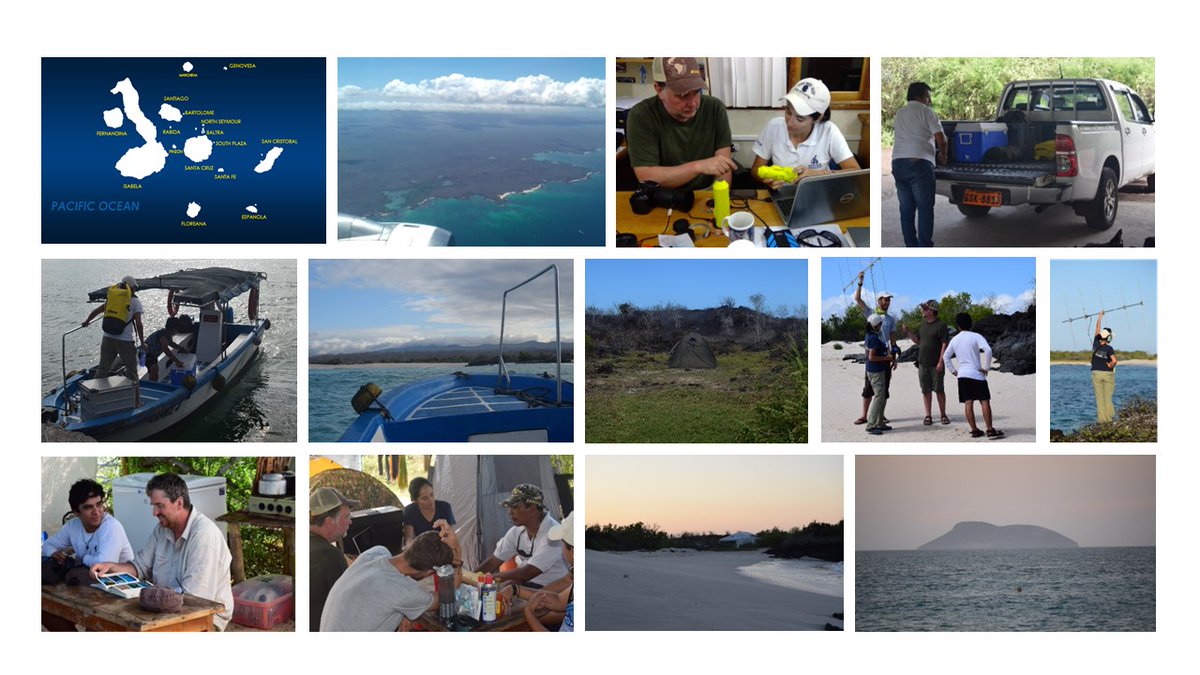
🚨New Publication in Marine Pollution Bulletin on sea turtles & underwater noise conducted under natural conditions in the Galápagos. Sea turtles increase their vigilance in the presence of vessel noise but do not undertake evasive behaviours. 🏝️🛥️🔊https://t.co/ZpztHkYx1M
New Paper available through @ESR_IR. By combining ultrasound images with hormone analysis, we were able to investigate the reproductive traits of the #flapperskate (D. intermedius). This approach suggests females lay pairs of eggs over winter. https://t.co/cji15ohs4N
What an amazing Open Day! Thanks to each person who took the time to come and visit us - we counted over 400 visits!!
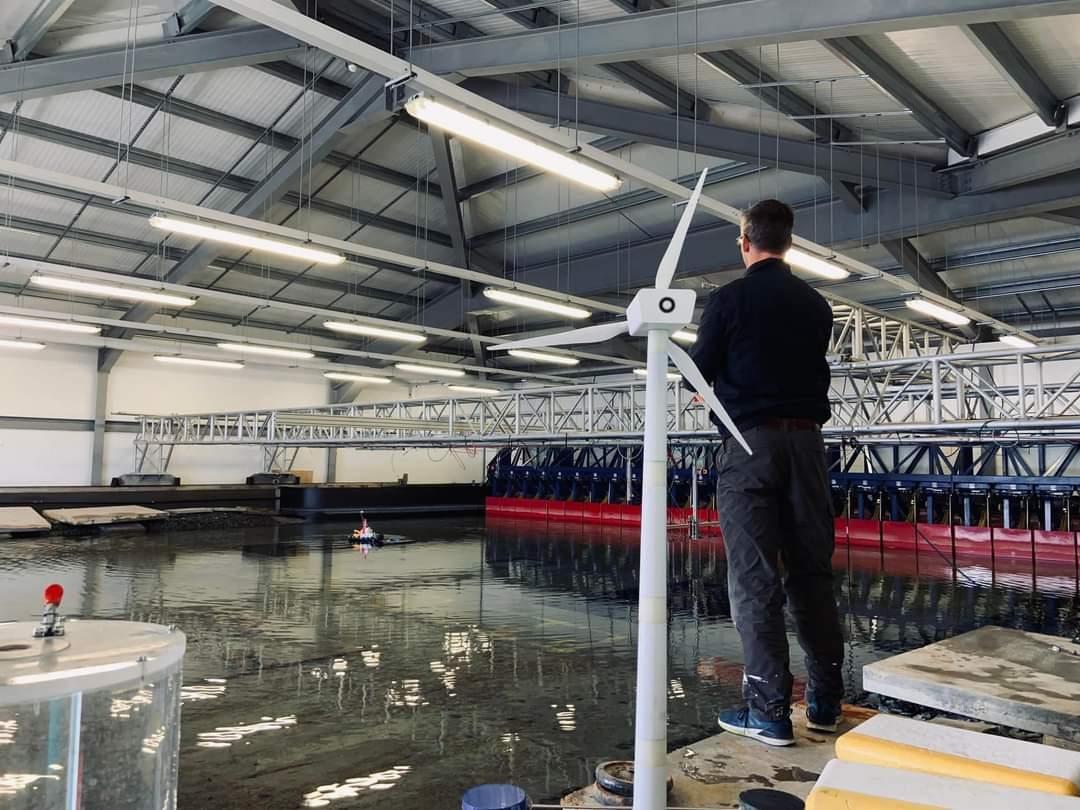
We had waves, experiments, marine, freshwater and terrestrial animals, sea shanties & seaweed!
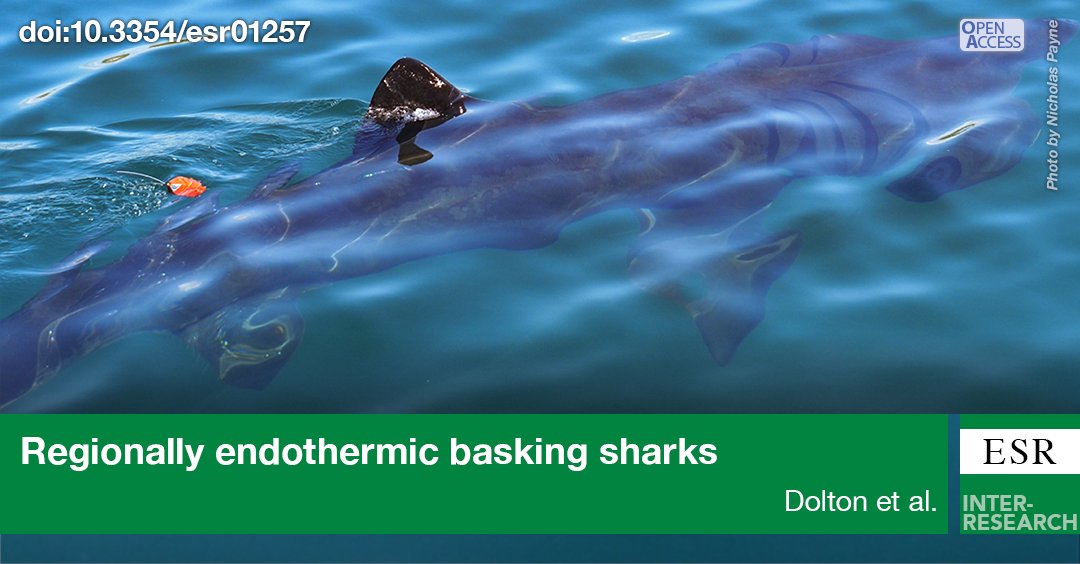
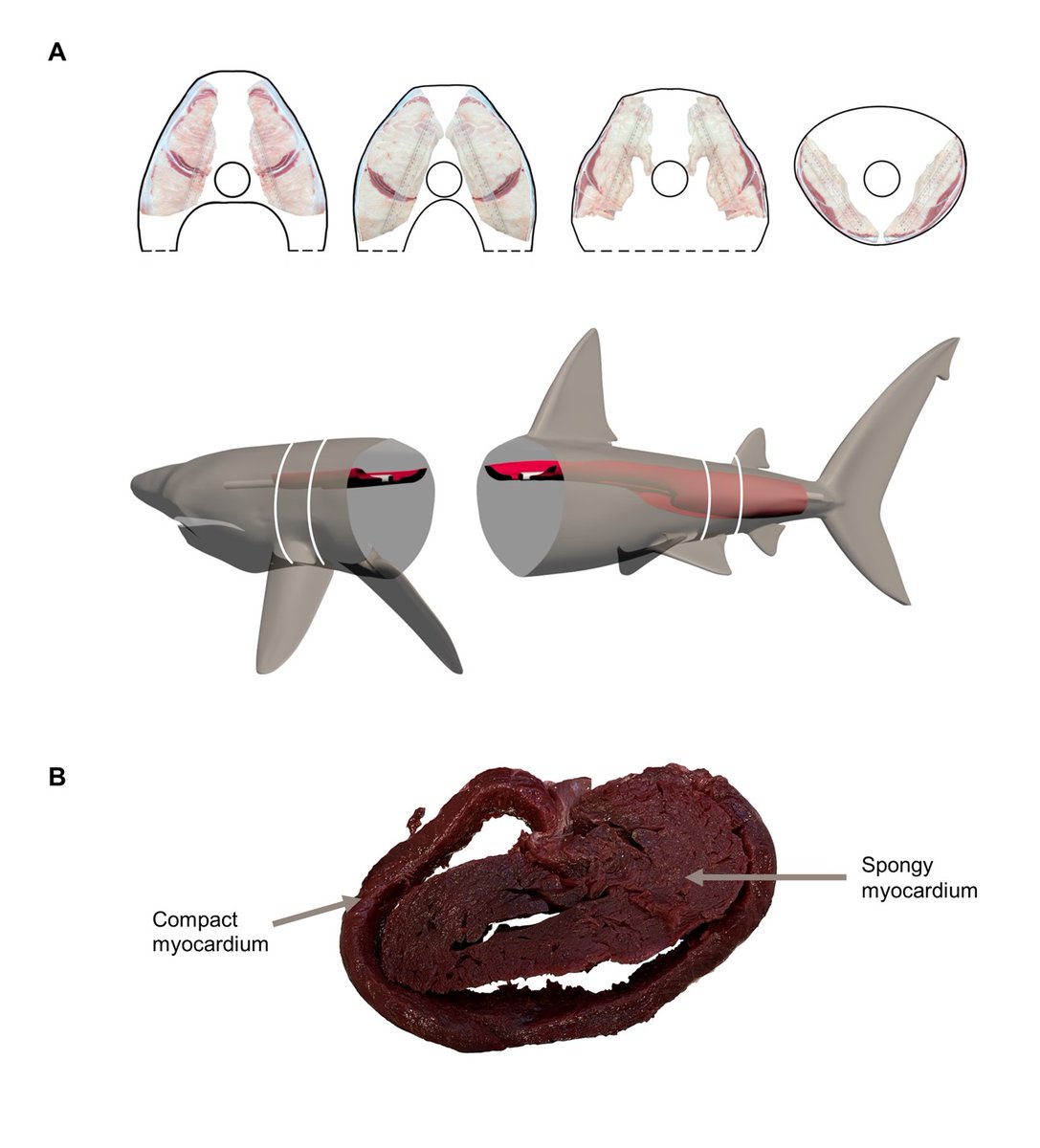
Basking sharks were considered to be ectothermic, we show they have regionally endothermic traits. This changes our understanding of the physiology of this species and might help improve distribution and population forecasting in future. https://t.co/wiUEpnHCbl
Basking sharks are what now?! New paper led by @haleydolton where we document regional endothermy in our favourite giant filter feeding sharky 🔥. Interesting implications for evolution and ecological advantages of regional endothermy; we thought it was only seen in apex 🦈&🐟1/3
Its all about networking. Opportunity for emerging marine scientists and researchers to meet the community and make contacts. Let your students/postgrads know @MfrcATU @blueoceanpulse @uccBEES @EOS_NUIG @DrJoseMFarinas @NashRoisin@DrShmoo@PelagicLabQUB
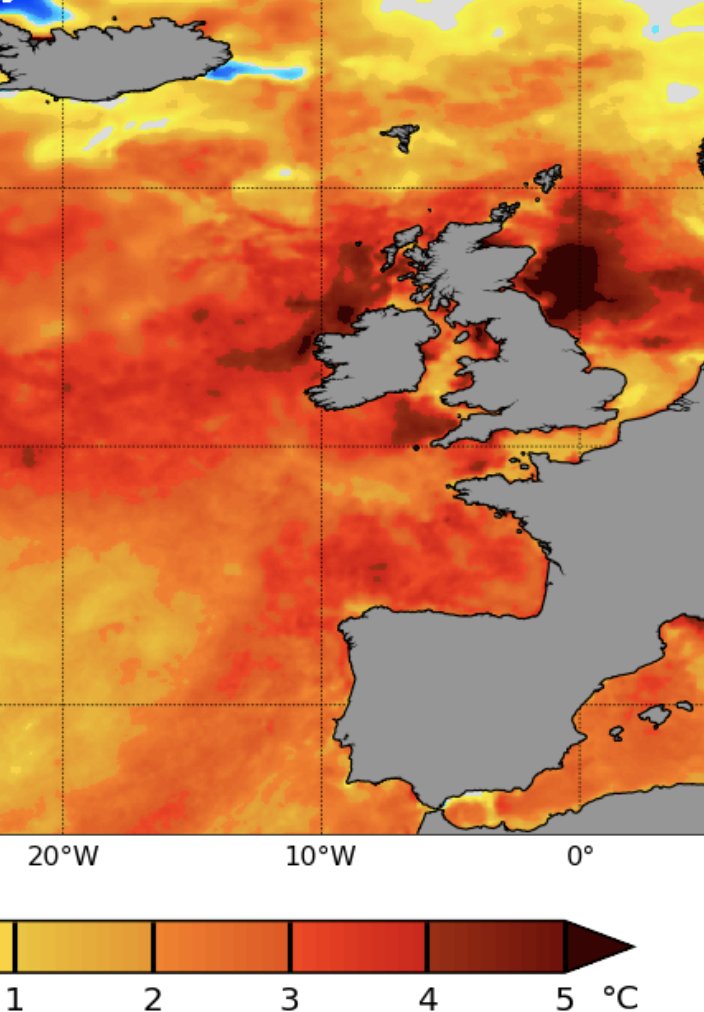
One of the most severe marine heatwaves on Earth has developed off the coast of Ireland and the UK, with water temperatures as high as 4-5°C above normal.
NOAA's Marine Heatwave Watch has categorized this event as a Category 4 (extreme) marine heatwave.