@pasvrmntpierre Mais du coup, les parents et grands-parents qui prêtent des maisons secondaires pour les vacances, ça rentre dans l'avance sur héritage ?
Looking forward to building frontier open source AI models together with @Nvidia as we join the Nemotron Coalition and start training the first base models.
@HugoMe Le format fonctionne pour les vacanciers (testé & validé) ou les promeneurs, mais je n'aurais pas aimé avoir à les prendre pour aller bosser ou me déplacer efficacement.
Mistral Vibe 2.0 is now available on Le Chat Pro and Team plans.
Build, maintain, and ship code faster with the terminal-native coding agent by @MistralAI. Here’s what’s new 🧵
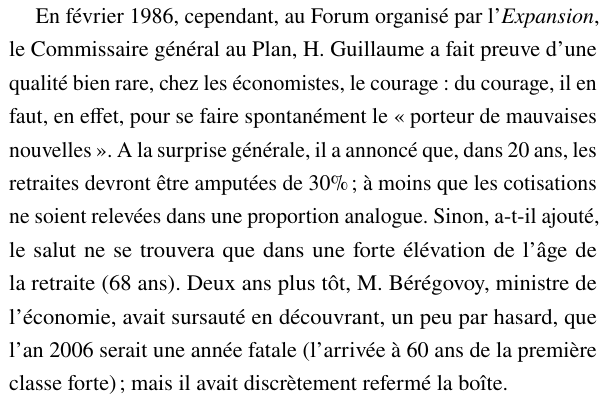
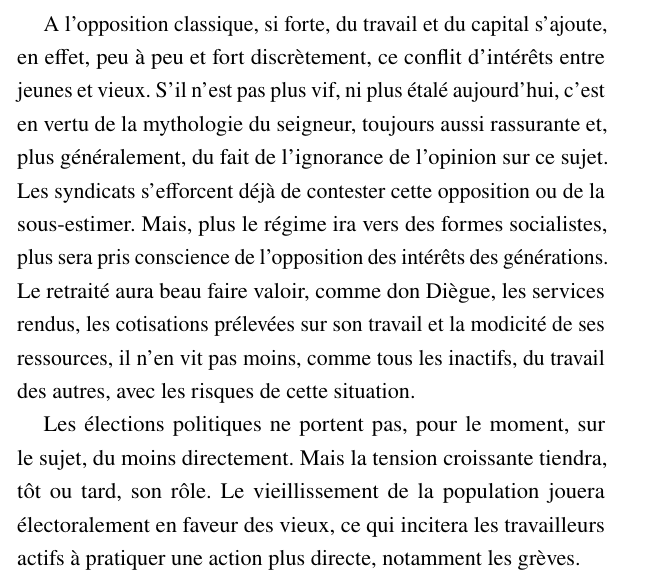
Je propose un truc simple, les jeunes vont cotiser à hauteur de ce que cotisait individuellement les boomer.
Et les retraités se partagent le gâteau.
Comme ça égalité générationnelle absolue.
@sc_cath L'extrait de l'article ne parle pas du fait que la taxe s'applique sur l'équivalent en valeur contrôlé ce qui tend a multiplier la facture X10 pour certain fondateur. Bien pire que la taxe Zucman dans l'esprit.
Uber open-sourced their M3 metrics platform, and while skimming through how it works, I found an approach called LTTB downsampling. Here's what it is all about...
LTTB stands for Largest Triangle Three Buckets, which is a downsampling algorithm used to query and visualize millions of time series data points efficiently. The approach keeps the visual shape of the plot while reducing the number of points required to render it.
This makes the frontend efficient with fewer data points to render and less data to be emitted over the network.
It works by dividing the time series into buckets and selecting points that preserve the largest visual area. So, instead of random sampling or simple averaging, LTTB picks points that maintain the peaks, valleys, and overall trend of the data.
The way it does this is by considering three points at a time (previous, current, next) and calculating the area of the triangle they form. The point that creates the largest triangle gets selected. This means important visual features survive the downsampling.
With this approach, the system can downsample 10,000 points to 500 and still get a chart that looks nearly identical to the original. Beyond M3, systems like Grafana, InfluxDB, and Prometheus have all adopted LTTB or similar downsampling techniques.
It is super interesting that something as seemingly simple as "which points should we keep?" turns into such an interesting problem statement.
@pbeyssac À ma connaissance il ne manque que l'autorisation réglementaire pour le faire en cross-border européen.
Le but initialement était plutôt de faire des économie en frais Visa/MC, mais ça peut servir dans d'autres cas ;)
@pbeyssac Visa et MC ne sont que des annuaires et des vendeurs de confiance. On peut déjà traiter des transactions non cross-border de carte Visa en France sans faire de requête à leurs services.