A Maryland coalition dedicated to protecting the public and the environment from the adverse effects of pesticides and promoting healthier alternatives.
A new review of scientific studies found associations between pesticide exposure and increased risks of childhood leukemia and brain tumors. The findings add to growing research on children's environmental health.
#ChildrensHealth#EnvironmentalHealth
https://t.co/R8YtwTJ8v5
Many consumers assume "regenerative" means pesticide-free. According to a new Food Tank op ed, that's often not the case. As regenerative labels grow, transparency about pesticide use matters more than ever. #ConsumerWatchdog#FoodChemicals
https://t.co/dLrkIHKA1V
Last week we highlighted threats to bee research. New research shows flowers can evolve traits that help attract their most effective pollinators. Healthy pollinators help support healthy ecosystems. 🐝🌼
#Pollinators#BeeHealth#Biodiversity#WorldEnvironmentDay
https://t.co/Zb2geqk4T7
New research suggests prenatal exposure to PFAS “forever chemicals” may affect puberty timing in children years later. Scientists continue raising concerns about long term chemical exposure and children’s health. #ChildrensHealth#EnvironmentalHealth
https://t.co/TzaKNV3I0d
Paraquat has been tied to Parkinson’s disease in multiple studies, yet it is still used in U.S. agriculture and restricted only to certified applicators. Vermont lawmakers say the risks to workers and nearby communities are too serious to ignore. #FarmworkerRights #EnvironmentalHealth
NEW: Vermont has become the first US state to ban paraquat, a weed-killing pesticide, after lawmakers cited research linking the chemical to Parkinson’s disease.
@MichaelJFoxOrg@GovPhilScott@RayDorseyMD
https://t.co/ogZuanjAKX
Federal bee lab closures could slow responses to honeybee deaths and disease outbreaks, according to researchers and beekeepers. Bees pollinate more than 100 U.S. crops, making pollinator research critical to agriculture.
#SaveTheBees#Pollinators#BeeHealth#FoodSecurity@NPRBees
https://t.co/BRKUCkPmqQ
You read the PFAS headlines. Now here’s the important part: not all water filters remove “forever chemicals.” @ewg says reverse osmosis and activated carbon filters are among the most effective options, but check out your other options here. #PFAS#CleanWater#WaterFilter
https://t.co/geXA49NtVu
The EPA is proposing to roll back limits on several PFAS “forever chemicals” in drinking water while delaying deadlines for others. Health advocates warn the changes could weaken protections tied to cancer and immune system risks. #PFAS#CleanWater#PublicHealth
https://t.co/D6Lkex4zpC
What is in your shampoo matters. Some products contain synthetic fragrance, preservatives, and other chemicals that may increase daily exposure through regular use.
#CleanBeauty#SaferChoices#ReduceExposure#EnvironmentalHealth https://t.co/wd4JTIZycI
Debate is growing over cancer warnings on pesticide labels. Current policies can limit when these risks are communicated, raising questions about transparency and public awareness.
#Pesticides#CancerRisk#RightToKnow#EnvironmentalHealth
https://t.co/aLzS1IdcsY
House lawmakers removed a proposed pesticide liability shield from the Farm Bill. The change keeps legal pathways open in cases tied to glyphosate based herbicides like Roundup.
#FarmBill#Glyphosate#ReducePesticides#EnvironmentalHealth
Earth Day update. EPA is delaying approvals for several PFAS chemicals linked to cancer and immune system harm. Some of the approvals include pesticides now under review.
https://t.co/1uCIZgiblu
#EarthDay#PFAS#ReducePesticides#EnvironmentalHealth
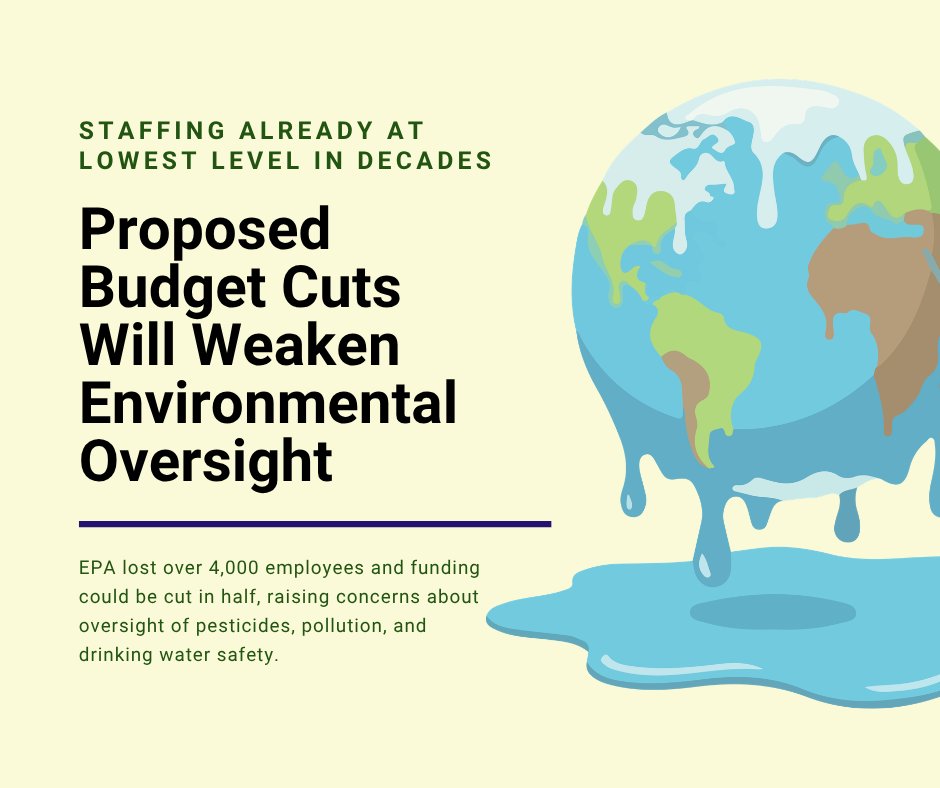
Proposed budget would cut EPA funding in half after the agency already lost over 4,000 employees. Experts warn reduced oversight could impact pesticide regulation, pollution monitoring, and drinking water safety.
#EPA#ReducePesticides#EnvironmentalHealth#PublicHealth
Counties with dense livestock feeding operations showed higher cancer rates. Researchers point to air pollution, water contamination, and industrial agriculture impacts as possible pathways.
#EnvironmentalHealth#SustainableAgriculture#ReducePesticides
https://t.co/J9AHHEbHDA
Major food companies are backsliding on pesticide commitments.
Industry score dropped to 2.5 out of 27 and no companies adopted protections for high concern pesticides like #neonicotinoids.
Transparency is declining across the food system.
#ReducePesticides#FoodPolicy #Pollinators #EnvironmentalHealth @CivilEats
https://t.co/VotQSgLHYa
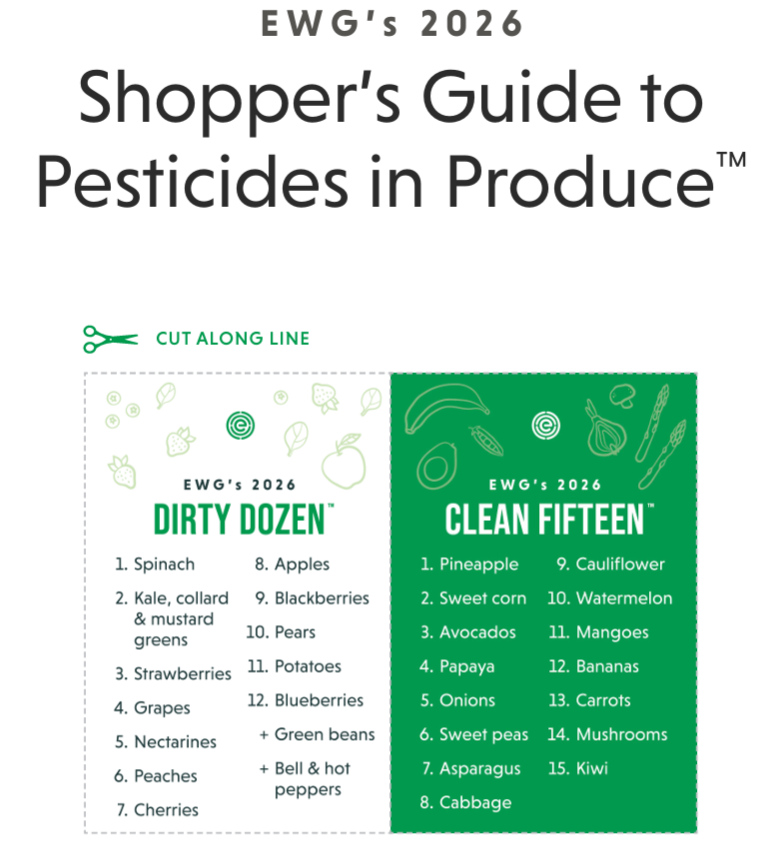
New data shows PFAS pesticides appearing across fruits and vegetables. Nearly all Dirty Dozen samples contained residues, while almost 60 percent of Clean Fifteen had none. Choosing organic when possible can help reduce exposure. @ewg#DirtyDozen#CleanFifteen#PFAS #ReducePesticides #Organic
What does an impacted hive look like?
This video offers a real-world view of pollinator decline as attention builds around @Disney#SecretsoftheBees. Reducing pesticide exposure helps protect #bees and strengthen our food system.
Video credit @PSCPollinators#Pollinators #ColonyCollapseDisorder #BeeHealth #Organic #SavetheBees
In Iowa, 82% of counties with the highest glyphosate use had elevated non Hodgkin lymphoma rates.
About half qualified as cancer hot spots.
Pesticide exposure patterns matter.
#Glyphosate#Pesticides#CancerRisk#FarmBill#PublicHealth
“We know cancer rates in Iowa have reached crisis levels, and growing research shows that Iowans face outsized risks from exposure to agricultural chemicals, including glyphosate, atrazine, acetochlor, and nitrates,” said Sarah Green of @Iowa_Env.
https://t.co/OJ4wXnbwXu
Want to reduce PFAS exposure?
Wash produce and choose organic when possible.
PFAS pesticides are not allowed in organic farming.
#GoOrganic#PFAS#FoodChoices#Pesticides
https://t.co/OISAgYRX3T
Over 70% of Americans are concerned about toxic chemicals in food and water.
5 in 6 want stronger action from government and industry.
People are paying attention. Policy needs to catch up.
#PFAS#Pesticides#FoodSafety#FarmBill#ToxicChemicals
https://t.co/y6uyGPwOEU