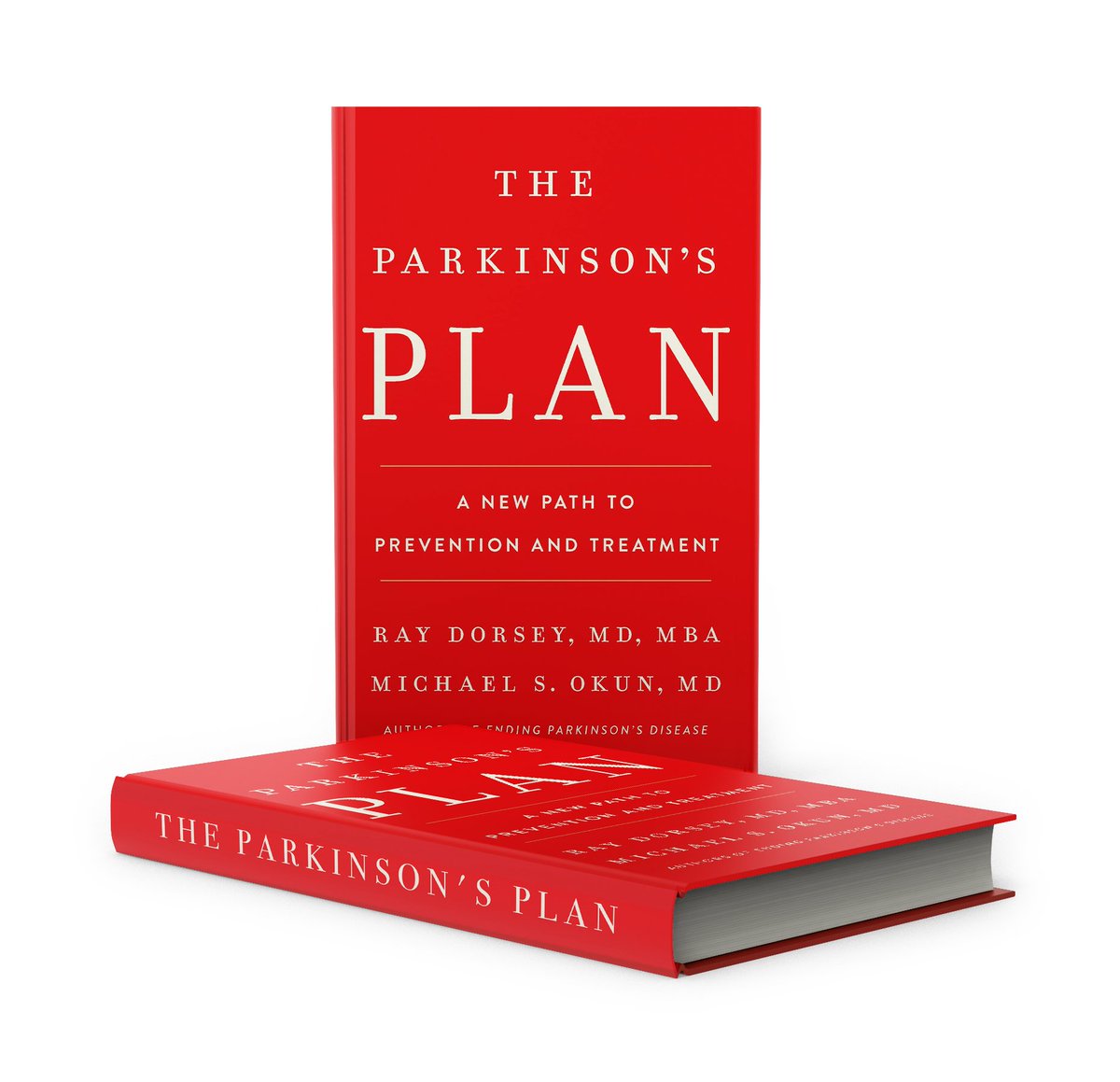
Parkinson’s is the world's fastest-growing brain disease in the world—and toxic chemicals are a major reason why. I joined @dhruPurohit to discuss pollution, #Parkinsons, and what we can do to prevent it.
🎧 Watch: https://t.co/83EM5FwYRT
📕 Book: https://t.co/TRRvSV4ZvY
Parkinson’s is one of the fastest-growing brain diseases in the world—but it doesn’t have to be. The Parkinson’s Plan offers a bold, science-backed roadmap for treatment & prevention.
Learn more @: https://t.co/AyPMNx0XIj
@raydorseyMd@MichaelOkun#MediflixExperts#Parkinsons
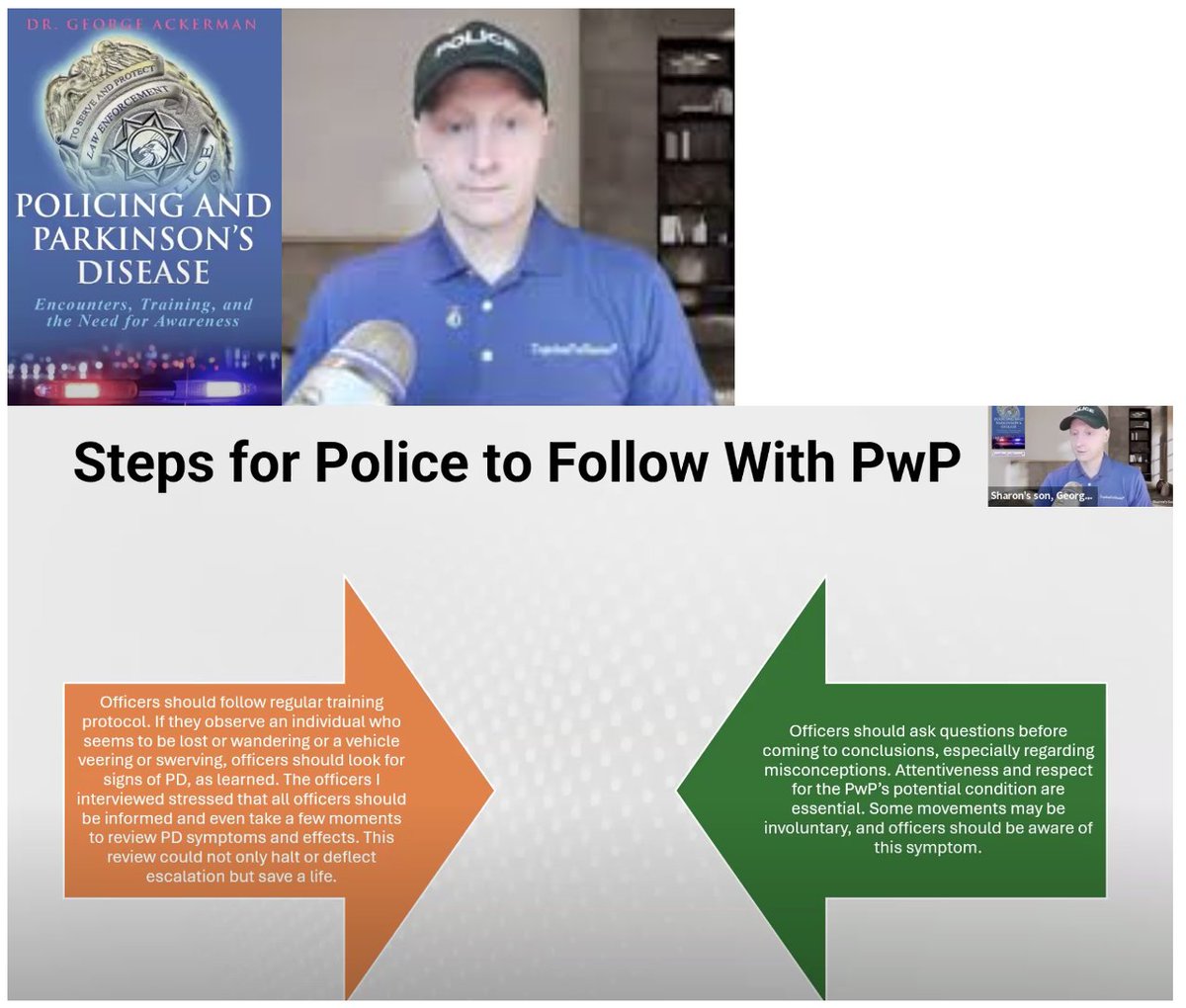
What is a completely avoidable tragedy when living w/ Parkinson's disease? Being ready w/ a plan if you encounter the police, especially if you have Parkinson's or another neurodegenerative or movement disorder. Do you have a plan if you encounter law enforcement? Does law enforcement have a plan if they encounter you? https://t.co/e9eKnkGsxz Just because you are shaking, walking funny or slurring your speech does not mean you are drunk. Thanks to George Ackerman for this YouTube presentation and a great new book on the topic. Thanks for raising awareness and presenting a plan for Policing in Parkinson's disease. https://t.co/7E9JQTA0kg #Parkinson @ParkinsonDotOrg@FixelInstitute
"Parkinson's disease is not a death sentence, it is a life sentence." The words from the great leader and co-founder of the PD Avengers during our talk yesterday about the release of our new book called the Parkinson's Plan. https://t.co/e9eKnkGsxz Our last book provided the spark for the creation of the PD Avengers and we encourage everyone to sign up and add their voices to the Parkinson's Plan. Sign up at: https://t.co/PaEHS5c5Kq @ParkinsonDotOrg@FixelInstitute #Parkinsons
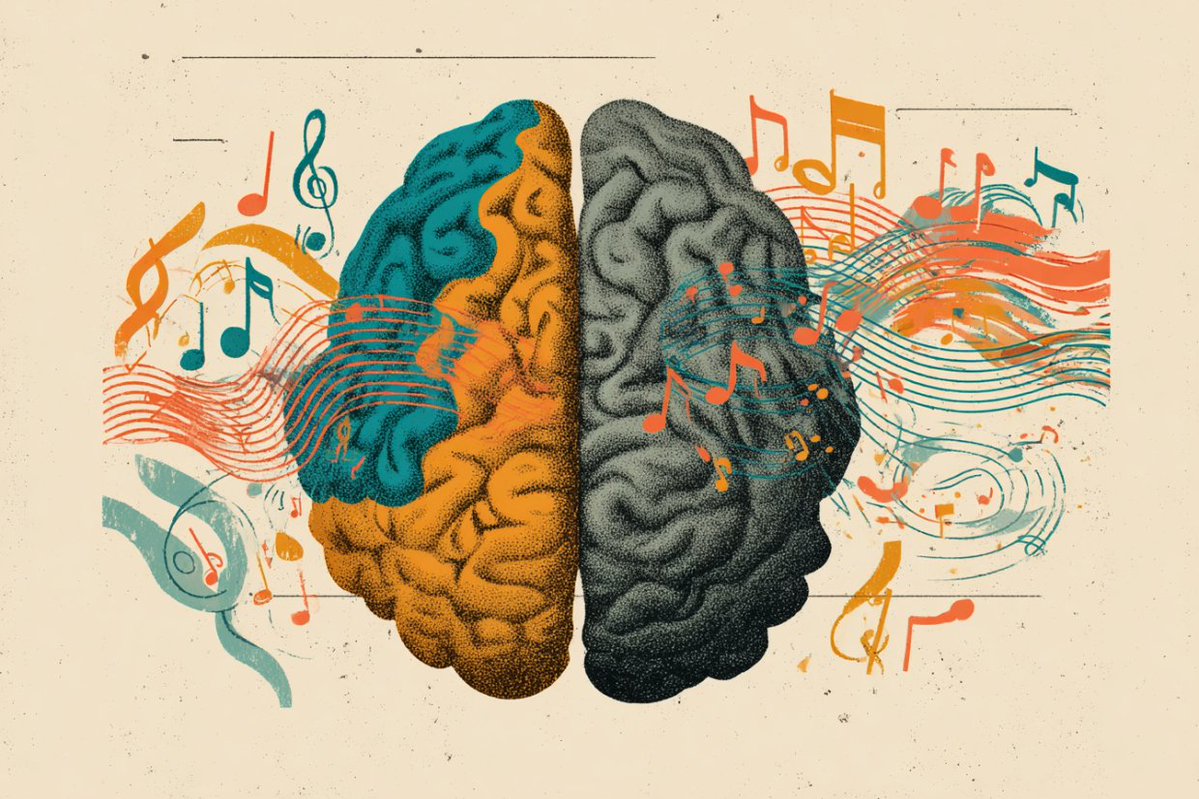
Playing Music Helps Older Brains Stay Sharp
A new study shows that long-term musical training may help older adults maintain youthful brain function and better speech perception in noisy environments.
Researchers found that older musicians outperformed non-musicians at recognizing speech despite background noise and displayed more “youth-like” patterns of brain connectivity.
This suggests that musical experience builds cognitive reserve, which helps preserve the brain’s functional architecture as we age.
Functional MRI scans revealed that older musicians’ auditory networks resembled those of younger adults, unlike older non-musicians who showed compensatory but less efficient patterns.
The findings support the idea that lifelong musical engagement mitigates age-related cognitive decline by maintaining neural integrity.
Researchers say this could inspire interventions to improve communication and quality of life in aging populations.
A new important lens on demoralization in Parkinson’s disease. Do you have a plan if you encounter demoralization? Spoiler alert: Demoralization affects about 1 in 5 folks w/ Parkinson's. This is a must-read new article by Dr. Indu Subramanian and colleagues in Movement Disorders Clinical Practice. The authors pull back the curtain on demoralization. Remember, demoralization is distinct from depression. It is tragically under-recognized.
Key findings:
- Demoralization is NOT depression. While the two overlap, demoralization stems from a loss of meaning, motivation and purpose. Spoiler alert: demoralization is NOT simply a 'decreased mood.' Antidepressants alone will frequently miss the mark in addressing demoralization. Don't be suckered that a pill will fix everything.
- ~20% w/ Parkinson's affected. That is nearly one in five people. It is more common in younger onset and when folks are facing major life transitions.
- How do you get to 'hope' from demoralization? Compassionate care, meaning centered psychotherapy, mind–body interventions and early support.
- Support is ideally delivered at key life junctures.
My take: I really like this article a lot as it not only frames demoralization, but it also offers ways to address it (see figure below). Here are 5 points that resonated w/ me. 1- It’s not just in your head. Demoralization is real. We must be sure it is named, screened for and treated. 2- Words matter. How a diagnosis is delivered and how we support people through the journey can change everything. 3- Hope can be a treatment, however it must be used carefully and in realistic context. Consider meaning, connection, purpose and community when addressing demoralization and offering hope. 4- Don't go it alone. Peer support, therapy and open conversations can and will in many cases "pull people back from the brink." 5- Parkinson’s is more than just a movement disorder and we must stop confusing demoralization with depression. Check out the tools in the figure they offer to help people reclaim their lives.
https://t.co/MgAzQT6614 https://t.co/e9eKnkGsxz @ParkinsonDotOrg@FixelInstitute #Parkinsons @DrISubramanian@movedisorder@MDCP_Journal
A Georgia jury recently awarded $2 billion to a cancer patient who claimed #Roundup was to blame.
Now @Bayer is pushing the US Supreme Court to help it block further lawsuits.
Watch our full breakdown video📽️:
https://t.co/meZlyIO5FC
📺 This morning, we have a special message for you from TV legend John Stapleton.
📢 John is a great friend to the Parky Charter campaign and is encouraging YOU to get more sign-ups to https://t.co/7P6RdRugVE!
Golf courses may look lush, but the pesticides used to keep them green could pose risks. Long-term exposure especially for nearby residents may be linked to a higher risk of #Parkinson’s disease. Dr. Isaac Goldszer shares insight with @wxyzdetroit 🧠⛳ https://t.co/LYuBXwJxb5
87% percent of Parkinson’s cases have no known genetic cause.
@RayDorseyMD joins me on The Empowering Neurologist this week to discuss what drives Parkinson's: environmental exposures such as chemicals in our food, water, and air that damage the brain’s dopamine system.
Tune in here: https://t.co/9wfpo61JPH
Say cheese to detect Parkinson’s? Can AI see what doctors and healthcare providers miss? What if a simple smile could screen for Parkinson’s disease? A new study just published in NEJM AI by Adnan, Dorsey, Hoque and colleagues shows that artificial intelligence can potentially spot Parkinson’s simply by analyzing facial expressions.
Key Points:
- AI detected Parkinson’s ~88% accuracy.
- The authors analyzed smile videos and used subtle facial cues.
- ~1,400 people participated worldwide.
- All they needed was a phone.
My take: There were 5 points that resonated w/ me about smiling and Parkinson's, and its use as a diagnostic. 1- Smiling is more than emotional, could it be a diagnostic? Parkinson’s frequently hides in the face and AI could pick up subtle changes. 2- Could this bring Parkinson’s screening to every home? Just record a video. 3- I like that it is fast, non-invasive and affordable. 4- Could it help reach the underserved, especially if no or limited access to doctors or specialists. 5- Smile, click, and screen. AI will not replace Parkinson's doctors and healthcare providers, but it may get to one more rapidly.
https://t.co/z1rXVPT9Xl
Nice paper that is a great read by Marsili on bradykinesia in smiling:
https://t.co/jLrxQpovnF
#Parkinsons #Neurology #AIHealth #NEJMAI @RayDorseyMD@FixelInstitute@ParkinsonDotOrg@FixelInstitute@NEJM@NEJM_AI
.@Brewers rookie Jacob Misiorowski @Jmisiorowski9 honors dad w/ custom cleats for PD awareness. "It’s close to my heart. The more you can get out there about it, maybe it helps some people down the line. Maybe I can get people to donate to research"🌷https://t.co/AkSJhmexXN
🗒️ If you sign the https://t.co/7P6RdRugVE today, you'll be in good company!
🌟 Tilda Swinton has just signed at Glastonbury, joining our Parky Charter call for better care!
Great article on constipation in PD (often one of its earliest symptoms) “Parkinson’s disease is not just a tremor or gait disorder—it affects the entire nervous system, including the autonomic nerves that control the gut” - @MichaelOkun | @healthcentral
https://t.co/aFXNc8nfXl