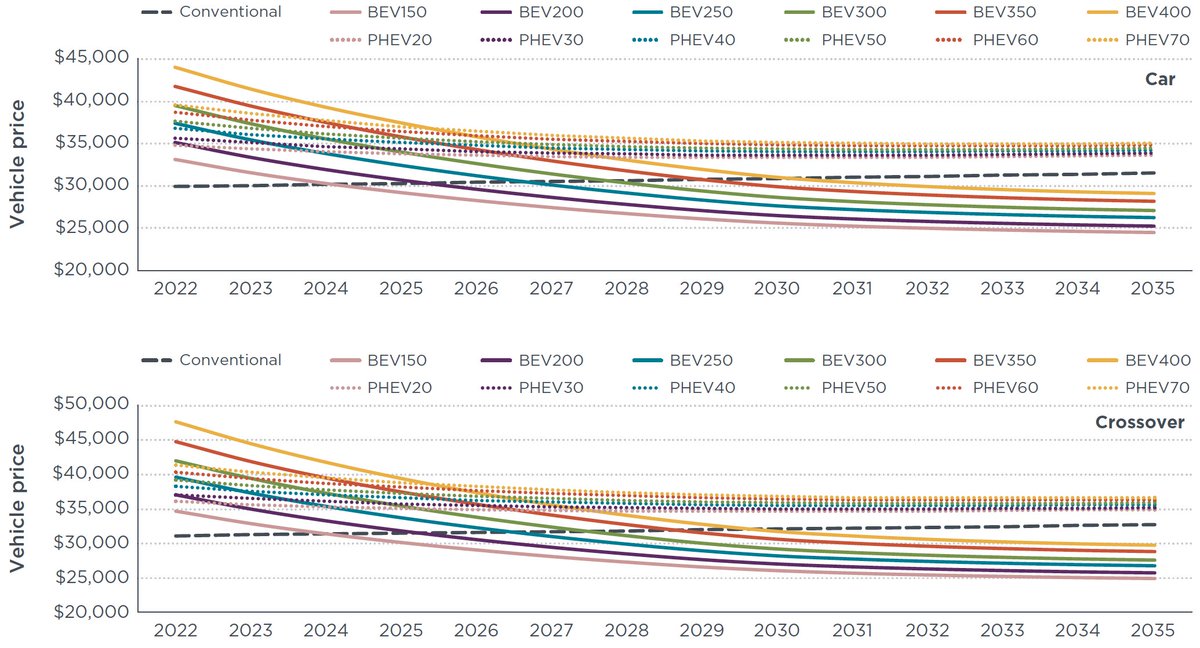
NEW: For U.S. consumers, most new battery electric cars, crossovers, SUVs, and pickup trucks will soon be cheaper to purchase than gasoline alternatives.
https://t.co/16LaiQ3Vya
Congratulations for Canada on being the latest ZEV Alliance member to move forward its 100% ZEV sales target to 2035, alongside California, Massachusetts, Québec, and the United Kingdom. The global ZEV transition continues to accelerate thanks to government leadership.
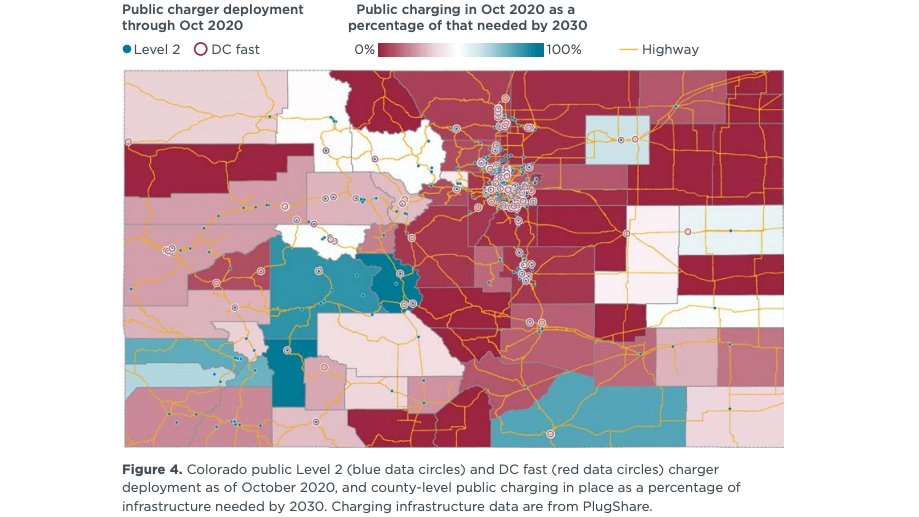
Growth in public charging infrastructure has varied across Colorado through 2020. Most counties have deployed less than 25% of what’s needed by 2030.
Read more: Colorado charging infrastructure needs to reach electric vehicle goals
https://t.co/AAdysw9JEa
Approximately 50,000 public and workplace chargers will be needed in #LosAngeles by 2030. However, if mobility shifts to public and other forms of transit, these needs are reduced by about 45%.
Read more: https://t.co/0tjJKw8LHU
[NEW] Achieving Seattle’s goal of having 30% of its vehicle stock be electric by 2030 requires approximately 2,900 public Level 2 chargers and 860 DC fast chargers to support 174,000 EVs. Read more: https://t.co/svjl7VVD7b
Today, the Colorado Public Utility Commission cleared the way for @XcelEnergyCO to invest more than $100 million into electric vehicle charging infrastructure, advisory services & $5 million for income-qualified EV incentives. It’s a groundbreaking decision. Thank you PUC!
The lesson from Norway isn't that every government should replicate the same EV policy. Most countries can't.
The lesson is that once these vehicles are price competitive, lots of people buy them.
An appalling #SenselessWaste of JUMP bikes, the best dockless shared e-bikes ever created. Like GM destroying the EV1 electric cars 15 years ago. Shame on Uber and Lime. Short term corporate profits uber alles.
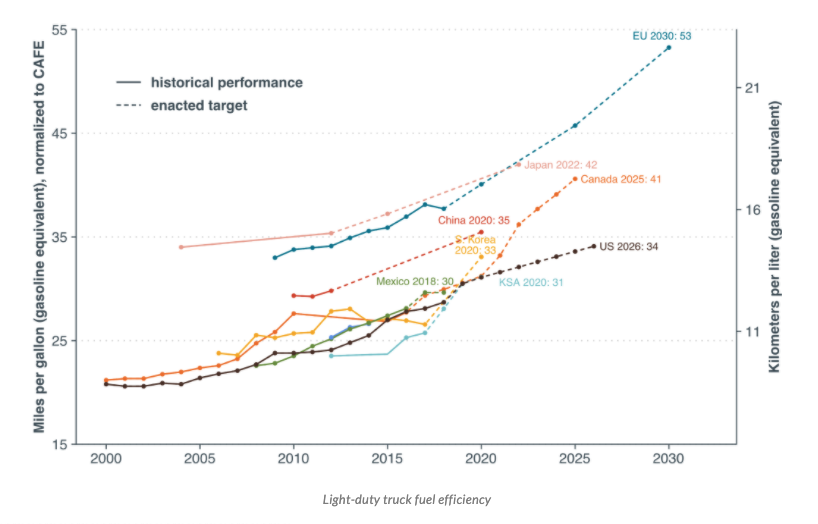
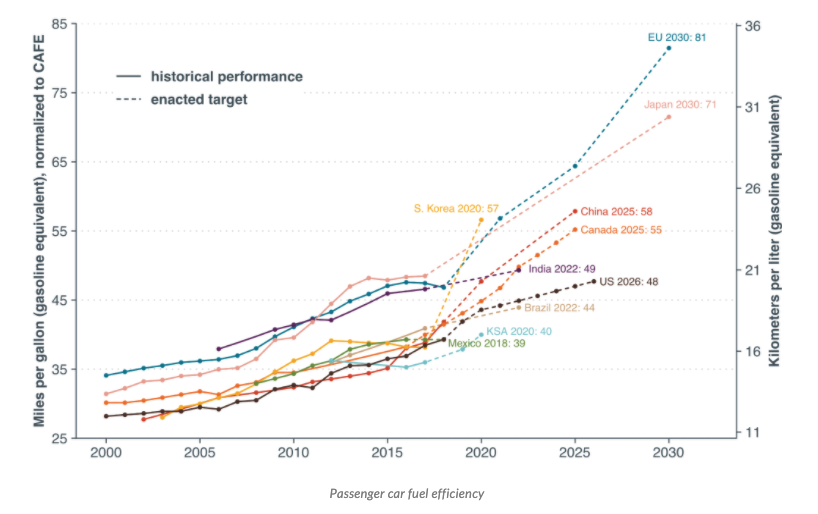
The NHTSA/EPA #CleanCars rollback reduces annual fuel economy improvement for new LDVs from 5% to 1.5% and projects no increase in EV sales. It is fundamentally flawed, based on incorrect data and an unsound cost-benefit analysis. Our full statement: https://t.co/3sx23ZGZDf
@UCSUSA@Uber@lyft What’s clear is that these companies can do a lot to help their drivers switch over to EVs and realize all the financial and other benefits that they offer. Good discussion here:
https://t.co/T3tA3d6E6Y
Great blog series by friends at @UCSUSA explaining the critical need and opportunity to electrify @Uber, @lyft, and other ride-hailing fleets. Key point: the economics of electrification favor wide-spread adoption by 2030:
https://t.co/NY4Io3Zk7S
Uber makes a deal with Nissan in the UK.
The pressure on ride hailing services to go electric is going to ramp up really fast. Potent combination of economics, city policies and corporate image concerns.
https://t.co/FgpQwW3PAS
Battery prices, which were above $1,100 per kilowatt-hour in 2010, have fallen 87% in real terms to $156/kWh in 2019. By 2023, average prices will be close to $100/kWh.
Learn more from our 2019 Battery Price Survey here: https://t.co/IRGreo1LGE
2019 volume-weighted average lithium-ion battery pack prices are $156/kWh. It's an industry average, so some higher, some lower.
Number is very close to our forecast from last year. 18% learning rate (reduction per doubling of cumulative volume) holding up
Of course, many other states and cities are fighting for cleaner cars alongside California. These jurisdictions represent 60% of the U.S. auto market: https://t.co/hIf3BYnRg3
Great to see the vision laid out in the new Zero Emissions Roadmap by the public-private Los Angeles Transportation Electrification Partnership, aiming for 80% of new cars to be electric 2028! https://t.co/j6cH59Uo7f
Here’s a good article on the LA 2028 Roadmap and its goals, as well as the broader ongoing politics and California’s fight for cleaner cars: https://t.co/Fd7mLyBlU2






![TheICCT's tweet photo. [NEW] Achieving Seattle’s goal of having 30% of its vehicle stock be electric by 2030 requires approximately 2,900 public Level 2 chargers and 860 DC fast chargers to support 174,000 EVs. Read more: https://t.co/svjl7VVD7b https://t.co/mekp7rT7rR](https://pbs.twimg.com/media/EswL5uHXcAIT9Eh.jpg)