A kinetic ceiling installation at Costa Navarino, Greece, designed by K-Studio for The Romanos resort, uses fabric panels that sway with sea breezes. The wave-like motion filters sunlight and enhancing natural airflow to keep the beachside restaurant cool.
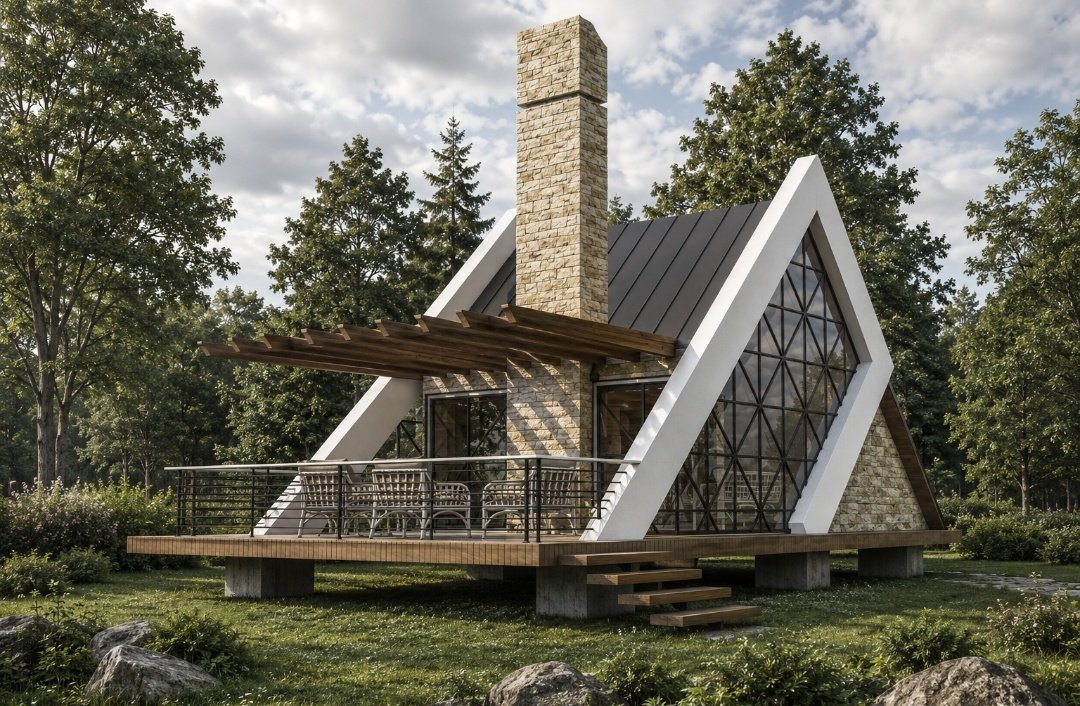
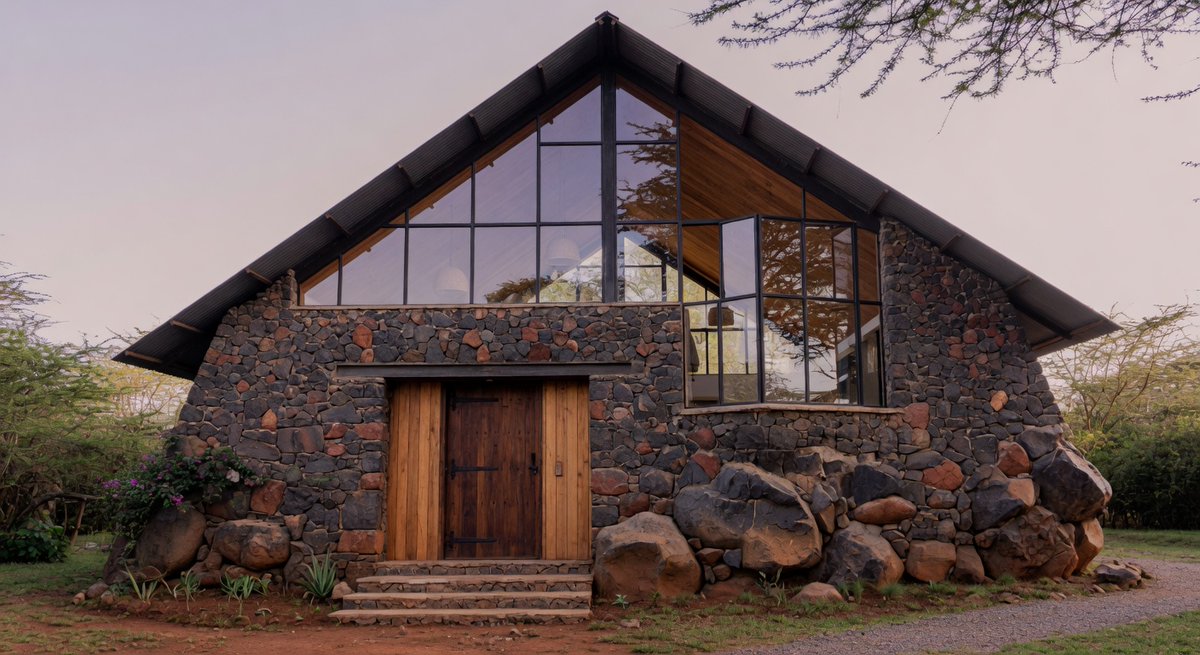
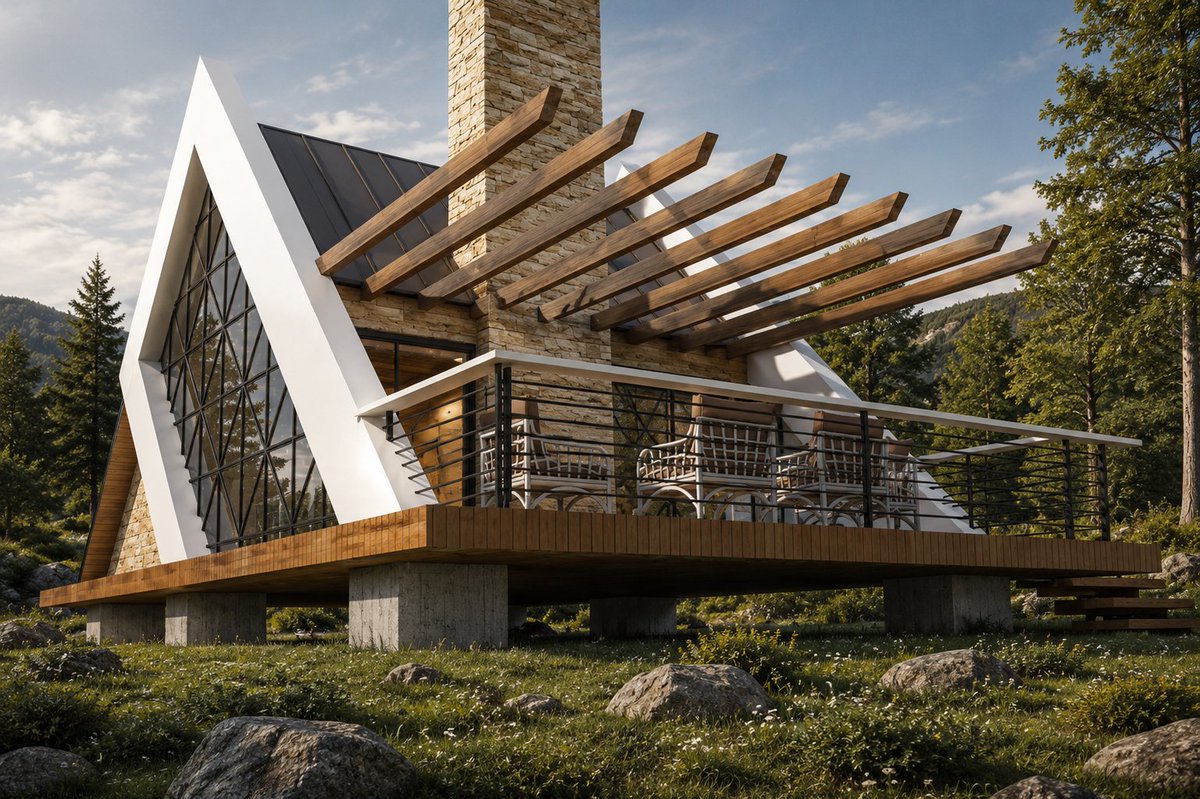
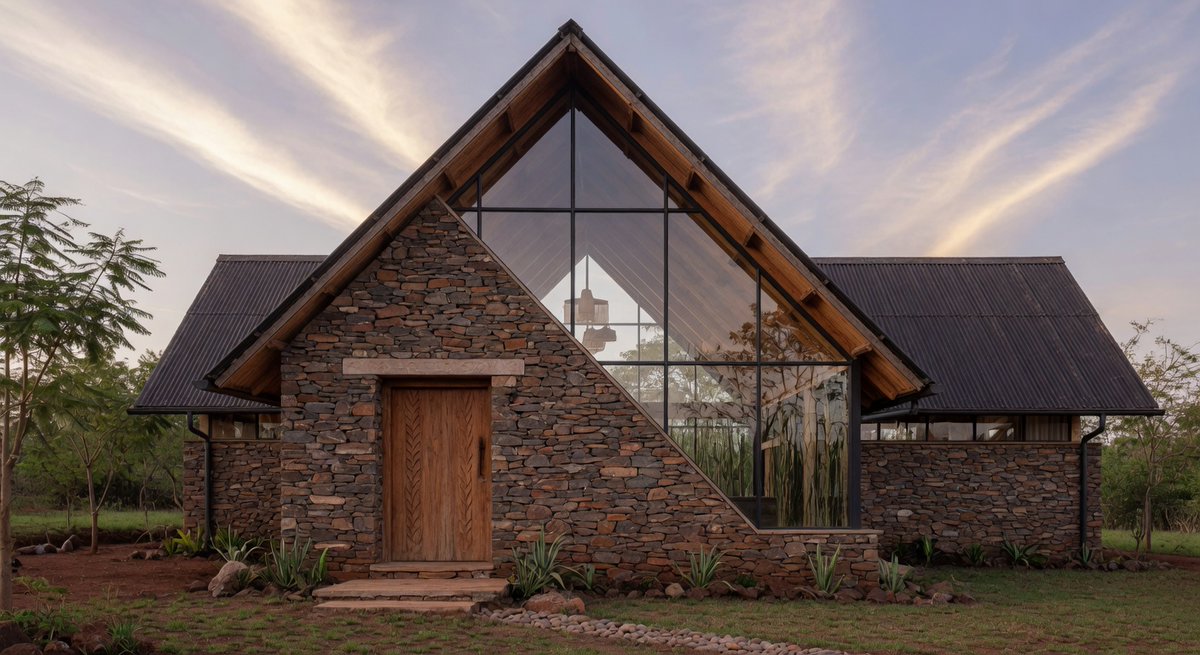
If I ever had the money to spend, this is one of many things I would do. The location of this is awesome. I would love to live in a forest area such as this. The house is also pretty cool with the secret bunkers.
The most brutal part is not that China is using AI to sort garbage.
It is that China has pushed waste management so far that the old problem has reversed.
China used to worry about having too much garbage to process.
Now some waste-to-energy plants are facing the opposite problem:
not enough garbage.
Previously sealed landfills may even have to be reopened, not because China failed, but because waste has become fuel, feedstock, data, and part of an industrial recycling loop.
This is what China does best.
It takes the ugliest, dirtiest, most ignored corner of urban life — garbage — and turns it into engineering, automation, energy recovery, environmental governance, and industrial optimization.
Even trash gets absorbed into the machine.
In many countries, garbage is where governance collapses.
In China, even garbage becomes a system.
Most African countries keep losing its best talent to the west because there is nowhere here to nurture and grow it. No stages. No studios. No spaces that say your gift belongs here and the world will find you here.
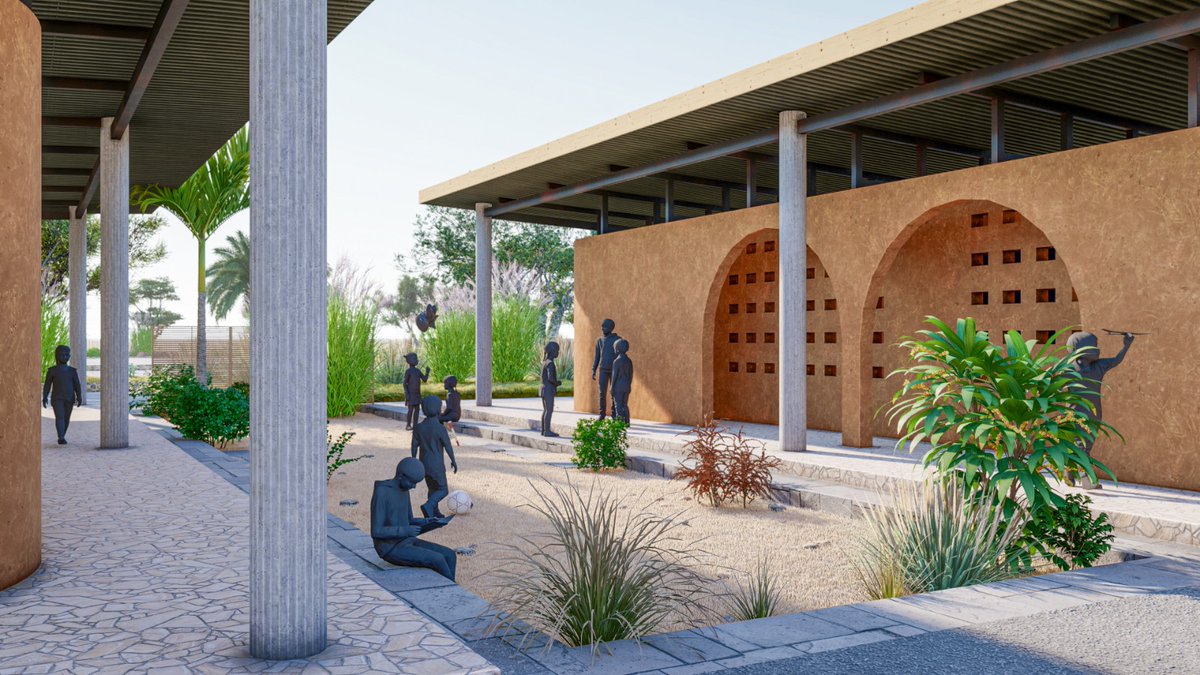
This is the Bidi Bidi Performing Arts Centre. Built inside one of the world’s largest refugee settlements in Uganda, home to over 270,000 people displaced by conflict in South Sudan.
Every brick in this building was compressed by hand from the earth beneath it and cured under the Ugandan sun. The walls are arranged in textured geometric patterns that absorb and diffuse sound the way expensive acoustic panels would in a studio elsewhere. The roof collects 1.2 million liters of rainwater every year. There is a recording studio inside. A stage that opens its back wall to the landscape and doubles in size for large events. Children are recording music in a building made from the ground they stand on.
This is the kind of infrastructure Africa needs in its numbers. Not just in refugee settlements. In every city, every town, every community where talent is dying quietly because there is no stage to stand on.
More images from this project are in the replies.
Hassell and Localworks | Bidi Bidi Performing Arts Centre | Bidi Bidi Refugee Settlement, Uganda | 2023
Most Kenyans keep their savings in a money market fund and call it "investing."
There's nothing wrong with that, but if you want real wealth building, you need to own a piece of Kenyan businesses.
Here's how to build a serious stock portfolio on the Nairobi Securities Exchange. 🧵
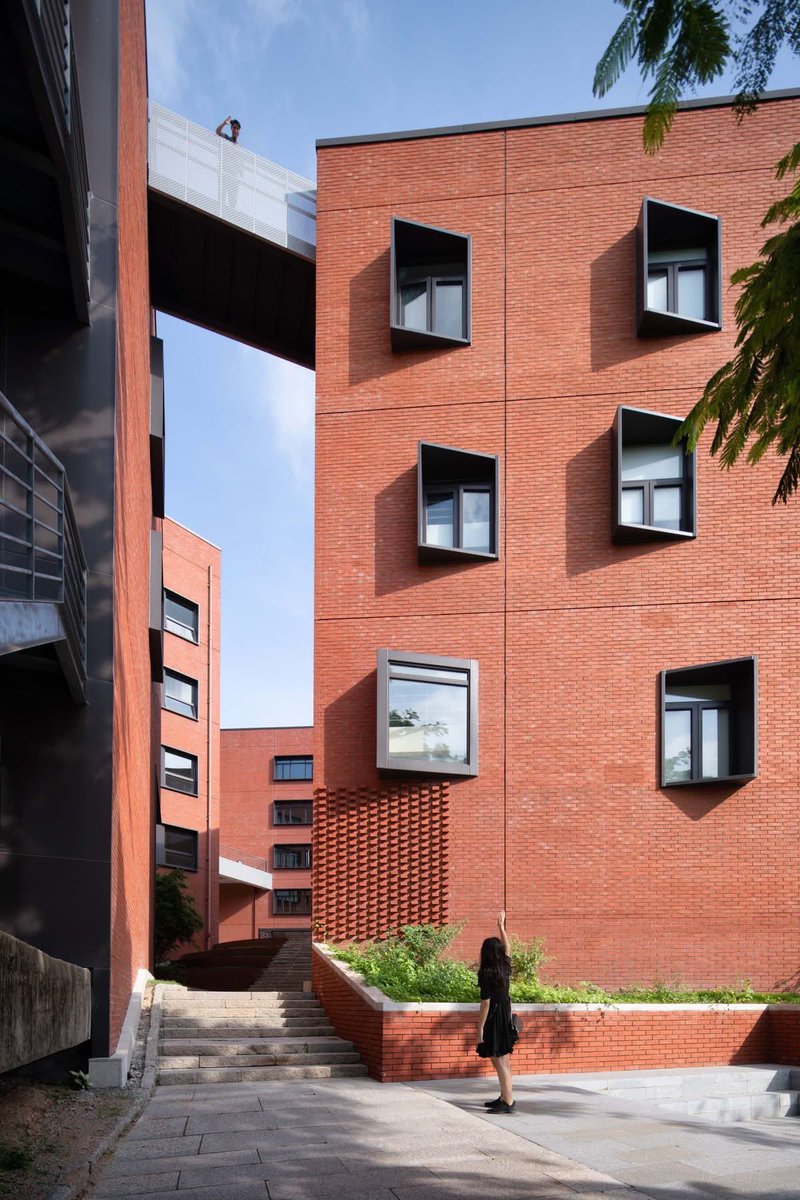
Brick is what Africa walks on every day and refuses to build with seriously. China just used it to rescue an ageing university building and turn it into the most visited space on campus.
The Yuanbo Building in Zhuhai was a cluster of 15 disconnected concrete cubes sitting at the centre of a university, rundown and largely ignored. THAD renovated it without demolishing a single block. A continuous loop of stairs and corridors now threads through the rooftops, courtyards, and indoor spaces, one unbroken circuit that turned isolation into movement. The rooftop equipment yards became running tracks. The dark entrance atrium got a glass roof. An outdoor stage was carved around an existing tree that the drawings had not even recorded.
The facade holding all of this together is dry-hung brick, fired clay managing heat, controlling light, and giving the building a skin that belongs to its climate. Where brick reaches its limit, other materials take over with precision. Glass rooflights pull daylight into spaces that could not otherwise breathe. Steel casings project the windows outward, cutting direct sun before it enters the classroom. Timber marks the roofline. Each material is doing exactly the job it is qualified for and nothing more.
This is the point Africa is missing. Not just that brick works, but that knowing when brick stops and another material begins is what craftsmanship actually is. We are skipping that entire education. Leapfrogging clay, laterite, and fired earth, materials we have not mastered and barely respect—to reach for glass facades and imported cladding systems we have no technical culture around whatsoever. We are borrowing the finish before we have learned the foundation.
Yuanbo Building, Zhuhai, China 🇨🇳 | THAD — Architectural Design & Research Institute of Tsinghua University | 13,762m² | 2021 | 📷 Wu Qingshan
#MjengoElimu Tip of the day: Use locally available materials.
Most Building Materials have this pattern:
1. Cost of Harvesting in Natural State (e,g. Sand, Stone, Ballast), Import or Manufacture
2. Cost of Loading to a Truck
3. Cost of Transport + Cess Charges/ Government Levies
4. Cost of Offloading
5. Cost of Storage/Security
6. Wastage on Site
Example: A stone could be Kes. 22 at the quarry in Ndarugo, transport can push its cost to Kes. 55 (Karen) to Kes. 100. (Kakamega)
A brick in Migori is 6 Bob while a block costs 80.00 to 120.00.
A brick outside Clay Works in Nairobi is Kes. 53 Bob but in Bungoma, the same brick costs Kes. 7.50. Transport is Kes. 1.5 per brick on a donkey.
Localism Works. It minimizes cost No. 3 and with the rising fuel prices, you may need to reconsider what materials go into your building.
@PodCityKe@UjenziBora
Costó 14 veces su presupuesto. El arquitecto se fue antes de terminarla y nunca volvió a verla.
Hoy es uno de los edificios más reconocibles del mundo 🎭
- 🧵-
Kenya’s Court of Appeal has dismissed the Attorney General’s appeal in the SGR contracts disclosure case, upholding the finding that the State’s refusal to release documents on the project’s financing, procurement, construction & management was unlawful:
— The ruling effectively means the government must release the SGR contracts and related documents unless a further appeal or stay order is obtained from the Supreme Court.
— The Court held that state secrecy, confidentiality clauses, and broad national security claims cannot override Article 35 access-to-information rights without specific evidence of real, substantial, and justifiable harm.