To maintain a historic masonry building, it's crucial to regularly tend to the mortar joints.
Join Casey Weisdock to gain insights on specifying repointing work to enhance the quality of installation.
📷Register for this free webinar on Tuesday, August 13:
https://t.co/d5IFIYEjN2
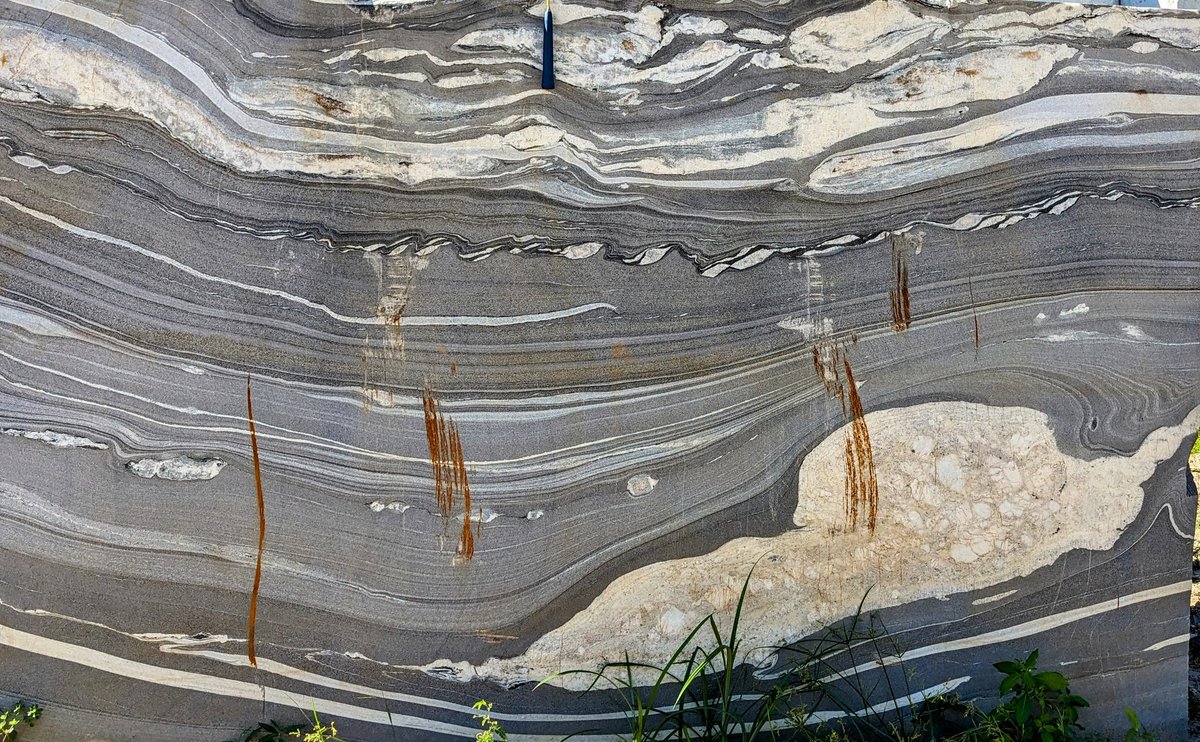
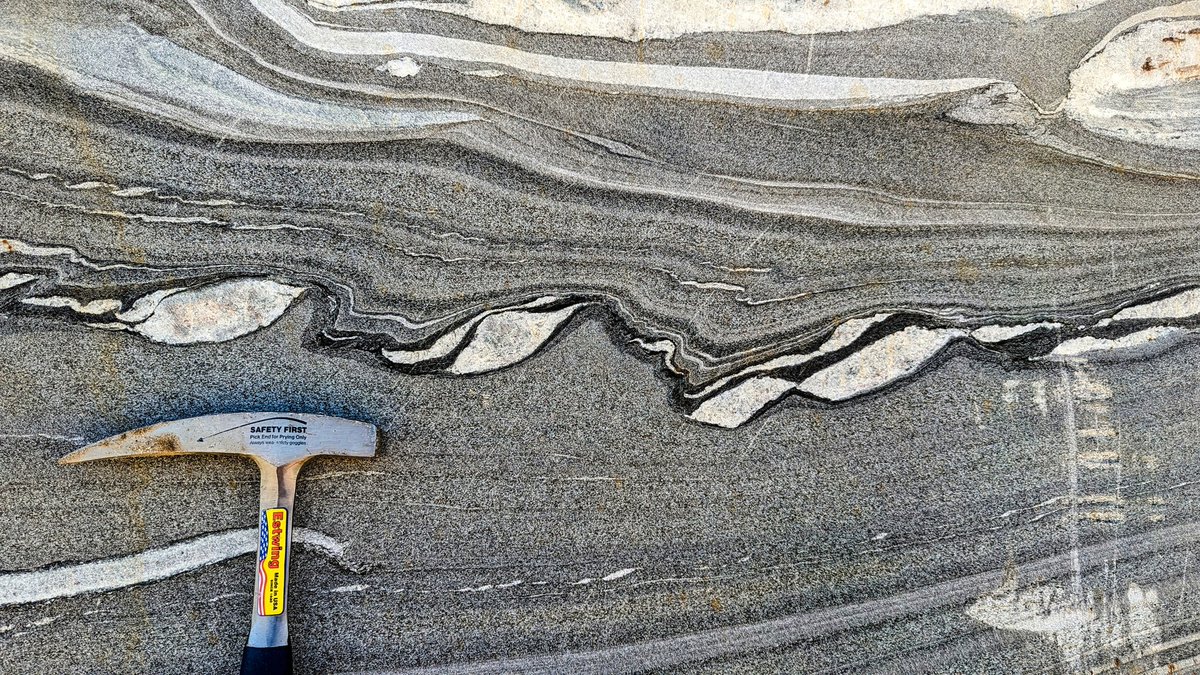
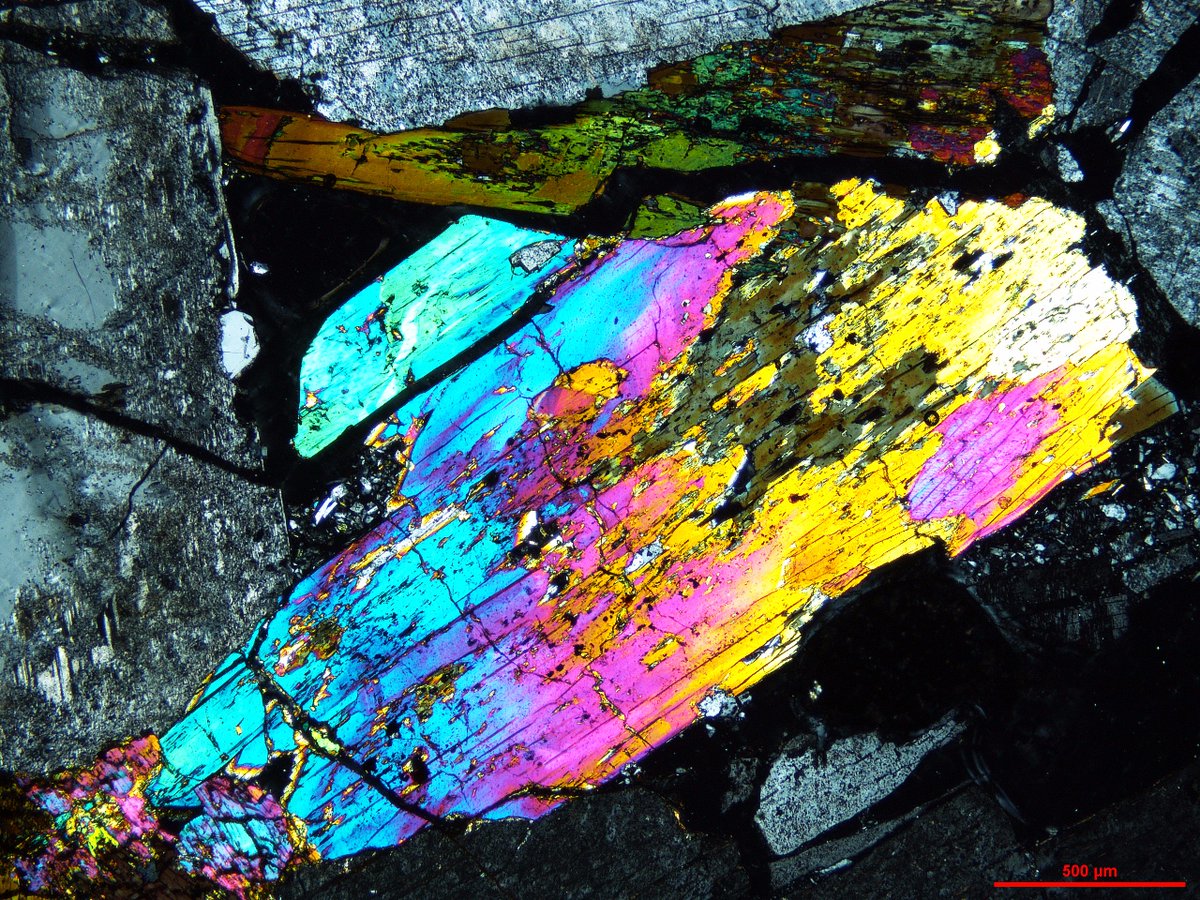
Syn-tectonic migmatites and granites with post tectonic granites and pegmatites... But they all make for some spectacular rocks in the field. @kmgoodenough@GeologyLeics
Imagine building a new home every time you outgrew yours.
Ammonites were born with a tiny shell, and as they grew, they built new chambers onto it. Illustration by Julius Csotonyi.
The image below is what the Pyramid of Khafre looked like right after it was completed in 2560 BCE. The original was encased in white limestone, and the peak was made of solid gold.
For thousands of years, the pyramid stood nearly unchanged. However, in 1303, a powerful earthquake struck the area, dislodging much of the limestone. This earthquake also triggered tsunamis that caused severe damage and loss of life in Crete and Alexandria.
The local inhabitants used their rudimentary tools to take apart the limestones, which were now easier to pull out due to the damage they had sustained from the earthquake.
The limestones that were stripped from the pyramid were used to build mosques and fortifications on the order of a local Sultan. The gold cap at the peak of the pyramid was also taken away, never to be seen again.
With the absence of its white limestone shell, the pyramid was no longer able to reflect the sun, making it visible from miles away.
#FossilFriday Sculpted ammonoid and a cluster of crystals on the facade of the geology building at Wurzburg University in Germany. Photographed in 2004.
Tintagel Castle; a 13th Century CE, fortification, situated on a rocky promontory overlooking sea, located on peninsula of Tintagel Island, adjacent to village of Tintagel in Cornwall, England. This castle has a long association with legends related to King Arthur. It was built in 13th Century CE, by Richard, Earl of Cornwall, during High Middle Ages. It later fell into disrepair and ruin.
Site was possibly occupied in Romano-British period, as an array of artefacts dating to this period have been found on peninsula, but as yet no Roman era structure has been proven to have existed there. Subsequently saw settlement during Early Medieval period, Mediterranean during late Roman period.
Tintagel Castle has been a tourist destination since mid-19th Century CE. Owned by William, Prince of Wales as part of landholdings of Duchy of Cornwall, site is managed by English Heritage.
- Subscribe for Weekly Newsletter -
https://t.co/QSjn4yGpeh
#archaeohistories
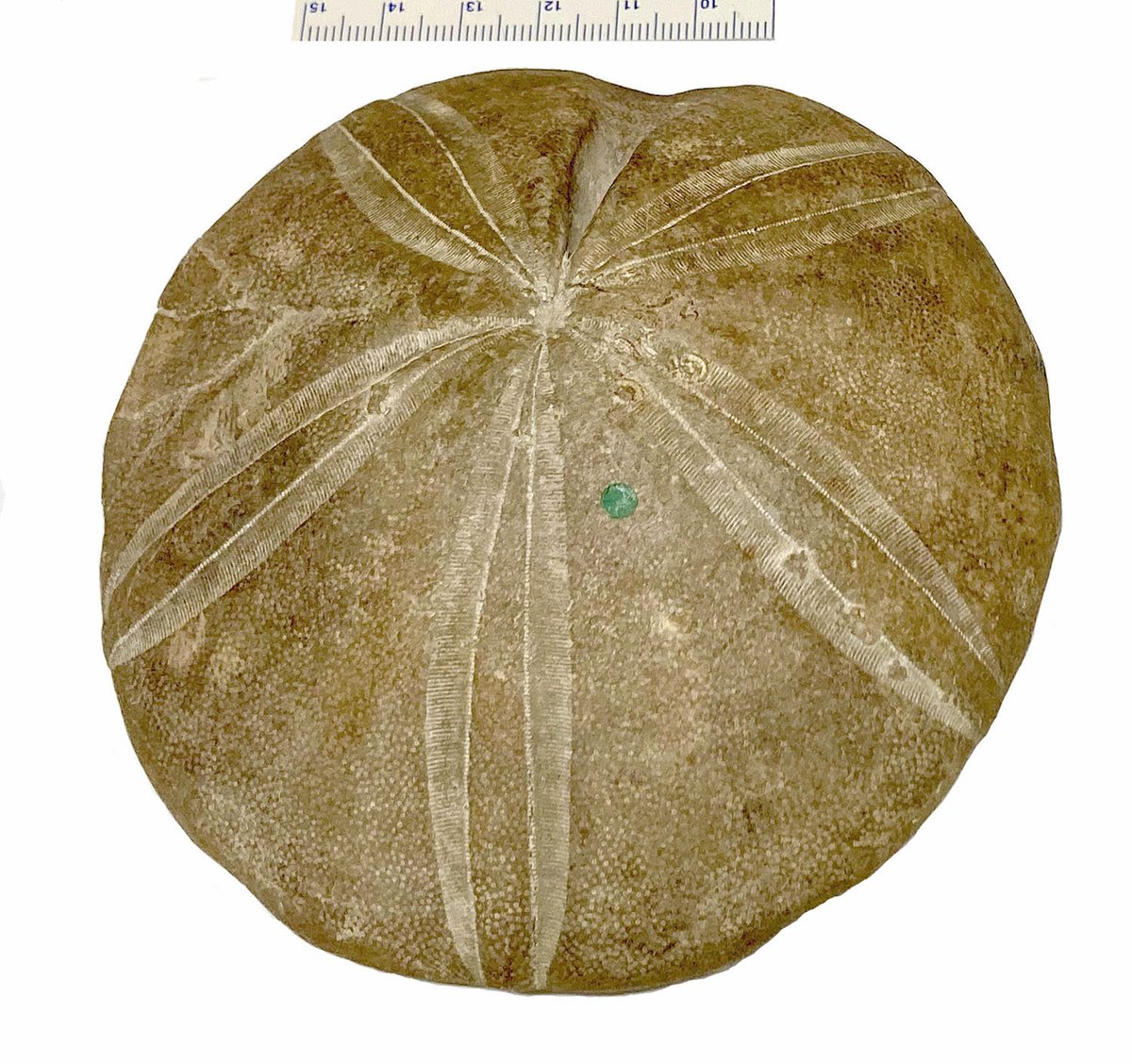
#FossilFriday Known in fossil folklore as ‘poundstones', tests of the echinoid Clypeus plotii are common in the Cotswold hills of England and give their name to the Clypeus Grit Member of the Middle Jurassic Inferior Oolite.