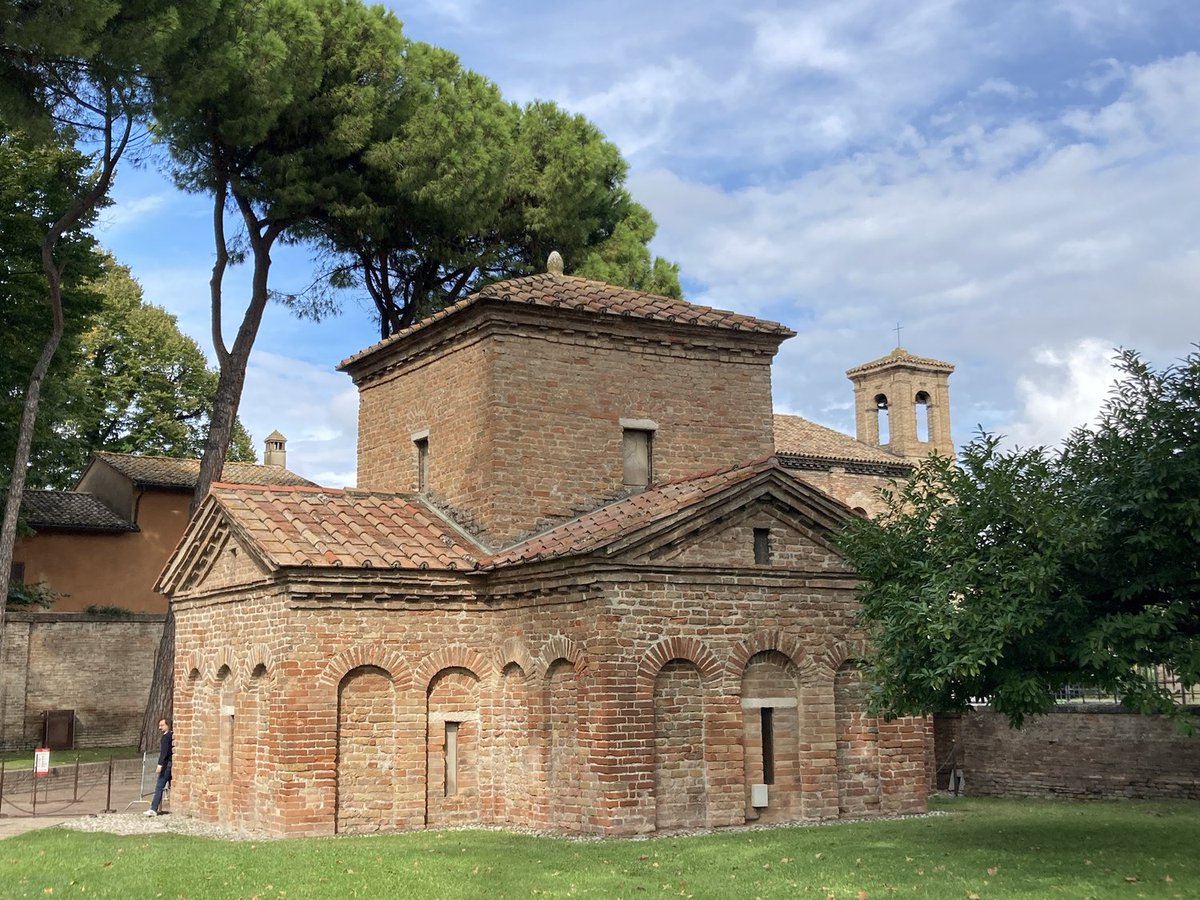
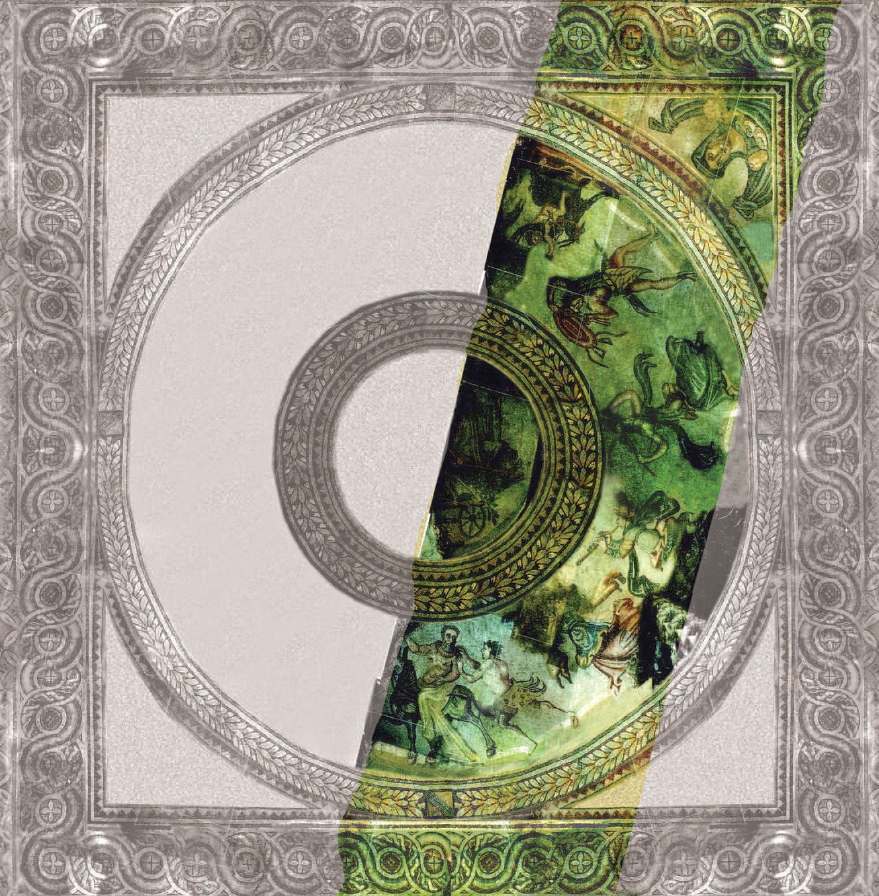
‘Mausoleum’ of Galla Placidia in Ravenna
Despite its name, Galla Placidia wasn’t buried there, but instead near St Peter’s Basilica in Rome
Nevertheless, this chapel was built by her between 425-450AD
It has an impressive amount of mosaics covering its walls and ceiling
Tuesday 17 November 1663
Up, and while I am dressing myself, Mr. Deane of Woolwich came to me …
So we broke up, and I to the office, where we sat all the forenoon doing several businesses, and at noon I to the ’Change where Mr. Moore came to me, and by and by Tom Trice and my uncle Wight, and so we out to a taverne (the New Exchange taverne over against the ’Change where I never was before, and I found my old playfellow Ben Stanley master of it), and thence to a scrivener to draw up a bond, and to another tavern (the King’s Head) we went, and calling on my cozen Angier at the India House there we eat a bit of pork from a cook shop together, and did seal the bond …*
So home, Mr. Hollyard being come to my wife, and there she being in bed … I had great discourse with him about my disease. He tells me again that I must eat in a morning some loosening gruel, and at night roasted apples, that I must drink now and then ale with my wine, and eat bread and butter and honey, and rye bread if I can endure it, it being loosening. I must also take once a week a clyster of his last prescription, only honey now and then instead of butter, which things I am now resolved to apply myself to. He being gone I to my office again to a little business, and then home to supper and to bed, being in, a little pain by drinking of cold small beer to-day and being in a cold room at the Taverne I believe.
Sam’s “disease” in that entry is chronic constipation (he also calls it being “costive”). Mr. Hollyard (Thomas Hollier, the surgeon who had earlier operated for the stone) tells him again that he must:
eat loosening gruel in the morning,
eat roasted apples at night,
drink ale mixed with his wine now and then,
eat bread and butter and honey,
try rye bread if he can tolerate it (because it is loosening),
and take a clyster (enema) once a week from Hollier’s last prescription, sometimes substituting honey for butter.
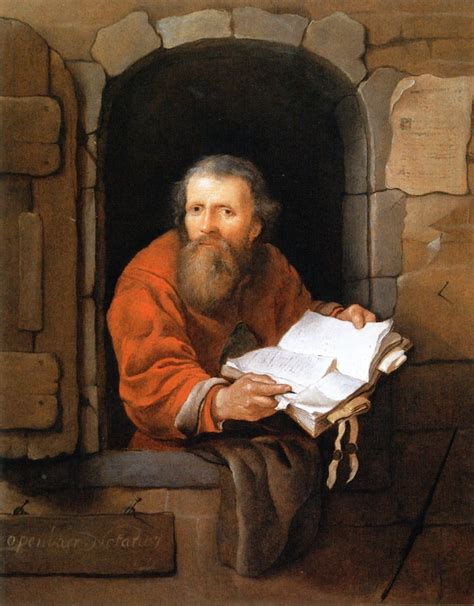
*A scrivener in 17th-century England was a professional writer or notary who drafted and prepared legal documents for a fee. This bond was the legal document that finalized and protected the settlement of the uncle’s estate claims so that both sides could treat the matter as closed.
Gabriel Metsu, Public Notary (1653)
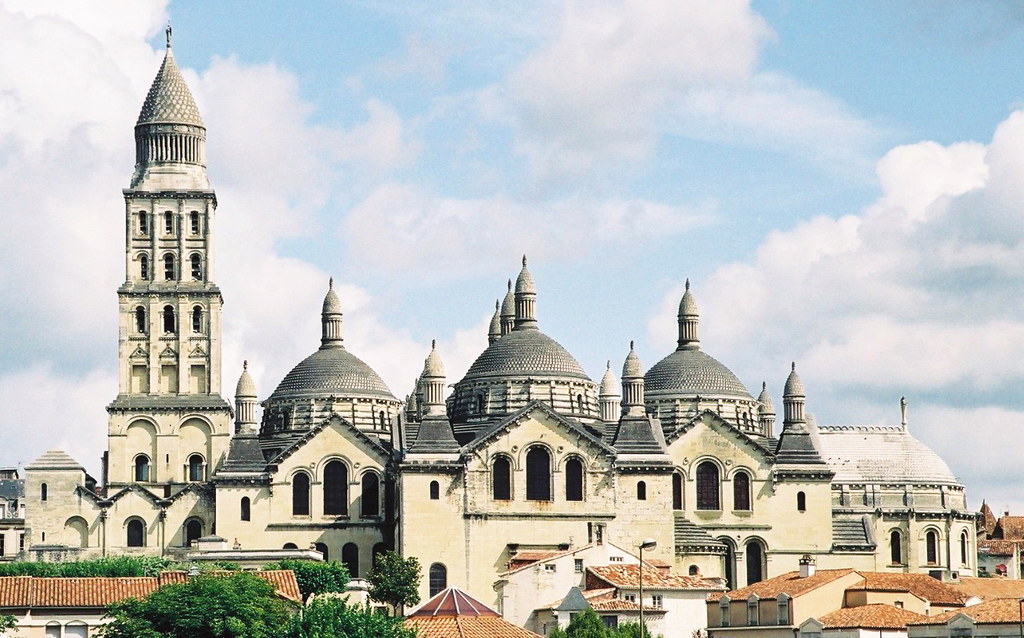
The current church plan dates from a 12th century rebuilding of the original basilican church
It was substantially enlarged in order to accommodate more pilgrims travelling to Santiago de Compostela in Spain
Périgueux Cathedral – a piece of Constantinople in France
The cathedral is modelled on Holy Apostles, one of the most important churches in Constantinople
It has a centralised Greek Cross plan with five domes
It started as an Orthodox church, dedicated to Virgin Hodegetria
When the Venetians came to rule in Monemvasia (1463-1540), the church was converted into Catholicism
Venetians eventually surrendered the city to Ottoman turks in 1540, and the church became a mosque
Romanesque sculpted capitals
With the fall of Western Roman Empire the classical architectural forms started to loosen, giving way to greater creativity in design
I was always fascinated by highly decorative motives in Romanesque column capitals
Here are some of my favourites:
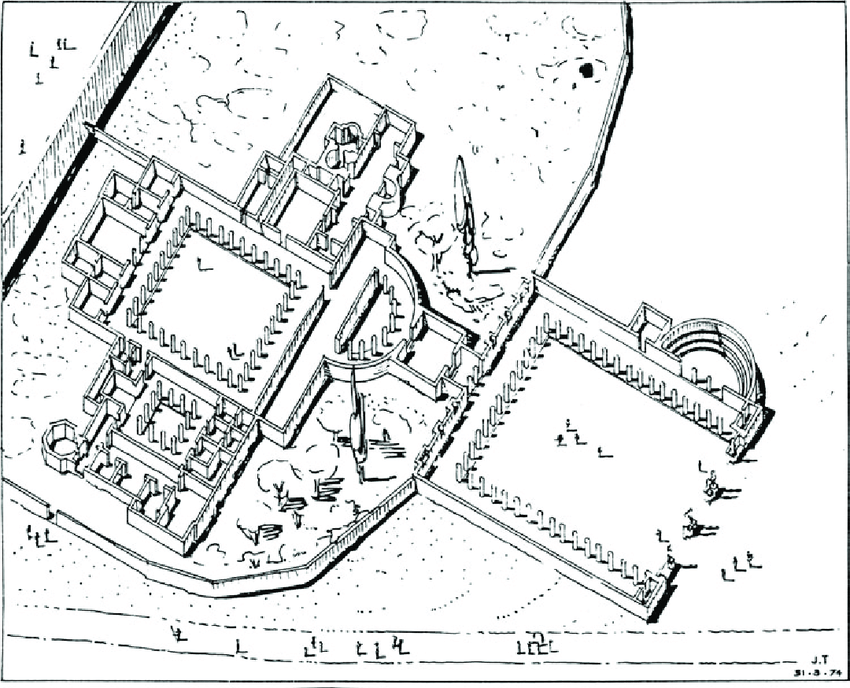
Palace of the Giants, Athens
This 5th century AD vast palatine residence stood on the Athenian Agora, encompassing its southern and central parts
It measured around 150 by 120 meters and rivalled the palaces of Constantinople itself
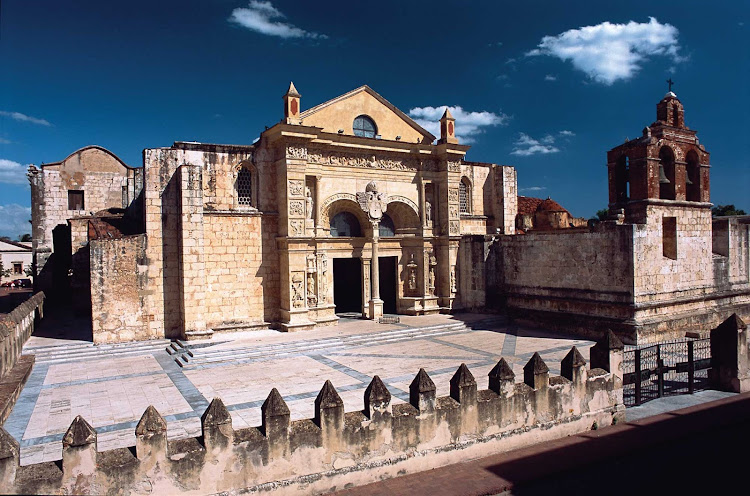
Pope Paul III in 1546 granted the church a rank of Metropolitan Cathedral and Primate of America
The building is one of few examples of Gothic architecture in the Americas, which should be distinguished from the 19th century Neo-Gothic style
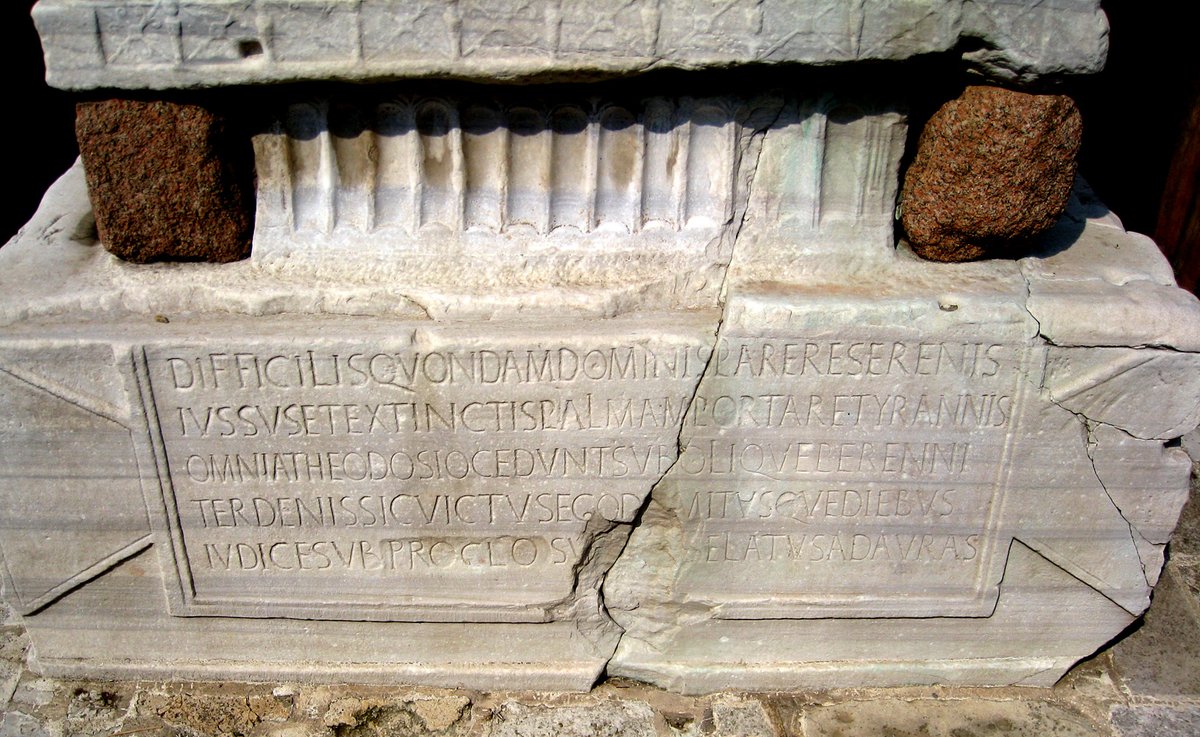
The Latin inscription underneath the obelisk reads:
‘Difficult once, I was ordered to be obedient to the serene master[s] and, after the tyrant[s] had been extinguished, to carry the palm.
All things cede to Theodosius and his undying issue…’
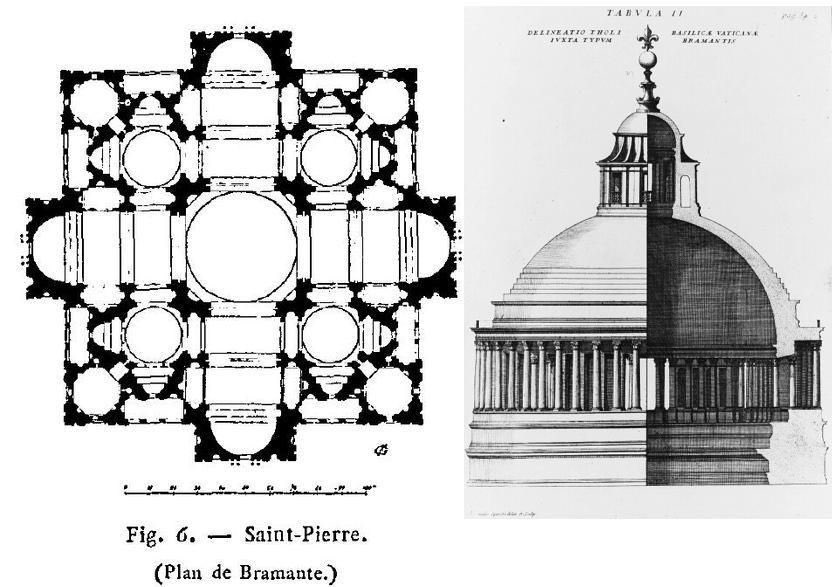
The first design selected in 1506 was by Donato Bramante, and had a form of a Greek cross with a centrally positioned dome and four subsidiary domes around it
397 years ago today St Peter’s Basilica was consecrated
Its reconstruction took 120 years, and the design we see today wasn’t at all what was initially envisaged
Here’s how it could’ve looked like:
What is the most eclectic architectural style?
I believe this title has to go to Norman Sicilian style of the Middle ages
It combines elements from Byzantine, Romanesque, Gothic and Arabic architecture
Here are some examples:
Triumph of Dionysus was still a popular mosaic theme among the elites in Late Antiquity
Here are two surviving examples from Constantinople:
1. Great Palace Mosaic Museum (6th century)
2. Psamatia Mosaic (5th century)