🇲🇽 🇧🇷 🇦🇷 🇵🇪 🇨🇴 🇨🇱 🇻🇪 🇪🇨 🇵🇦 GLOBAL CYBER INTELLIGENCE REPORT: CYBER THREAT OVERVIEW IN LATIN AMERICA — EXECUTIVE SUMMARY June 2026
[MONTHLY REPORT / COMPILATION OF EXPOSURES / ACTOR MAPPING / SOURCE: LATAM CYBER ALERT LANDSCAPE / COVERAGE: JUNE 2026]
Based on the analysis of big data and consolidated threat intelligence during June 2026, this cyber intelligence report details the landscape of alerts, incidents, and threat actor activity throughout the Americas. The analyzed ecosystem reveals a sustained, high-intensity campaign targeting corporate infrastructure and government entities across sectors, with a worrying focus on the mass exfiltration of citizen data and financial profiles.
📊 CORE METRICS AND ALERTS VOLUME
🚨 Total Alerts Recorded: 286 critical incidents.
👥 Threat Actors Monitored: 133 active gangs and operators.
🏢 Corporate Targets: 194 attacks (representing 67.8% of the most affected sectors).
🏛️ Government Targets: 34 government agencies compromised (11.9%).
🎒 Education and Health: These sectors accounted for 22 (7.7%) and 15 (5.2%) alerts, respectively.
🗺️ TOP MOST AFFECTED COUNTRIES AND HIGHLIGHTED ALERTS
The volume of incidents was concentrated, approximately 60%, in two dominant national infrastructures:
🇲🇽 Mexico (125 alerts / 43.7%)
🇧🇷 Brazil (46 alerts / 16.1%)
🇦🇷 Argentina (21 alerts / 7.3%)
🇵🇪 Peru (19 alerts / 6.6%)
🇨🇴 Colombia (17 alerts / 5.9%)
🇨🇱 Chile (15 alerts / 5.2%)
🇻🇪 Venezuela (13 alerts / 4.5%)
🇪🇨 Ecuador (12 alerts / 4.2%)
🇵🇦 Panama (6 alerts / 2.1%)
many These alerts have been processed by the research laboratory because, as they are not yet confirmed, evaluations are being carried out to identify vectors, digital footprints, and other documented logistical processes.
🎯 TOP THREAT ACTORS (RANKING OF CURRENT INCIDENTS)
The attribution analysis identified a group of actors responsible for repetitive and scalable campaigns, ranked by their volume of successful executions:
Exiles (14 incidents): Aggressively focused on compromising municipalities and local government agencies.
GordonFreeman (12 incidents): Specialized in intruding on public sector finances and ministries of economy.
CHRONUSTEAM (12 incidents): The main vector of disruption against educational and social security services.
vLeakz (10 incidents): A cell dedicated to extracting voter registration data and doxing police and municipal entities.
MagoSpeak (10 incidents): Operators focused on the telecommunications sector and public universities.
🛡️ COMPROMISE TAXONOMY ANALYSIS AND RECOMMENDATIONS (SOC)
87.8% of the mapped incidents fall into the Data Leak/Database Leak category, followed by 5.2% of Initial Access and Web Shell compromises.
To mitigate this high-exposure environment, IT infrastructure teams are advised to deploy the following strategic protection guidelines:
🛑 Credential Strengthening and Hygiene: Force the expiration of logical sessions and audit the cryptographic keys of perimeter APIs.
🔑 Remote Access System Hardening: Block unnecessary remote ports and ensure that any external management console implements mandatory hardware-based Multi-Factor Authentication (MFA).
🛡️ Cloud Storage Audit: Rigorously inspect cloud storage buckets (AWS S3, Azure Blobs) and public repositories to correct misconfigurations of permissions that lead to the inadvertent exposure of source code or environment variables.
📊 CENTRALIZED MONITORING AND EVALUATION
Intelligence System: https://t.co/wk9bZJ2Nli
Monitoring Console: https://t.co/5LuqwzYuS6
#CyberSecurity #LATAM #ThreatLandscape #CyberAlert #DataLeak #DDoS #InitialAccess #ThreatActors #Exiles #ChronusTeam #June2026 #VECERT #Infosec
🔎 Most analysts don’t need more tools. They need the right tools.
We’ve refreshed our toolkit for modern Threat Intelligence, OSINT, and Dark Web investigations by removing outdated or less relevant extensions and focusing on platforms that provide actionable intelligence.
* Infrastructure Intelligence: Shodan, Censys
* Breach Intelligence: DeHashed, Have I Been Pwned
* Threat Intelligence: MISP, IntelX
* Malware Analysis: Triage
* Reconnaissance: SpiderFoot, Recon-ng, theHarvester
* Web Investigation: URLScan, VirusTotal
* Exposure Monitoring: GitHub Dorking, FOCA, Doppelgänger
Analyst Note:
The most valuable intelligence often comes from correlating data across multiple sources. A leaked credential in DeHashed, an exposed server in Shodan, and a suspicious domain in URLScan may look unrelated individually—but together they can reveal the early stages of a compromise.
What tools are missing from your daily workflow?
#DDW #Intelligence #DarkWeb #OSINT
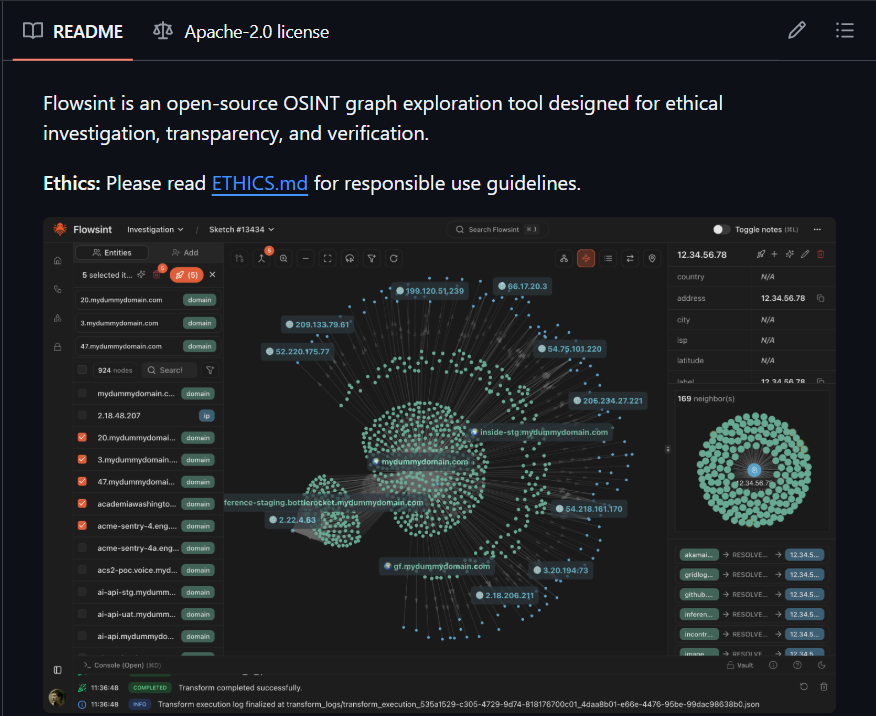
📌 أداة flowsint
اداة (OSINT) لجمع المعلومات عن اي شخص بضغطة زر واحدة سواء معرفة حساباته على مواقع التواصل الأجتماعي او ارقام الهواتف المرتبطة به وحتى البريد الألكتروني وتجميع البيانات المتناثرة
تحتوي على أكثر من 30 أداة لجمع المعلومات في اداة واحدة يمكنك فحص وتوسيع البيانات الخاصة بـ (أسماء الـ Domains وعناوين الـ IP وأرقام الهواتف والبريد الإلكتروني وأسماء المستخدمين والمواقع وحتى محافط العملات الرقمية Crypto Wallets)
باختصار: بمجرد امتلاكك لنقطة انطلاق واحدة (سواء كانت بريد إلكتروني او اسم مستخدم او الـ IP أو الأسم) ستساعدك الأداة على كشف شيء عن الشخص والروابط المخفية وبناء مخطط تحقيقي متكامل خلال دقائق
👇 رابط الأداة
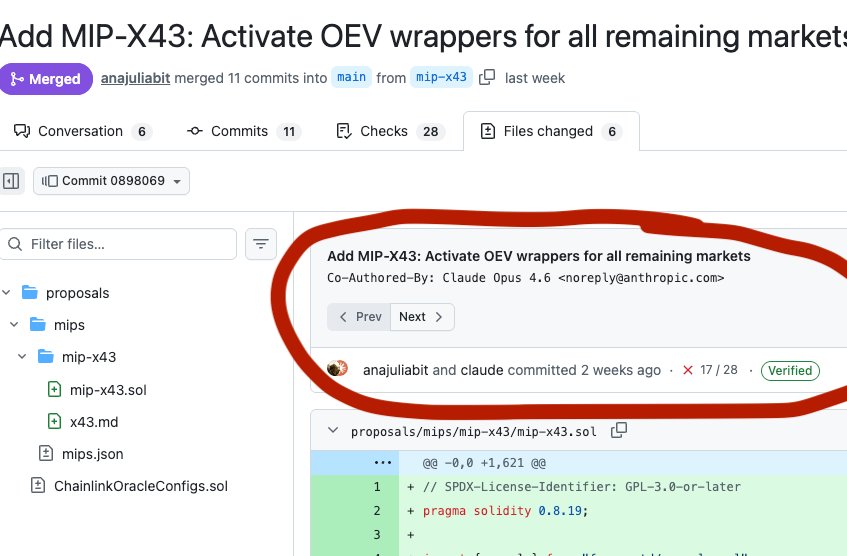
🚨Claude Opus 4.6 wrote vulnerable code, leading to a smart contract exploit with $1.78M loss
cbETH asset's price was set to $1.12 instead of ~$2,200. The PRs of the project show commits were co-authored by Claude - Is this the first hack of vibe-coded Solidity code?
👋 Folks, I'm super excited to announce the launch of the Microsoft Zero Trust Assessment!
I've been working on this project for the past year at Microsoft with an extended team including our security researchers, product feature teams and docs
Here's what it does
🧵👇
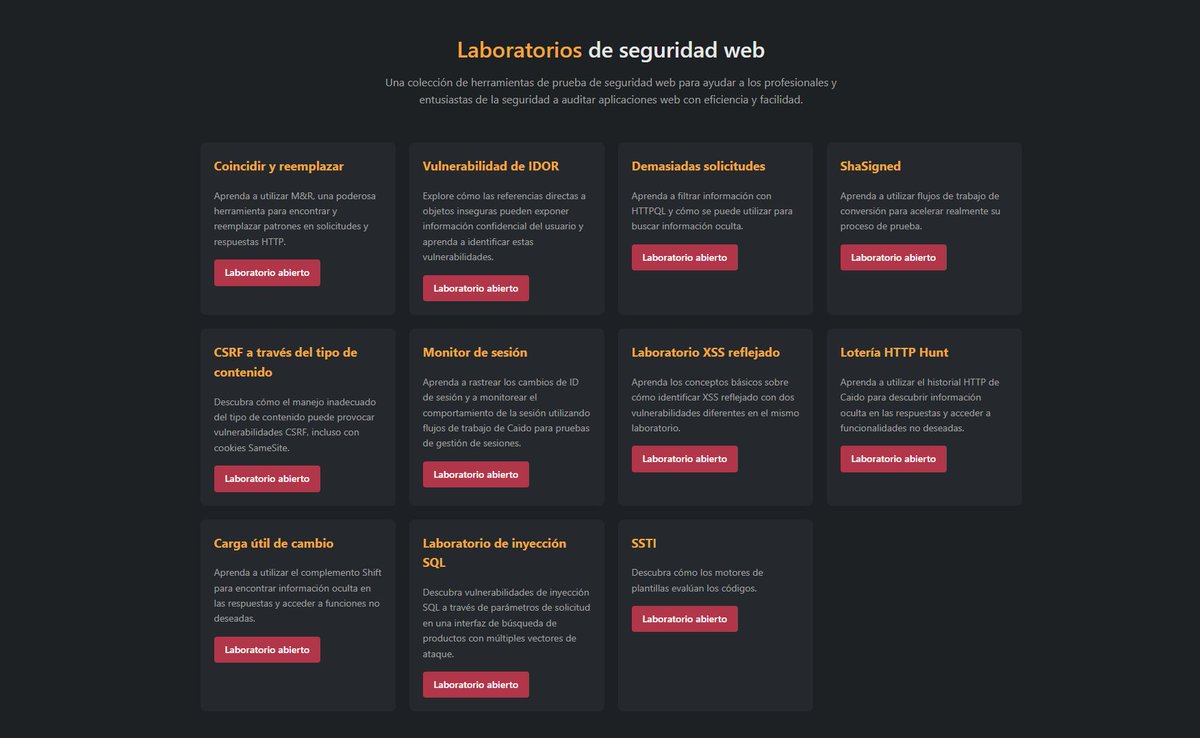
CAIDO ya tiene su propio Lab para hacking web
Una colección de herramientas de prueba de seguridad web para ayudar a los profesionales y entusiastas de la seguridad a auditar aplicaciones web con eficiencia y facilidad.
https://t.co/dZlb0oB8Jc
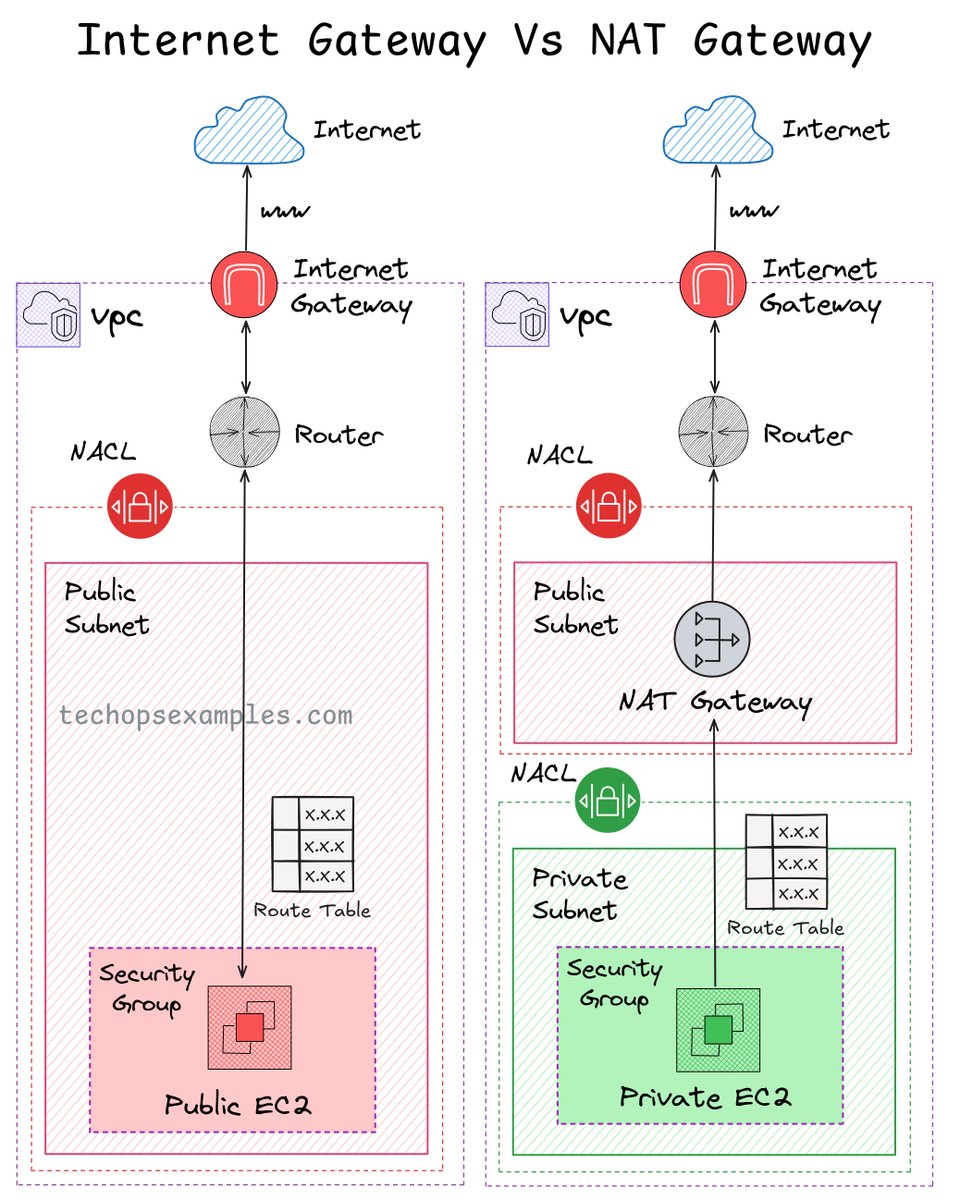
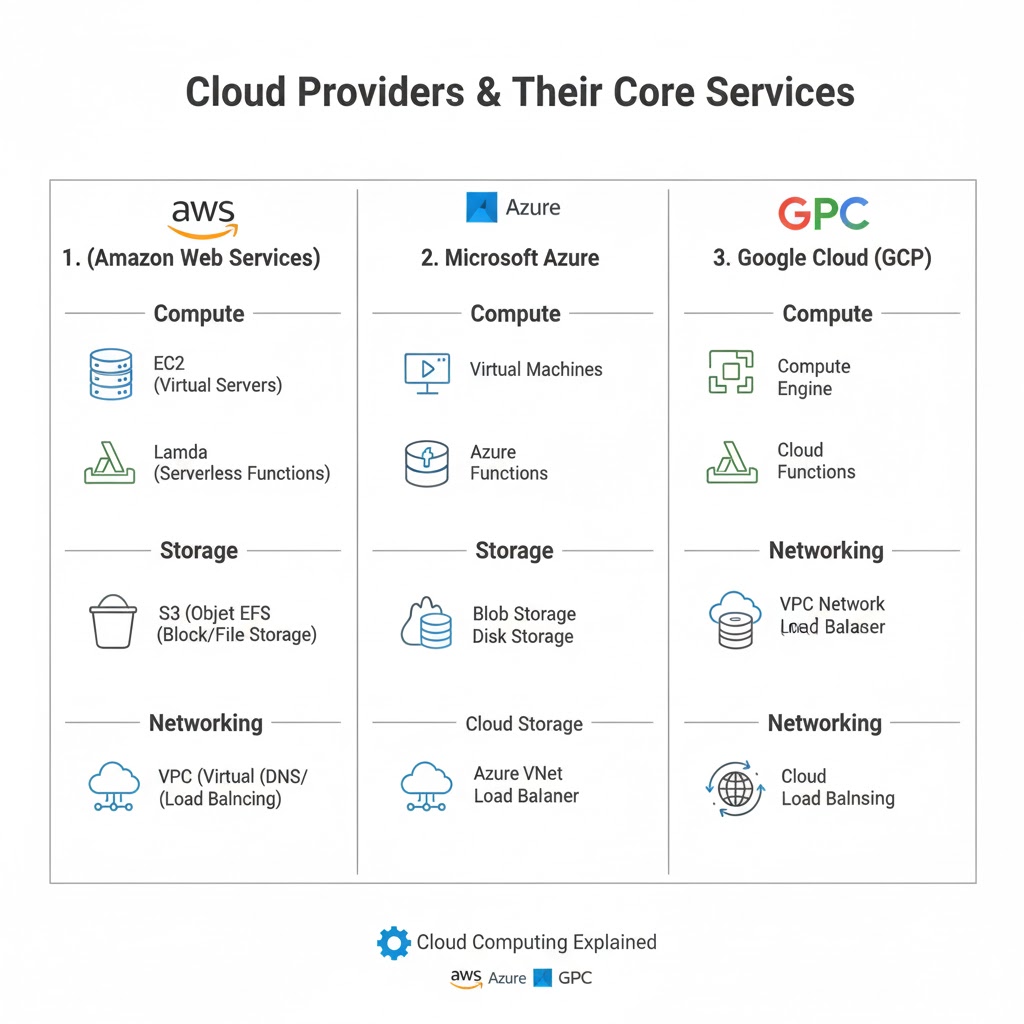
Not a joke, many Cloud Engineers don’t fully understand Internet and NAT Gateway differences or their implications.
Here, I’ve made this to help you better understand.
55K+ read my DevOps and Cloud newsletter: https://t.co/WBucLdwLhJ
What do we cover:
DevOps, Cloud, Kubernetes, IaC, GitOps, MLOps
🔁 Consider a Repost if this is helpful
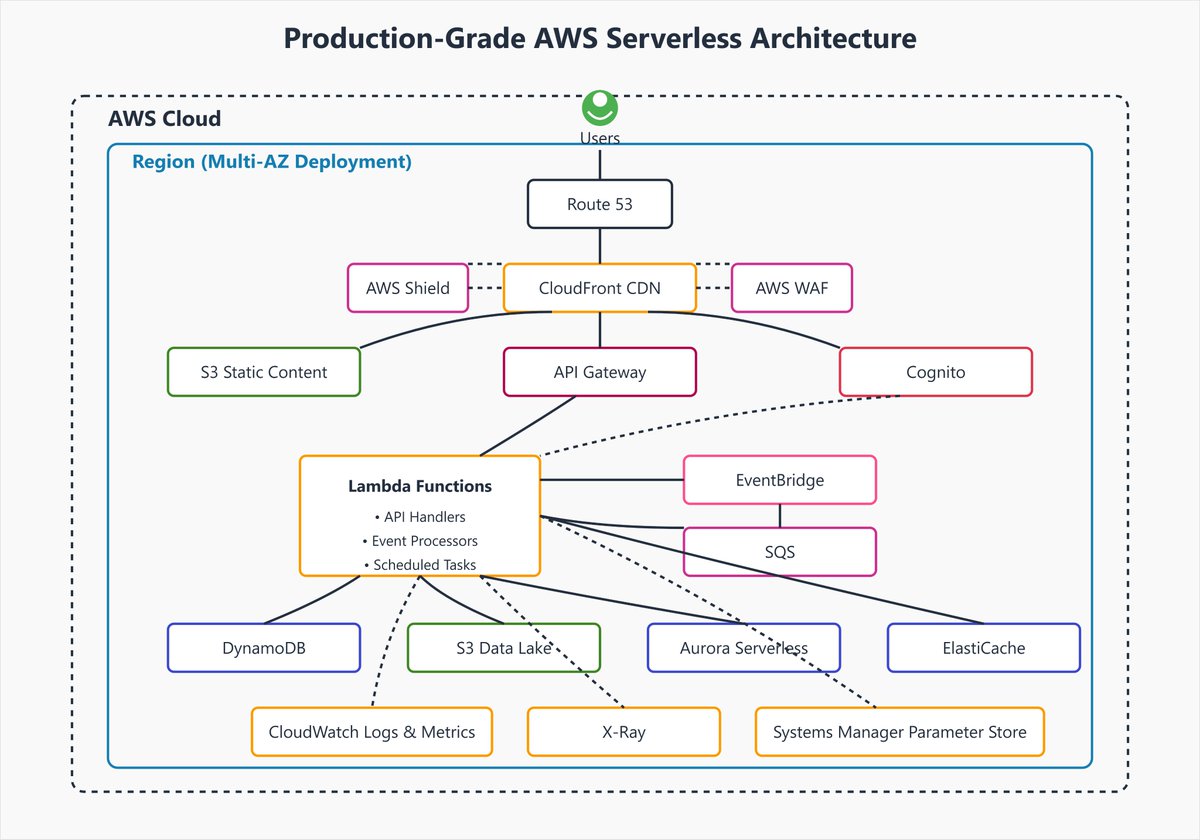
Simple guide to understand Serverless on AWS:
1) No servers to manage - you write code, AWS runs it
2) Pay only when code executes (per request, not per hour)
3) Lambda - your code that runs when triggered
4) API Gateway - receives HTTP requests and triggers Lambda
5) DynamoDB - NoSQL database that stores JSON data
6) Auto-scales from 0 to millions of requests automatically
Simple newsletter serverless system project:
1) Create Lambda function to handle email submissions
2) Set up API Gateway POST endpoint to trigger Lambda
3) Create DynamoDB table to store emails as JSON
4) Write Lambda code to save email to DynamoDB
5) Build simple HTML form and host on S3
6) Connect form to API Gateway endpoint
7) Test by submitting emails and checking DynamoDB
This is perfect first serverless project - real use case, no infrastructure headaches.


![VECERTRadar's tweet photo. 🇲🇽 🇧🇷 🇦🇷 🇵🇪 🇨🇴 🇨🇱 🇻🇪 🇪🇨 🇵🇦 GLOBAL CYBER INTELLIGENCE REPORT: CYBER THREAT OVERVIEW IN LATIN AMERICA — EXECUTIVE SUMMARY June 2026
[MONTHLY REPORT / COMPILATION OF EXPOSURES / ACTOR MAPPING / SOURCE: LATAM CYBER ALERT LANDSCAPE / COVERAGE: JUNE 2026]
Based on the analysis of big data and consolidated threat intelligence during June 2026, this cyber intelligence report details the landscape of alerts, incidents, and threat actor activity throughout the Americas. The analyzed ecosystem reveals a sustained, high-intensity campaign targeting corporate infrastructure and government entities across sectors, with a worrying focus on the mass exfiltration of citizen data and financial profiles.
📊 CORE METRICS AND ALERTS VOLUME
🚨 Total Alerts Recorded: 286 critical incidents.
👥 Threat Actors Monitored: 133 active gangs and operators.
🏢 Corporate Targets: 194 attacks (representing 67.8% of the most affected sectors).
🏛️ Government Targets: 34 government agencies compromised (11.9%).
🎒 Education and Health: These sectors accounted for 22 (7.7%) and 15 (5.2%) alerts, respectively.
🗺️ TOP MOST AFFECTED COUNTRIES AND HIGHLIGHTED ALERTS
The volume of incidents was concentrated, approximately 60%, in two dominant national infrastructures:
🇲🇽 Mexico (125 alerts / 43.7%)
🇧🇷 Brazil (46 alerts / 16.1%)
🇦🇷 Argentina (21 alerts / 7.3%)
🇵🇪 Peru (19 alerts / 6.6%)
🇨🇴 Colombia (17 alerts / 5.9%)
🇨🇱 Chile (15 alerts / 5.2%)
🇻🇪 Venezuela (13 alerts / 4.5%)
🇪🇨 Ecuador (12 alerts / 4.2%)
🇵🇦 Panama (6 alerts / 2.1%)
many These alerts have been processed by the research laboratory because, as they are not yet confirmed, evaluations are being carried out to identify vectors, digital footprints, and other documented logistical processes.
🎯 TOP THREAT ACTORS (RANKING OF CURRENT INCIDENTS)
The attribution analysis identified a group of actors responsible for repetitive and scalable campaigns, ranked by their volume of successful executions:
Exiles (14 incidents): Aggressively focused on compromising municipalities and local government agencies.
GordonFreeman (12 incidents): Specialized in intruding on public sector finances and ministries of economy.
CHRONUSTEAM (12 incidents): The main vector of disruption against educational and social security services.
vLeakz (10 incidents): A cell dedicated to extracting voter registration data and doxing police and municipal entities.
MagoSpeak (10 incidents): Operators focused on the telecommunications sector and public universities.
🛡️ COMPROMISE TAXONOMY ANALYSIS AND RECOMMENDATIONS (SOC)
87.8% of the mapped incidents fall into the Data Leak/Database Leak category, followed by 5.2% of Initial Access and Web Shell compromises.
To mitigate this high-exposure environment, IT infrastructure teams are advised to deploy the following strategic protection guidelines:
🛑 Credential Strengthening and Hygiene: Force the expiration of logical sessions and audit the cryptographic keys of perimeter APIs.
🔑 Remote Access System Hardening: Block unnecessary remote ports and ensure that any external management console implements mandatory hardware-based Multi-Factor Authentication (MFA).
🛡️ Cloud Storage Audit: Rigorously inspect cloud storage buckets (AWS S3, Azure Blobs) and public repositories to correct misconfigurations of permissions that lead to the inadvertent exposure of source code or environment variables.
📊 CENTRALIZED MONITORING AND EVALUATION
Intelligence System: https://t.co/wk9bZJ2Nli
Monitoring Console: https://t.co/5LuqwzYuS6
#CyberSecurity #LATAM #ThreatLandscape #CyberAlert #DataLeak #DDoS #InitialAccess #ThreatActors #Exiles #ChronusTeam #June2026 #VECERT #Infosec](https://pbs.twimg.com/media/HMn9BJ4WAAEe6Ko.jpg)






![VECERTRadar's tweet photo. 🇲🇽 🇧🇷 🇦🇷 🇵🇪 🇨🇴 🇨🇱 🇻🇪 🇪🇨 🇵🇦 GLOBAL CYBER INTELLIGENCE REPORT: CYBER THREAT OVERVIEW IN LATIN AMERICA — EXECUTIVE SUMMARY June 2026
[MONTHLY REPORT / COMPILATION OF EXPOSURES / ACTOR MAPPING / SOURCE: LATAM CYBER ALERT LANDSCAPE / COVERAGE: JUNE 2026]
Based on the analysis of big data and consolidated threat intelligence during June 2026, this cyber intelligence report details the landscape of alerts, incidents, and threat actor activity throughout the Americas. The analyzed ecosystem reveals a sustained, high-intensity campaign targeting corporate infrastructure and government entities across sectors, with a worrying focus on the mass exfiltration of citizen data and financial profiles.
📊 CORE METRICS AND ALERTS VOLUME
🚨 Total Alerts Recorded: 286 critical incidents.
👥 Threat Actors Monitored: 133 active gangs and operators.
🏢 Corporate Targets: 194 attacks (representing 67.8% of the most affected sectors).
🏛️ Government Targets: 34 government agencies compromised (11.9%).
🎒 Education and Health: These sectors accounted for 22 (7.7%) and 15 (5.2%) alerts, respectively.
🗺️ TOP MOST AFFECTED COUNTRIES AND HIGHLIGHTED ALERTS
The volume of incidents was concentrated, approximately 60%, in two dominant national infrastructures:
🇲🇽 Mexico (125 alerts / 43.7%)
🇧🇷 Brazil (46 alerts / 16.1%)
🇦🇷 Argentina (21 alerts / 7.3%)
🇵🇪 Peru (19 alerts / 6.6%)
🇨🇴 Colombia (17 alerts / 5.9%)
🇨🇱 Chile (15 alerts / 5.2%)
🇻🇪 Venezuela (13 alerts / 4.5%)
🇪🇨 Ecuador (12 alerts / 4.2%)
🇵🇦 Panama (6 alerts / 2.1%)
many These alerts have been processed by the research laboratory because, as they are not yet confirmed, evaluations are being carried out to identify vectors, digital footprints, and other documented logistical processes.
🎯 TOP THREAT ACTORS (RANKING OF CURRENT INCIDENTS)
The attribution analysis identified a group of actors responsible for repetitive and scalable campaigns, ranked by their volume of successful executions:
Exiles (14 incidents): Aggressively focused on compromising municipalities and local government agencies.
GordonFreeman (12 incidents): Specialized in intruding on public sector finances and ministries of economy.
CHRONUSTEAM (12 incidents): The main vector of disruption against educational and social security services.
vLeakz (10 incidents): A cell dedicated to extracting voter registration data and doxing police and municipal entities.
MagoSpeak (10 incidents): Operators focused on the telecommunications sector and public universities.
🛡️ COMPROMISE TAXONOMY ANALYSIS AND RECOMMENDATIONS (SOC)
87.8% of the mapped incidents fall into the Data Leak/Database Leak category, followed by 5.2% of Initial Access and Web Shell compromises.
To mitigate this high-exposure environment, IT infrastructure teams are advised to deploy the following strategic protection guidelines:
🛑 Credential Strengthening and Hygiene: Force the expiration of logical sessions and audit the cryptographic keys of perimeter APIs.
🔑 Remote Access System Hardening: Block unnecessary remote ports and ensure that any external management console implements mandatory hardware-based Multi-Factor Authentication (MFA).
🛡️ Cloud Storage Audit: Rigorously inspect cloud storage buckets (AWS S3, Azure Blobs) and public repositories to correct misconfigurations of permissions that lead to the inadvertent exposure of source code or environment variables.
📊 CENTRALIZED MONITORING AND EVALUATION
Intelligence System: https://t.co/wk9bZJ2Nli
Monitoring Console: https://t.co/5LuqwzYuS6
#CyberSecurity #LATAM #ThreatLandscape #CyberAlert #DataLeak #DDoS #InitialAccess #ThreatActors #Exiles #ChronusTeam #June2026 #VECERT #Infosec](https://pbs.twimg.com/media/HMn-a7gXYAEYQpY.jpg)