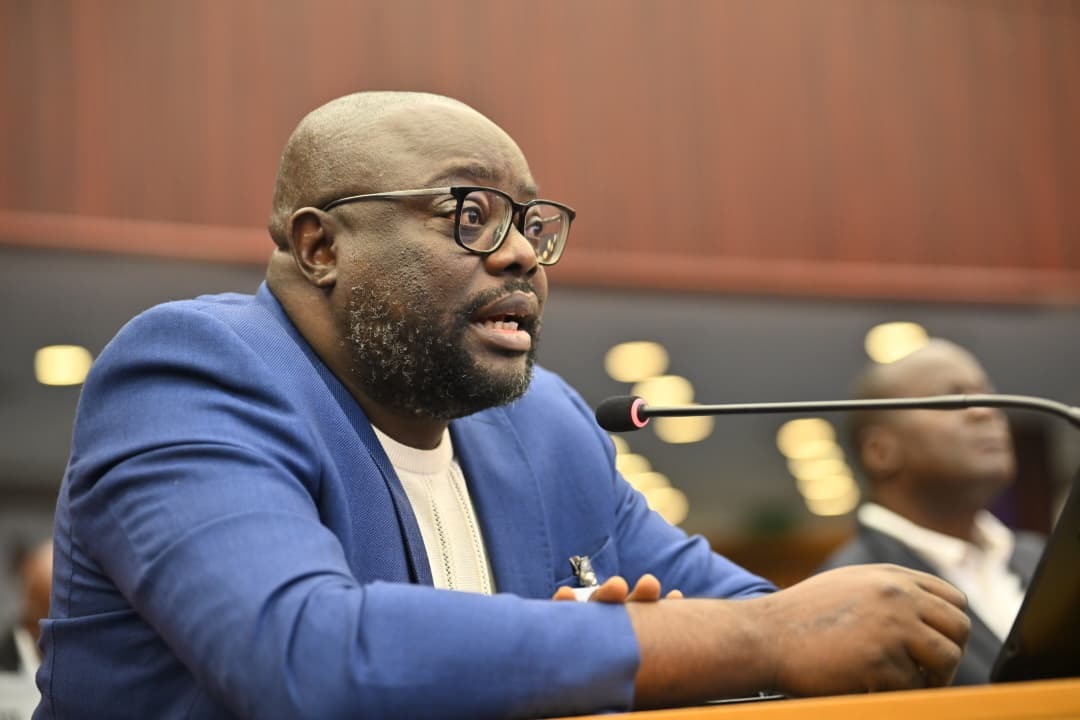
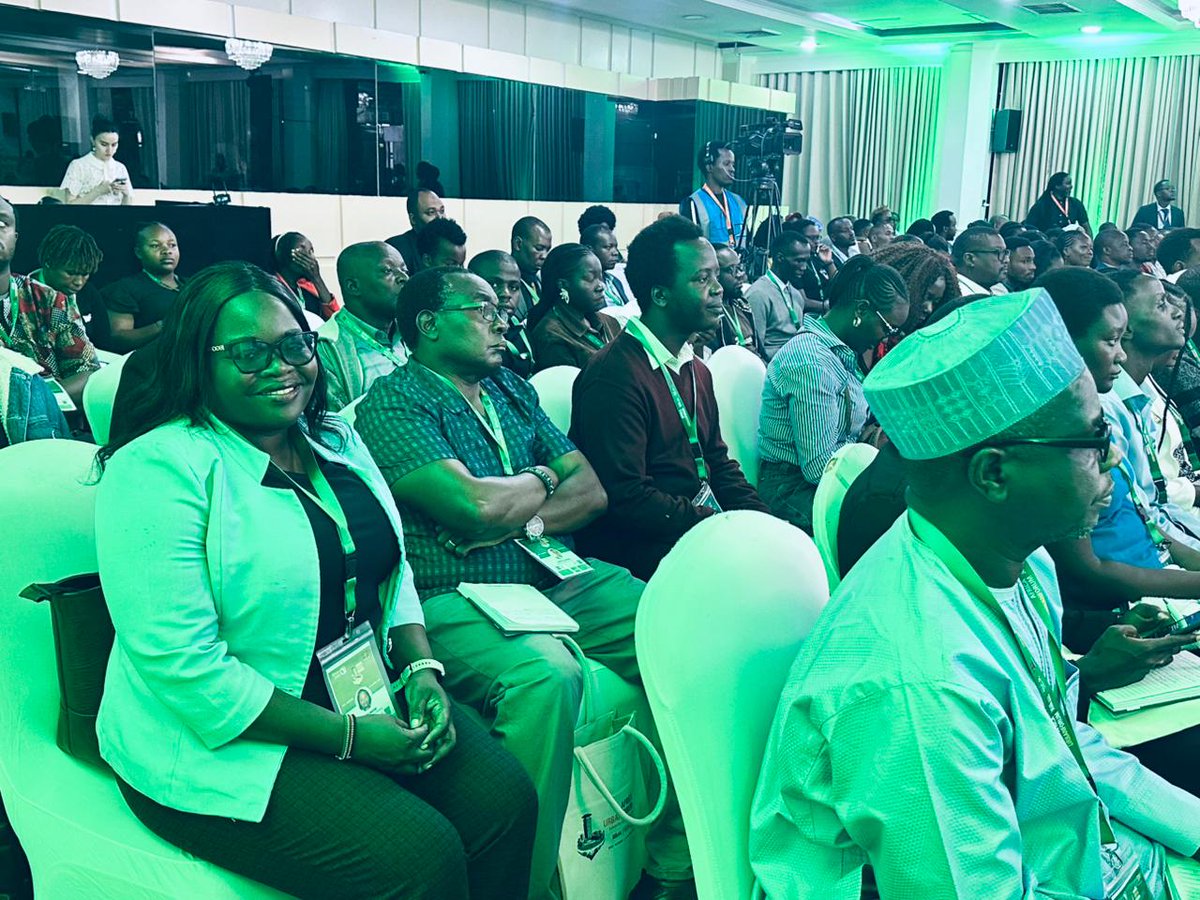
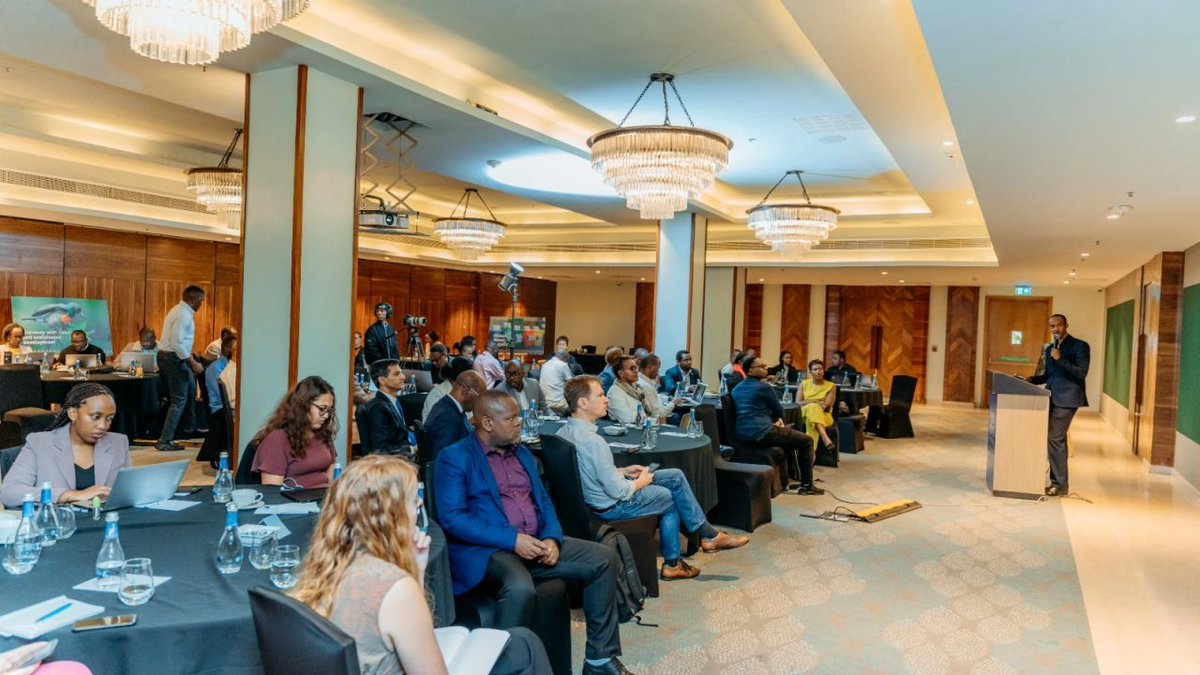
The Climate Justice Impact Fund for Africa (CJIFA), PACJA’s direct community response and intermediary initiative designed to ensure climate finance reaches frontline communities, convened its first Advisory Board meeting at the PACJA Secretariat.
The purpose of this landmark meeting was to streamline strategic conversations aimed at scaling CJIFA to the next level, as a pioneering vehicle amplifying the voices of indigenous peoples, nature-based, and locally led communities who stand on the frontline of climate disasters and remain the true champions of adaptation.
The meeting was honored by H.E. Dr. Joyce Banda @DrJoyceBanda, former President of Malawi and Chair of the CJIFA Advisory Board, alongside distinguished Advisory Board members Ms. Jacqueline Patterson (The Chisholm Legacy Project, USA), Ms. Celine Charveriat (Founder, Pro(to)topia), Ms. Beverly Wright (Co-Chair, National Black Environmental Justice Network – NBEJN), with Prof. Mamphela Ramphele acknowledged in absentia.
The PACJA and CJIFA team present included Dr. Mithika Mwenda @mithikamwenda, Executive Director of PACJA; Mr. Charles Mwangi, Head of Programs and Research, PACJA; Ms. Fathiya Abdulmajid, Head of Finance, PACJA; Ms. Ann Kobia, HR and Partnerships Lead, PACJA; Mrs. Jacinda Njike, Chief Architect, CJIFA; and Ms. Rebecca Kalume, CJIFA Coordinator also joined by Ms. Anais Dicroce, Director of Partnerships at the Global Fairness Initiative (GFI).
The sitting began with discussions on potential strategic partnerships between CJIFA and GFI, followed by the main Advisory Board deliberations.
Key highlights from the Advisory Board meeting included:
Exploring pathways to scale CJIFA into a financially empowered international entity capable of bridging global climate finance and resilient communities often excluded from conventional funding streams;
Leveraging the collective influence, networks, and mobilization power of Advisory Board members to strengthen institutional capacity and create strategic opportunities for CJIFA;
Identifying practical pathways to ensure frontline communities are equipped with the right tools, resources, and mechanisms to strengthen their agency and leadership in climate adaptation and resilience.
In her closing remarks, H.E. Dr. Joyce Banda reflected the collective commitment of the Advisory Board, affirming their readiness to walk alongside PACJA and CJIFA in ensuring that climate injustice becomes a thing of the past in the years ahead.
This meeting marks the beginning of a transformative journey toward climate finance that is equitable, inclusive, and community driven.
#ClimateJustice #CJIFA #ClimateFinance #LocallyLedAdaptation #AfricaClimateAction
The Climate Justice Impact Fund for Africa (#CJIFA), #PACJA’s direct community response and intermediary initiative, convened its first Advisory Board meeting at the PACJA offices to chart pathways for scaling climate finance access for frontline communities across Africa.
When two heads of state meet to discuss how to whip and discipline citizens demanding accountability, we’ve crossed from democracy into dictatorship. President Suluhu’s call for President Ruto to join her in suppressing Gen Zs is a conspiracy against constitutional rights.
The audacity to frame calls for good governance as notorious behaviour that must be tamed is an insult to every freedom our constitutions guarantee. Democracy is anchored on the fundamental pillars of the rule of law, human rights and accountable leadership. These aren’t negotiable.
If exercising our constitutional right to protest makes us deserving of canes and whips then our leaders have forgotten who they serve. We will not be silenced. We will not be beaten into submission. The Constitution is our shield and defender and not the whims of those who fear accountability.
At #ARFSD12, Pan African Climate Justice Alliance convened critical conversations on carbon markets & climate finance in Africa.
Key takeaways:
• Africa must move beyond being carbon credit exporters to value creators
• Article 6 of the Paris Agreement raises key questions on equity & development impact
• Strong call for transparency, fair pricing & human rights-centered models
• Carbon markets must NOT replace financing for national development priorities
CSOs were urged to go beyond accountability to advisory roles that shape policy & implementation.
Communities must be at the center, not just beneficiaries, but active custodians.
#ClimateJustice #CarbonMarkets #AfricaRising
After 2 years of discussions, we have reached consensus to move forward with the establishment of the Regional Research Centre on Carbon Credit and the New Climate Economy.
The initiative is led by the DRC Climate Change Network (RCCRDC) and the Ministry of Environment, Sustainable Development and New Climate Economy of the DRC, with technical support from UNEP, UNECA, FAO and UNDP.
Following the programme launch at COP30 Belém, with the participation of the DRC Government, RCCRDC and UN agencies, the process is now entering the development phase toward an African-owned research centre for Africa.
Coordination is currently led by:
@Nassim for UNECA
@Daisy for UNDP
@Fischer for UNEP
@Azagabe for RCCRDC
@ProfIsaacKalonda for the Ministry of Environment
with engagement from GCF Headquarters.
For questions: [email protected]
#COP30 #DRC #Africa #CarbonCredit #ClimateFinance #NewClimateEconomy
Overall, the webinar reinforced that Africa’s transition must be people-centered, development-driven, and shaped by the continent’s own realities and priorities.
#JustTransition#EnergyJustice#Africa#COP31
A rich and timely discussion at #PACJA Webinar 5 on the Road to COP31–32
The session unpacked what a Just Transition means for Africa in the face of persistent energy poverty, emphasizing the need to align climate action with development priorities.
Conversations explored the political economy of energy transitions, including how geopolitics, global finance, and power dynamics continue to shape Africa’s options.
Speakers highlighted the importance of a carefully sequenced transition that safeguards energy security and industrial growth, while also addressing the continent’s need for expanded energy access. The role of critical minerals, value addition, and regional cooperation in building resilient economies was also emphasized.
Financing gaps, limited access to technology, and dependence on external capital remain major barriers, reinforcing the need for stronger domestic resource mobilization and African-led solutions.
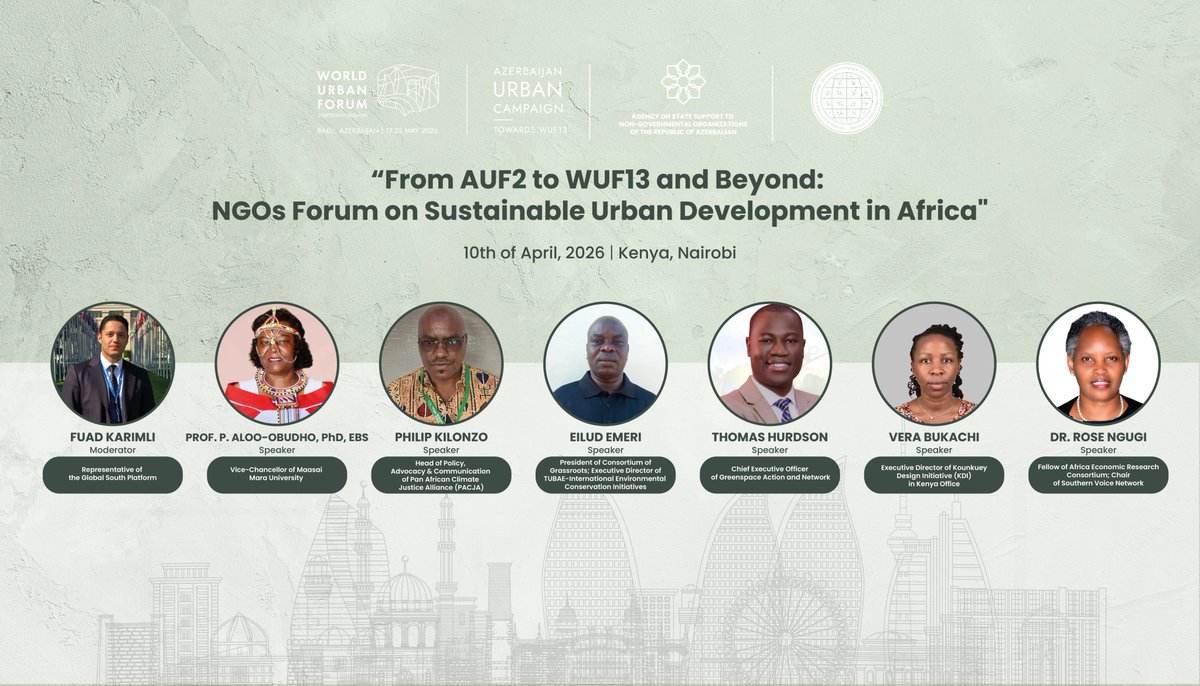
At #AUF2 in Nairobi, the NGOs Forum on Sustainable Urban Development convened voices from across Africa and the Global South to reimagine the future of our cities.
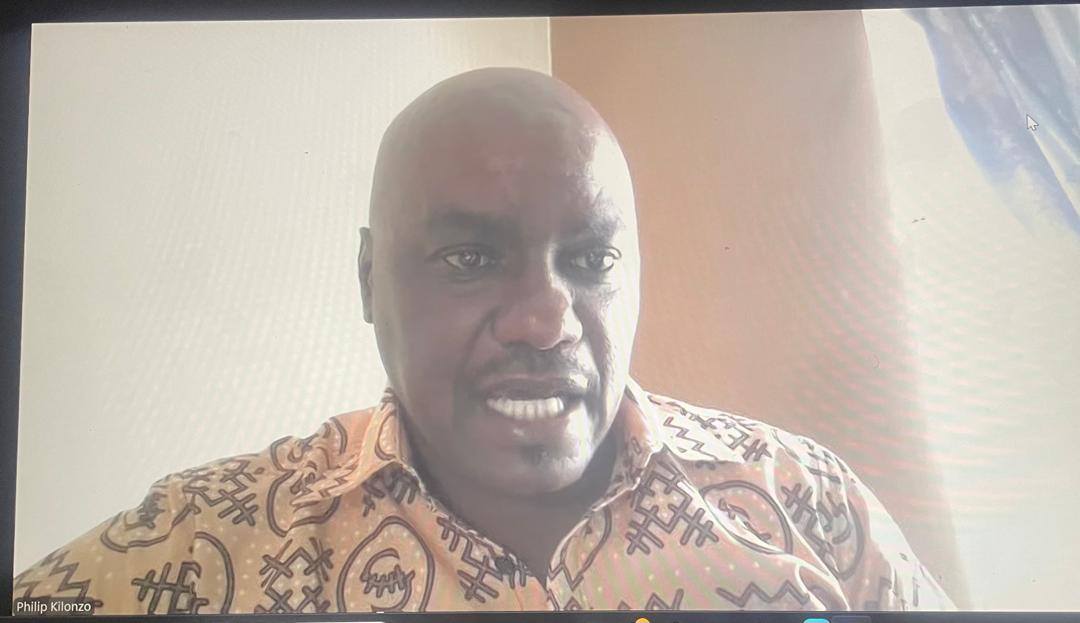
Representing PACJA, our Head of Policy, Advocacy, and Communications, Philip Kilonzo underscored a critical message:
There is no sustainable urbanization without climate resilience and justice.
As climate impacts intensify floods, heatwaves, and inequality, our cities are becoming the frontline of the crisis.
He called for:
Stronger #SouthSouth cooperation to co-create local solutions
Inclusive, people-centered & climate-resilient urban planning
Meaningful inclusion of CSOs in decision-making
Accessible climate finance for vulnerable urban communities.
From #AUF2 to #WUF13, the Global South must move beyond participation to agenda-setting and collective leadership.
#ClimateJustice #SustainableCities #Africa #UrbanDevelopment
Our fourth webinar on the analysis of Addis Ababa Declaration has just concluded; thank you to everyone who joined!
Special thanks to Philip Kilonzo @Philkilonzo for expertly moderating and setting the stage, challenging us to rethink whether Africa is truly ready to move from commitments to implementation.
A key highlight from Eugene Nforngwa:
“Without strong implementation… commitments will remain aspirational rather than transformational.”
@Eugene_Nforngwa emphasized that while the Declaration sets bold targets on climate finance, energy transition, and resilience, the real test lies in execution.
He stressed that the focus must now shift to action, turning ambition into concrete results through accountability, coordination, and inclusive participation across all actors
The message is clear: the future of Africa’s climate agenda depends not on what is said, but on what is done.
#ClimateJustice #AddisAbabaDeclaration #AfricaClimateSummit2 #RoadtoCop31
Another killing at a police station.
Wilson Sanaet Karbolo, a 30 years old man from Narok, was shot and killed on Sunday, 29th March 2026, by the Deputy OCS of Narok Police Station.
Wilson had gone to the station to follow up on the arrest of his brother. In the process, an altercation ensued. He was shot twice in the chest and died on the spot.
@VOCALAfrica_, in partnership with local human rights defenders, is following up on the matter.
#AGNStrategicMeeting
Rona Ali AHMED, International Organization for Migration(IOM) – UN Migration Special Liaison Office to the AU and United Nations Economic Commission for Africa (UNECA): “Sub-Saharan Africa recorded 19.3 million internal displacements in 2024, including 7.8 million caused by disasters, underscoring the scale of climate-induced movement. IOM’s three strategic pillars for addressing climate mobility include; developing solutions for people to move, for people on the move, and for people to stay. Examples include efforts in West Africa to reduce displacement and enable regular migration pathways; support to pastoralist communities in Kenya to safeguard trans-humance routes and diversify livelihoods; and initiatives in Morocco where diaspora engagement promotes agro-ecology, strengthens food security, and creates green jobs in rural areas.” @UNmigration@UNEP@UNFCCC@AfDB_Group@ECA_OFFICIAL@AfricanClimate@Amref_Worldwide@Afsafrica@PACJA1@_AfricanUnion@gatesfoundation@AfricaAAI
To all our esteemed followers and partners, we wish to announce that we have moved this account to @AGNChair_UNFCCC. We kindly request you to follow the new account as aforementioned.
With sincere gratitute,
Nana Dr. Antwi Boasiako Amoah,
AGN Chair
The #RoadToCOP31-32 webinar series continues! 🌍
Today, PACJA convened leaders and partners to explore how Africa can accelerate climate & economic justice reforms in an evolving geopolitical landscape.
Building on:
✔️ COP30 outcomes & global finance debates
✔️ Recalibrating adaptation priorities amid rising commercialization
✔️ Progress on Loss & Damage following Malawi engagements
A key reflection: fragmented efforts will not deliver results, Africa must align, mobilize, and negotiate as one.
#ClimateJustice #Africa #ClimateAction #GlobalSouth
Key takeaways 👇
🔹 Climate justice + economic justice are inseparable in driving real reform
🔹 Africa must strengthen its voice across global platforms (COP, G20, AU)
🔹 Coordinated Pan-African action is critical to avoid silos and amplify impact
🔹 Loss & Damage mechanisms must deliver real support to frontline communities
🔹 Finance reforms must prioritize equity, debt justice & fair access
🔹 Momentum from global commitments must translate into implementation & accountability
The call is clear: from commitments to action, from fragmentation to unity.
#ClimateFinance #LossAndDamage #COP31 #JustTransition #AfricaRising
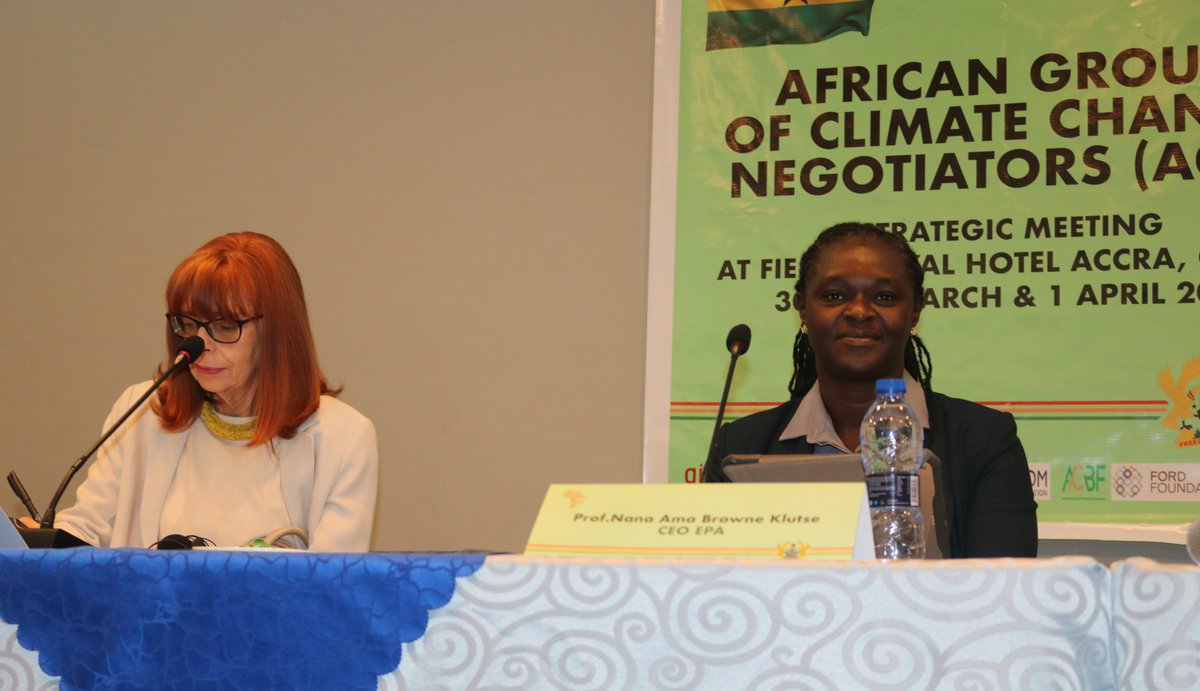
Akwaaba to Accra!
“We are honoured to host this critical meeting at a time when unity and strategic alignment are essential.”
— Prof. Nana Ama Browne Klutse. Africa’s climate future depends on strong coordination and a shared vision.
#Akwaaba#AGN2026#ClimateLeadership #AfricaRising @UNEP@UNFCCC@AfDB_Group@ECA_OFFICIAL@AGNESAfrica1@UNmigration #AGN2026 #ClimateAction #AfricaSpeaks #COP31 #COP32
Day 3 is here!
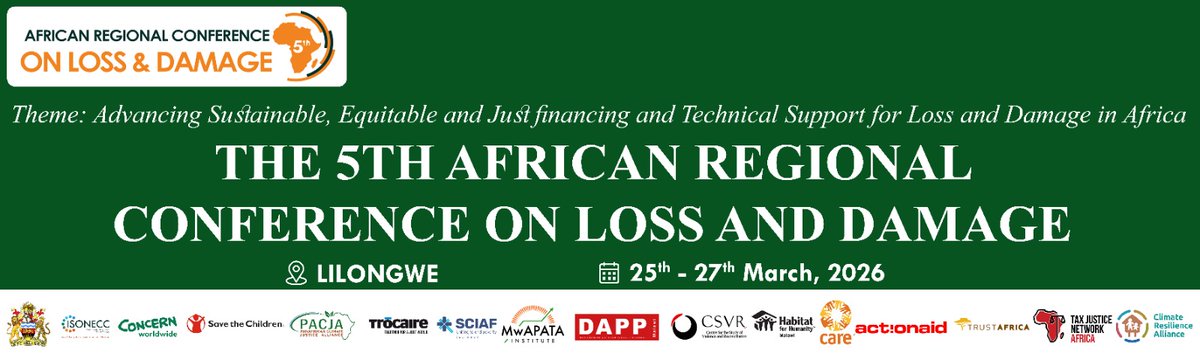
The 5th African Regional Conference on Loss and Damage is wrapping up today in Lilongwe, and the focus now shifts to commitments, action, and the roadmap ahead.
Join the conversation as leaders, experts, and communities come together to shape Africa’s path on #LossAndDamage ahead of COP31 and beyond. Your voice matters in driving equitable and just climate solutions.
Register and Join: https://t.co/r7t4gDhdei
Be part of the final discussions. Be part of the change.
#LossAndDamage #ClimateJustice #AfricaClimate
#LDC2026 #COP31 #ClimateFinance #AfricanVoices
“You can never donate solutions.”
At the 5th Africa Regional Conference on Loss & Damage, Victor Mughogho @vmughogho highlights the power of community-led approaches in tackling climate impacts.
Financing mechanisms like Community Disaster Funds are enabling communities to design solutions rooted in their lived realities, because they understand the risks better than anyone else.
Real climate action starts from the ground up.
#LossAndDamage #ClimateJustice #AfricaClimateAction #CommunityLed #LDC2026
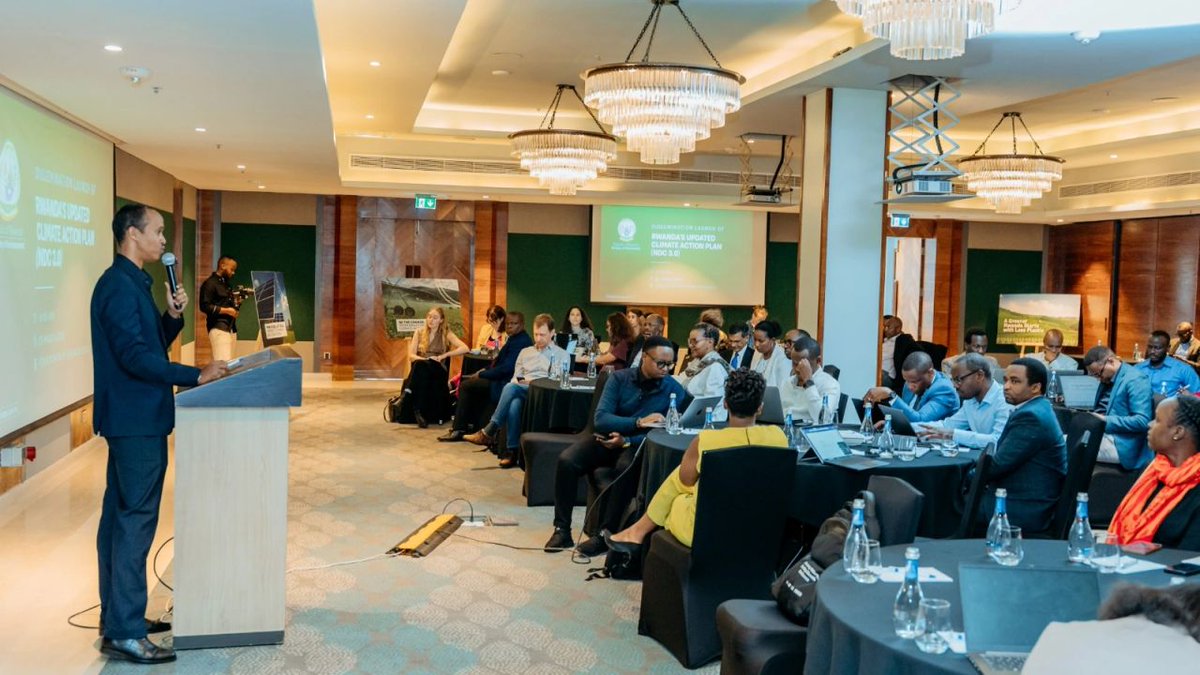
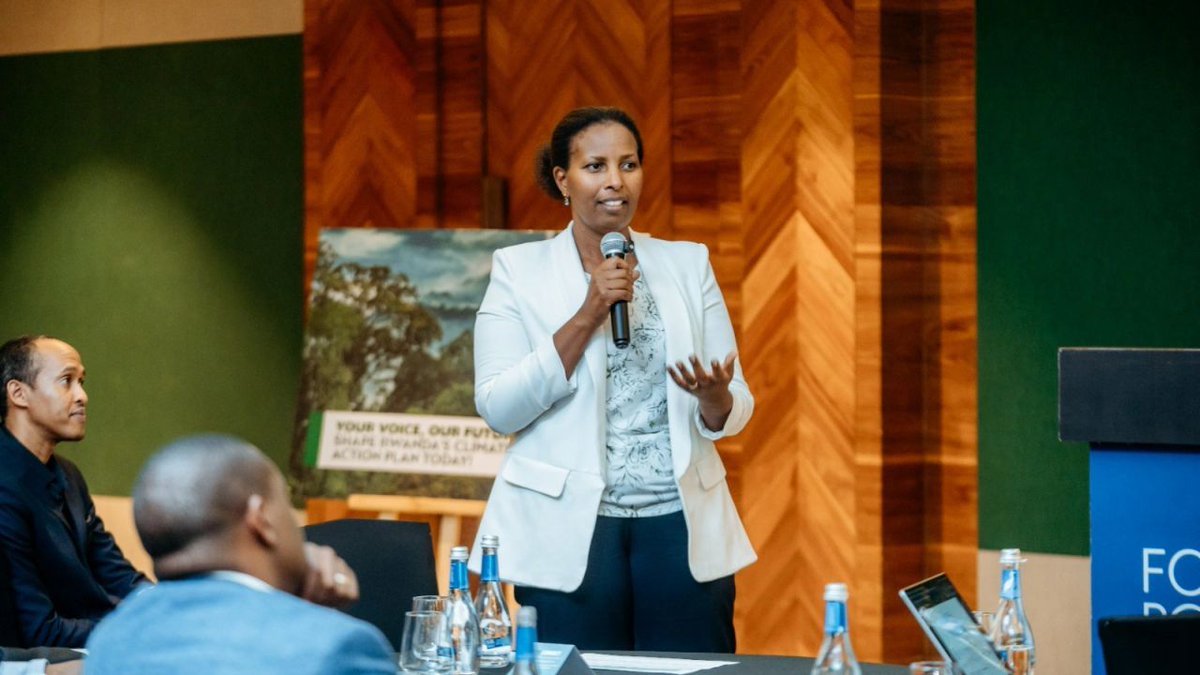
RCCDN was honored to participate in the dissemination meeting of Rwanda’s Updated Climate Action Plan (NDC 3.0), organized by @EnvironmentRw and @REMA_Rwanda
This important milestone marks a new phase of raising awareness, strengthening understanding, and fostering inclusive stakeholder engagement in climate action implementation.
The emphasizes were on the critical role of community advocacy in ensuring that local voices are heard and actively shape climate solutions. Strong community engagement is key to translating national ambition into local impact.
As a call for collective action: “Climate ambition is not just about what we plan, but what we deliver together.” Together, we can turn ambition into action
“Mainstreaming Loss and Damage into existing frameworks risks diluting its urgency. A standalone approach ensures focus and prioritization.”
— Melton Luhanga @MeltonLuha1964 , Executive Director, CARD
At the 5th African Regional Conference on Loss & Damage, the call is clear: elevate Loss & Damage as a distinct priority to drive real action and accountability.
#LossAndDamage #ClimateJustice #AfricaClimate #LDCConference26