@JD__Hayes@PAHoyeck@DeivonDrago@thiagovscoelho Not entirely.
Consciousness isn’t SELF-consciousness.
Now we’re into what constitutes a self. Or, more philosophically “the subject”. Who is doing the recognition of the self? Is it the self again?
“Subject” is derived from Subiectum…
@DeivonDrago@PAHoyeck@thiagovscoelho I guess the objection here would be one of moral relativism. Ugly as you like as long as a group agrees.
It’s possible to sustain that but in your case you’d have to argue for this “suffering” in a non relativistic way.
@DeivonDrago@PAHoyeck@thiagovscoelho As soon as it’s got to do any moral work as a “right” it’s got to be tied down. So to speak.
For example, consent theory in the sphere of romantic relations assumes the body is value neutral.
“I agree to you assaulting me” makes no sense.
It’s ok though, wait 14 hours In A&E as not enough doctors, freeze, slice a carrot and a potato for dinner, and be happy with all these green renewables (where are they then?)
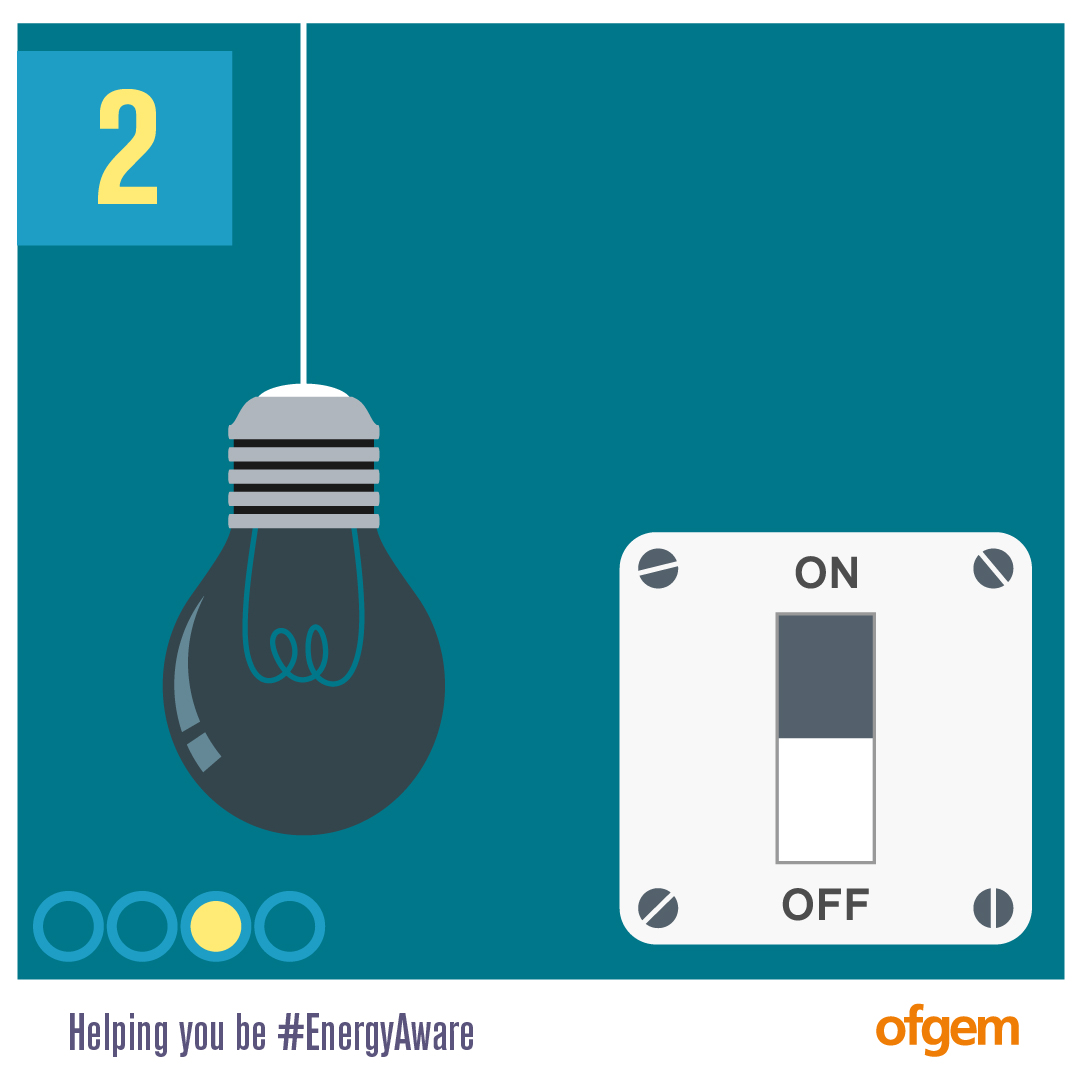
Three top tips for reducing your lighting bill:
↔️ Swap out your incandescent filament bulbs with modern LEDs, CFL or halogens
🌆 Turn off the lights when no one’s in the room
💡 Motion sensors are a great way to ensure you are only using lights when you need them
Ronald Dworkin takes notes as Jürgen Habermas discusses the relation between law and morality, I believe in 1994 at a colloquium at the Centre for Interdisciplinary Research in Bielefeld, Germany.