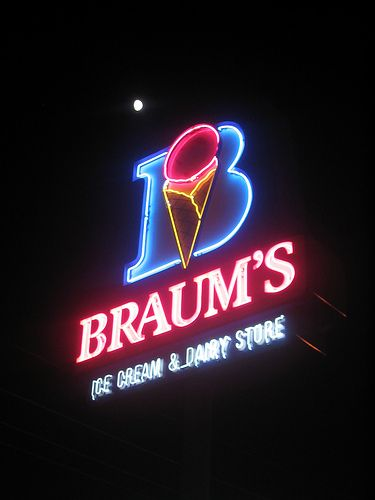
Is there a fast food chain on the planet quite like Braum's?
Interesting facts:
- Grocery store + ice cream + burgers
- They own their own farms, processing plants, and delivery trucks
- All of their stores are within a 300-mile radius of their farm in Tuttle, Oklahoma
- 300+ stores across Oklahoma, Texas, Kansas, Arkansas, and Missouri. No franchising.
Who would've thought that you can offer so many products and still be successful?
That's the power of vertical integration and a strong brand.
And I swear these guys somehow were able to dodge inflation. You can still get a big ice cream cone there for like $2.
I swear some of their locations are always empty though. Maybe it's a real estate play.
Great family, great food, great company. Now I'm gettin hungry.
I swear walking into their stores feels like I'm walking back into the 80's, too.
Follow me @mhp_guy for more cool stuff sometimes I guess.
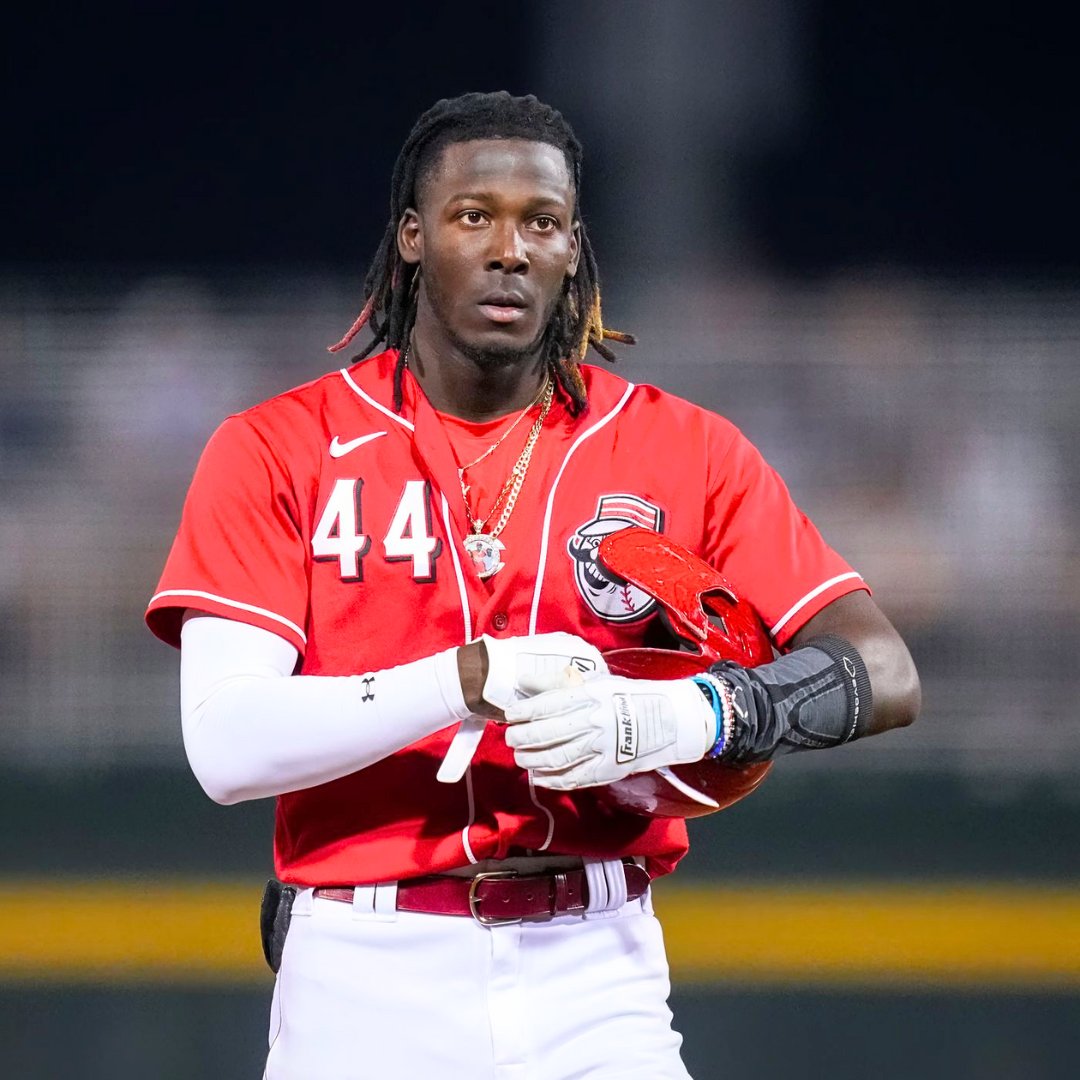
Elly De La Cruz is one of MLB's most exciting players.
But he might have to pay MILLIONS in career earnings to an investment firm — and he's not the only one.
Over 500 professional athletes have signed these deals, and Fernando Tatis Jr. owes them $27 million.
Here's how it works:
The company is called Big League Advantage (BLA).
It was founded in 2016 by former minor league baseball player Michael Schwimer, and their business model is simple:
BLA provides athletes with an upfront cash payment in exchange for a percentage of their future earnings.
The firm has 40 employees, and they use proprietary predictive analytics models to find inefficiencies in the market (aka when they believe someone is better than the rankings suggest).
And that's when they commit to an investment.
BLA raised $26 million for its first fund, which was then invested across 77 different players in 2016-17.
A typical deal might look like this:
• Athlete receives $350,000 in cash
• BLA is guaranteed 8% of future earnings
But it's not a loan — because if the player never makes it to the major leagues, they don't owe BLA any money.
And with 80% of their investments never making it to the major leagues, BLA solely focuses on landing the biggest fish (kind of like a venture capital firm),
For example, BLA signed a deal with Fernando Tatis Jr. in 2017. He reportedly agreed to pay back ~8% of his future earnings in exchange for "seven figures" in cash.
He then spent the money on a personal trainer, better food, and a better apartment.
But when he signed a $340 million deal with the San Diego Padres just four years later, BLA's ~8% cut meant that Tatis Jr owed them $27.2 million in earnings.
That one deal alone will pay back the entire fund, and the other 76 players BLA invested in are gravy on top.
And BLA says they have agreements in place with 7 players in last year's MLB all-star game alone.
This success has helped BLA raise nearly $250 million — and they have brought on some big investors, too.
Notable BLA Investors
• Paul DePodesta (Cleveland Browns)
• Bill Miller (Legg Mason)
• Steven Duncker (Goldman Sachs)
• Marvin Bush (Brother of George W. Bush)
But BLA's model doesn't just apply to baseball.
The firm is now expanding into other sports, like NIL deals with college football and basketball players.
For example, BLA signed a deal with Georgia outside linebacker Nolan Smith last year.
Smith received an upfront cash payment (via NIL) in exchange for one social media post per month, two player appearances, and two content shoots.
And based on his rookie deal alone (30th overall pick), Smith will end up paying BLA between $120,000 (1%) and $1.2 million (10%).
This has caused many people to speak up about BLA.
MLB super agent Scott Boras says BLA intentionally targets talented players from Latin America who don't receive large signing bonuses (**BLA's response is that they have signed 100+ American players that collectively have an average signing bonus of $400,000).
And MLB catcher Francisco Mejía even sued the firm in 2018, claiming they took advantage of his financial illiteracy, desperation (he wanted cash to fund medical treatment for his mom in the Dominican), and youth when he signed a deal at 20 years old that exchanged 10% of his future MLB earnings for $360,000 in cash.
Now, Mejía later dropped the case and issued an apology.
And BLA says these deals aren't predatory because they require independent lawyers to review each agreement, and 70-80% of the players they invest in never have to pay back any money.
But that doesn't mean changes can't be made.
One solution, of course, is to increase wages across the minor leagues so these deals aren't necessary, which MLB did last year by doubling wages and improving housing and transportation for players & families.
But with the average minor league player still making less than $30,000 annually, MLB still has a long way to go before income-sharing agreements disappear.
Still, it's important to remember that this problem doesn't just exist in baseball.
People have been investing in golfers (and Formula 1 drivers) for decades, and speculative investing in athletes has its deepest roots in boxing.
But that doesn’t mean a better solution doesn’t exist; we just have to find it.
Ps. I broke down the entire business model behind Big League Advantage on today's podcast. Subscribe below so you don't miss any episodes in the future!
Apple: https://t.co/mxDaF5A3a6
Spotify: https://t.co/gMTrfOPuT3